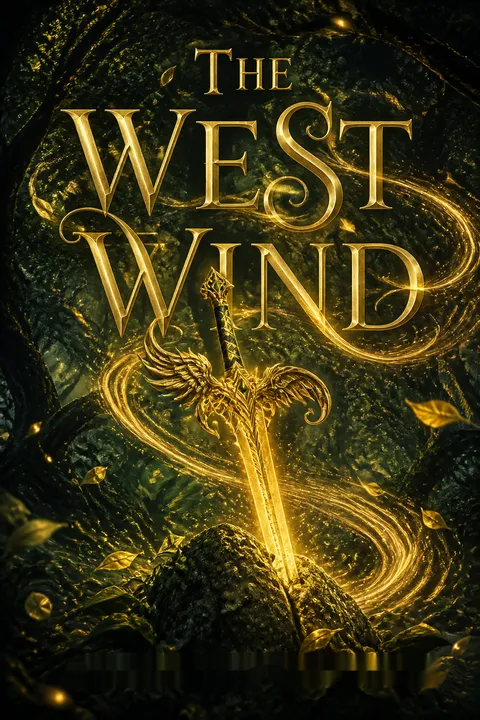

Plot Summary
Stranger in the Woods
Brielle, a devout novitiate and bladesmith at the women's abbey of Thornbrook, stumbles upon a battered, unconscious man in the forbidden woods of Carterhaugh. Torn between compassion and the abbey's strict rules forbidding men, she leaves him behind, but his presence lingers in her thoughts. The encounter stirs questions about the world beyond the abbey's walls and the dangers lurking in the wilds—both mortal and supernatural. Brielle's internal struggle between duty and empathy sets the stage for a journey that will test the boundaries of faith, obedience, and the cost of helping a stranger.
Sanctuary's Iron Walls
Life at Thornbrook is rigid, defined by ritual, labor, and the ever-present threat of the fair folk. Brielle's days are filled with forging blades, prayer, and navigating the social hierarchies among the novitiates. The abbey is a sanctuary for women, protected by iron and faith, but also a place of isolation and suspicion. Brielle's skill as a bladesmith sets her apart, but she is haunted by the memory of the man in the woods. The abbey's rules, meant to protect, also confine, and Brielle's longing for purpose and recognition grows as she senses her life is meant for more than silent obedience.
Forbidden Rescue at Night
Unable to forget the stranger, Brielle sneaks out under cover of darkness to rescue him, risking her place and reputation. She smuggles the wounded man into her room, tending his injuries with care and secrecy. The act is a grave violation of Thornbrook's rules, and the threat of discovery looms. Brielle's compassion is tested by fear—of punishment, of the unknown, and of the consequences for her future. Yet, in this act of forbidden kindness, she takes her first step toward a life shaped by her own choices, not just the abbey's decrees.
The Man with No Name
The rescued man, Zephyrus, regains consciousness, revealing a sharp wit and a face marked by both beauty and strangeness. He claims to be neither mortal nor fair folk, but something in between—a being with ties to the dangerous realm of Under. Zephyrus is evasive about his past and the wounds inflicted by his own brother. He insists on repaying Brielle's kindness, offering her a chance to learn the secret to her long-desired promotion within the abbey. Their uneasy alliance is forged, but trust is fragile, and the boundaries between savior and saved begin to blur.
The West Wind's Bargain
Zephyrus proposes a bargain: if Brielle helps him, he will reveal what she must do to become an acolyte, the next step in her spiritual journey. The offer is both a temptation and a threat, as it requires Brielle to break more rules and venture into Under, the realm of the fair folk. Driven by ambition and a yearning for answers, Brielle agrees, setting in motion a chain of events that will force her to confront the limits of faith, the meaning of sacrifice, and the true nature of power.
Descent into Under
Guided by Zephyrus, Brielle enters Under through a magical spring, leaving behind the safety of Thornbrook. The realm is a place of shifting rules, seductive dangers, and creatures both alluring and monstrous. Zephyrus instructs her in the laws of survival: never eat or drink what is offered, never stray from the path, and never speak her true name. The journey is a test of will and identity, as Brielle faces the fair folk's revels, the seductive pull of temptation, and the ever-present threat of losing herself to Under's enchantments.
The Rules of Survival
As Brielle navigates Under's treacherous landscape, she witnesses the fair folk's wild celebrations and the blurred lines between pleasure and peril. The rules Zephyrus gave her are tested at every turn, and she is forced to confront her own desires and fears. The fair folk sense her innocence, and she is both targeted and protected by Zephyrus' presence. The journey exposes the cracks in her faith and the complexity of her own longing for connection, knowledge, and freedom.
Willow's Truth
At the heart of Under, Brielle meets Willow, a sentient tree who offers cryptic wisdom. Brielle seeks the answer to her deepest question: what must she do to be seen as worthy, to finally become an acolyte? Willow's response is both comforting and devastating—there is no action that will guarantee her worth in another's eyes. The lesson is one of patience, self-acceptance, and the limits of striving for external validation. Brielle's journey is not just about advancement, but about understanding her own value.
The Orchid King's Chains
Zephyrus' true nature and his bondage to the Orchid King, Pierus, are revealed. He is not merely a wanderer, but a god—the West Wind—cursed to serve as a source of power for Under. Pierus holds Zephyrus' name and enforces his servitude through a ritual of blood and pain. Brielle witnesses the brutal ritual, understanding at last the depth of Zephyrus' suffering and the impossibility of his freedom. The encounter leaves her shaken, and the bond between them deepens, forged in shared vulnerability and the recognition of each other's wounds.
The Debt of Blood
As Brielle and Zephyrus return to the surface, the consequences of their actions ripple through Thornbrook. Brielle is punished for her disobedience, enduring physical and emotional pain. The abbey's politics intensify, with rivals vying for the coveted acolyte position. Zephyrus' debt to Brielle—and hers to him—becomes a tangle of obligation, desire, and resentment. Their relationship is tested by secrets, jealousy, and the ever-present threat of discovery. The cost of kindness, and the danger of trusting the wrong person, become painfully clear.
The Quest for Meirlach
To prove herself worthy of ascension, Brielle is sent on a quest with her rival Harper to retrieve Meirlach, a legendary sword guarded by a deadly kelpie in Under. The journey is fraught with peril, mistrust, and the resurfacing of old wounds. Brielle and Harper must navigate not only the dangers of Under, but also the complexities of their own relationship—rivalry, resentment, and the possibility of forgiveness. The quest becomes a crucible, burning away illusions and forcing both women to confront who they are and what they truly want.
Rivals and Revelations
As the quest for Meirlach intensifies, Brielle and Harper are forced to rely on each other for survival. The dangers of Under strip away pretense, and moments of vulnerability lead to unexpected understanding. Harper's cruelty is revealed as a mask for her own pain and insecurity, while Brielle's compassion becomes a source of strength. Together, they face monsters, betrayals, and the truth about the sword's power. The rivalry that once defined them gives way to a fragile alliance, and the possibility of friendship.
The Grotto's Challenge
In the kelpie's Grotto, Brielle must fight for Meirlach, not just with her blade, but with her will and her sense of self. The duel is both physical and symbolic—a test of her worth, her courage, and her refusal to kill needlessly. By sparing the kelpie, she proves her strength lies not in violence, but in mercy. The sword is won, but the victory is bittersweet, as the cost of power and the burden of choice weigh heavily on her heart.
The Price of Power
The return to Thornbrook is marked by betrayal, loss, and the unraveling of old certainties. Mother Mabel's true motives are revealed—her quest for vengeance against the Orchid King, her manipulation of Brielle and Harper, and the cost of survival in a world ruled by bargains and blood. The tithe approaches, and the lines between friend and foe blur. Brielle's love for Zephyrus is tested by impossible choices, and the price of power is paid in pain, sacrifice, and the shattering of innocence.
The Tithe and Betrayal
At the tithe, all debts come due. Mother Mabel kills the Orchid King, freeing Zephyrus from his curse, but the cost is Brielle's life—she is struck down by Meirlach, sacrificing herself to save Zephyrus. In the aftermath, Zephyrus bargains his own immortality for her resurrection, choosing love over power, and accepting mortality as the price of freedom. The cycle of violence is broken, but the wounds remain, and the world is forever changed.
Death and Resurrection
Brielle awakens with no memory of her journey, her love, or her sacrifice. The summer is lost to her, and the abbey's routines resume, but something essential is missing. Harper, too, is changed, and the friendship that once seemed impossible now offers comfort. The world is both familiar and strange, and Brielle's sense of self is fractured by the loss of memory and the knowledge that something vital has been taken from her.
The Cost of Memory
As fragments of memory return, Brielle confronts Mother Mabel and demands the truth. The lies and manipulations of the past are laid bare, and Brielle chooses to leave Thornbrook, forging a new path beyond the abbey's walls. The journey is one of self-discovery, forgiveness, and the acceptance that faith can exist outside of rigid boundaries. Brielle claims her own story, her own worth, and the right to love and be loved on her own terms.
Choosing a New Path
In the world beyond Thornbrook, Brielle and Zephyrus are reunited, their memories and love restored. Both changed by suffering and sacrifice, they choose each other freely, building a life together rooted in compassion, honesty, and the courage to begin again. The story ends not with certainty, but with hope—the promise that love, like the west wind, can bring renewal, growth, and the grace to start anew.
Analysis
Alexandria Warwick's The West Wind is a lush, emotionally charged reimagining of the heroine's journey, blending myth, folklore, and feminist coming-of-age. At its heart, the novel interrogates the meaning of faith, the cost of obedience, and the courage required to claim one's own story. Brielle's arc—from dutiful novitiate to self-possessed woman—is marked by acts of compassion that defy the rules meant to protect her, and by the willingness to risk everything for love, truth, and freedom. The story is unflinching in its portrayal of pain—physical, emotional, and spiritual—but it is also deeply hopeful, insisting that forgiveness, growth, and renewal are always possible. The relationship between Brielle and Zephyrus is both a romance and a metaphor for the struggle to reconcile the sacred and the profane, the longing for connection and the fear of loss. The novel's use of memory loss and resurrection as plot devices allows for a meditation on the construction of identity, the power of narrative, and the necessity of choosing one's own path. Ultimately, The West Wind is a story about breaking cycles—of violence, of self-doubt, of inherited pain—and about the grace that comes from embracing change, loving bravely, and forging a new future from the ashes of the old.
Review Summary
The West Wind receives mixed reviews with an average rating of 3.57/5. Readers praise the atmospheric world-building, character development, and slow-burn romance, particularly appreciating Brielle's growth from timid acolyte to strong woman. Many enjoyed the Greek mythology and Scottish folklore elements. However, criticisms include excessive length, slow pacing, heavy religious themes that don't resonate with all readers, and repetitive content. The protagonist's relationship with faith divides opinions. While some found Zephyrus's redemption arc compelling, others struggled to connect with him. Reviewers note it works as a standalone despite being the second book.
People Also Read

Characters
Brielle
Brielle is a novitiate and bladesmith at Thornbrook, defined by her devotion, her longing for acceptance, and her struggle to reconcile obedience with her own desires. Haunted by abandonment and shaped by the abbey's rigid rules, she is both strong and vulnerable, capable of great kindness and deep self-doubt. Her journey is one of self-discovery, as she learns to question authority, trust her instincts, and claim her own worth. Brielle's compassion is both her greatest strength and her greatest risk, leading her to acts of forbidden kindness and, ultimately, to a love that transforms her understanding of faith, power, and herself.
Zephyrus
Zephyrus, the West Wind, is a being caught between worlds—neither mortal nor fair folk, but a god bound by ancient debts and the cruelty of the Orchid King. Charismatic, clever, and deeply wounded, he masks his pain with wit and bravado. His past is marked by betrayal, jealousy, and the accidental death of a lover, for which he is eternally punished. Zephyrus' relationship with Brielle is fraught with tension, desire, and the fear of repeating old mistakes. Through her, he learns humility, vulnerability, and the possibility of redemption. His journey is one from faithlessness to faith—not in gods, but in love, forgiveness, and the courage to change.
Mother Mabel
Mother Mabel is the formidable leader of Thornbrook, a woman whose authority is both protective and oppressive. Scarred by her own captivity in Under, she is driven by a need for control, vengeance, and the survival of her abbey. Her mentorship of Brielle is marked by both genuine care and manipulation, as she grooms her for a role in her own quest for power. Mother Mabel's faith is unwavering, but her methods are ruthless, and her inability to adapt leads to tragedy. She embodies the dangers of rigid authority and the cost of sacrificing individuals for the greater good.
Harper
Harper is Brielle's longtime adversary, a woman whose cruelty masks deep insecurity and longing for approval. Ambitious and sharp-tongued, she is both a product and a victim of Thornbrook's competitive environment. The quest for Meirlach forces Harper and Brielle into reluctant partnership, and through shared hardship, they move from rivalry to understanding. Harper's journey is one of self-awareness, vulnerability, and the courage to seek forgiveness. She becomes a symbol of the possibility for change, even in those we least expect.
The Orchid King (Pierus)
Pierus, the Orchid King, is the ruler of Under and the architect of Zephyrus' suffering. Once a sovereign of distant lands, he is now a being of monstrous power, feeding on the blood and pain of others. His cruelty is both personal and systemic, enforcing the rituals that sustain Under at the cost of individual freedom. Yet, beneath his monstrous exterior lies a father's grief and a desire for control in a world that has changed beyond recognition. Pierus is both villain and victim, a reminder of the dangers of unchecked power and the corrosive effects of vengeance.
Willow
Willow is the sentient tree at the heart of Under, a being of profound knowledge and compassion. She offers Brielle the truth she most needs to hear: that worth cannot be earned through striving, but must be recognized within. Willow's presence is a balm in the chaos of Under, a reminder of the possibility of growth, patience, and acceptance. She represents the voice of the natural world, the wisdom that comes from enduring and witnessing the cycles of change.
Lissi
Lissi is a fair folk sprite whose appearance belies her cunning and power. She is both helpful and self-interested, offering aid to Brielle and Zephyrus but always with an eye to her own safety. Lissi's knowledge of Under's rules and her ability to navigate its dangers make her a valuable ally, but her loyalty is never certain. She embodies the ambiguity of the fair folk—neither wholly good nor evil, but driven by her own needs and the shifting currents of Under.
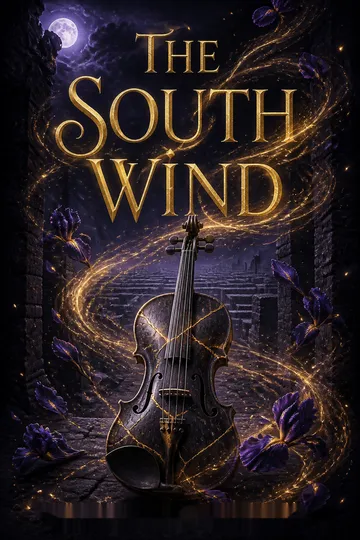
Notus (The South Wind)
Notus, the South Wind, is Zephyrus' brother and a god of the desert. He is strong, silent, and burdened by the wounds of the past—betrayal, loss, and the failure of family. His relationship with Zephyrus is fraught with resentment and the pain of old injuries, but he ultimately chooses compassion, offering aid when it is most needed. Notus represents the possibility of reconciliation, the strength to forgive, and the endurance required to survive in a harsh world.
Yakim
Yakim is a demon who trades in poisons, blood, and secrets. He is both charming and ruthless, a master of bargains who preys on the desperation of others. His encounter with Brielle and Zephyrus is a test of trust, cunning, and the willingness to sacrifice. Yakim is a reminder of the dangers of making deals with those who hold all the power, and the cost of seeking shortcuts to salvation.
The Stallion (Kelpie)
The Stallion is the kelpie who guards the legendary sword Meirlach in Under's Grotto. He is both childlike and ancient, playful and deadly. The duel with Brielle is a test not just of skill, but of mercy and the refusal to kill needlessly. The Stallion represents the challenges that must be faced to claim power, and the importance of compassion even in the face of danger.
Plot Devices
The Heroine's Journey
The novel employs a classic heroine's journey, structured around Brielle's movement from obedience and self-doubt to agency, self-acceptance, and love. Each trial—rescuing Zephyrus, venturing into Under, facing betrayal, and ultimately sacrificing herself—serves as a crucible, burning away illusions and forcing Brielle to confront her deepest fears and desires. The journey is cyclical, with each descent into darkness followed by a return to the light, changed and renewed.
The Bargain and the Debt
The motif of bargains—both literal and metaphorical—runs throughout the story. Every act of compassion or betrayal creates a debt, binding characters together in webs of obligation. The bargains with Zephyrus, the fair folk, and the Orchid King all carry unforeseen consequences, forcing Brielle to weigh the cost of helping others against the risk to herself. The theme interrogates the nature of true generosity and the dangers of transactional relationships.
Memory and Identity
The loss and recovery of memory is a central device, used to explore the fragility of identity and the power of narrative. Brielle's amnesia after her resurrection is both a mercy and a wound, erasing the pain of loss but also the joy of love. The return of memory is a moment of grace, allowing her to reclaim her story and choose her own path. The device underscores the importance of self-knowledge and the courage required to face the truth.
The Sword Meirlach
Meirlach, the god-forged sword, is both a literal and symbolic prize. It represents the quest for recognition, the burden of violence, and the possibility of wielding power with compassion. The duel for Meirlach is a test not just of skill, but of character—Brielle's refusal to kill the kelpie marks her as truly worthy. The sword's ability to command the wind and demand truth is a metaphor for the power of honesty and the necessity of change.
The Tithe and Ritual Sacrifice
The tithe is the central ritual that sustains Under and Thornbrook, demanding blood in exchange for survival. It is both a necessary evil and a perpetuation of suffering, binding characters in cycles of sacrifice and retribution. The breaking of the tithe—through the deaths of the Orchid King and Brielle's own sacrifice—marks the end of an era and the possibility of a new beginning, free from the old chains.
Foreshadowing and Repetition
The novel is rich in foreshadowing—warnings about the rules of Under, the dangers of bargains, the cost of breaking vows. Repeated motifs (the lamp in the window, the forging of blades, the rules of survival) create a sense of inevitability, but also the possibility of change. The structure mirrors the cycles of the seasons, the turning of the wheel, and the hope that spring always follows winter.
The Four Winds Series
Download PDF
Download EPUB
.epub digital book format is ideal for reading ebooks on phones, tablets, and e-readers.








































