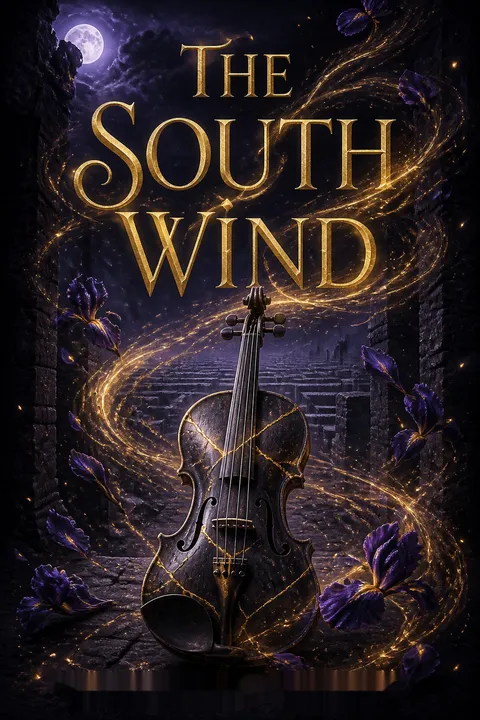

Plot Summary
Bargain on the Mountain
In the blistering desert kingdom of Ammara, a dying queen gives birth to Sarai, a frail child not expected to survive. Her father, King Halim, devastated by loss, climbs Mount Syr and pleads with the Lord of the Mountain—a primordial god—for his daughter's life. The god agrees, but at a hidden cost: Ammara's rains cease, and a slow curse settles over the land. Sarai grows up shadowed by this bargain, her life both a miracle and a harbinger of drought and decline, her fate entwined with the realm's suffering.
Princess in the Red City
As a young woman, Sarai is a princess in the Red City, Ishmah, living under the weight of her father's expectations and the curse that withers her people. She is a prodigious violinist, but her music is stifled by grief and duty. Her upcoming twenty-fifth birthday looms—her prophesied death. To save Ammara, she is to marry Prince Balior, a foreign scholar, in a political alliance. Sarai's sense of self is eroded by obligation, loneliness, and the knowledge that her life is a sacrifice for her kingdom.
The Return of the South Wind
Notus, the South Wind—an immortal god once Sarai's lover—returns to Ishmah after years of absence. His reappearance stirs old wounds and unresolved longing. He is appointed to the Royal Guard, tasked with protecting the labyrinth at the palace's heart, a prison for a monstrous beast. Sarai is torn between anger and yearning, haunted by Notus's abandonment and the possibility that he alone can help her break the curse. Their reunion is fraught with mistrust, vulnerability, and the threat of unfinished love.
Cursed and Betrothed
Sarai's engagement to Prince Balior is formalized, but she hides the truth: she is cursed to die on her twenty-fifth birthday, the price of her father's bargain. Only her father and Notus know the full story. Prince Balior, charming and scholarly, is not what he seems. Sarai's sense of agency is further eroded as she is paraded as a political pawn, her personal desires sacrificed for the realm. The curse, the drought, and the threat of darkwalkers—shadowy soul-eating monsters—press ever closer.
Shadows in the Labyrinth
The labyrinth, built to contain a god-cursed beast, is a symbol of Sarai's own entrapment. Every decade, seven men are sacrificed to appease the monster. Notus is the only one to have entered and survived. As darkwalkers infiltrate Ishmah, the city's defenses weaken. Sarai's investigation into the labyrinth's secrets leads her to forbidden archives, where she learns the beast's imprisonment is tied to the Lord of the Mountain's original bargain. The curse, the beast, and the city's fate are inextricably linked.
The Prince's True Motive
Prince Balior's scholarly interest in the labyrinth masks a darker ambition. He seeks to free the beast, having made a pact with it years ago in exchange for power. He manipulates Sarai and unleashes the darkwalkers, using the chaos to position his army within Ishmah's walls. Sarai's trust is shattered as she realizes she is both a key and a pawn in Balior's scheme. The city teeters on the brink of destruction, and Sarai's personal and political worlds collapse.
Music and Memory
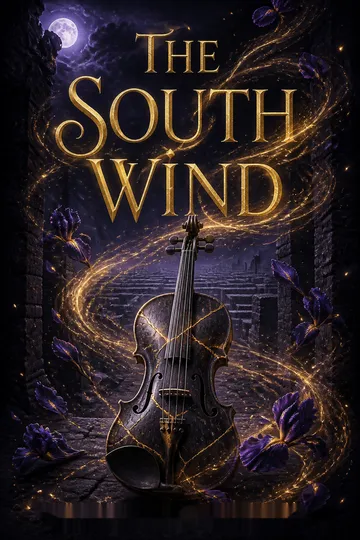
Sarai's music, once a source of joy, becomes a vessel for grief and memory. The violin connects her to her lost brother Fahim, to her mother, and to the self she has buried beneath duty. Through music, she confronts her pain and begins to reclaim her agency. The labyrinth responds to her playing, revealing hidden doors and truths. Music becomes both weapon and balm, a means to shape fate and resist despair.
The Beast's Hunger
Sarai is betrayed and poisoned with black iris, the prophesied instrument of her death. Instead of dying, she is transported into the labyrinth, revealed to be a liminal space between worlds. There, she faces the beast—a manifestation of her own darkness and the realm's suffering. The labyrinth forces her to relive her deepest wounds: her father's coldness, her brother's suicide, Notus's abandonment. To escape, she must confront and accept her shadow self.
The Breaking of Trust
As Ishmah burns and the beast is freed, Notus sacrifices himself to save Sarai, taking a god-touched blade meant for her. He falls into an endless sleep, his immortality forfeit. Sarai bargains with the Council of Gods, offering her music—her very soul—in exchange for Notus's life. The price is steep: Notus awakens mortal, and Sarai loses her gift. Their love is tested by grief, regret, and the knowledge that every joy is bought with pain.
The Festival of Rain
The annual Festival of Rain, once a celebration of hope, becomes a backdrop for betrayal and revelation. Sarai's relationship with her family, especially her father and brother, is laid bare. She confronts the legacy of generational trauma, the impossibility of perfection, and the need for self-forgiveness. The festival's rituals echo the cycles of sacrifice and renewal that define her life and Ammara's fate.
Betrayal and Black Iris
Poisoned by black iris, Sarai is not killed but reborn into the labyrinth's heart. There, she faces visions of her past, her family, and her own self-doubt. The beast, the darkwalkers, and the shadows of her loved ones test her resolve. Only by embracing her whole self—strength and weakness, light and dark—can she break the cycle of sacrifice. The labyrinth is both prison and crucible, forging her into the woman she must become.
Trapped in the Labyrinth
Sarai's journey through the labyrinth is a journey through her own psyche. She relives her childhood wounds, her brother's death, her father's disappointment, and her own self-loathing. The beast is revealed as a symbol of internalized pain and generational trauma. With Notus's help, she learns that true freedom comes not from escape, but from acceptance and self-love. The labyrinth's doors open only when she claims her right to exist as herself.
Confronting the Darkness Within
By embracing her shadow self and forgiving her past, Sarai breaks the curse that has bound her and Ammara. The rains return, the beast is banished, and the city is given a chance to heal. Notus, now mortal, chooses to remain by her side, their love no longer threatened by immortality or fate. Sarai's sacrifice is not her death, but her willingness to live fully, to claim joy and sorrow alike.
The South Wind's Sacrifice
Notus and Sarai, both changed by loss and love, choose each other in the aftermath of devastation. They mourn what is lost—music, power, innocence—but find hope in what remains. Their union is not a fairy tale, but a hard-won partnership built on trust, vulnerability, and the courage to begin again. Together, they set out to explore the world, free at last from the burdens of the past.
The Council of Gods
Sarai's journey to the Council of Gods is a testament to mortal resilience and the power of art. She offers her music as a gift, moving even the divine to tears. The gods, capricious and proud, demand a steep price: Notus's immortality for his life. Sarai accepts, choosing love over legacy, presence over perfection. The gods' judgment is both mercy and lesson, a reminder that every gift is also a loss.
The Price of Love
Sarai and Notus, both stripped of what once defined them, must learn to live as mortals. They grieve what is gone—music, power, certainty—but find meaning in each other and in the ordinary joys of life. Their love is no longer a refuge from pain, but a commitment to face it together. The story ends not with triumph, but with the quiet courage to begin again.
Home Is Chosen
Sarai and Notus travel the world, no longer bound by duty or fear. They build a life together, rooted in mutual respect and hard-won trust. Sarai, once a sacrifice, is now the author of her own story. The rains return to Ammara, the city rebuilds, and the cycle of suffering is broken. Home is not a place, but a choice—one they make, every day, for each other.
A New Song Begins
In the epilogue, Sarai and Notus, now married, wander the Spice Road, seeking adventure and healing. Sarai, gifted a new violin, begins to play again—not as a prodigy, but as a woman who has known grief and chosen joy. Their story is unfinished, a melody that continues beyond the final page. The lesson endures: love is not the absence of pain, but the willingness to begin anew, again and again.
Analysis
Alexandria Warwick's The South Wind is a lush, emotionally resonant fantasy that uses the trappings of myth and romance to explore the deep wounds of generational trauma, the cost of survival, and the redemptive power of self-acceptance. At its heart, the novel is about the courage to break cycles: Sarai's journey from pawn to author of her own story is mirrored in the breaking of Ammara's curse and the healing of her family's legacy. The labyrinth, both literal and psychological, is a brilliant device for dramatizing the work of integration—facing the darkness within, not to destroy it, but to accept and transform it. The love story between Sarai and Notus is not escapist, but hard-won: it is a partnership forged in vulnerability, loss, and the willingness to begin again. The novel's use of music as both magic and metaphor is especially powerful, suggesting that art is not just a gift, but a practice of presence, connection, and hope. In a modern context, The South Wind speaks to anyone who has inherited pain, struggled with perfectionism, or feared that love is conditional. Its lesson is clear: true freedom is not the absence of suffering, but the choice to live, love, and create in spite of it.
Review Summary
The South Wind by Alexandria Warwick receives mixed reviews averaging 3.58 stars. Readers praise the slow-burn romance between Princess Sarai and Notus, the desert setting, and Greek mythology elements (Daphne/Apollo, Theseus/Minotaur). Many appreciate Notus's devotion and the second-chance romance trope. However, critics cite Sarai as unlikeable—complaining and lying excessively—and poor communication between characters. The labyrinth sequence confuses readers, and some find the pacing slow with insufficient action. Several note it's weaker than the first book but stronger than the second. Fans enjoy the fake engagement plot and emotional depth.
People Also Read

Characters
Sarai Al-Khatib
Sarai is the daughter of King Halim, born under a curse that ties her life to the fate of Ammara. Raised in privilege but suffocated by duty, she is a prodigious violinist whose music is both her solace and her burden. Haunted by her mother's death, her brother's suicide, and her father's coldness, Sarai struggles with self-worth and the expectation of sacrifice. Her journey is one of reclaiming agency: from pawn to author of her own story. Through love, loss, and the crucible of the labyrinth, she learns to accept her whole self—strength and vulnerability, light and shadow. Her relationships—with Notus, her family, and her art—are marked by longing, grief, and the hard-won courage to choose life.
Notus, the South Wind
Notus is an immortal wind god, exiled from the City of Gods and bound to Ammara. Once Sarai's lover, he vanished without explanation, leaving her heartbroken. His return is fraught with guilt, longing, and the hope of redemption. Notus is stoic, powerful, and deeply wounded by his own sense of not belonging. His love for Sarai is both his strength and his vulnerability. He sacrifices his immortality and power to save her, choosing a mortal life of uncertainty over eternal loneliness. Notus's arc is one of learning to accept love, to forgive himself, and to find home not in place or power, but in chosen connection.
King Halim
King Halim is a man broken by loss—of his wife, his son, and his dreams for his kingdom. His desperate bargain with the Lord of the Mountain saves Sarai but curses Ammara. He is stern, emotionally distant, and obsessed with duty, often failing to see his children's pain. His love is real but expressed through control and sacrifice. Halim's arc is a tragic one: he seeks to protect his family but perpetuates cycles of trauma. His death is both an ending and a release, allowing Sarai and Amir to forge new paths.
Prince Balior
Prince Balior arrives as a potential savior, offering alliance and knowledge. Beneath his scholarly exterior lies ambition and a pact with the beast. He manipulates Sarai, unleashes the darkwalkers, and seeks to conquer Ammara for his own gain. Balior is a study in the dangers of unchecked desire and the seduction of power. His betrayal is personal and political, forcing Sarai to confront the limits of trust and the necessity of self-reliance.
Amir Al-Khatib
Amir is Sarai's surviving brother, thrust into leadership after Fahim's death and Halim's decline. He is sensitive, insecure, and overshadowed by the legacy of his siblings. Amir's journey is one of stepping into responsibility, learning to grieve, and forging his own identity. His relationship with Sarai is fraught but ultimately redemptive, as they learn to support each other in the aftermath of loss.
Fahim Al-Khatib
Fahim is Sarai's older brother, a gifted musician forced to abandon his art for duty. His suicide is a wound that shapes Sarai's life, a symbol of the cost of perfection and the dangers of unacknowledged pain. In the labyrinth, his memory becomes both torment and guide, forcing Sarai to confront her own grief and the necessity of self-forgiveness.
Tuleen
Tuleen is Amir's wife, a woman of quiet strength and compassion. Initially kept at arm's length by Sarai, she becomes a source of support and wisdom. Tuleen's presence challenges Sarai's assumptions about trust, friendship, and the possibility of healing. She is a bridge between old wounds and new beginnings.
The Lord of the Mountain / Eurus
The Lord of the Mountain is the god who bargains with King Halim, setting the story's curse in motion. Later revealed as Eurus, Notus's brother, he is cold, enigmatic, and bound by his own wounds. He represents the impersonal forces of destiny, the cost of bargains, and the limits of divine mercy. His interactions with Sarai and Notus force them to confront the nature of sacrifice and the possibility of change.
The Beast
The beast in the labyrinth is both literal monster and metaphor for internalized trauma. Once a god, now a creature of hunger and rage, it is the product of injustice and abandonment. Its pact with Prince Balior unleashes chaos, but its true power lies in forcing Sarai to confront her own darkness. The beast's defeat is not a matter of violence, but of acceptance and integration.
Roshar
Roshar is Sarai's confidant and the palace's royal tailor. Witty, flamboyant, and fiercely loyal, he provides much-needed levity and emotional support. Roshar's presence highlights the importance of chosen family, the value of friendship, and the necessity of joy even in the darkest times.
Plot Devices
The Curse and the Bargain
The story's central device is the curse placed on Sarai and Ammara as the price for her life. This curse is both literal (drought, prophesied death) and symbolic (the inheritance of pain, the cost of survival). The bargain with the Lord of the Mountain sets the plot in motion, driving every major conflict: Sarai's impending death, the city's decline, the need for sacrifice, and the cycle of suffering. The curse is revealed to be not just a punishment, but a test—one that can only be broken by confronting and healing the darkness within.
The Labyrinth
The labyrinth is both a prison for the beast and a crucible for Sarai's soul. It is a liminal space where the boundaries between worlds, memories, and selves blur. The labyrinth's structure mirrors Sarai's internal journey: to escape, she must face her deepest wounds, accept her shadow, and claim her right to exist. The labyrinth is also a narrative device for flashbacks, visions, and the integration of past and present.
Music as Magic and Metaphor
Music is Sarai's gift, her inheritance, and her means of survival. The violin is both literal instrument and symbol of her voice, her grief, and her power. In the labyrinth, music shapes reality, opens doors, and defeats monsters. The loss of music is the price for love, but also a lesson: art is not just talent, but the willingness to feel, to connect, and to begin again.
Dual Love Interests and Betrayal
The tension between Notus and Prince Balior is not just romantic, but existential. Each represents a different path: duty versus desire, safety versus risk, self-sacrifice versus self-assertion. Balior's betrayal is a catalyst for Sarai's growth, forcing her to rely on herself and to choose love not as escape, but as partnership.
The Council of Gods
The gods are both capricious and moved by mortal art. Their judgment is a reminder that every gift has a cost, and that true power lies not in immortality, but in the courage to love and lose. The council's demand—that Notus become mortal and Sarai give up music—forces both characters to confront what they value most.
Narrative Structure and Foreshadowing
The novel weaves past and present, memory and action, through flashbacks, visions, and the labyrinth's dreamlike logic. The prologue and epilogue mirror each other, framing the story as a cycle of loss and renewal. Repeated motifs—rain, music, sacrifice, home—foreshadow the story's resolution and reinforce its themes.
The Four Winds Series
Download PDF
Download EPUB
.epub digital book format is ideal for reading ebooks on phones, tablets, and e-readers.








































