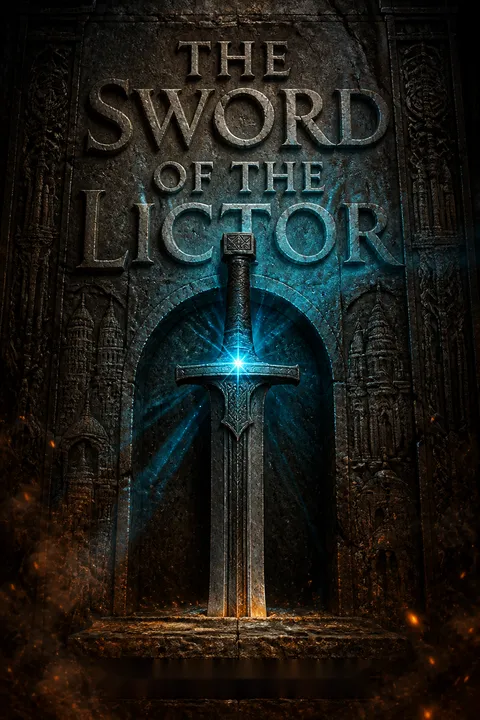

Plot Summary
Shadows Over Thrax
Severian, now lictor of Thrax, finds himself burdened by the responsibilities of his office and the weight of the Claw of the Conciliator. The city, carved into the mountains and known for its windowless rooms and crooked knives, is a place of both beauty and oppression. Severian's relationship with Dorcas begins to fray under the strain of his duties and the darkness of his profession. The city's prisoners, chained in the depths below, haunt both their lives. Severian's sense of isolation grows as he realizes the cost of his role, and the city's labyrinthine structure mirrors his own confusion and entrapment. The shadow of his past and the uncertain future press in, setting the stage for a journey that will test his soul.
Dorcas's Descent
Dorcas, once Severian's equal and companion, is now adrift in Thrax. The city's cruelty and Severian's role as torturer weigh heavily on her, leading to a crisis of identity and purpose. She is haunted by memories and a growing sense of alienation, unable to reconcile the man she loves with the horrors she witnesses. Severian, preoccupied with his duties and the Claw, fails to bridge the widening gap between them. Their love, once a source of strength, becomes a source of pain. Dorcas's silent suffering and eventual withdrawal mark the beginning of a profound transformation for both, as the city's darkness seeps into their hearts.
Chains and Choices
The responsibilities of the lictor force Severian to confront the ethics of his profession. He debates the necessity and cruelty of punishment, the nature of justice, and the limits of mercy. His attempts to justify his actions to Dorcas and himself reveal deep uncertainties. The city's prisoners, the machinery of the Vincula, and the ever-present threat of violence underscore the precariousness of order. Severian's choices—whether to obey, to rebel, or to show compassion—become increasingly fraught. The tension between duty and conscience grows, foreshadowing the pivotal decisions that will define his journey.
The City of Crooked Knives
Severian explores Thrax, discovering its social divisions, tribal tensions, and the ever-present threat of violence. The city's architecture and customs reflect its fractured identity. Severian's search for the Pelerines, the order to whom the Claw belongs, becomes a quest for meaning and redemption. Encounters with beggars, dying children, and the city's underclass deepen his sense of responsibility and guilt. The city's crooked knives—both literal and symbolic—remind him of the sharp edges of fate and the dangers lurking in every shadow. Thrax becomes a crucible, testing Severian's resolve and compassion.
The Claw's Burden
The Claw of the Conciliator, a relic of immense power, becomes both a talisman and a curse for Severian. Its mysterious abilities to heal and resurrect are matched by its weight on his soul. Dreams and visions haunt him, and the Claw's light is both a comfort and a torment. Severian's attempts to use the Claw are fraught with uncertainty—sometimes it works miracles, sometimes it fails. The burden of carrying the Claw, and the fear of losing it or misusing its power, drive Severian deeper into self-doubt. The Claw becomes a symbol of hope, guilt, and the possibility of transformation.
Masks at the Ridotto
Invited to a masked ball at the archon's palace, Severian enters a world of illusion and hidden truths. The ridotto is a microcosm of Thrax—costumed revelers, secret alliances, and the ever-present threat of violence. Severian's encounter with Cyriaca, a woman dressed as a Pelerine, leads to confessions, seduction, and the sharing of stories about lost archives and ancient machines. The night is filled with longing, regret, and the search for connection. The masks worn by the guests mirror the masks Severian and Dorcas wear in their own lives, and the boundaries between reality and performance blur.
Cyriaca's Confession
In the intimacy of the ridotto's alcoves, Cyriaca reveals her past as a postulant among the Pelerines and her knowledge of lost knowledge and forbidden lore. Her stories of ancient machines, the gathering of wild knowledge, and the burning of archives resonate with Severian's own quest. Their lovemaking is both a comfort and a reminder of the transience of pleasure. Cyriaca's confession of her infidelities and her fear of death echo Severian's own struggles with guilt and desire. The night's revelations deepen Severian's understanding of the world's mysteries and his own heart.
The Alzabo's Night
Fleeing Thrax after freeing a condemned woman, Severian seeks refuge in the mountains. He finds shelter with a peasant family, only to face the terror of the alzabo—a beast that consumes the dead and takes on their voices and memories. The night becomes a battle for survival, as Severian defends the family and confronts the horror of the alzabo's mimicry. The encounter forces Severian to grapple with the nature of identity, memory, and the boundaries between life and death. The alzabo's night is a crucible, burning away illusions and forging new resolve.
Severian and Severian
After the alzabo's attack, Severian becomes the protector of a young boy, also named Severian, whose family has been destroyed. Their journey through the mountains is marked by hardship, hunger, and the search for meaning. Severian reflects on the burdens of memory, the responsibilities of care, and the pain of loss. The relationship between the two Severians becomes a meditation on the cycles of life, the inheritance of suffering, and the possibility of redemption. The mountains, both beautiful and deadly, serve as a backdrop for Severian's inner transformation.
The Circle of Sorcerers
Severian and the boy are captured by a group of painted sorcerers who test Severian's powers and subject him to magical duels. The sorcerers' village, hidden in the jungle, is a place of illusion, ritual, and danger. Severian's struggle to protect the boy and escape becomes a test of will, cunning, and the ambiguous power of the Claw. The encounter with the sorcerers exposes the limits of magic, the dangers of pride, and the thin line between wisdom and folly. Severian's escape is both a physical and spiritual victory, but it comes at a cost.
The Duel of Magic
Forced into a magical duel with Decuman, a powerful sorcerer, Severian faces not only human adversaries but also the monstrous creations of Hethor, his old nemesis. The duel is a contest of wills, illusions, and the hidden powers of the Claw. The arrival of a shapeless, deadly creature disrupts the battle, forcing Severian to rely on courage and quick thinking to survive. The experience leaves him shaken but wiser, aware of the dangers that lurk in both the seen and unseen worlds. The duel marks a turning point, as Severian moves from victim to agent of his own fate.
Typhon's Awakening
Climbing higher into the mountains, Severian discovers a colossal statue and a mysterious city of metal guardians. In a circular building, he encounters the preserved corpse of Typhon, a two-headed ruler from the distant past. Through the power of the Claw and the strange energies of the place, Typhon is awakened. Typhon's ambition, cunning, and hunger for power threaten to overwhelm Severian, who is forced into a battle of wits and wills. The encounter with Typhon is a confrontation with the past, the dangers of unchecked ambition, and the seductive allure of power.
The Giant's Castle
Severian's journey leads him to the castle of Baldanders, the giant he once knew, now revealed as a seeker of forbidden knowledge and a collaborator with the alien cacogens. The castle is a place of horror and wonder, filled with machines, experiments, and the suffering of the innocent. Severian learns of Baldanders's quest for power, the bargains struck with the cacogens, and the price of ambition. The presence of the Hierodules—Ossipago, Barbatus, and Famulimus—reveals the hidden hands guiding humanity's fate. The castle becomes a battleground of ideas, loyalties, and destinies.
The Lake of Islands
Fleeing the castle, Severian finds refuge among the lake people, who live on floating islands and are oppressed by the shore dwellers and the castle's master. Severian becomes their reluctant leader, drawn into their struggle for freedom and justice. The lake, with its shifting islands and hidden dangers, is both sanctuary and battlefield. Severian's alliance with Pia, a slave girl, and Llibio, the lake chief, deepens his sense of responsibility and connection to the world's suffering. The stage is set for a final confrontation over the fate of the Claw.
The Battle for the Claw
The lake people, led by Severian, launch an assault on Baldanders's castle. The battle is chaotic, brutal, and marked by the clash of primitive weapons and advanced technology. Severian faces Baldanders in a climactic duel, wielding Terminus Est against the giant's mace. The struggle is both physical and symbolic—a contest between old and new, mercy and power, fate and free will. The destruction of Terminus Est and the apparent death of Baldanders mark the end of an era. The Claw, lost in the chaos, becomes the prize for which all have fought and suffered.
The Shattered Gem
In the aftermath of the battle, Severian searches desperately for the Claw, only to find it shattered among the rocks. The loss of the Claw is a moment of profound grief and self-recrimination. Severian is forced to confront the limits of his power, the fragility of hope, and the inevitability of loss. The shattering of the Claw is both an end and a beginning, stripping away illusions and preparing Severian for the next stage of his journey. The lake, once a place of refuge, becomes a place of mourning and reflection.
The Black Claw Revealed
Amid the fragments of the Claw, Severian discovers a black, star-like object—the true heart of the relic. Its light is not the blue of the old gem, but an intense, living white. The experience of holding the Black Claw is transformative, erasing thought and filling Severian with a sense of obedience and peace. The revelation that the Claw's power endures, even in a new form, renews Severian's hope and sense of purpose. The journey is not over; the war, both within and without, continues. Severian rises, ready to face the challenges ahead.
Toward the War
Severian leaves the lake and the ruins of the past behind, carrying the Black Claw and the lessons of his journey. The world is on the brink of war, and Severian is drawn inexorably toward the conflict that will shape the fate of Urth. The burdens of memory, loss, and responsibility weigh heavily, but so too does the possibility of renewal and redemption. Severian's path is uncertain, but he moves forward with a deeper understanding of himself, the world, and the mysteries that bind them. The story ends on the threshold of transformation, with hope and fear entwined.
Analysis
Gene Wolfe's The Sword of the Lictor is a masterwork of layered storytelling, philosophical depth, and emotional resonance. At its heart, the novel is a meditation on the burdens of memory, the nature of justice, and the possibility of redemption. Severian's journey—from lictor of Thrax to fugitive, from torturer to reluctant healer, from isolated soul to surrogate father—mirrors the universal quest for meaning in a world marked by suffering and ambiguity. The Claw of the Conciliator, both relic and symbol, embodies the tension between hope and despair, power and humility. Wolfe's use of masks, resurrection, and the interplay of past and present invites readers to question the boundaries of identity and the nature of truth. The novel's structure, with its recursive storytelling and rich symbolism, rewards careful reading and reflection. In a modern context, The Sword of the Lictor speaks to the challenges of living with the weight of history, the necessity of compassion in a cruel world, and the enduring human longing for transformation and grace. It is a story of loss and renewal, of the darkness that haunts us and the light that calls us forward.
Review Summary
The Sword of the Lictor, the third volume in Gene Wolfe's Book of the New Sun, receives mixed reactions from readers. Many praise its dense, allusive prose and layered complexity, comparing it to Joyce's Ulysses. The series demands multiple readings to fully comprehend its interwoven symbolism and hidden meanings. Readers appreciate Wolfe's world-building and unique vocabulary but find the narrative challenging and sometimes frustrating. The protagonist Severian remains an enigma—emotionally distant yet occasionally merciful. While some love the cryptic, literary approach, others struggle with its demands on readers and aimless plotting.
People Also Read
Characters
Severian
Severian is the protagonist and narrator, a torturer exiled from his guild and thrust into the role of lictor in Thrax. His journey is one of moral and spiritual transformation, marked by guilt, compassion, and the search for meaning. Severian's relationships—with Dorcas, Cyriaca, the boy Severian, and others—reveal his longing for connection and redemption. The Claw of the Conciliator, which he carries, is both a burden and a symbol of hope. Severian's psyche is shaped by memory, loss, and the tension between duty and conscience. His development is a gradual shedding of illusions, a confrontation with the darkness within and without, and an embrace of the possibility of renewal.
Dorcas
Dorcas is Severian's companion and lover, a woman brought back from the dead by the Claw. Her journey is one of awakening and alienation, as she struggles to reconcile her new life with the memories and traumas of the past. Dorcas's sensitivity and innocence are both her strength and her vulnerability. Her relationship with Severian is marked by love, pain, and eventual separation, as she seeks to discover her true identity and place in the world. Dorcas embodies the themes of resurrection, memory, and the search for self, and her departure is a moment of profound loss for Severian.
Cyriaca
Cyriaca is an armiger's wife and former postulant of the Pelerines, encountered by Severian at the ridotto. She is a woman of experience, wit, and longing, whose stories of ancient machines and forbidden lore resonate with Severian's quest. Cyriaca's confessions of love, regret, and fear of death mirror Severian's own struggles. Her relationship with Severian is both sensual and intellectual, a brief respite from loneliness and a reminder of the world's complexity. Cyriaca represents the allure and danger of knowledge, the pain of lost opportunities, and the enduring power of desire.
Baldanders
Baldanders is a giant, once Severian's companion, now revealed as a figure of ambition, intellect, and monstrous transformation. His quest for knowledge and power leads him to collaborate with the alien cacogens, conduct horrific experiments, and ultimately become a symbol of the dangers of unchecked ambition. Baldanders's relationship with Dr. Talos, his creator and servant, is one of mutual dependence and manipulation. His final confrontation with Severian is both a physical and philosophical battle, embodying the conflict between creation and destruction, wisdom and folly.
Dr. Talos
Dr. Talos is Baldanders's creator and physician, a homunculus of wit, ambition, and theatrical flair. He is both master and servant, guiding Baldanders's development while serving his own interests. Dr. Talos's role as impresario, physician, and schemer makes him a figure of ambiguity and danger. His interactions with Severian and the cacogens reveal the complexities of power, loyalty, and identity. Dr. Talos embodies the themes of artifice, manipulation, and the blurred boundaries between creator and creation.
The Boy Severian
The boy Severian, orphaned by the alzabo's attack, becomes Severian's charge and companion. Their relationship is a meditation on responsibility, loss, and the cycles of life. The boy's innocence and vulnerability evoke Severian's compassion and sense of duty. His tragic death, caused by the deadly ring on the mountain statue, is a moment of profound grief and self-recrimination for Severian. The boy represents the hope and fragility of new beginnings, the pain of loss, and the possibility of redemption through care and sacrifice.
The Alzabo
The alzabo is a beast that consumes the dead and takes on their voices and memories. Its attack on the mountain family is a moment of terror and transformation, forcing Severian to confront the boundaries between life and death, self and other. The alzabo's mimicry and hunger are both horrifying and poignant, embodying the dangers of memory, the persistence of the past, and the thin line between love and destruction. The alzabo is both monster and mirror, reflecting the fears and desires of those it haunts.
Ossipago, Barbatus, and Famulimus
The cacogens—Ossipago, Barbatus, and Famulimus—are alien beings who guide, manipulate, and observe humanity's development. Their motives are mysterious, their powers vast, and their presence both awe-inspiring and unsettling. They interact with Severian, Baldanders, and Dr. Talos, revealing glimpses of a larger cosmic order and the hidden hands shaping fate. The Hierodules embody the themes of destiny, intervention, and the limits of human understanding. Their masks and shifting forms symbolize the ambiguity of truth and the multiplicity of reality.
Pia
Pia is a slave girl from the lake people, rescued by Severian and returned to her floating island home. Her story is one of oppression, resilience, and the longing for freedom. Pia's relationship with Severian is marked by gratitude, affection, and the shared experience of suffering. She represents the marginalized and dispossessed, the enduring hope for liberation, and the possibility of connection across boundaries. Pia's journey is a microcosm of the larger struggles for justice and dignity in the world of Urth.
Typhon
Typhon is a resurrected autarch from the distant past, a two-headed figure of cunning, power, and insatiable desire. His awakening by Severian is a confrontation with the dangers of unchecked ambition, the seductions of power, and the persistence of the past. Typhon's attempts to dominate Severian and reclaim his throne are both a test and a warning. He embodies the themes of hubris, the cyclical nature of history, and the peril of seeking mastery over life and death.
Plot Devices
The Claw of the Conciliator
The Claw is the central plot device, driving Severian's journey and shaping his destiny. Its powers of healing and resurrection are both miraculous and unpredictable, reflecting the ambiguity of grace and the limits of human understanding. The Claw's presence raises questions about faith, responsibility, and the nature of miracles. Its loss, shattering, and eventual transformation into the Black Claw mirror Severian's own journey of loss, despair, and renewal. The Claw serves as a focal point for the novel's exploration of power, sacrifice, and the possibility of redemption.
Masks and Identity
The motif of masks—literal and metaphorical—pervades the narrative. The ridotto's costumes, the roles played by Severian, Dorcas, and others, and the shifting identities of the cacogens all underscore the fluidity of identity and the difficulty of discerning truth. Masks are both protection and prison, enabling characters to hide, reveal, or transform themselves. The interplay of masks and reality is a central device for exploring themes of authenticity, deception, and the quest for meaning.
Memory and Resurrection
Memory is both a blessing and a curse for Severian, shaping his actions and haunting his dreams. The power of the Claw to resurrect, the alzabo's mimicry of the dead, and the return of figures like Typhon all highlight the persistence of the past and the difficulty of escaping its shadow. Resurrection is both literal and symbolic, offering hope and danger in equal measure. The novel's structure, with its recursive storytelling and echoes of earlier events, reinforces the theme of cycles—of death and rebirth, loss and recovery.
Foreshadowing and Narrative Structure
Wolfe's narrative is rich in foreshadowing, with dreams, prophecies, and symbolic events hinting at future developments. The structure is non-linear, with stories within stories, digressions, and reflections that deepen the reader's understanding of character and theme. The use of unreliable narration, shifting perspectives, and ambiguous events creates a sense of mystery and invites multiple interpretations. The novel's structure mirrors Severian's own journey—uncertain, winding, and filled with unexpected revelations.
The Duel and the Quest
The novel is structured around a series of duels—physical, moral, and metaphysical. Severian's battles with the alzabo, Baldanders, Typhon, and others are both tests of strength and opportunities for growth. The quest for the Pelerines, the search for the Claw, and the journey through the mountains and the lake are all expressions of the archetypal hero's journey. Each encounter, each trial, is a step toward self-knowledge, maturity, and the possibility of redemption.
Solar Cycle Series
About the Author

Download PDF
Download EPUB
.epub digital book format is ideal for reading ebooks on phones, tablets, and e-readers.








































