
Plot Summary
War's New World
Severian, once a torturer and now a wanderer, finds himself thrust into the chaos of war—a world alien and monstrous, where the landscape itself is transformed by violence. He is hungry, alone, and weaponless, scavenging from the dead and haunted by memories of his past. The war is not just a new experience but a new reality, with its own laws and monsters. Severian's journey northward brings him into contact with soldiers, both living and dead, and he is forced to confront the brutality and randomness of survival. The world of war is a crucible, reshaping Severian's understanding of himself and the nature of humanity, as he navigates between memory, hunger, and the ever-present threat of death.
Resurrection and Companionship
In a moment of desperation and guilt after scavenging from a dead soldier, Severian uses the Claw—a mysterious relic with rumored powers—to attempt a resurrection. Miraculously, the soldier returns to life, though dazed and mute. This act forges a strange companionship between Severian and the revived man, whom he later names Miles. Their journey together is marked by Severian's attempts to care for his companion, reflecting on the nature of life, death, and the burden of power. The act of resurrection is both a literal and symbolic crossing: Severian is no longer merely a wanderer but a mediator between life and death, haunted by the implications of his actions and the fragile humanity of those around him.
Through Dust and Memory
Severian and the revived soldier travel north, seeking aid and meaning. Along the dusty roads, Severian reflects on his past—his lost loves, his time in the guild, and the memories of Thecla, whose consciousness he carries within. The journey is both physical and psychological, as Severian grapples with identity and the weight of memory. They encounter camps, suspicion, and the indifference of war, eventually being directed to a lazaret—a field hospital run by the Pelerines. The road is marked by blood and exhaustion, but also by Severian's growing sense of responsibility for others, and his realization that the boundaries between self and other, past and present, are increasingly blurred.
Fever and Visions
Upon reaching the lazaret, both Severian and Miles succumb to fever. In delirium, Severian experiences vivid dreams—visions of his childhood, the witches Merryn and the Cumaean, and the enigmatic Master Malrubius. These dreams blur the lines between past and present, life and death, and hint at Severian's unique role as a vessel for many lives and memories. The fever is both a physical trial and a spiritual passage, stripping Severian to his core and revealing the interconnectedness of all things. When he awakens, he finds himself changed, his sense of self expanded by the ordeal, and more attuned to the suffering and stories of those around him.
The Lazaret's Stories
The lazaret becomes a microcosm of the world, filled with wounded soldiers, prisoners, and caretakers. Severian befriends Foila, Melito, Hallvard, and an Ascian prisoner, each with their own scars and stories. The sharing of tales becomes a means of survival and connection, as Foila proposes a contest: she will marry the best storyteller among her suitors. Through these stories—of love, betrayal, and endurance—the characters reveal their deepest fears and hopes. The Ascian, speaking only in approved slogans, offers a parable that exposes the limitations and resilience of language and thought. The lazaret is a place of healing, but also of reckoning, where the boundaries between enemy and friend, self and other, are constantly negotiated.
Miles, Foila, and Melito
As Severian recovers, he deepens his relationships with Miles (the revived soldier), Foila, and Melito. The mystery of Miles's identity—hinting at a connection to Severian's lost friend Jonas—raises questions about the nature of self and the possibility of transformation. The Claw's power is debated and tested, its miracles both affirmed and doubted by the Pelerines. Severian's struggle to return the Claw to its rightful keepers becomes a meditation on faith, responsibility, and the limits of human understanding. The friendships forged in the lazaret are fragile but profound, offering moments of grace amid the suffering of war.
Tales of Survival
The contest for Foila's hand brings forth stories from Hallvard (of the southern isles), Melito (a fable of pride and humility), and the Ascian (a parable of justice and perseverance). Each tale reflects the teller's culture, values, and wounds, and Severian is called upon to judge not only the stories but the hearts behind them. The act of storytelling becomes a means of survival, a way to assert identity and hope in the face of chaos. Through these tales, Severian and his companions explore the nature of justice, love, and the possibility of redemption, even as the war rages on beyond the walls of the lazaret.
The Pelerine's Wisdom
A Pelerine priestess engages Severian in a philosophical dialogue about the nature of authority, the power of relics, and the meaning of miracles. She challenges Severian's beliefs about the Claw, suggesting that its power may lie not in the object itself but in the faith and actions of those who wield it. The conversation is both comforting and unsettling, forcing Severian to confront the limits of his knowledge and the ambiguity of his role as a healer and potential savior. The Claw is returned to him, its significance unresolved, and Severian is left to ponder the relationship between symbol and reality, faith and doubt.
Ava and Identity
Ava, a postulant of the Pelerines, recognizes the duality within Severian—the presence of Thecla's consciousness alongside his own. Their conversation explores the boundaries of identity, the possibility of transformation, and the nature of humanity. Ava suggests that the Claw's power may depend on the humanity of its subjects, and that Severian's unique condition—part man, part woman, part memory—may be both a gift and a curse. Their encounter is tender and illuminating, offering Severian a glimpse of acceptance and understanding, even as he remains haunted by loss and uncertainty.
The Just Man's Parable
The Ascian prisoner tells a story using only approved slogans, translated and interpreted by Foila. The tale of the just man who persists in seeking justice from the authorities, only to be beaten and ignored, becomes a powerful commentary on the nature of power, conformity, and resistance. Severian reflects on the ways language can both liberate and imprison, and on the resilience of the human spirit in the face of oppression. The story contest ends not with a clear winner, but with a recognition of the value of all stories, and the necessity of telling them.
The Anchorite's House
Sent on a mission by Mannea, the Pelerine chatelaine, Severian seeks out the hermit Ash in the mysterious Last House. The journey is disorienting, as the house seems to exist outside of normal time and space. Ash reveals himself as a man from the future, descended from those who will flee Urth's final ice age. He shows Severian visions of Urth's end—a world swallowed by glaciers, its sun dying. Their conversation is philosophical and haunting, exploring the nature of time, memory, and the fate of humanity. Ash's eventual disappearance leaves Severian with a sense of profound loneliness and the weight of destiny.
The Last Winter
The encounter with Ash and the visions of the frozen future force Severian to confront the ultimate fate of Urth and the meaning of his own journey. He is both comforted and burdened by the knowledge that all things end, and that his actions may play a role in the renewal or destruction of the world. The loneliness of the long journey is tempered by fleeting connections—with Ash, with memories of lost friends, and with the ever-present possibility of redemption. Severian's sense of self is both shattered and remade by the encounter, as he prepares to return to the world and his uncertain future.
The Autarch's Legacy
Severian is swept up in the final battles of the war, joining a band of irregulars and witnessing the chaos and brutality of combat. He is wounded, captured, and ultimately rescued by the Autarch—the ruler of the Commonwealth—who reveals himself as a complex, multifaceted being, both criminal and sovereign. The Autarch, dying and pursued by enemies, entrusts Severian with his legacy, instructing him to consume a drug and his brain, thus inheriting the memories and personalities of all previous Autarchs. This act is both a sacrifice and a transformation, marking Severian as the new Autarch and the vessel of humanity's collective memory and hope.
The Battle's Aftermath
In the aftermath of the war, Severian wanders through ruined cities and haunted landscapes, searching for lost friends and a sense of purpose. He is both more and less than himself, carrying the weight of countless lives and memories. Encounters with old companions—Dorcas, Ouen, Agia—are marked by loss, misunderstanding, and the impossibility of returning to the past. Severian's journey becomes a meditation on the nature of power, the burden of leadership, and the necessity of letting go. The world is changed, and so is he; the only way forward is through acceptance and the telling of his story.
The Sea and the Claw
Severian's journey brings him at last to the sea, the ancient and eternal boundary of Urth. There, he discovers a bush covered with Claws—each a symbol of the divine, each a reminder that the sacred is present in all things. The act of reclaiming the Claw is both a personal and cosmic revelation: the world itself is holy, and Severian's role is not to possess the sacred, but to recognize and honor it. The sea is both an ending and a beginning, a place of reflection and renewal, as Severian prepares to return to the Citadel and assume his place as Autarch.
Return to the Citadel
Severian returns to the Citadel, the place of his childhood and his exile, now as Autarch. He is both welcomed and feared, recognized and misunderstood. Old friends and mentors—Master Palaemon, Roche, Drotte, Eata—are encountered anew, their relationships transformed by time and Severian's changed status. The Citadel is both a sanctuary and a prison, a place of memory and judgment. Severian's final acts are marked by mercy and the desire to reform the guild of torturers, to bring justice and compassion to a world in need of both. The journey ends where it began, but nothing is the same.
The Book of the New Sun
In the final pages, Severian reflects on the meaning of his journey, the lessons learned, and the burdens carried. He resolves to write his story—the Book of the New Sun—as both a record and a hope for the future. The narrative is both an ending and a beginning, a testament to the power of memory, storytelling, and the possibility of redemption. Severian's journey is not just his own, but humanity's: a passage through darkness toward the promise of light, the renewal of the sun, and the hope of a world made new.
Analysis
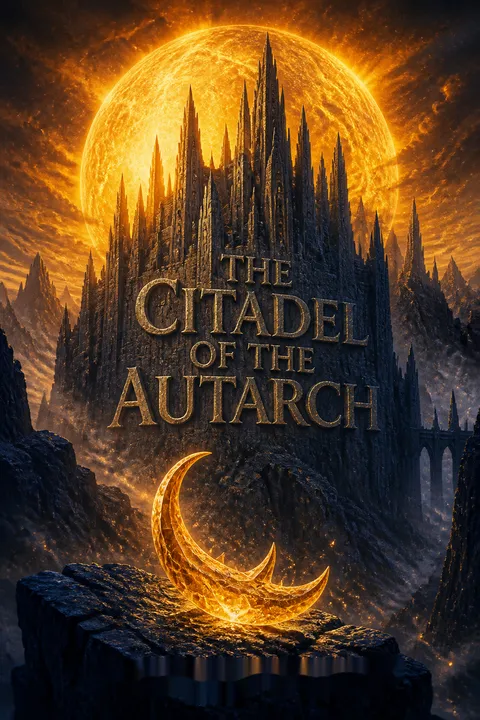
Gene Wolfe's The Citadel of the Autarch is a masterwork of speculative fiction, blending epic narrative, philosophical inquiry, and psychological depth. At its core, the novel is a meditation on the nature of identity, memory, and the possibility of redemption. Severian's journey—from torturer to wanderer, healer, and ultimately Autarch—is both intensely personal and universally resonant, reflecting the struggles of all who seek meaning in a world marked by suffering and change. The novel's structure—layered with stories, dreams, and visions—invites the reader to question the boundaries between self and other, past and present, reality and symbol. The Claw, as both relic and metaphor, embodies the ambiguity of faith and the power of belief to shape reality. Wolfe's use of language, narrative complexity, and psychological insight make The Citadel of the Autarch a profound exploration of the human condition, offering no easy answers but insisting on the necessity of compassion, memory, and the continual search for renewal. In a modern context, the novel speaks to the challenges of leadership, the burden of history, and the hope that even in the darkest times, the possibility of a new sun—a new beginning—remains.
Review Summary
The Citadel of the Autarch concludes Gene Wolfe's acclaimed tetralogy with mixed reactions. Readers praise its literary complexity, dense symbolism, and masterful world-building that blends science fiction and fantasy. Many compare it favorably to Dune and recommend reading all four books consecutively, noting the series rewards rereading due to its unreliable narrator and layered meanings. The finale ties together mysteries while raising new questions. Critics appreciate Wolfe's prose and ambition but some find the narrative meandering, overly complex, or unsatisfying. Most agree it's challenging literature requiring careful attention, though opinions vary on whether it achieves masterpiece status.
People Also Read
Characters
Severian
Severian is the protagonist and narrator, a former apprentice of the torturers' guild who becomes a wanderer, healer, and ultimately the Autarch of the Commonwealth. Haunted by memories—his own and those of Thecla, whose consciousness he carries—Severian is a man divided, struggling to reconcile his past with his present. His journey is marked by acts of mercy and violence, love and loss, and a growing awareness of his unique role as a mediator between life and death, past and future. Severian's psychological complexity is rooted in his capacity for empathy, his burden of memory, and his longing for redemption. His relationships—with Dorcas, Jonas, Thecla, and others—are fraught with longing and regret, and his development is a continual process of self-discovery and transformation.
Thecla
Thecla is an exultant woman whose consciousness is absorbed by Severian after he consumes her flesh in a ritual. She becomes an integral part of Severian's psyche, offering wisdom, longing, and a feminine perspective that complicates his identity. Thecla's presence is both a comfort and a torment, a reminder of love lost and the possibility of transformation. Her memories and desires shape Severian's actions, and her voice is a constant companion in his journey. Thecla represents the enduring power of memory, the complexity of identity, and the possibility of redemption through suffering and love.
Miles/Jonas
Miles is the soldier Severian revives with the Claw, later revealed to be connected to Jonas, Severian's lost friend. Jonas is a cyborg, a man out of time, whose longing for wholeness and love mirrors Severian's own. The resurrection of Miles/Jonas raises questions about the nature of identity, the possibility of transformation, and the boundaries between life and death. His relationship with Severian is marked by ambiguity, longing, and the search for meaning. Jonas's journey is one of exile and return, a quest for healing that parallels Severian's own.
Dorcas
Dorcas is a woman resurrected by Severian, who becomes his companion and lover. Haunted by memories of a past life and the trauma of her resurrection, Dorcas embodies the pain of loss and the difficulty of returning to the world. Her relationship with Severian is marked by tenderness and misunderstanding, and her eventual departure is a source of profound grief. Dorcas represents the fragility of love, the burden of memory, and the necessity of letting go.
Foila
Foila is a wounded soldier in the lazaret, whose beauty and spirit inspire a contest among her suitors. She is both a prize and a judge, using storytelling as a means of agency and survival. Foila's intelligence, wit, and resilience make her a central figure in the community of the lazaret, and her ultimate fate is a testament to the randomness and cruelty of war. Her character explores themes of love, choice, and the power of narrative to shape identity and destiny.
Melito
Melito is another patient in the lazaret, a hoplite whose wit and storytelling skills make him a contender for Foila's hand. His tales are marked by irony and self-awareness, and his love for Foila is both genuine and tragic. Melito's character is a study in the ways humor and narrative can be used to cope with suffering, and his fate is a reminder of the fragility of hope in a world at war.
Hallvard
Hallvard is a soldier from the southern isles, whose story of family, betrayal, and survival reflects the harsh realities of his homeland. He is strong, honest, and deeply rooted in tradition, offering a counterpoint to the cleverness of Melito and the idealism of Foila. Hallvard's character explores themes of loyalty, inheritance, and the enduring power of love and loss.
The Ascian Prisoner
The Ascian is a prisoner in the lazaret, able to speak only in approved slogans and proverbs. His presence is both comic and tragic, exposing the limitations of language and the resilience of the human spirit. Through his parable of the just man, the Ascian reveals the ways in which conformity can be both a prison and a means of survival. His character is a meditation on the power of language, the nature of oppression, and the possibility of resistance.
The Autarch
The Autarch is the enigmatic ruler of the Commonwealth, a man of many faces and identities. He is both sovereign and criminal, healer and destroyer, and ultimately Severian's predecessor. The Autarch's legacy is one of sacrifice and transformation: he passes his memories and personalities to Severian, making him the vessel of humanity's collective hope and despair. The Autarch's character is a study in the burdens of power, the complexity of identity, and the possibility of redemption through self-sacrifice.
Agia
Agia is Severian's old enemy, a woman of cunning, malice, and fierce will. Her hatred for Severian is matched only by her capacity for survival, and her actions are driven by a desire for revenge and power. Agia's character is a dark mirror to Severian's own, embodying the destructive potential of love turned to hate, and the ways in which trauma can shape destiny.
Plot Devices
The Claw of the Conciliator
The Claw is a mysterious artifact with the power to heal, resurrect, and inspire awe. Its true nature is ambiguous: is it a source of power, or merely a symbol that channels the faith and will of its bearer? The Claw serves as a catalyst for Severian's journey, marking him as a figure of destiny and connecting him to the larger cosmic drama of Urth. Its presence raises questions about the nature of miracles, the relationship between symbol and reality, and the possibility of redemption.
Duality and Memory
Throughout the narrative, Severian is haunted by memories—not only his own, but those of Thecla, Jonas, and eventually the Autarch. This blurring of identities is both a psychological and metaphysical device, exploring the nature of selfhood, the persistence of memory, and the possibility of transformation. The merging of consciousnesses is both a source of strength and a burden, forcing Severian to confront the limits of individuality and the necessity of empathy.
Storytelling and Parable
The use of stories—told by Foila, Melito, Hallvard, the Ascian, and others—serves as a means of survival, connection, and reflection. These tales are not mere diversions, but mirrors of the characters' inner lives and the larger themes of the narrative. The storytelling contest in the lazaret is a microcosm of the world, exploring the power of narrative to shape identity, assert agency, and offer hope in the face of suffering.
Time and Destiny
The structure of the novel is marked by nonlinear movement through time—visions, dreams, and journeys to places outside of ordinary reality. Encounters with figures like Ash, the anchorite from the future, and the Hierodules, beings who move through time, reinforce the sense that Severian's journey is both personal and cosmic. The narrative structure itself becomes a meditation on fate, free will, and the possibility of renewal.
Symbolism and Allegory
The novel is rich in symbolism—the Claw, the sea, the Last House, the stories told in the lazaret—all serve as allegories for larger truths. The boundaries between literal and metaphorical are constantly blurred, inviting the reader to seek meaning beneath the surface of events. The narrative is both a personal journey and a cosmic allegory, exploring themes of death and resurrection, exile and homecoming, and the eternal cycle of decay and renewal.
Solar Cycle Series
About the Author

Download PDF
Download EPUB
.epub digital book format is ideal for reading ebooks on phones, tablets, and e-readers.








































