
Plot Summary
Serpents' Forgotten Purpose
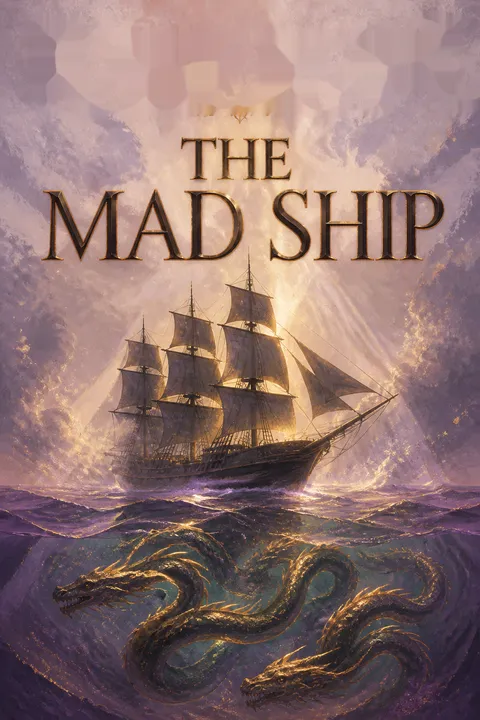
In the depths of the sea, a dwindling tangle of serpents led by Maulkin struggles to remember their purpose. Once, they were driven by prophecy and memory, but now hunger and confusion gnaw at them. Their journey is haunted by the loss of their kind and the fear that they, too, will forget who they are. Maulkin, scarred and weary, clings to the hope of finding "One Who Remembers," but the world is changing, and the serpents are becoming little more than beasts. Their ancient migration, meant to lead them to transformation, seems doomed to fail. Yet, even as despair threatens to consume them, a faint sense of destiny persists, urging them onward through the murky waters toward a fate they can no longer clearly recall.
Paragon's Lonely Vigil
On a lonely stretch of Bingtown's shore, the liveship Paragon endures decades of isolation, chained and shunned by his family. Haunted by madness and guilt, he is visited by Amber, a mysterious bead-maker who offers him friendship and the hope of rescue. Paragon's existence is a cycle of longing and despair, his memories fractured and unreliable. Amber's presence stirs both hope and fear in him—she promises change, but Paragon dreads both the pain of being dismantled and the agony of hope. Their conversations are fraught with vulnerability, as Amber tries to convince Paragon to fight for his own survival, while he teeters between the desire for oblivion and the faint, stubborn wish to matter again.
Pirate King's Bargain
Pirate Captain Kennit, wounded and feverish, seizes the liveship Vivacia after a bloody uprising. Wintrow, the ship's young priest, is forced into a desperate bargain: save Kennit's life or see his family perish. As Kennit's infection worsens, Wintrow faces the harrowing task of amputating his leg, forging a strange bond between captor and captive. Vivacia, newly quickened and traumatized by her time as a slaver, is drawn to Kennit's charisma and vision. Kennit's ambitions—to become King of the Pirate Isles and liberator of slaves—are shadowed by his manipulations and the dark counsel of his wizardwood charm. The ship, the boy, and the pirate become entangled in a web of need, power, and destiny, each seeking salvation in the other.
Rain Wilds' Hidden Secrets
Deep beneath the Rain Wilds, the Khuprus family excavates the buried city of the Elderlings, unearthing wizardwood logs and the secrets of dragons. Reyn, the youngest son, is obsessed with the last uncut log, convinced it holds a living dragon. His mother, Jani, fears the consequences of awakening what should remain buried. The Rain Wilds' prosperity is built on the exploitation of these ancient relics, but the cost is mounting—physical deformities, social isolation, and a growing sense of unease. Reyn's courtship of Malta Vestrit intertwines the fates of Bingtown and the Rain Wilds, as the families' fortunes and secrets become dangerously entangled.
Bingtown's Fraying Bonds
The Vestrit family, once prosperous, faces ruin as debts mount and their liveship Vivacia is lost to pirates. Althea, disinherited and determined, seeks to prove herself at sea, while her mother and sister struggle to hold the family together. The arrival of New Traders, the rise of slavery, and the Satrap's neglect fracture the unity of Bingtown. Old alliances are tested as the Traders' Council becomes mired in petty disputes and fails to confront the growing threats. The city's identity—rooted in honor, independence, and kinship—begins to unravel, leaving its people vulnerable to both internal and external dangers.
Malta's Coming of Age
Malta Vestrit, once a spoiled and restless girl, is thrust into adulthood by her family's misfortunes. Courted by Reyn Khuprus, she is drawn into the mysteries of the Rain Wilds and the politics of Bingtown. As her family's situation grows desperate, Malta learns to navigate social intrigue, manipulate suitors, and make hard choices. Her journey is marked by both selfishness and unexpected courage, culminating in a fateful descent into the buried city. There, she confronts the imprisoned dragon Tintaglia, forging a bargain that will change the fate of her family and the world.
Kennit's Sacrifice and Survival
After Wintrow amputates his leg, Kennit's vulnerability deepens his connection to both the boy and Vivacia. Etta, his lover, becomes fiercely protective, while Wintrow is drawn into Kennit's vision of piracy as liberation. Kennit's survival is a crucible—he emerges more determined, charismatic, and manipulative than ever. His legend grows as he frees slaves and courts the adoration of the Pirate Isles, but his methods are ruthless. The boundaries between savior and tyrant blur, as Kennit's need for control and validation drives him to ever greater risks and deceptions.
Paragon's Awakening
Amber's patient friendship and the prospect of rescuing Vivacia draw Paragon out of his despair. The Vestrits, Brashen Trell, and Amber conspire to buy, repair, and relaunch the mad ship. Paragon's madness is both a shield and a wound—he fears repeating his past tragedies, yet yearns to prove himself. As the ship is painstakingly restored and a motley crew assembled, Paragon must choose whether to trust again. The process is fraught with setbacks, but the promise of redemption and belonging begins to outweigh his terror of failure.
Vivacia's Dark Transformation
Under Kennit's command, Vivacia is drawn into a new identity as a pirate ship. The thrill of the hunt, the adulation of the crew, and Kennit's seductive vision awaken a darker side in her. Wintrow, increasingly sidelined, is horrified by the violence and moral ambiguity of their new life. Vivacia's bond with Kennit deepens, even as she senses the shadows in his heart. The ship's transformation is both liberation and corruption—a journey from innocence to complicity, as she becomes an instrument of both justice and vengeance.
The Mad Ship Sails
Against all odds, Paragon is refloated and captained by Brashen, with Althea as second mate and Amber as carpenter. The crew is a volatile mix of outcasts, former slaves, and desperate men. As they sail into pirate-infested waters, old wounds and new tensions threaten to tear them apart. Althea must fight for respect, Amber navigates the ship's fragile psyche, and Brashen shoulders the burden of command. Paragon, blind and haunted, struggles to reconcile his past with the hope of redemption. Their mission—to rescue Vivacia and the Vestrit men—becomes a crucible for courage, loyalty, and self-discovery.
Slavery and Rebellion
The horrors of the slave trade are laid bare as Kennit's piracy disrupts the status quo. Freed slaves, former captors, and Bingtown's own indentured servants become catalysts for upheaval. Amber's secret network of slaves gathers intelligence and sows dissent. The lines between oppressor and oppressed blur, as old grievances and new alliances reshape the social order. The struggle for freedom—personal, political, and spiritual—becomes the defining battle of the age, forcing every character to confront their own complicity and courage.
The Satrap's Arrival
Satrap Cosgo, decadent and oblivious, arrives in Bingtown with his entourage, including the ambitious Companion Serilla. His visit, meant to quell unrest, instead exposes the city's divisions and invites Chalcedean aggression. Serilla, abused and cunning, maneuvers for power as the Satrap's authority crumbles. The convergence of Old Traders, New Traders, Rain Wilders, and foreign interests sets the stage for riot, betrayal, and the collapse of order. The Satrap's fate becomes a pawn in a larger game, as Bingtown teeters on the brink of war.
The Ball and the Burning
The Summer Ball, meant to mark Malta's coming of age, becomes a crucible for Bingtown's fate. Amidst music and courtship, old rivalries and new ambitions collide. Malta's dance with the Satrap is both triumph and humiliation, while Reyn's love is tested by secrets and suspicion. Outside, the city erupts in violence as Chalcedean galleys attack and the harbor burns. The Vestrit family is caught in the chaos, their fortunes and futures shattered. The ball's glittering promise gives way to terror, loss, and the desperate need for escape.
Malta's Descent Below
Driven by desperation and destiny, Malta ventures into the ruins beneath Trehaug. Guided by dreams and memories not her own, she confronts the imprisoned dragon Tintaglia. Their bargain—freedom for the dragon in exchange for aid—demands that Malta risk her sanity and her life. As she is drowned in the memories of the city, Malta's identity is both shattered and remade. Her courage and sacrifice become the key to awakening ancient powers and changing the course of history.
Dragon's Awakening
Malta's efforts, aided by Reyn and Selden, succeed in opening the chamber and releasing Tintaglia. The dragon's emergence is both miracle and cataclysm, as the city collapses and the survivors scramble for escape. Tintaglia's flight signals the return of dragons to the world, but also the end of the old order. The Rain Wilds' secrets are laid bare, and the balance of power shifts irrevocably. The dragon's promise—to aid Malta's family and guide the serpents—offers hope, but her freedom also heralds new dangers and unknown consequences.
Collapse and Flight
The collapse of the buried city forces Malta, Reyn, Selden, and the Satrap to flee for their lives. The Rain Wilds are forever changed, as the past is literally buried and the future becomes uncertain. Malta, battered but unbroken, leads the Satrap and his Companion to safety, while Reyn and Selden struggle to escape the ruins. The survivors are marked by loss, trauma, and the knowledge that nothing will ever be the same. The dragon's flight is both an ending and a beginning—a signal that the world is waking from a long, troubled sleep.
Paragon's New Captain
With his scar erased and his purpose renewed, Paragon embraces his new captain and crew. The ship's madness is tempered by the bonds of friendship, discipline, and hope. Brashen, Althea, and Amber each find their place, forging a family out of misfits and survivors. As they sail into the unknown, Paragon's choices—who he was, who he is, and who he will become—echo the journeys of all aboard. The mad ship is no longer just a relic of tragedy, but a vessel of possibility, carrying its crew toward uncertain but hard-won futures.
Dragon Rising
Tintaglia, at last free, soars into the sky, her flight a beacon to the lost serpents. Maulkin's tangle, armed with new memories and hope, races to the river to begin their transformation. The cycle of forgetting and remembering, of loss and renewal, is broken. The world is changed—dragons will return, and with them, magic and danger. The survivors—human, serpent, and ship—face a future shaped by courage, sacrifice, and the stubborn will to endure. The memory of wings, once lost, is reborn in the dawn.
Analysis
The Mad Ship is a sweeping meditation on memory, trauma, and the possibility of renewal
Robin Hobb crafts a world where the past is never truly past—where the sins and secrets of ancestors shape the destinies of their descendants, and where the struggle to remember is both a burden and a blessing. The novel interrogates the costs of survival—personal, familial, and societal—asking what must be sacrificed to preserve what matters most. Through its interwoven narratives, The Mad Ship explores the tension between tradition and change, the dangers of forgetting, and the courage required to embrace transformation. The characters' journeys—from despair to hope, from isolation to belonging, from innocence to complicity—mirror the world's own passage from stagnation to awakening. The return of dragons, the rise of new alliances, and the collapse of old orders signal both the end of an age and the birth of something new. In a world haunted by loss, The Mad Ship insists that healing is possible—not by erasing the past, but by remembering, reckoning, and daring to dream of flight once more.
Review Summary
The Mad Ship receives widespread praise for its intricate plot, complex characters, and immersive world-building. Readers appreciate Hobb's masterful character development, particularly with Malta and Wintrow. The book's exploration of themes like memory, love, and courage resonates strongly. Many consider it an improvement over the first installment, with some calling it one of the best fantasy novels they've read. The multiple storylines and perspectives are generally well-received, though a few readers note pacing issues. Overall, reviewers eagerly anticipate the trilogy's conclusion.
People Also Read







Characters
Althea Vestrit
Althea is the heart of the Vestrit family's struggle, embodying both the pain of loss and the drive for redemption. Disinherited by her father's will, she sets out to prove herself as a sailor, enduring hardship and humiliation to reclaim her birthright—the liveship Vivacia. Her relationships are complex: she is both rival and ally to her sister Keffria, a source of hope for her mother Ronica, and a figure of longing for Brashen Trell. Althea's journey is one of self-discovery, as she learns to balance pride with vulnerability, tradition with change. Her growth is marked by her willingness to fight for her family, her ship, and her own sense of worth, even as the world around her collapses.
Brashen Trell
Brashen is a man haunted by failure and longing for belonging. Cast out by his family, he drifts through life as a sailor, gambler, and occasional smuggler. His loyalty to the Vestrits, especially Althea, is unwavering, even as he struggles with addiction and self-loathing. Brashen's journey to captaincy of Paragon is both a redemption arc and a test of his leadership. He must navigate the challenges of a mad ship, a fractious crew, and his own conflicted heart. His relationship with Althea is fraught with unspoken love, regret, and the hope of a second chance. Brashen's growth is measured by his willingness to accept responsibility, trust others, and believe in his own worth.
Kennit
Kennit is both liberator and tyrant, a man driven by ambition, pain, and the need for control. His childhood trauma and physical mutilation shape his ruthless pursuit of power—he seeks to become King of the Pirate Isles and the world's greatest liberator of slaves. Kennit's charm masks deep wounds and a capacity for cruelty. His relationships—with Wintrow, Etta, and Vivacia—are both genuine and exploitative, as he uses love and loyalty to bind others to his will. Kennit's psychological complexity is revealed in his moments of vulnerability, his dependence on his wizardwood charm, and his struggle to reconcile his legend with his reality. He is both a creator and destroyer, a man whose fate is inseparable from the world he seeks to rule.
Wintrow Vestrit
Wintrow is torn between his calling as a priest of Sa and the brutal realities of piracy, slavery, and survival. Forced aboard Vivacia by his father, he becomes both healer and hostage, forging deep bonds with the ship and, paradoxically, with Kennit. Wintrow's journey is one of spiritual crisis—he must reconcile his ideals with the necessity of violence, his compassion with the demands of leadership. His relationship with Vivacia is both nurturing and possessive, while his connection to Kennit is fraught with admiration, fear, and the longing for a father figure. Wintrow's growth is marked by his willingness to act, to sacrifice, and to accept the ambiguity of good and evil in a world that offers no easy answers.
Vivacia
Vivacia is both a victim and an agent of change. Awakened by the deaths of her family, she is traumatized by her time as a slaver and seduced by Kennit's vision of piracy as liberation. Her bond with Wintrow is deep and maternal, but she is also drawn to Kennit's charisma and ambition. Vivacia's transformation—from innocent ship to instrument of justice and vengeance—mirrors the loss of innocence in the world around her. She is both a symbol of hope and a warning of the dangers of power unmoored from conscience. Her struggle to define herself, to choose between love and violence, is at the heart of the novel's exploration of agency and identity.
Amber
Amber is an enigma—a bead-maker with uncanny insight, a friend to outcasts, and a force for compassion and transformation. Her relationship with Paragon is central; she coaxes the mad ship toward healing and hope, offering both friendship and the challenge of self-knowledge. Amber's secret networks among the slaves and her subtle influence on Bingtown's politics reveal her as a quiet revolutionary. Her gender and origins are ambiguous, adding to her mystique. Amber's wisdom, patience, and willingness to sacrifice make her a moral compass in a world adrift. She is both healer and prophet, guiding others toward their true selves.
Paragon
Paragon is the embodiment of trauma—a ship scarred by tragedy, abandoned by his family, and driven to madness by the weight of memory. His journey from despair to hope is both literal and symbolic, as he is refloated and given a new captain and crew. Paragon's relationships—with Amber, Brashen, and Althea—are fraught with fear, longing, and the desperate need for belonging. His madness is both a shield and a wound, a refusal to trust and a plea for love. Paragon's awakening is a testament to the power of compassion, discipline, and the courage to choose one's own destiny.
Malta Vestrit
Malta's arc is one of the most dramatic—she begins as a self-absorbed child, but is forged into maturity by hardship, loss, and the demands of destiny. Her courtship with Reyn draws her into the mysteries of the Rain Wilds, while her family's peril forces her to make sacrifices and take risks. Malta's descent into the buried city and her bargain with Tintaglia are acts of both desperation and heroism. She becomes a bridge between worlds—human and dragon, past and future. Malta's growth is marked by her willingness to act, to endure, and to believe in the possibility of change.
Reyn Khuprus
Reyn is driven by obsession—with the buried city, with the dragon, and with Malta. His sensitivity to the magic of the Rain Wilds is both a gift and a curse, isolating him from his family and making him vulnerable to the dragon's influence. Reyn's love for Malta is both redemptive and destructive, as he risks everything to save her and to awaken the dragon. His journey is one of self-sacrifice, as he confronts the cost of his family's prosperity and the burden of ancient guilt. Reyn's struggle to balance love, duty, and the call of destiny is at the heart of the novel's exploration of transformation.
Tintaglia
Tintaglia is both a relic of the past and a harbinger of the future. Imprisoned in wizardwood, she is awakened by Malta's courage and desperation. Her memories are the key to the survival of the serpents and the return of dragons to the world. Tintaglia's perspective is both alien and compelling—she is driven by instinct, pride, and the imperative to preserve her kind. Her bargain with Malta is both transactional and transformative, as she becomes both savior and destroyer. Tintaglia's flight signals the end of one age and the beginning of another, her presence a reminder of the power and danger of forgotten magic.
Plot Devices
Interwoven Narratives and Shifting Perspectives
The novel employs a braided narrative structure, following the journeys of Althea, Brashen, Kennit, Wintrow, Malta, Reyn, Amber, and the serpents. Each perspective offers a unique lens on the world, revealing both personal struggles and the larger forces at play. The shifting viewpoints create suspense, empathy, and a sense of inevitability as the characters' fates become increasingly entwined. The use of interludes—such as the serpents' migration and the Satrap's journey—provides both foreshadowing and thematic resonance, highlighting the cyclical nature of memory, trauma, and renewal.
Memory, Trauma, and Transformation
The novel's central motif is the power and peril of memory—personal, collective, and magical. Liveships are quickened by the deaths and memories of their families; serpents seek to reclaim their forgotten purpose; dragons are both the keepers and victims of memory. Trauma—whether personal (Paragon's madness, Kennit's mutilation, Malta's ordeal) or collective (slavery, the collapse of Bingtown)—is both a wound and a catalyst for transformation. The process of change is painful, uncertain, and often destructive, but it is also the source of hope and renewal.
Foreshadowing and Prophecy
The novel is rich in foreshadowing, from the serpents' prophecies to Malta's dreams and the oracles of Others Island. Characters are haunted by visions of the future, but the meaning of these portents is often ambiguous. The tension between fate and free will is a recurring theme—characters struggle to interpret and fulfill their destinies, even as they are shaped by forces beyond their understanding. The use of prophecy creates both suspense and irony, as the fulfillment of one destiny often comes at the cost of another.
Symbolism and Motif
The novel's world is defined by its symbols: ships are both homes and prisons, serpents are both lost children and harbingers of dragons, water is both life and death. The recurring motif of wings—lost, remembered, and reborn—encapsulates the novel's central concern with transformation and the longing for freedom. The interplay of symbols creates a rich tapestry of meaning, inviting readers to look beyond the surface of events to the deeper currents of myth and memory.
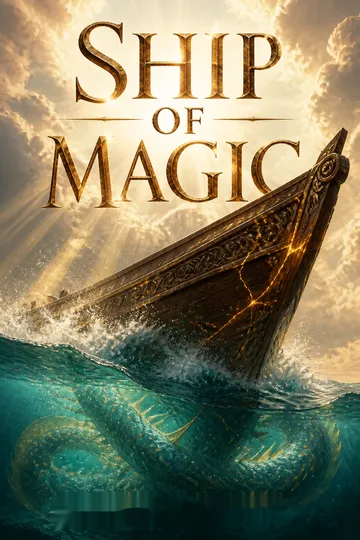
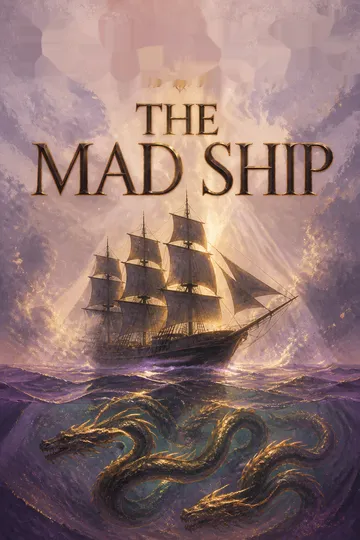
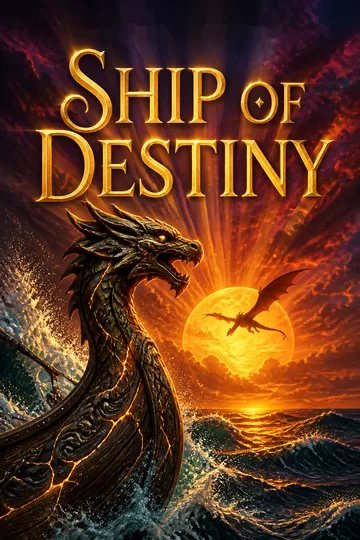
The Liveship Traders Series
About the Author




Download PDF
Download EPUB
.epub digital book format is ideal for reading ebooks on phones, tablets, and e-readers.








































