
Plot Summary
Threads of Destiny Unravel
Maia Tamarin, the youngest child of a once-renowned tailor, grows up in a family fractured by war and grief. Her mother's death and her brothers' conscription leave Maia as the last hope for her father's failing shop. Though tradition bars her from becoming a master tailor because she is a girl, Maia's heart is set on the craft. She dreams of greatness, but the world's expectations and her family's suffering weigh heavily on her. The story's emotional core is established: a longing for wholeness, the ache of loss, and the stubborn hope that one's fate can be sewn anew.
A Daughter's Secret Ambition
As her father's health declines and her brothers are lost to war, Maia shoulders the burden of the family business. When the emperor's court calls for a tailor, Maia seizes the chance to fulfill her dream—by disguising herself as her brother. The risk is immense: exposure means death, but failure means her family's ruin. Maia's resolve is tested by poverty, societal scorn, and the threat of an unwanted marriage. Her ambition is not just for herself, but for the survival and dignity of those she loves.
The Emperor's Summons
An imperial messenger arrives, demanding Maia's father present himself at the palace. With her father too frail and her brother unable, Maia makes a fateful decision: she will go in disguise. Cutting her hair and donning her brother's clothes, she leaves home, carrying her family's hopes and a pair of mysterious scissors. The journey to the Summer Palace is fraught with anxiety and anticipation, as Maia steps into a world of power, intrigue, and danger, determined to prove her worth.
Disguised Among Rivals
Maia arrives at the palace to find herself one of twelve tailors competing for the coveted position of imperial tailor. The competition is fierce, the other tailors seasoned and ruthless. She must hide her identity while excelling in a series of challenges, each designed to test creativity, speed, and mastery. The palace is a labyrinth of politics and secrets, and Maia's every move is scrutinized. Her only allies are her skill, her wits, and the enigmatic Lord Enchanter, Edan, whose interest in her is both a blessing and a threat.
The Trial of Needles
The first challenge—a shawl for the emperor's bride—ends in sabotage, as Maia's work is ruined by jealous rivals. Desperate, she discovers her grandmother's scissors are enchanted, guiding her hands to create a masterpiece overnight. The magic is intoxicating but dangerous, and Maia is torn between pride in her talent and fear of discovery. Her victory earns her both admiration and enmity, and she realizes that in the palace, skill alone is not enough—one must also survive the schemes of others.
Magic in the Shadows
As the competition narrows, Maia faces increasing hostility and sabotage. The enchanted scissors become her secret weapon, but their use comes at a cost: suspicion, guilt, and the risk of exposure. Edan, the Lord Enchanter, becomes both mentor and confidant, seeing through her disguise and offering cryptic guidance. Their bond deepens, complicated by secrets and the ever-present threat of the emperor's wrath. Maia learns that magic is woven through the palace's very fabric, and that her own fate is tied to forces beyond her understanding.
The Oath and the Enchanter
Edan reveals his true nature: bound by an ancient oath, he is both powerful and enslaved, his magic at the emperor's command. Maia's feelings for him grow, even as she learns the cost of his servitude and the dangers of magic. The palace becomes a crucible for their relationship, as trust, longing, and fear intertwine. Maia's identity is increasingly precarious, and the stakes of the competition rise. The emotional arc intensifies, as love and ambition threaten to unravel everything Maia has fought for.
Rivalry, Sabotage, and Survival
The challenges become more perilous, culminating in sabotage, fire, and violence. Maia's rivals resort to treachery, and she is gravely injured. Edan's magic saves her, but the cost is high: suspicion, isolation, and the knowledge that her success is as much due to magic as to skill. The competition is whittled down to Maia and her most dangerous rival, Norbu, whose own use of magic is revealed. The palace is a nest of secrets, and Maia must decide how far she will go to win—and what she is willing to lose.
The Impossible Three Dresses
With the competition won, Maia is given an impossible commission: to create three legendary dresses, each made from the laughter of the sun, the tears of the moon, and the blood of stars. The task is a death sentence—no one has ever succeeded, and many have died trying. The emperor's peace, Maia's family, and her own life depend on her success. Edan is ordered to accompany her on a perilous journey across the continent, and together they set out to gather the impossible materials.
Journey Across A'landi
Maia and Edan's journey takes them through deserts, mountains, and haunted isles. They face natural and supernatural dangers: deadly spiders, enchanted temples, ghosts, and demons. Along the way, Maia's skills are tested as never before, and her bond with Edan deepens into love. The journey is as much internal as external, as Maia confronts her fears, her past, and the limits of her own power. The world expands, revealing the cost of magic and the weight of destiny.
Sunlight, Moonlight, Starlight
Each dress requires a trial: Maia braves the burning sun to capture sunlight, climbs a mountain for moonlight, and faces ghosts and a demon to obtain the blood of stars. The challenges are grueling, pushing her to the brink of death and beyond. Edan's own burdens grow heavier, as his magic wanes and the curse of his oath threatens to consume him. Their love is tested by sacrifice, fear, and the knowledge that their time together may be short.
Ghosts and Demons Awaken
On the haunted isles, Maia faces a demon who preys on her deepest desires and fears, offering her the chance to undo her losses in exchange for her soul. She resists, but not without scars. The encounter leaves her marked, and the threat of becoming a demon herself looms. Edan sacrifices himself to save her, bargaining with the demon for her freedom. The emotional climax is raw: love, loss, and the terror of oblivion entwine as Maia and Edan are forced to part.
The Price of Power
Maia completes the dresses and returns to the palace, her identity as a woman revealed. The emperor, threatened by her power and Edan's freedom, seeks to control them both. The dresses are more than garments—they are vessels of magic, capable of changing fate itself. Maia bargains with the goddess Amana, sacrificing her own future to free Edan from his oath. The cost is steep: she is marked for a fate worse than death, and her love is doomed to separation.
Love and Sacrifice
Maia and Edan's reunion is bittersweet. Though free, Edan must leave to seek a way to protect Maia from the demon's curse. Their love is fierce, but the world conspires to keep them apart. Maia returns home briefly, seeking solace in her family, but the shadow of her sacrifice haunts her. The emotional arc reaches its zenith: love, loss, and the hope that even in darkness, light can be spun from pain.
The Emperor's Court Revealed
The emperor's true nature is revealed: his power is built on the magic he siphons from Edan, and his rule is maintained through fear and manipulation. Maia's triumph as a tailor is hollow, as she realizes the cost of ambition and the emptiness of power without love. The court is a place of masks and illusions, and Maia must navigate its dangers with courage and cunning.
The Goddess's Bargain
Maia bargains with the goddess Amana, trading her own soul for Edan's freedom. The dresses become instruments of fate, their magic both blessing and curse. Maia's sacrifice is both selfless and desperate, a final act of love that ensures Edan's survival but dooms her to a slow transformation into something monstrous. The goddess's mercy is ambiguous, and the line between salvation and damnation blurs.
The Final Stitch
Maia's journey comes full circle: she returns home, changed and marked by her trials. Her family is healed, but she is not. The cost of magic, love, and ambition is laid bare. The dresses are complete, but Maia's fate is uncertain. The story ends on a note of hope and sorrow, as Maia prepares to face whatever comes next, her heart both broken and unbreakable.
Fate's Unraveling End
The tale closes with Maia reflecting on the nature of fate, love, and sacrifice. She has lost much, but gained a deeper understanding of herself and the world. The threads of her life are frayed, but not severed. The story's emotional resonance lingers: even in darkness, the possibility of light endures, and the power to shape one's destiny remains—if only one dares to pick up the needle and begin again.
Analysis
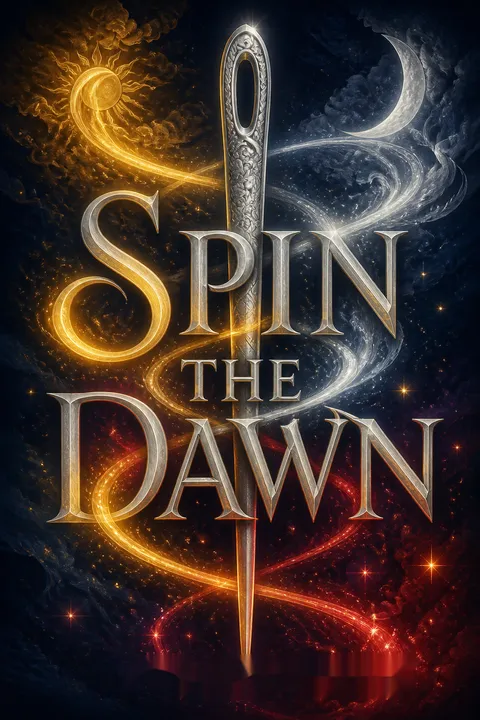
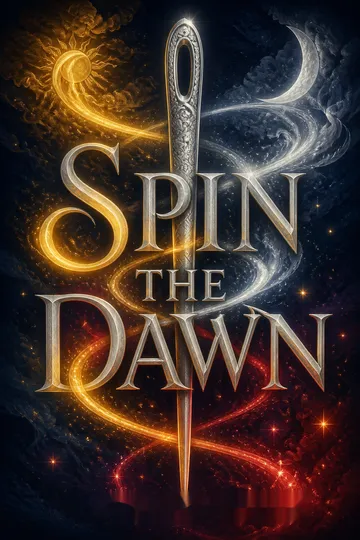
Spin the Dawn is a tapestry of myth, romance, and self-discovery, woven with threads of ambition, love, and sacrifice. At its heart, the novel interrogates the boundaries imposed by tradition—gender, class, fate—and the courage required to transcend them. Maia's journey is both external and internal: she must master her craft, outwit her rivals, and survive supernatural trials, but her greatest challenge is claiming her own identity and agency. The story's use of magical objects and mythic quests serves as a metaphor for the costs and temptations of power: every shortcut, every bargain, comes with a price. The romance between Maia and Edan is both a source of strength and a crucible of pain, illustrating the paradox that love can be both liberating and binding. The novel's conclusion is bittersweet: triumph is inseparable from loss, and every victory is shadowed by sacrifice. Yet, the story insists on hope—the belief that even in darkness, one can spin light, and that the threads of destiny, though tangled, can be rewoven by those brave enough to pick up the needle. Spin the Dawn ultimately teaches that true mastery—of craft, of fate, of self—requires not just talent, but heart, resilience, and the willingness to pay the price for what matters most.
Review Summary
People Also Read




Characters
Maia Tamarin
Maia is the heart of the story: a gifted tailor, fiercely loyal daughter, and dreamer who refuses to accept the limits placed on her by gender and circumstance. Her journey is one of transformation—both literal and emotional—as she disguises herself as a boy to compete for the role of imperial tailor. Maia's psyche is shaped by loss, love, and the relentless drive to prove herself. Her relationship with Edan awakens her to the complexities of power, sacrifice, and desire. Over the course of the story, Maia evolves from a dutiful daughter to a woman who claims her own destiny, even at great personal cost. Her courage, vulnerability, and stubborn hope make her a deeply relatable and inspiring protagonist.
Edan (Lord Enchanter)
Edan is the emperor's Lord Enchanter, bound by an ancient oath that grants him immense power but enslaves him to the emperor's will. Charismatic, witty, and mysterious, Edan is both mentor and romantic interest for Maia. His internal conflict—between duty and desire, power and freedom—mirrors Maia's own struggles. Edan's love for Maia is transformative, leading him to risk everything for her. His psychological depth is revealed through his loneliness, his longing for connection, and his willingness to sacrifice himself. Edan's journey is one of redemption and self-discovery, as he seeks to break free from the chains of magic and fate.
Emperor Khanujin
The young emperor is both a symbol of hope and a source of oppression. Charismatic and handsome, his power is revealed to be a product of Edan's magic, and his rule is maintained through manipulation and fear. Khanujin's relationship with Maia is complex: he is both benefactor and antagonist, offering her opportunity while threatening her autonomy. His psychological makeup is marked by insecurity, ambition, and a willingness to sacrifice others for his own ends. The emperor embodies the dangers of unchecked power and the hollowness of glory without compassion.
Lady Sarnai
The shansen's daughter, Lady Sarnai, is a figure of strength, pride, and vulnerability. Forced into marriage to secure peace, she resists the roles imposed on her, chafing against both the emperor's court and her father's expectations. Her relationship with Maia is fraught: rival, client, and mirror. Sarnai's psychological complexity is revealed in her bitterness, her longing for agency, and her hidden compassion. She is both victim and agent of fate, her choices shaping the story's outcome.
Norbu
Norbu is Maia's most dangerous competitor, a master tailor who resorts to sabotage and dark magic to win. His actions are driven by envy, pride, and a ruthless desire for power. Norbu's psychological profile is marked by insecurity and a willingness to destroy others to secure his own success. He serves as a cautionary figure, embodying the perils of unchecked ambition and the corrosive effects of jealousy.
Baba (Kalsang Tamarin)
Maia's father is a once-great tailor, now frail and haunted by grief. His relationship with Maia is tender but strained, as he struggles to accept her ambition and the changing world. Baba's psychological wounds run deep, but his love for his children is unwavering. He represents the cost of war, the pain of loss, and the quiet strength of those who endure.
Keton
Maia's surviving brother, Keton, returns from war physically and emotionally scarred. His relationship with Maia is one of mutual support and gentle teasing. Keton's journey is one of healing, as he learns to walk again and reclaim hope. He embodies the story's themes of survival, adaptation, and the enduring bonds of family.
Bandur (The Demon)
Bandur is the story's most sinister antagonist: a demon who preys on Maia's deepest desires and fears. Once an enchanter, now cursed to guard the haunted isles, Bandur is both tempter and tormentor. His psychological makeup is defined by bitterness, cunning, and a hunger for souls. He represents the dangers of unchecked power, the seduction of shortcuts, and the price of bargains with darkness.
Ammi
Ammi is a palace maid who befriends Maia, offering warmth, support, and a glimpse of normalcy amid the palace's intrigue. Her presence grounds Maia, reminding her of the value of friendship and the importance of small acts of kindness. Ammi's role, though minor, is psychologically significant: she represents the world Maia is fighting to protect.
Lady Sarnai's Father (The Shansen)
The shansen is a looming presence: powerful, ruthless, and driven by his own code of honor. His decision to marry off his daughter for peace is both pragmatic and cruel. The shansen's psychological complexity is revealed through his relationship with Sarnai, his use of magic and demons, and his willingness to sacrifice others for the greater good—or his own ambition.
Plot Devices
Disguise and Identity
Maia's disguise as her brother is the story's central device, enabling her to enter a world forbidden to women. The tension between appearance and reality drives much of the plot, as Maia navigates the dangers of exposure and the liberation of self-assertion. The device is used to explore themes of gender, power, and authenticity, and is mirrored in the palace's culture of masks and secrets.
Magical Objects and Enchantment
The enchanted scissors, the three legendary dresses, and Edan's amulet are key plot devices. Each object is imbued with magic that both aids and endangers the characters. The scissors symbolize the inheritance of power and the double-edged nature of magic; the dresses are vessels of fate, capable of changing the world; the amulet is both a shackle and a key. These devices structure the narrative, providing goals, obstacles, and sources of conflict.
Trials and Quests
The story is organized around a series of trials: the tailoring competition, the quest for the three dresses, and the internal trials of love, loss, and sacrifice. Each trial tests a different aspect of Maia's character—skill, courage, endurance, and heart. The structure echoes classic hero's journeys, with foreshadowing and callbacks to myth and legend.
Bargains and Sacrifice
Bargains—with the emperor, with Edan, with the goddess, and with the demon—drive the plot and force characters to confront the price of their desires. Sacrifice is a recurring motif: Maia sacrifices her safety, her future, and ultimately her soul for those she loves. The device is used to explore the limits of agency, the dangers of shortcuts, and the redemptive power of selflessness.
Foreshadowing and Fate
The story is rich in foreshadowing: dreams, legends, and prophecies hint at future events and the consequences of choices. Fate is both a comfort and a curse, and the tension between destiny and free will is a central theme. The narrative structure is cyclical, with the ending echoing the beginning, suggesting that the story's threads are never truly cut.
The Blood of Stars Series

About the Author
Other books by Elizabeth Lim

Download PDF
Download EPUB
.epub digital book format is ideal for reading ebooks on phones, tablets, and e-readers.








































