
Plot Summary
Storm Over Skeleton Key
On the storm-lashed Cuban island of Skeleton Key, a clandestine exchange unfolds. General Alexei Sarov, a cold, calculating ex-Soviet officer, acquires a kilogram of weapons-grade uranium from two Eastern European smugglers. The deal is tense, with threats and double-crosses. Sarov, anticipating betrayal, orchestrates their deaths by luring their plane into a swamp, where crocodiles finish the job. The uranium, now in Sarov's hands, is destined for a purpose far greater than simple destruction—he dreams of reshaping the world. The island's isolation and the general's ruthless efficiency set the stage for a global threat, as the storm outside mirrors the gathering storm of Sarov's ambitions.
Wimbledon's Shadowy Intruder
Alex Rider, a fourteen-year-old with a spy's past, tries to return to normalcy, playing football and dreaming of school matches. But MI6's Crawley approaches him with a seemingly innocent offer: become a ballboy at Wimbledon. The real reason is a mysterious break-in by a Chinese intruder, raising fears of sabotage. Alex, wary of being used again, is drawn in by the promise of a front-row seat at the world's most prestigious tennis tournament. The glamour of Wimbledon masks a deeper unease, as Alex senses that beneath the strawberries and tradition, something sinister is brewing—his instincts as a reluctant spy are once again awakened.
Poisoned Waters, Poisoned Games
As a ballboy, Alex witnesses strange behavior: a security guard with a red circle tattoo, suspicious phone calls, and top players suddenly losing form. He follows the guard, discovering a plot to drug competitors via water dispensers, orchestrated by the Chinese triad "Big Circle" to rig gambling outcomes. Alex's pursuit leads him into a deadly trap beneath the stadium, where he narrowly survives an attack and locks his assailant in a freezer. The authorities hush up the scandal, but Alex's actions have exposed him to the triad's wrath. The innocence of Wimbledon is shattered, and Alex's brief return to normal life is over—he is marked for death.
Deadly Surf and Triad Vengeance
Seeking respite, Alex joins his friend Sabina's family in Cornwall. But the triad's vengeance follows him: during a legendary surf on the Cribber, a jet ski rider tries to kill him. Sabina's quick thinking saves Alex from drowning, but the attack confirms that he is a target. MI6 intervenes, explaining the triad's code of guan-shi—hurt one, hurt all. Alex cannot return home; his only escape is to vanish. The ocean's power and the triad's reach leave Alex feeling isolated, hunted, and forced once more into the world of espionage, where safety is an illusion and every wave may hide an assassin.
MI6's Reluctant Pawn
MI6 offers Alex a way out: join a CIA operation in Cuba, posing as the son in a fake American family. The mission is presented as a simple surveillance job—enjoy the sun while the agents investigate General Sarov. But Alex senses deeper motives and hidden dangers. He is equipped with gadgets by Smithers, including a disguised Geiger counter and a stun grenade. The "holiday" is a thin cover for a high-stakes operation, and Alex, though only a teenager, is once again a pawn in the games of powerful adults. The promise of safety is hollow; the real stakes are global.
Miami: Family of Strangers
In Miami, Alex is introduced to agents Tom Turner and Belinda Troy, who resent his presence and doubt his usefulness. Their cover as a family is strained and unconvincing. Turner is a hardened operative; Troy is sharp and skeptical. The trio must bond quickly before traveling to Cuba, but trust is in short supply. Turner's undercover dealings with a criminal known as the Salesman hint at a connection to Sarov's uranium purchase. The tension between Alex and his "parents" foreshadows the dangers ahead, as the lines between family, duty, and survival blur in the heat of Miami.
The Salesman's Last Deal
Turner's meeting with the Salesman on his yacht turns into a deadly ambush. Alex, acting on instinct, sets the boat on fire to create a diversion and uses his gadget to incapacitate the Salesman, rescuing Turner. The escape is chaotic, culminating in the yacht's destruction—an explosion orchestrated not by Alex, but by Sarov's assassin, Conrad. Turner and Troy blame Alex for the deaths, deepening the rift between them. The episode exposes the ruthlessness of Sarov's network and the fragility of the CIA's operation. Alex's resourcefulness saves lives, but also marks him as a liability and a scapegoat.
Into the Cuban Suntrap
The fake family lands on Cayo Esqueleto, navigating tight Cuban security with forged documents and hidden gadgets. The island is a paradise on the surface, but surveillance is everywhere. Alex discovers the Game Boy he was given is a Geiger counter, confirming suspicions of nuclear material. Turner and Troy's real mission is revealed: find Sarov's bomb. The tension between the agents and Alex persists, but necessity forces them to include him in their plans. The beauty of the island is a mask for danger, as the hunt for the bomb begins.
Nuclear Secrets Unveiled
Alex learns that Sarov has acquired uranium and is building a nuclear device. The CIA's plan is to infiltrate Sarov's fortress-like estate, Casa de Oro, via an underwater cave known as the Devil's Chimney. Turner and Troy, with Alex as cover, prepare for a covert dive. The mission is fraught with risk—Sarov's security is formidable, and the agents' confidence is misplaced. The revelation of Sarov's ambitions and the presence of a nuclear bomb raise the stakes from espionage to potential global catastrophe. Alex is drawn deeper into the heart of the conspiracy, where failure means disaster.
The Devil's Chimney Descent
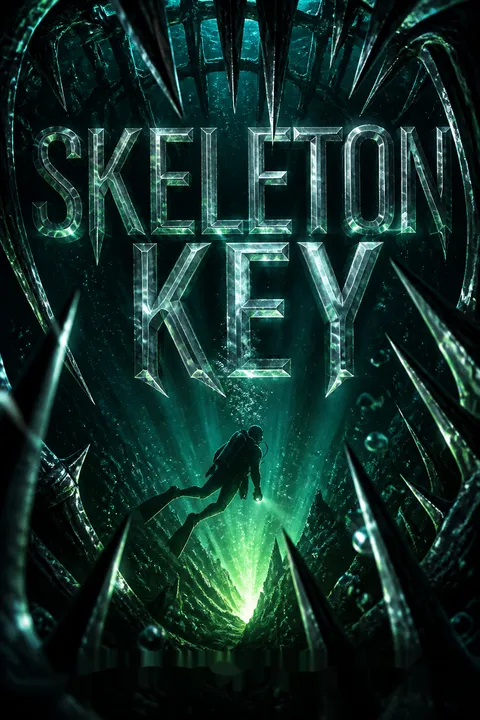
Turner and Troy dive into the Devil's Chimney, leaving Alex on the boat. When they fail to return, Alex bravely follows, only to encounter a great white shark and a lethal security system—metal spikes triggered by intruders. He narrowly escapes, realizing the agents are dead and Sarov's defenses are impenetrable. Captured by Sarov's men, Alex is drugged and taken prisoner. The descent into the cave mirrors Alex's plunge into danger and isolation. The loss of his allies and the brutality of Sarov's methods leave Alex alone, vulnerable, and at the mercy of a man with apocalyptic ambitions.
Sarov's Golden Prison
Awakening in the opulent Casa de Oro, Alex meets Sarov, who reveals a chilling plan: he wants to adopt Alex as his son, seeing in him the ghost of his own lost child. Sarov's charisma and intelligence are matched by his fanaticism. Alex is both guest and prisoner, given privileges but watched constantly. The estate's history as a slave plantation underscores the themes of captivity and lost innocence. Sarov's twisted paternal affection is both a shield and a threat, as Alex realizes he is being groomed for a role in Sarov's new world order.
The General's Lost Son
Sarov shares his life story: a patriot, a general, a father broken by the loss of his son Vladimir in Afghanistan. His grief has curdled into a messianic vision—he will restore Russia's greatness, whatever the cost. Alex, resembling Vladimir in age and spirit, becomes the focus of Sarov's longing for redemption and legacy. The general's offer of adoption is both genuine and coercive, a psychological trap as much as a physical one. Alex is torn between empathy for Sarov's pain and horror at his methods. The personal and the political fuse in Sarov's dangerous love.
Escape and Heartbeats
Desperate to warn the outside world, Alex attempts to escape by hiding in a limousine, only to be caught by Sarov's sophisticated security. Sarov's disappointment is palpable; he stages a terrifying demonstration, amplifying Alex's heartbeat as a symbol of his fear and powerlessness. The episode cements Alex's status as both prisoner and surrogate son—punished, but not killed. The psychological warfare intensifies, as Sarov's need for control and Alex's yearning for freedom collide. The heartbeat motif underscores the fragility of life and the ever-present threat of death.
Sarov's World-Changing Plan
Sarov unveils his full scheme: he will detonate the bomb in Murmansk, Russia's decaying nuclear submarine graveyard, making it look like an accident. The resulting catastrophe will devastate Europe, shame the Russian government, and pave the way for Sarov's rise to power. He will use doctored footage to discredit the president, then seize control and restore a new, hardline Russia. Alex is to be his heir in this new world. The scale of Sarov's ambition is breathtaking—and monstrous. Alex, handcuffed and powerless, must find a way to stop a disaster that could change history.
Flight to the Arctic
En route to Murmansk, the group stops in Edinburgh to refuel. Alex seizes his chance, using a gadget to stun his captors and escape the plane. He tries to alert authorities, but is thwarted by a skeptical security guard and recaptured by Sarov. The failure is crushing—Alex is returned to the plane, handcuffed and watched. The brief hope of rescue is dashed, and the journey to the Arctic continues. The episode highlights the indifference of bureaucracy and the loneliness of Alex's struggle. The world is on the brink, and only a boy stands in the way.
Murmansk: End of the World
In the bleak wasteland of Murmansk, Sarov's men seize a submarine base, slaughtering its defenders. The bomb is primed and placed on a decaying nuclear sub, set to trigger a disaster of unimaginable scale. Alex, chained and helpless, witnesses the horror unfold. A last-minute attack by Russian forces disrupts Sarov's plan, and Alex uses his wits and gadgets to retrieve the bomb's key and disable it. In a final confrontation, Sarov, wounded and defeated, faces Alex—his would-be son and nemesis. The world is saved, but at a terrible personal cost.
The Final Confrontation
Sarov, broken by failure and Alex's rejection, takes his own life rather than be captured. The general's suicide is both an act of despair and a final, twisted gesture of love. Alex is left shaken, haunted by the violence and loss. The Russian authorities secure the bomb and restore order, but the scars remain. The confrontation between Alex and Sarov is the climax of a battle between innocence and fanaticism, love and power. The victory is hollow—Alex has saved millions, but lost a part of himself.
Aftermath and Ghosts
Back in London, MI6 debates Alex's future, recognizing his value but ignoring his pain. Alex, traumatized and withdrawn, finds it impossible to reconnect with ordinary life. The weight of secrets, loss, and violence isolates him from friends and family. A chance encounter with Sabina offers a glimmer of hope—a reminder of youth, friendship, and the possibility of healing. The story ends with Alex walking into the sunlight, uncertain but not alone, carrying the burdens of a world he has saved but can never fully rejoin.
Analysis
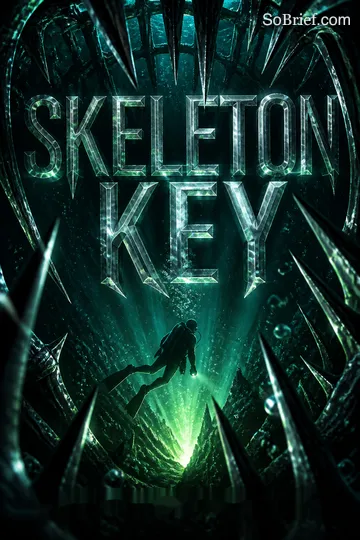
Anthony Horowitz's Skeleton Key is a masterful blend of high-octane adventure and psychological depth, using the conventions of the spy thriller to explore themes of loss, manipulation, and the search for identity. At its core, the novel is a coming-of-age story set against the backdrop of global crisis. Alex Rider, both hero and pawn, is forced to navigate a world where adults are unreliable, motives are hidden, and innocence is a liability. The book interrogates the ethics of using children in warfare—literal and metaphorical—raising uncomfortable questions about agency, responsibility, and the price of survival. Sarov, the antagonist, is rendered with unusual sympathy; his villainy is rooted in grief and a distorted longing for redemption, making him as tragic as he is terrifying. The recurring motif of surrogate families—whether in the form of MI6 handlers, CIA agents, or Sarov's twisted paternalism—underscores the human need for connection and the dangers of its perversion. Horowitz's use of gadgets, settings, and narrative twists keeps the story engaging for readers with short attention spans, while the emotional arc ensures lasting impact. Ultimately, Skeleton Key is a meditation on the costs of heroism, the ambiguity of good and evil, and the resilience of youth in a world that demands too much, too soon.
Review Summary
Skeleton Key is the third book in the Alex Rider series, receiving mostly positive reviews. Readers praise its thrilling plot, character development, and action-packed scenes. Some criticize the far-fetched elements and slower pacing compared to previous books. The story follows Alex's mission at Wimbledon and subsequent adventure on Skeleton Key island. Reviewers appreciate the deeper exploration of Alex's emotions and the nuanced portrayal of the villain. While some find it the weakest in the series, others consider it a strong continuation of Alex's spy adventures.
People Also Read


Characters
Alex Rider
Alex is a fourteen-year-old orphan, thrust into the world of espionage after his uncle's death. Intelligent, resourceful, and physically adept, he is both a victim and a hero—used by MI6 and the CIA, yet repeatedly saving lives through courage and quick thinking. Alex's psychological landscape is marked by isolation, trauma, and a longing for normalcy. He craves family and belonging, but is repeatedly denied both, whether by the manipulations of adults or the violence of his missions. His empathy and moral compass set him apart from the cold world of spies, but also make him vulnerable. Over the course of the story, Alex is forced to confront not only external threats but the internal cost of heroism—emerging older, sadder, and forever changed.
General Alexei Sarov
Sarov is a former Soviet general, brilliant and ruthless, driven by grief over his son's death and a messianic vision to restore Russia's greatness. He is both a father figure and a monster—capable of tenderness toward Alex, yet willing to kill millions for his cause. Sarov's psychological complexity lies in his fusion of personal loss and political fanaticism; his desire to adopt Alex is both genuine and manipulative, a way to fill the void left by Vladimir and to secure his legacy. His charisma masks deep wounds, and his ultimate suicide is a tragic acknowledgment of his failure to reconcile love and power. Sarov embodies the dangers of nostalgia, unchecked ambition, and the human cost of ideology.
Conrad
Conrad is Sarov's loyal enforcer, a terrorist rebuilt after a catastrophic injury. His body is a patchwork of scars, metal, and rage; his mind is twisted by suffering and hatred. Conrad's loyalty to Sarov is absolute, but his own sadism and desire for vengeance make him a constant threat. He is both a symbol of the violence that underpins Sarov's plans and a personal nemesis for Alex. Conrad's physical grotesqueness mirrors his psychological damage—he is a man who has survived death, but lost his humanity. His end, drawn to a magnet by the metal in his body, is both poetic and horrific.
Tom Turner
Turner is a career operative, tough and disciplined, but emotionally closed. He resents Alex's presence, seeing him as a liability, and struggles to reconcile his duty with his discomfort at involving a child. Turner's professionalism is both his strength and his weakness—he is effective in the field, but unable to adapt to the unpredictable realities of the mission. His relationship with Alex is marked by mistrust, frustration, and, ultimately, a grudging respect. Turner's fate—killed in Sarov's underwater trap—underscores the dangers of underestimating both enemies and allies.
Belinda Troy
Troy is Turner's partner, intelligent and skeptical, with a no-nonsense attitude. She is uncomfortable with Alex's involvement, fearing for his safety and the mission's integrity. Troy's psychological armor is her professionalism, but beneath it lies genuine fear and vulnerability. Her death in the Devil's Chimney is a testament to the risks of espionage and the limits of control. Troy's interactions with Alex reveal both the challenges of trust and the costs of secrecy.
Sabina Pleasure
Sabina is a bright, lively teenager who befriends Alex at Wimbledon and invites him to Cornwall. She represents the life Alex longs for—friendship, family, and innocence. Her quick thinking saves Alex's life during the surfing attack, and her presence at the end offers a path back to humanity. Sabina's warmth and humor are a counterpoint to the darkness of Alex's world, reminding him (and the reader) of what is at stake and what might still be possible.
Mrs Jones
Mrs Jones is the deputy head of MI6 Special Operations, tasked with managing Alex's missions. She is intelligent, compassionate, and increasingly troubled by the ethical implications of using a child as a spy. Her relationship with Alex is maternal but constrained by duty; she advocates for his well-being but is often overruled. Mrs Jones embodies the moral ambiguity of intelligence work, torn between results and responsibility.
Alan Blunt
Blunt is the head of MI6 Special Operations, cold, calculating, and utterly pragmatic. He sees Alex as a valuable asset, not a child, and is willing to risk his life for the greater good. Blunt's psychological detachment is both his strength and his flaw—he achieves results, but at the cost of empathy and humanity. His interactions with Mrs Jones and Alex reveal the institutional indifference that pervades the world of espionage.
Smithers
Smithers is MI6's Q-like gadget master, providing Alex with ingenious tools disguised as everyday objects. He is jovial, supportive, and one of the few adults who treats Alex with warmth and respect. Smithers' inventions are both lifelines and symbols of the absurdity of Alex's situation—a child armed with toys in a deadly game. His presence offers comic relief and a touch of humanity in a world of shadows.
The Salesman
The Salesman is a Mexican arms dealer, amoral and opportunistic, who sells uranium to Sarov. His murder by Conrad is a turning point, escalating the violence and exposing the global reach of Sarov's plot. The Salesman's role is that of a facilitator—greedy, self-serving, and ultimately disposable. He represents the dark underbelly of international crime, where profit trumps principle and alliances are fleeting.
Plot Devices
False Security and Hidden Threats
Throughout the novel, settings of apparent safety—Wimbledon, Cornwall, a luxury hotel—are revealed as stages for deadly intrigue. The juxtaposition of innocence and threat heightens tension and underscores the theme that evil often hides in plain sight. This device keeps both Alex and the reader off-balance, questioning appearances and searching for the truth beneath the surface.
Surrogate Families and Psychological Manipulation
Alex's longing for family is exploited by both MI6 and Sarov. The fake CIA "parents," Sarov's offer of adoption, and the memory of his uncle all serve to manipulate Alex's emotions and choices. This device deepens the psychological stakes, making the conflict not just physical but existential—Alex must define his own identity in a world that seeks to use or possess him.
Gadgets as Lifelines and Symbols
Smithers' gadgets—bubblegum explosives, a Game Boy Geiger counter, a Michael Owen stun grenade—are both practical aids and metaphors for Alex's predicament. They highlight the absurdity and danger of a child in an adult's world, and often provide the means for escape or victory. The blending of play and peril is a recurring motif, reinforcing the novel's central irony.
Foreshadowing and Narrative Structure
The novel's structure is tightly woven, with early incidents (the triad's vendetta, the break-in at Wimbledon, the purchase of uranium) foreshadowing the global stakes of the climax. The narrative moves from local to international, personal to political, mirroring Alex's journey from innocence to experience. The use of recurring motifs—storms, heartbeats, keys—binds the story together and signals impending danger.
Psychological Warfare and Moral Ambiguity
Characters use psychological tactics—Sarov's paternal affection, MI6's coercion, the triad's code—to control and destabilize Alex. The boundaries between hero and villain, victim and perpetrator, are constantly shifting. This device challenges the reader to question motives, loyalties, and the true cost of victory. The moral ambiguity is embodied in Alex's own struggles, as he is forced to make impossible choices.
Alex Rider Series
About the Author
Other books by Anthony Horowitz




Download PDF
Download EPUB
.epub digital book format is ideal for reading ebooks on phones, tablets, and e-readers.








































