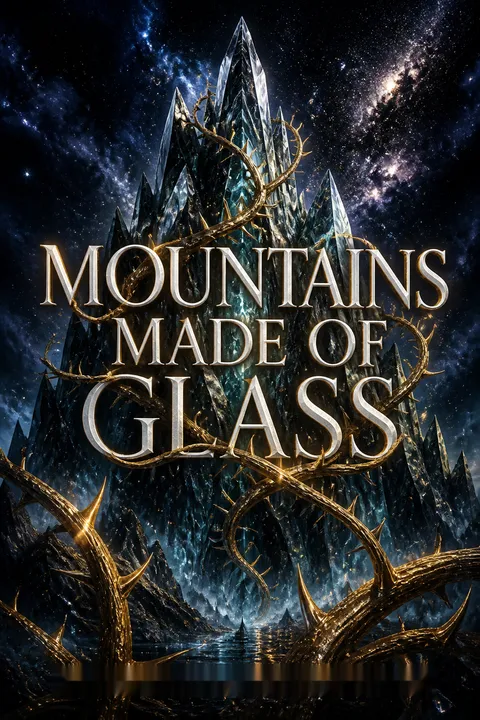

Plot Summary
Blood and Bitter Beginnings
Gesela, orphaned and ostracized, lives on the edge of the Enchanted Forest, haunted by the deaths of her mother, father, and beloved sister, Winter. The villagers of Elk, gripped by superstition and fear, believe Gesela is cursed, her fae blood marking her as an outsider. When the village well runs dry, Gesela is chosen—sacrificed, really—to break the curse, a fate she cannot refuse. Her isolation, grief, and simmering anger set the stage for a journey that will test her will, her heart, and her very sense of self.
The Well's Dark Bargain
Forced by the villagers, Gesela descends into the dry well to kill a toad, the supposed source of their misfortune. The act is both literal and symbolic: she must choose between her own survival and the life of another, even if that other is a creature. Her decision to kill the toad, driven by desperation and the villagers' cruelty, sets off a chain of magical consequences. The well becomes a crucible, forging her resolve and foreshadowing the impossible bargains and moral ambiguities that will define her journey.
Five Brothers, One Beast
That night, five elven princes—brothers of the toad she killed—invade Gesela's home. They are beautiful, cruel, and otherworldly, each embodying a different aspect of fae danger. They sentence her to six years as the prisoner of their seventh brother, the Thorn Prince, a beast unseen for a decade. With a flash of magic, Gesela is transported to a castle of thorns, her fate now entwined with a creature as dangerous as the forest itself.
Prisoner of Thorns
Gesela awakens in a living castle, its walls crawling with vines and thorns, its halls haunted by goblins, brownies, and fae servants. The Thorn Prince—Casamir—is both her jailor and her only hope. He is seductive, menacing, and bound by his own curse: he will fade from existence unless his true name is spoken by one who loves him. Their relationship is fraught with tension, desire, and the ever-present threat of violence, both physical and emotional.
The Name Game
Casamir offers Gesela a bargain: guess his true name within seven days, and she will be free. Each wrong guess adds a year to her sentence. The rules are fae—tricky, binding, and full of hidden traps. Gesela must navigate the castle's dangers, the prince's shifting moods, and her own conflicted feelings, all while unraveling the riddle of his identity. The stakes are nothing less than freedom, love, and the survival of both their souls.
Seduction and Survival
The castle becomes a battleground of wills. Casamir's seductions are both a weapon and a plea, as he tries to coax love from Gesela. She, in turn, uses her wits and her body to extract clues, trading intimacy for letters of his name. Their encounters are charged with longing, resentment, and a growing, reluctant tenderness. Meanwhile, the castle's fae denizens—brownies, pixies, and a sardonic magic mirror—offer both help and hindrance, each with their own agendas.
The Selkie's Deceit
Seeking answers, Gesela bargains with a selkie trapped in the castle's pond. He promises to help her in exchange for her greatest desire, but fae bargains are never simple. The selkie's duplicity nearly costs Gesela her life and her freedom, and she learns the hard way that trust is a rare and dangerous commodity in the Enchanted Forest. The selkie's betrayal also reveals the interconnectedness of all the castle's prisoners, each ensnared by their own bargains and regrets.
Glass Mountains, Glass Hearts
To learn Casamir's true name, Gesela must journey to the legendary Glass Mountains, aided by a raven named Wolf. The mountains demand a price: three hairs from the prince's head. Gesela's attempt to trick the mountains backfires, costing her a finger and nearly her life. The episode underscores the story's central theme: every act, every bargain, has a cost, and magic is never free.
The Price of Magic
Wounded and shamed, Gesela returns to Casamir, who heals her at his own expense. Their relationship deepens, marked by vulnerability and mutual recognition of pain. The castle's magic, the villagers' cruelty, and the fae's endless games all serve as mirrors for the characters' internal struggles. The price of magic is not just physical but emotional—a reckoning with guilt, longing, and the possibility of forgiveness.
A Kingdom of Curses
The castle is not just a prison but a microcosm of the Enchanted Forest's tangled history. Casamir and his brothers are each cursed in their own way, their fates bound to the land, the Glass Mountains, and the legacy of their father, the Elder King. The magic mirror, a fragment of a once-whole artifact, offers cryptic guidance and serves as a symbol of brokenness and the longing for wholeness—both personal and political.
The Mirror's Riddle
The mirror reveals the riddle of Casamir's name, couched in metaphors of grief, birth, and death. Gesela's search for the answer becomes a journey through her own trauma and longing. The mirror's advice is both maddening and essential, forcing her to confront the nature of love, loss, and the power of naming. The riddle is not just about Casamir but about the universal human need to be seen, known, and remembered.
Love's Reluctant Lessons
Both Gesela and Casamir struggle with the concept of love. For Gesela, love has always led to loss; for Casamir, it is the only thing that can save him. Their mutual reluctance, pride, and fear create a dance of approach and retreat, punctuated by moments of raw vulnerability. Secondary characters—Naeve the brownie, the magic mirror, even the mortal prince Flynn—offer comic relief and hard-won wisdom, highlighting the story's central lesson: love is a choice, and it is never easy.
The Fairy Ring's Temptation
Gesela is lured into a fairy ring, where magic and desire blur the boundaries of consent and will. The experience is both intoxicating and terrifying, a metaphor for the seductive power of the fae and the risks of surrendering to one's own longing. Casamir's restraint in the face of enchantment marks a turning point in their relationship, as both begin to see each other as more than adversaries or objects of desire.
Anguish and Awakening
As the deadline approaches, Gesela pieces together the riddle of Casamir's name: Anguish. The revelation is both literal and symbolic, encapsulating the pain, longing, and hope that have defined their journey. Speaking his name with love, Gesela breaks the curse, saving Casamir from oblivion and freeing herself from her own prison of grief and guilt. Their union is both a personal and magical triumph, a testament to the power of vulnerability and the courage to love.
The Willow's Promise
With Casamir's curse broken, Gesela seeks out the willow tree where her sister Winter was lost. She discovers that Winter is not dead but healing, her heart still beating within the tree's roots. The promise of reunion offers closure and hope, a reminder that healing is possible even after the deepest wounds. The willow becomes a symbol of endurance, transformation, and the enduring bonds of family.
The Mortal Prince's Folly
The mortal prince Flynn, a parody of fairy tale heroes, attempts to use Gesela to achieve his own ends. His betrayal and ultimate demise at the hands of the fae serve as a cautionary tale about the dangers of pride, entitlement, and the misuse of power. Flynn's fate contrasts sharply with Gesela's hard-won agency and Casamir's growth, reinforcing the story's critique of traditional fairy tale tropes.
True Names, True Love
With the curse lifted, Gesela and Casamir must decide what kind of future they want—together or apart. The power of true names, the meaning of love, and the importance of choice all converge in a climactic confrontation with the villagers of Elk. Gesela claims her power, Casamir claims his humanity, and together they forge a new destiny, one rooted in mutual respect, desire, and the hard lessons of the past.
Happily Ever After
Gesela and Casamir return to Elk, transformed and triumphant. They confront the villagers, demand accountability, and claim their place as rulers of the Kingdom of Thorn. The story ends not with a simple "happily ever after," but with the promise of ongoing growth, healing, and love—a fairy tale for those who know that every ending is also a beginning.
Analysis
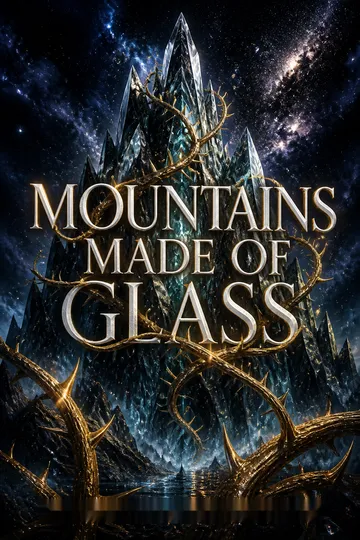
A modern fairy tale of trauma, agency, and the redemptive power of loveMountains Made of Glass reimagines classic fairy tale motifs through a contemporary lens, blending dark fantasy, romance, and psychological realism. At its heart, the novel is about the costs of survival in a world that punishes difference and the courage required to claim one's own story. Gesela's journey from scapegoat to queen, and Casamir's transformation from beast to beloved, are both deeply personal and universally resonant. The story interrogates the nature of love—not as a magical solution, but as a hard-won, ongoing act of vulnerability and choice. The use of curses, bargains, and true names serves as a metaphor for the ways we are shaped by trauma, longing, and the need to be seen. Ultimately, the novel offers a nuanced, hopeful vision of healing: love does not erase pain, but it can transform it, offering the possibility of new beginnings and a "happily ever after" that is both hard-won and deeply earned.
Review Summary
Mountains Made of Glass receives mixed reactions averaging 3.52 stars. Positive reviews praise the dark fantasy atmosphere, morally gray characters, and spicy romance reminiscent of The Cruel Prince. Many appreciate the fairy tale retelling elements combining Beauty and the Beast, Rumpelstiltskin, and Snow White. However, critics cite rushed pacing, underdeveloped romance, and excessive explicit content over plot. The short length leaves readers wanting more character development and world-building. Several note the relationship feels unbelievable within seven days, though the atmospheric setting and side characters receive praise.
People Also Read
Characters
Gesela
Gesela is a young woman marked by loss, isolation, and a trace of fae blood that sets her apart from her village. Her journey is one of transformation: from victim to agent, from outcast to queen. Gesela's psychological landscape is shaped by grief, guilt, and a fierce desire for autonomy. Her relationships—with her dead family, the villagers, and especially Casamir—are fraught with ambivalence, longing, and the fear of further loss. Over the course of the story, she learns to trust, to desire, and ultimately to love, not as a surrender but as an act of courage. Her arc is a testament to resilience, the power of choice, and the possibility of healing even the deepest wounds.
Casamir (The Thorn Prince / Anguish)
Casamir is the seventh elven prince, cursed to fade from existence unless his true name is spoken by one who loves him. He is both captor and captive, his power matched by his vulnerability. Casamir's psychological struggle centers on pride, shame, and a desperate need to be seen and loved for who he truly is. His initial cruelty and seductiveness mask a deep loneliness and fear of oblivion. Through his relationship with Gesela, he learns humility, tenderness, and the value of self-sacrifice. His journey is one from beast to beloved, from object of fear to partner in love.
The Five Elven Brothers
Casamir's brothers—Lore, Silas, Sephtis, Talon, and Cardic—are both individuals and archetypes, each representing a different aspect of fae power and peril. They are beautiful, cruel, and bound by their own curses and ambitions. Their role is to enforce the rules of the fae world, punish transgressions, and set Gesela's journey in motion. Psychologically, they are foils for Casamir, highlighting his difference and his potential for change.
The Magic Mirror
The mirror is both a literal object and a metaphorical presence, offering riddles, advice, and glimpses into the hearts of others. It represents the longing for wholeness, the pain of fragmentation, and the power of self-knowledge. The mirror's relationship with Casamir is both comic and poignant, serving as a sounding board for his fears and hopes. For Gesela, the mirror is a source of frustration and insight, pushing her to confront the truths she would rather avoid.
Naeve (The Brownie)
Naeve is a brownie who serves as both caretaker and confidante to Gesela and Casamir. Her bluntness, humor, and earthy wisdom ground the story's more fantastical elements. She is a survivor, shaped by her own experiences of love and loss, and her advice—often delivered with a sharp tongue—helps both protagonists navigate the treacherous terrain of the heart.
The Selkie
The selkie is a fae creature trapped in the castle's pond, his own skin stolen as punishment for a past transgression. He embodies the dangers of fae bargains, the pain of exile, and the longing for home. His interactions with Gesela are fraught with deception, desire, and mutual recognition of suffering. Ultimately, he serves as a warning about the costs of trust and the perils of seeking shortcuts to freedom.
Wolf (The Raven)
Wolf is a raven who aids Gesela on her journey to the Glass Mountains. He is both a literal helper and a symbol of the story's themes of change, sacrifice, and the possibility of redemption. His own transformation—from raven to wolf—mirrors the journeys of the main characters, underscoring the story's emphasis on growth and the breaking of old patterns.
Prince Flynn (The Mortal Prince)
Flynn is a mortal prince who seeks to use Gesela to achieve his own ambitions. He is a parody of fairy tale heroes—vain, clueless, and ultimately doomed by his own hubris. His presence in the story serves to highlight the dangers of unchecked privilege and the importance of genuine agency and self-knowledge.
Winter (Gesela's Sister)
Winter's death and transformation into a tree are the original wounds that shape Gesela's journey. Her eventual survival—healing within the willow—offers the promise of reunion, forgiveness, and the endurance of love beyond loss. She is both a literal character and a symbol of the story's faith in the possibility of renewal.
The Villagers of Elk (Roland, Elsie, et al.)
The villagers represent the dangers of superstition, conformity, and the human tendency to punish difference. Their treatment of Gesela is both a source of trauma and a catalyst for her transformation. In the end, their refusal to change leads to their own downfall, serving as a cautionary backdrop to the protagonists' journey toward self-acceptance and love.
Plot Devices
Curses and Bargains
The story is structured around a series of curses and bargains, each with its own rules, loopholes, and hidden dangers. These magical contracts drive the plot, force the characters to confront their desires and fears, and serve as metaphors for the emotional bargains we all make. The rules of fae magic—binding, literal, and often cruel—mirror the psychological traps of grief, guilt, and longing.
The True Name
The quest to discover Casamir's true name is both a literal puzzle and a metaphor for the search for selfhood and connection. Names in this world are more than labels; they are the essence of being, the key to freedom, and the ultimate act of love. The riddle of the name—hidden in pain, revealed through love—structures the narrative and provides its emotional climax.
The Magic Mirror
The mirror serves as both a plot device and a symbol, offering riddles, advice, and glimpses into the hearts of others. Its brokenness mirrors the characters' own wounds, and its guidance—often cryptic—pushes them toward self-knowledge and healing.
Foreshadowing and Symbolism
The story is rich in foreshadowing and symbolic imagery: the well, the willow, the thorns, the glass mountains, the act of naming, and the motif of sacrifice. Each element is layered with meaning, connecting the personal journeys of the characters to the larger themes of the narrative.
Dual Perspectives
The narrative alternates between Gesela and Casamir, allowing readers to experience both sides of their evolving relationship. This structure deepens the emotional arc, highlights misunderstandings and moments of connection, and underscores the story's central lesson: love is a choice made by two flawed, wounded people.
Fairy Tale Retelling Series
About the Author
Other books by Scarlett St. Clair

Download PDF
Download EPUB
.epub digital book format is ideal for reading ebooks on phones, tablets, and e-readers.








































