
Plot Summary
The Masked Invitation
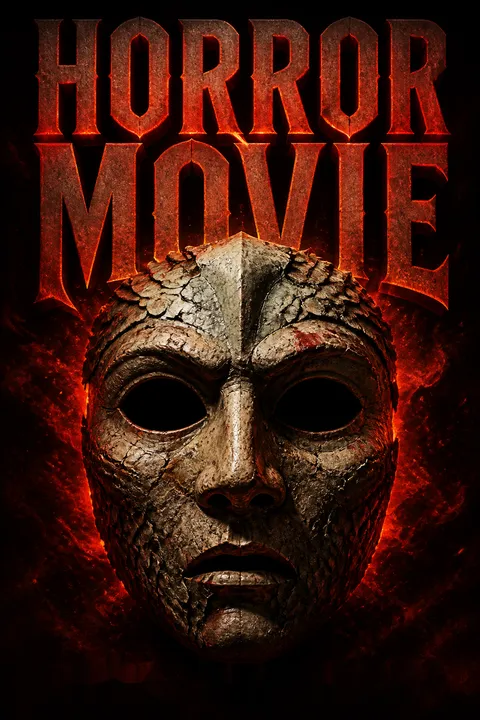
In 1993, the narrator receives a call from Valentina, a charismatic, fiercely uncompromising young filmmaker, inviting him to join a low-budget horror movie project. He's cast as the "Thin Kid," a role defined by silence and physical presence, not dialogue. The film's creative team—Valentina as director, Cleo as screenwriter, and Karson as effects artist—are all haunted by their own insecurities and ambitions. The narrator, drawn by the promise of transformation and belonging, agrees to participate, not knowing the depths of darkness and obsession that will follow. The mask, found by Cleo in an abandoned school, becomes the film's totem—an object both alluring and cursed, promising to reveal and consume those who wear it.
Four Weeks of Lies
The shoot is structured to mirror the film's chronology, with scenes revealed to the Thin Kid only as needed, keeping him as lost as his character. The cast and crew are young, idealistic, and determined to avoid compromise, but the boundaries between performance and reality blur quickly. Valentina's speeches inspire, but her control is absolute. Cleo's script is unorthodox, written to unsettle and confuse, and the mask's presence on set is both a joke and a threat. The Thin Kid's isolation is enforced—he's kept apart, his lines and motivations hidden, his body scrutinized and manipulated. The film's lies—about art, friendship, and safety—begin to take root, setting the stage for tragedy.
The Thin Kid Cast
The narrator is chosen for his physicality—tall, thin, awkward—a blank canvas for the film's monstrous transformation. He's not the first choice; the previous actor left after "creative differences," unable to accept the script's demands or the women in charge. The Thin Kid is a role defined by lack: no lines, no agency, no name. The narrator's own insecurities—about his body, his past, his failures—are weaponized for the film. The mask, with its reptilian features and ambiguous origin, is both a shield and a prison. The process of becoming the Thin Kid is one of erasure, of surrendering self to the needs of the story and the ambitions of others.
Found Object, Cursed Fate
Cleo's story of finding the mask in the abandoned school is both mundane and mythic—a tale of fear, curiosity, and the need to leave something behind in exchange for what is taken. The mask is described as ugly, familiar, and impossible to look away from—a mirror for all monsters. Its presence on set is unsettling, and its history is ambiguous: was it lost, or left on purpose? Is it cursed by what happened to it, or by what it will cause? The mask becomes the film's central symbol, a vessel for the anxieties and desires of everyone involved. It is both prop and protagonist, promising transformation and destruction.
Rituals of Filmmaking
The film's production is a ritual, with rules and roles enforced by Valentina's vision. The Thin Kid is kept separate, his experience carefully managed to elicit the right performance. The hotel room becomes a cell, the script a series of revelations and humiliations. The process of acting is stripped of glamour—there is only discomfort, exposure, and the constant threat of failure. The mask is both a tool and a torment, allowing the Thin Kid to hide even as it makes him more visible, more vulnerable. The rituals of filmmaking—rehearsal, repetition, secrecy—become indistinguishable from the rituals of cruelty and transformation at the heart of the story.
Becoming the Monster
The Thin Kid's journey is one of increasing degradation: stripped of clothes, masked, isolated, and subjected to the escalating cruelty of his friends. The classroom scene, in which he is undressed and left behind, is both a performance and a real trauma. The mask fuses to his skin, the boundaries between actor and character dissolve. The violence is ritualized—objects are thrown, cigarettes are stubbed out, wounds are both real and simulated. The Thin Kid's suffering is both spectacle and sacrifice, necessary for the film's truth. The others are complicit, their own fears and desires channeled into the creation of a monster they cannot control.
Sleepover in the Dark
The Thin Kid, left alone in the abandoned school, attempts to inhabit his character by spending the night in the classroom. The darkness is total, the fear both childish and existential. He listens to the sounds of the building, imagines the origins of the mask, and confronts the reality of his own isolation. The boundaries between performance and reality blur further—he is both himself and the Thin Kid, both victim and participant. The sleepover is a test of endurance, a rehearsal for the horrors to come. The mask's power grows, and the Thin Kid's sense of self begins to dissolve.
The Circle of Cruelty
The teens' ritual abuse of the Thin Kid escalates: they pelt him with debris, burn him with cigarettes, and eventually force him to sacrifice a part of himself. The violence is both arbitrary and inevitable, justified by the logic of the group and the needs of the story. The Thin Kid's suffering is both entertainment and exorcism, a way for the others to manage their own fears and guilt. Cleo's complicity is complex—she is both caretaker and tormentor, both victim and perpetrator. The circle of cruelty is unbroken, each act of violence feeding the next, until the Thin Kid is transformed beyond recognition.
Transformation and Betrayal
As the abuse continues, the Thin Kid's body changes: the mask melds with his skin, scales appear, and his wounds become marks of transformation. The others do not acknowledge the change, or pretend not to see it. The Thin Kid is trained to kill, forced to practice violence on a mannequin, his humanity eroded by repetition and expectation. The betrayal is total—he is made into the monster the story requires, his agency stripped away. The rituals of violence become rituals of creation, and the Thin Kid's transformation is both a triumph and a tragedy.
The Cigarette and the Cut
The film's most notorious scenes—the cigarette burns and the cutting of the pinky—are both staged and real. The Thin Kid volunteers for pain, seeking meaning or control in his suffering. The others are complicit, their own boundaries eroded by the needs of the film and the logic of the group. The violence is both spectacle and initiation, a way of proving commitment and belonging. The loss of the pinky is both an accident and a ritual sacrifice, marking the Thin Kid as irrevocably changed. The boundaries between acting and being are obliterated—there is only the mask, the wound, and the story.
The Convention of Ghosts
Decades later, the narrator is drawn into the world of horror conventions, where the legend of the lost film has grown into a cult obsession. Fans seek connection, meaning, and authenticity, projecting their own desires onto the Thin Kid and the mask. The narrator is both celebrated and accused, his wounds both proof and performance. The past is never past—every interaction is a rehearsal, every story a negotiation of guilt and complicity. The Thin Kid is both a role and a curse, a mask that cannot be removed. The film's unfinished business infects everyone who comes into contact with it.
The Pinky Sacrifice
The story of the pinky's loss is retold, mythologized, and doubted. The narrator's body becomes a site of meaning and suspicion, his wounds both real and performative. The act of sacrifice is both voluntary and coerced, a way of proving commitment to the film and to the group. The boundaries between self-harm and artistic dedication are blurred, and the narrator's identity is consumed by the needs of the story. The pinky becomes a symbol of what is lost in the pursuit of art, and what can never be regained.
The Monster Unleashed
The film's climax is a ritual of violence: the Thin Kid, fully transformed, is unleashed on the world. The party massacre is seen only from the outside, the violence both inevitable and unseen. The monster is both creation and creator, a product of the group's cruelty and the story's demands. The others are horrified by what they have made, but cannot stop it. The Thin Kid's rampage is both catharsis and condemnation, a spectacle that implicates everyone who watches. The boundaries between victim and monster, creator and creation, are obliterated.
The Chainsaw Dance
The film's last scene is a dance of death between Cleo and the Thin Kid, staged with a real chainsaw and real danger. The choreography is chaotic, desperate, and ultimately fatal. Cleo's death is both suicide and sacrifice, a final act of agency in a story that has stripped her of control. The Thin Kid is both executioner and victim, his violence both necessary and tragic. The scene is filmed and refilmed, the boundaries between acting and being erased. The film ends with the Thin Kid hidden under Valentina's bed, the monster both contained and unleashed.
The End and the Beginning
The deaths on set, the unfinished film, and the legend that grows in the years that follow all become part of the story's curse. The narrator is haunted by what happened, by what was lost, and by what can never be explained. The mask remains, a relic and a wound. Attempts to reboot or remake the film are fraught with anxiety and disappointment—the curse cannot be lifted, only passed on. The story refuses to end, looping back on itself, infecting everyone who comes into contact with it. The Thin Kid walks the earth, the movie that won't die.
The Rebooted Curse
Decades later, the narrator is drawn into a reboot of the original film, now a legend in horror circles. The new production is slick, professional, and haunted by the same questions of authenticity, exploitation, and trauma. The narrator is both participant and observer, his role diminished but his presence essential. The mask is both artifact and curse, refusing to be replaced. The new Thin Kid is a pale imitation, and the violence is both sanitized and intensified. The curse of the original film infects the reboot, ensuring that the story will never be resolved, only repeated.
Under the Bed
In the film's ambiguous ending, the Thin Kid is hidden under Valentina's bed, a secret and a threat. The boundaries between fiction and reality, past and present, are blurred—the monster is both contained and waiting to return. The story refuses closure, insisting on the persistence of trauma and the impossibility of forgetting. The mask remains, the wound remains, and the need to tell and retell the story is both a compulsion and a curse. The Thin Kid is always under the bed, waiting for the next telling.
The Movie That Won't Die
The narrator reflects on the impossibility of closure, the persistence of the story, and the ways in which art both wounds and redeems. The reboot is unsatisfying, the legend grows, and the mask remains. The Thin Kid is both a role and a reality, a curse that cannot be lifted. The story loops endlessly, infecting new generations, refusing to die. The final image is of the Thin Kid walking the earth, the movie that will never end, the monster that will never be contained.
Analysis
Paul Tremblay's Horror Movie is a haunting meditation on the nature of horror, art, and complicity. By weaving together the story of a lost, cursed film and the lives it destroys, Tremblay interrogates the boundaries between fiction and reality, performance and trauma, creation and destruction. The mask at the story's center is both a literal object and a symbol of the ways in which art consumes its creators, transforming them into monsters and wounds that can never heal. The novel's dual timelines and metafictional structure force the reader to confront their own role as spectator and participant, implicating us in the rituals of violence and sacrifice that define both horror and storytelling itself. Ultimately, Horror Movie is less about the scares than about the scars—about the costs of authenticity, the dangers of obsession, and the impossibility of closure. It is a story that refuses to end, a curse that cannot be lifted, and a mirror that reflects our own complicity in the creation and consumption of monsters.
Review Summary
Reviews for Horror Movie are deeply divided, averaging 3.25 out of 5 stars. Fans praise its unique multi-format structure—blending screenplay excerpts, past and present timelines, and unreliable narration—calling it a brilliant, unsettling love letter to horror. Critics, however, find it pretentious, slow-burning to a fault, with underdeveloped characters and minimal payoff. The screenplay format frustrated many readers, while others found it immersive. Common criticisms include poor pacing, shallow characterization, and insufficient horror. Supporters highlight its psychological depth and originality, while detractors label it self-indulgent and boring.
People Also Read

Characters
The Thin Kid (Narrator)
The Thin Kid is both a character and a cipher, defined by his lack of voice, agency, and identity. Cast for his physicality, he becomes the vessel for the group's fears, desires, and cruelties. His journey is one of erasure and transformation—stripped of self, masked, wounded, and ultimately remade as a monster. The Thin Kid's suffering is both spectacle and sacrifice, a way for the others to exorcise their own demons. As the years pass, he becomes both haunted and haunting, unable to escape the role or the mask. His body bears the marks of the film—missing pinky, scales, scars—making him both proof and performance. He is the movie's curse made flesh, doomed to retell and relive the story forever.
Valentina Rojas
Valentina is the driving force behind the film, her charisma and will shaping every aspect of the production. She is fiercely intelligent, aggressively nonconformist, and obsessed with artistic integrity. Her control is both inspiring and suffocating—she manipulates the cast and crew, enforces rituals, and demands total commitment. Valentina's relationship with the Thin Kid is complex: she is both creator and destroyer, friend and tormentor. Her own wounds—familial, artistic, existential—fuel her need to make the film, even as it destroys those around her. In the end, she is both victim and perpetrator, unable to escape the consequences of her vision.
Cleo Picane
Cleo is the film's heart and conscience, her script the blueprint for both the story and the suffering. She is deeply empathetic, struggling with depression and a sense of fatalism. Her complicity in the Thin Kid's abuse is both reluctant and necessary—she is both protector and betrayer, unable to stop what she has set in motion. Cleo's relationship with the Thin Kid is intimate and tragic, marked by moments of care and acts of violence. Her death is both suicide and sacrifice, a final act of agency in a story that has stripped her of control. Cleo is the film's true author, her wounds and fears inscribed on every frame.
Karson
Karson is both a friend and a tool, his skills essential to the film's violence and transformation. He is awkward, anxious, and desperate for approval, caught between loyalty and fear. Karson's complicity is marked by guilt and resignation—he participates in the rituals of cruelty, but is haunted by what he has done. His own relationship with his father and his sense of inadequacy fuel his need to belong, even as it destroys him. Karson's death at the hands of the Thin Kid is both punishment and release, the inevitable consequence of the group's actions.
The Mask
The mask is both prop and protagonist, a found object imbued with mythic significance. Its origins are ambiguous—lost, left, or created—and its power is both psychological and supernatural. The mask allows the Thin Kid to hide, but also consumes him, fusing to his skin and erasing his identity. It is a mirror for all monsters, reflecting the fears and desires of those who encounter it. The mask is the film's curse, a wound that cannot heal, a story that cannot end.
The Producer (George)
George is the face of the industry's cynical interest in the film's legend. He is charming, shallow, and focused on marketability rather than meaning. His attempts to reboot the film are marked by empty promises and performative enthusiasm, seeking to capitalize on the story's notoriety without understanding its trauma. George's interactions with the narrator highlight the tension between art and commerce, authenticity and exploitation.
Marlee Bouton
Marlee is a talented filmmaker drawn to the legend of Horror Movie, determined to honor its original vision while navigating the demands of the industry. She is both respectful and ambitious, seeking to balance fidelity to the past with the need for relevance. Marlee's relationship with the narrator is marked by curiosity, suspicion, and a shared sense of being outsiders. Her attempts to remake the film are both homage and exorcism, an effort to lift the curse by retelling the story.
Melanie
Melanie is both participant and observer, her work essential to the film's rituals of violence and transformation. She provides moments of levity and care, but is also complicit in the group's cruelty. Melanie's own fate—death by drowning, body never found—adds to the film's legend and sense of curse. She is a reminder of the costs of participation, the dangers of proximity to the story's darkness.
The Nightmare Scribe
The Nightmare Scribe is a horror writer and convention regular, both admirer and exploiter of the Thin Kid's legend. He represents the ways in which trauma and suffering are commodified, retold, and consumed by fandom. His interactions with the narrator are both supportive and self-serving, highlighting the blurred boundaries between art, commerce, and obsession.
The New Thin Kid
The actor cast as the Thin Kid in the reboot is both a tribute and a threat, embodying the impossibility of recapturing the original's authenticity. He is young, eager, and ultimately disposable—his fate is to be consumed by the story, both literally and metaphorically. The new Thin Kid is a reminder that the curse cannot be lifted, only passed on.
Plot Devices
Dual Timelines and Metafiction
The novel alternates between the original film's production in the 1990s and the present-day attempts to reboot and reckon with its legacy. This structure allows for a layering of perspectives, memories, and interpretations, highlighting the ways in which stories are constructed, retold, and mythologized. The metafictional elements—scripts within scripts, films within films, stories about storytelling—underscore the instability of truth and the impossibility of closure. The reader is implicated in the act of watching, judging, and participating in the story's violence.
The Mask as Symbol and Catalyst
The mask is both a literal prop and a symbol of the ways in which art consumes and transforms its creators. Its ambiguous origin and supernatural qualities allow it to function as a vessel for the anxieties, desires, and traumas of the characters. The mask's power grows as the story progresses, fusing to the Thin Kid's skin and erasing his identity. It is both a shield and a prison, a tool for performance and a curse that cannot be lifted.
Ritualized Violence and Sacrifice
The film's production is structured as a series of rituals—undressing, masking, burning, cutting, and ultimately killing. These acts of violence are both necessary for the story and destructive for the participants. The boundaries between acting and being, fiction and reality, are obliterated. Sacrifice—of self, of others, of innocence—is both the price and the product of art. The story interrogates the ethics of creation, the costs of authenticity, and the dangers of complicity.
Unreliable Narration and Fragmented Memory
The narrator's account is marked by uncertainty, contradiction, and self-doubt. Memories are reconstructed, embellished, and doubted; the boundaries between what happened and what is remembered are unstable. The story is told through scripts, recollections, interviews, and performances, each offering a different version of events. The reader is forced to navigate these layers, questioning the reliability of every account and the possibility of ever knowing the truth.
The Endless Loop
The novel's structure and themes emphasize repetition, recursion, and the impossibility of closure. The story loops back on itself—scenes are refilmed, retold, rebooted, and reinterpreted. The curse of the film is not just its violence, but its refusal to die. The Thin Kid walks the earth, the mask remains, and the need to tell and retell the story is both a compulsion and a curse. The movie that won't die infects everyone who comes into contact with it.
About the Author
Other books by Paul Tremblay
Download PDF
Download EPUB
.epub digital book format is ideal for reading ebooks on phones, tablets, and e-readers.








































