
Plot Summary
Nightmares and New Wounds
Julian and Nora, both physically and emotionally scarred from their recent ordeal, struggle to find comfort in a Swiss clinic. Nightmares and panic attacks haunt Nora, while Julian's injuries and guilt fester. Their love is fierce but fraught, each clinging to the other as the only anchor in a world that feels perpetually unsafe. The violence they survived has left them changed, and the boundaries between comfort and control blur as Julian's possessiveness intensifies. Their relationship, once defined by abduction and obsession, now teeters between healing and harm, with both desperate to protect and possess.
The Morning-After Divide
When Nora requests the morning-after pill after her implant is removed, it exposes a rift between her and Julian. The conversation is loaded with unspoken anxieties: Nora's fear of motherhood with a man like Julian, Julian's shock at her reluctance, and the unacknowledged possibility of a future neither is ready for. The exchange is tense, with Julian's coldness masking hurt, and Nora's relief at his acquiescence tinged with guilt. Their intimacy is shadowed by the knowledge that love alone cannot erase the trauma or the uncertainty of what they might become together.
Homecoming and Haunted Sleep
Back at Julian's Colombian estate, the couple attempts to resume normalcy, but the past clings to them. Nora's nightmares intensify, and Julian's rage at those who hurt her simmers beneath the surface. The house is both sanctuary and prison, filled with reminders of violence and loss. Their physical connection is as urgent as ever, but it's laced with desperation—a need to forget, to reclaim control, to feel alive. The estate's staff, once background figures, now become witnesses to their struggle, offering comfort but unable to bridge the growing emotional chasm.
Healing and Hidden Hurts
Weeks pass, and Julian's wounds heal, but Nora's psychological scars remain raw. She throws herself into painting, her art growing darker and more complex. Julian, meanwhile, becomes more attentive, arranging therapy and lightening her academic load, but his efforts only highlight how little he can truly fix. Their conversations circle around the trauma, never quite touching the core of their pain. Nora's sense of agency is fragile, her need for control manifesting in small rebellions and secret plans. The estate, lush and beautiful, feels increasingly claustrophobic.
Secrets, Fears, and Defiance
Nora, determined to keep her promise to Peter—the man who helped save Julian—hacks into Julian's computer to send a list of names, risking his wrath. The act is both a betrayal and a desperate assertion of autonomy. When Julian discovers her deception, his anger is palpable, but it's overshadowed by concern as Nora falls ill. The tension between them peaks, with punishment and forgiveness tangled in their dynamic. The secret she keeps is a wedge, but also a testament to her growth: she is no longer just Julian's pet, but a woman willing to face consequences for her choices.
The List and the Lie
Nora's decision to send the list sets off a chain of events she cannot control. The knowledge that her actions may lead to more violence weighs heavily, but she refuses to be passive. Julian's response is complex—anger, admiration, and a grudging respect for her resolve. Their relationship is tested as they navigate the fallout, each grappling with the limits of love, trust, and power. The lines between victim and accomplice blur, and both must confront the reality that survival sometimes demands moral compromise.
Nausea and Revelation
Nora's persistent nausea is revealed to be pregnancy, a twist neither anticipated. The news is met with shock, fear, and a resurgence of old wounds. Julian, who once claimed he'd make a terrible father, is forced to confront his own capacity for love and vulnerability. Nora, terrified of bringing a child into their violent world, is overwhelmed by guilt and uncertainty. The pregnancy becomes a crucible, exposing the fragility of their happiness and the depth of their dependence on each other. Their future, once a matter of survival, now holds the possibility of new life—and new loss.
Unwanted Truths
The reality of impending parenthood brings buried fears to the surface. Julian's memories of his own abusive father haunt him, while Nora's doubts about her ability to be a good mother intensify. Their conversations are raw, filled with confessions and accusations. Sex becomes both a refuge and a battleground, a way to assert control and seek comfort. The estate, once a fortress, now feels like a gilded cage. Both are forced to reckon with the consequences of their choices, and the knowledge that love alone may not be enough to save them—or their child.
The Child Neither Chose
As Nora's pregnancy progresses, the couple's anxieties mount. Julian's overprotectiveness becomes suffocating, while Nora's need for independence grows. Their friends and staff offer support, but the couple remains isolated by their secrets and fears. The possibility of happiness is real, but so is the threat of violence—both from outside enemies and from the darkness within themselves. When tragedy strikes and Nora miscarries after a brutal attack, the loss devastates them both. Grief, guilt, and anger threaten to tear them apart, but also force them to confront the truth of their love.
The Weight of Survival
The miscarriage is a turning point, plunging both into a deep well of sorrow. Nora blames herself, convinced her choices led to the loss; Julian, wracked with guilt, struggles to comfort her while battling his own demons. Their relationship is tested as never before, with each retreating into pain and silence. The estate, once a place of safety, now feels haunted by what might have been. Yet, in their shared grief, they find a fragile new intimacy—a recognition that survival is not just about enduring, but about finding meaning in the aftermath.
The World Outside
With the immediate threat gone, Nora's parents prepare to return home, their visit having exposed the irreconcilable differences between their world and Julian's. Nora, changed by trauma and love, realizes she can never fully go back to who she was. Her parents' acceptance is bittersweet, a reminder of what she's lost and what she's gained. Rosa, too, is altered by her own ordeal, her resilience a mirror to Nora's. The estate is no longer just a prison, but a place where new beginnings—and new dangers—are possible.
Family Ties and Fractures
As Nora's parents depart, she and Julian are left to navigate the aftermath of loss and the uncertain promise of healing. Their relationship, once defined by power and possession, is now marked by mutual vulnerability. Conversations with family and friends force them to confront the reality of their choices, and the impossibility of returning to innocence. The estate, once a symbol of captivity, becomes a home forged in pain and love. Together, they begin to imagine a future not just as survivors, but as partners.
Violence in the Night
A final confrontation with the past erupts in violence, as old enemies seek revenge. The couple, now seasoned by trauma, fight back with a ferocity born of desperation and love. The battle is brutal, but they emerge victorious—though not unscathed. The cost of survival is high, but it cements their bond. In the aftermath, they are forced to reckon with the reality that peace is always temporary, and that love must be fought for, again and again.
Loss and Aftermath
The trauma of the miscarriage and the violence that followed leave deep scars. Nora and Julian, both haunted by what they've lost, struggle to find their way back to each other. Therapy, art, and the support of friends offer some solace, but the real healing comes from within. Through painful honesty and mutual forgiveness, they begin to rebuild their relationship, learning to accept the darkness as part of their love. The estate, once a place of pain, becomes a sanctuary for their wounded hearts.
The Cost of Vengeance
The consequences of Nora's promise to Peter and the violence it unleashed continue to ripple through their lives. Guilt and responsibility weigh heavily, but both refuse to be defined by their worst moments. The world they inhabit is one of moral ambiguity, where survival often demands impossible choices. Yet, in facing the cost of vengeance, they find a measure of peace—a recognition that love is not about perfection, but about enduring together.
Letting Go, Holding On
As time passes, Nora and Julian learn to let go of the past without forgetting it. Their love, once rooted in obsession and control, matures into something deeper—a partnership forged in fire. They confront their fears about parenthood, about the future, and about themselves. The estate, once a prison, is now a home. Together, they choose to hold on to each other, not out of necessity, but out of love.
Love, Forgiveness, and Forever
Years later, Nora and Julian stand together at her graduation, expecting a child they both want. Their journey has been marked by pain, loss, and violence, but also by growth, forgiveness, and an unbreakable bond. The past is never far away, but it no longer defines them. Surrounded by family and friends, they look to the future with hope, knowing that love—imperfect, fierce, and enduring—is enough.
Analysis
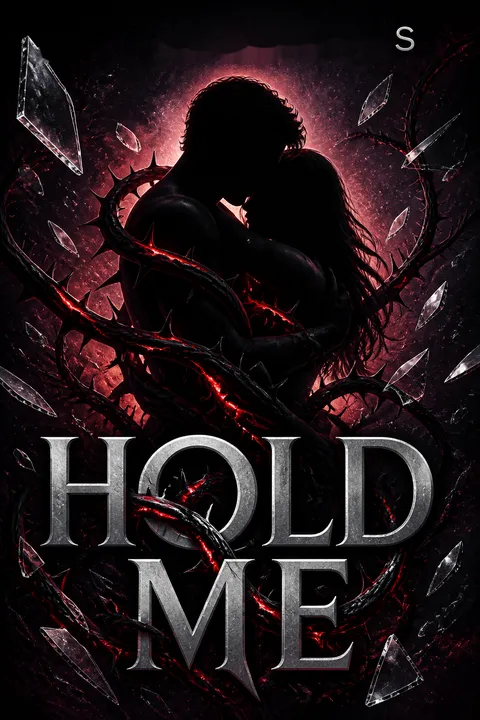
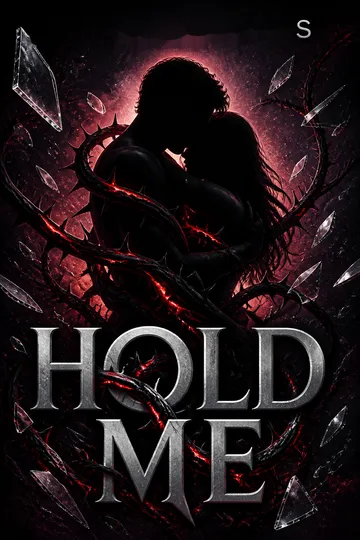
Hold Me is a dark, unflinching exploration of trauma, survival, and the transformative power of love. Anna Zaires crafts a narrative that refuses easy answers, instead immersing readers in the messy, morally ambiguous world of Julian and Nora—a world where violence is both a threat and a means of connection, and where love is as much about possession as it is about healing. The novel interrogates the limits of agency, the allure of control, and the possibility of forgiveness in the aftermath of unspeakable loss. Through its dual narration and psychological depth, Hold Me challenges readers to empathize with characters who are both victims and perpetrators, to question the boundaries of consent and the meaning of redemption. Ultimately, the story suggests that survival is not just about enduring, but about finding meaning—and even hope—in the darkness. Love, in this world, is not a panacea, but it is a lifeline: imperfect, fierce, and enduring.
Review Summary
Hold Me concludes Julian and Nora's dark romance trilogy with intense action and emotional depth. Readers praised the character development, steamy scenes, and gripping plot, though some felt it was slower-paced than previous books. The story explores Nora's struggle with morality and Julian's possessiveness as they face new threats. While some readers found certain elements repetitive or over-the-top, many considered it a satisfying conclusion to the series. The book's themes of obsession, Stockholm syndrome, and unconventional love resonated with fans of dark romance.
People Also Read
Characters
Julian Esguerra
Julian is a man forged by violence and loss, his childhood shaped by an abusive father and a world where power is survival. His love for Nora begins as obsession, a need to possess and control, but evolves into something deeper and more vulnerable. He is fiercely protective, often to the point of suffocation, and his capacity for violence is matched only by his capacity for devotion. Julian's journey is one of painful self-awareness: he must confront the darkness within himself, the limits of control, and the possibility of redemption through love. His relationship with Nora is both his greatest weakness and his only salvation, forcing him to choose between the man he was and the man he wants to become.
Nora Leston
Nora begins as a victim—kidnapped, controlled, and traumatized—but over time, she becomes an active participant in her own story. Her love for Julian is complicated, born of fear and fascination, but it grows into a partnership marked by mutual need and hard-won trust. Nora's psychological journey is central: she grapples with guilt, agency, and the desire for autonomy. Her art becomes a means of processing trauma, and her willingness to defy Julian signals her growth. The miscarriage and subsequent violence force her to confront the limits of survival and the possibility of healing. Nora's relationships—with her parents, with Rosa, with herself—are all tested, but ultimately, she chooses to embrace the darkness as part of her identity, finding strength in vulnerability.
Rosa Martinez
Rosa is Nora's closest friend on the estate, a source of warmth and support. Her own trauma—surviving assault—mirrors Nora's, and her pragmatic approach to survival offers a counterpoint to Nora's emotional turmoil. Rosa's resilience is rooted in her acceptance of the world's brutality, but she refuses to let it define her. Her relationship with Lucas hints at the possibility of love after violence, and her ability to find joy in small things is a testament to her strength.
Lucas Kent
Julian's right-hand man, Lucas is a figure of quiet menace and unwavering loyalty. His own experiences with betrayal and loss make him both a formidable ally and a complex character in his own right. Lucas's interactions with Rosa reveal a softer side, and his pursuit of justice for those he cares about is as ruthless as Julian's. He is a mirror to Julian—capable of violence, but also of unexpected tenderness.
Gabriela and Tony Leston
Nora's parents represent the world she left behind—a world of safety, normalcy, and unconditional love. Their struggle to accept Nora's choices, and their own trauma during the violence in Chicago, highlight the irreconcilable differences between their values and Julian's. Their love for Nora is unwavering, but their inability to protect her is a source of pain and guilt. Ultimately, they must let her go, trusting that she has found her own way to survive.
Peter Sokolov
Peter is a shadowy figure whose quest for vengeance sets much of the plot in motion. His demand for the list of names forces Nora to choose between loyalty and morality, and his actions have far-reaching consequences. Peter is both a savior and a threat, a reminder that survival in Julian's world often comes at a cost.
Dr. Goldberg
The estate's doctor, Goldberg is a stabilizing presence, offering medical care and emotional support. His pragmatic approach to trauma and loss provides a counterpoint to the chaos around him. Goldberg's role is often thankless, but his quiet competence is essential to the survival of those in Julian's orbit.
Isabella
Isabella, Julian's flight attendant and intelligence gatherer, is a minor but significant character. Her presence is a reminder of the network of loyalty and surveillance that underpins Julian's power. She is both a source of jealousy for Nora and a symbol of the blurred lines between personal and professional relationships in Julian's world.
The Sullivans
The Sullivan crime family represents the dangers that lurk outside the estate. Their violence and corruption mirror Julian's, but without the mitigating influence of love or loyalty. Their pursuit of vengeance brings the story's themes of survival and moral ambiguity to a head, forcing Nora and Julian to confront the reality that there is always a bigger predator.
Majid
Majid, the terrorist who tortured Julian and threatened Nora, is a specter that haunts their nightmares. His presence in their memories is a constant reminder of the violence that shaped them, and his death does little to erase the scars he left behind.
Plot Devices
Dual Narration and Shifting Perspective
The novel employs a dual narrative structure, alternating between Julian and Nora's points of view. This allows readers to experience the story's events through both the lens of power and the lens of vulnerability, highlighting the psychological complexity of their relationship. The shifting perspectives also serve to build tension, as each character's secrets and fears are revealed in turn.
Trauma as Catalyst and Obstacle
Trauma is both a plot device and a thematic core. The characters' responses to violence—nightmares, panic attacks, compulsive behaviors—drive the narrative and force them to confront their own limits. Healing is never linear, and the scars of the past are never fully erased. The story uses trauma to explore questions of agency, forgiveness, and the possibility of redemption.
Power Dynamics and Consent
The relationship between Julian and Nora is defined by shifting power dynamics. Abduction, captivity, and sexual dominance are central, but so is Nora's gradual assertion of agency. The novel interrogates the boundaries of consent, the allure of submission, and the dangers of unchecked control. These themes are embodied in both the couple's sexual encounters and their emotional negotiations.
Foreshadowing and Recurring Motifs
The story is laced with foreshadowing—nightmares that predict future trauma, conversations that hint at coming betrayals, and motifs (such as blood, scars, and art) that recur throughout. These devices create a sense of inevitability, reinforcing the idea that survival is always precarious.
Moral Ambiguity and the Cost of Survival
The novel refuses to offer clear moral resolutions. Characters are forced to make impossible choices, and the consequences of those choices ripple outward. The cost of survival is high, and the line between victim and perpetrator is often blurred. The story uses this ambiguity to challenge readers' assumptions about love, justice, and redemption.
Twist Me Series
About the Author
Other books by Anna Zaires



Download PDF
Download EPUB
.epub digital book format is ideal for reading ebooks on phones, tablets, and e-readers.








































