
Summary Temporarily Unavailable
This summary is temporarily unavailable and is currently being updated. You can still explore the FAQs and other metadata below.
Plot Summary
Return to the Fortress
Julian, having survived a near-fatal attack, reclaims Nora and whisks her away to his childhood home in Colombia—a fortress bristling with security. The journey is both a reunion and a test, as Nora is torn between relief at Julian's survival and the suffocating knowledge that she is once again his captive. Their dynamic is fraught with tension: Julian's possessiveness is absolute, and Nora's love is tangled with fear and dependency. The lush, dangerous landscape mirrors their relationship—beautiful, but edged with peril. As they settle into the compound, the ghosts of Julian's violent past and the trauma of their separation haunt them both, setting the stage for a new chapter in their twisted bond.
Shadows of the Past
The Colombian estate is not just a sanctuary; it's a mausoleum of Julian's childhood traumas and the violence that shaped him. As Nora explores her new home, she senses the weight of history in every room. Julian's memories of loss, vengeance, and the lessons of brutality from his father surface, coloring his interactions with Nora. Meanwhile, Nora's own scars—her abduction, the murder of her friend Beth, and the psychological manipulation she's endured—bubble to the surface. Their conversations are laced with confessions and half-truths, each trying to understand the other's darkness. The past is never far away, and its shadow threatens to consume their fragile peace.
Possession and Surrender
The sexual chemistry between Julian and Nora is as volatile as ever, oscillating between tenderness and cruelty. Julian's need to possess Nora is insatiable, manifesting in both loving caresses and punishing games. Nora, conditioned by trauma and longing, finds herself craving both his gentleness and his violence. Their encounters blur the line between pleasure and pain, love and control. Each act of surrender deepens their connection but also erodes Nora's sense of self. The estate becomes a stage for their private rituals, where trust and fear are inextricably linked, and where Nora's identity is slowly subsumed by Julian's will.
The Unthinkable Proposal
Julian, determined to make Nora irrevocably his, proposes marriage—not as a gesture of love, but as a legal claim of ownership. Nora is blindsided, her dreams of a normal future shattered by the reality of a forced union. The wedding is a spectacle of power: a beautiful dress, a church, and a video call to her parents, all orchestrated to legitimize Julian's hold on her. Nora's resistance is met with threats against those she cares about, leaving her no choice but to comply. The ceremony is both a culmination of her captivity and a public performance, cementing her status as Julian's wife in the eyes of the world.
A Marriage of Power
The aftermath of the wedding is a study in contrasts. To the outside world, Nora is a willing bride, her family reassured by staged calls and carefully crafted narratives. In private, she grapples with the reality of her situation: she is both cherished and imprisoned, loved and owned. Julian's need for control is relentless, but so is his desire to please her. Their wedding night is a microcosm of their relationship—alternately gentle and brutal, intimate and transactional. Nora's sense of agency is further eroded, but a strange sense of belonging begins to take root, complicating her feelings of loss and longing.
Into the Colombian Wild
Life at the estate settles into a new rhythm. Nora is surrounded by luxury and danger, her every move monitored by guards and staff loyal to Julian. She befriends Rosa and Ana, glimpsing the complex web of loyalty and fear that binds everyone to Julian. The jungle outside is both a barrier and a refuge, a reminder of the world's dangers and the safety of captivity. Nora's days are filled with art, language lessons, and the slow process of acclimating to her gilded cage. The estate is a world unto itself, ruled by Julian's whims and haunted by the ever-present threat of violence from without.
The New Normal
Julian enrolls Nora in an elite online university program, fulfilling a promise to her parents and giving her a semblance of normalcy. She throws herself into her studies and art, finding solace in routine and creativity. Julian, meanwhile, continues to run his criminal empire, involving Nora in the periphery of his operations. Their relationship deepens, marked by moments of genuine affection and flashes of the old brutality. Nora's Stockholm Syndrome is both acknowledged and denied, as she struggles to reconcile her love for Julian with the reality of her captivity. The estate becomes both home and prison, and Nora's identity continues to shift.
Training and Trust
Recognizing the dangers that surround them, Julian begins training Nora in self-defense and weapons use. The lessons are both empowering and unsettling, as Nora learns to fight and shoot under Julian's watchful eye. The training sessions become another arena for their power struggles, with Nora pushing back against Julian's dominance and Julian both encouraging and resenting her growing strength. Their mutual dependence deepens, as does their understanding of each other's darkness. The line between captor and captive blurs further, and Nora begins to see herself as both victim and accomplice.
The Threat Returns
News arrives that Majid, the terrorist responsible for Beth's death, is still alive and plotting revenge. The threat is no longer abstract; it is immediate and personal. Julian's paranoia intensifies, and he takes drastic measures to ensure Nora's safety, including embedding tracking devices in her body. Nora's sense of violation is profound, reigniting her resentment and fear. The estate becomes a fortress under siege, and the couple's fragile peace is shattered by the specter of violence. The outside world, once distant, now looms large, and the cost of Julian's love becomes painfully clear.
The Price of Safety
Julian's decision to implant trackers in Nora is the ultimate act of control, a physical manifestation of his need to possess her completely. Nora's resistance is fierce but futile; she is drugged and operated on against her will. The betrayal cuts deep, and their relationship is thrown into crisis. Nora's sense of self is further eroded, and she is forced to confront the reality that her love for Julian is inseparable from her captivity. The aftermath is a period of numbness and withdrawal, as both struggle to find a way back to each other in the wake of this latest violation.
The Ultimate Betrayal
Julian leaves on a mission to eliminate Majid, promising to return but knowing the risks. When his plane is shot down and he is presumed dead, Nora is plunged into grief and despair. The estate is thrown into chaos, and Nora is left to navigate her loss alone. But when news arrives that Julian has survived, only to be captured by Al-Quadar, Nora is faced with an impossible choice. Determined to save him, she orchestrates her own abduction, using herself as bait to lead Julian's allies to his location. The lines between victim and savior, love and madness, blur beyond recognition.
The Rescue Gamble
Nora's plan is as reckless as it is brave: she allows herself to be kidnapped by Al-Quadar, trusting that the trackers will lead Peter and Julian's men to their hideout. The experience is harrowing, dredging up old traumas and testing her resolve. Meanwhile, Julian endures torture and mutilation at the hands of Majid, refusing to break even as his body is destroyed. The rescue is a race against time, with Nora and Julian's fates hanging in the balance. When the assault comes, it is Nora who seizes the moment, taking up a weapon and confronting Majid herself.
Captive to the End
In the climactic confrontation, Nora kills Majid, not in self-defense, but out of a cold, righteous fury. The act is both liberating and damning, marking a point of no return in her transformation from victim to avenger. Julian, battered and broken, is both horrified and awed by Nora's actions. The rescue is successful, but the cost is immense: bodies litter the ground, and both Nora and Julian are forever changed by what they have endured and done. The cycle of violence that began with Julian's first act of possession now comes full circle, binding them together in blood and trauma.
Blood and Survival
In the aftermath, Nora and Julian are taken to a private clinic to recover from their physical and psychological wounds. The process is slow and fraught with setbacks: Nora is haunted by what she has done, and Julian is forced to confront the consequences of his obsession. Their relationship is tested as never before, as they struggle to find forgiveness—for themselves and for each other. The outside world recedes, and the focus shifts to survival, healing, and the possibility of a future together. The question of redemption hangs over them, unresolved but inescapable.
Aftermath and Reckoning
As their bodies heal, Nora and Julian are forced to confront the truth of their relationship. Nora confesses her lack of remorse for killing Majid, and Julian admits that her darkness mirrors his own. They recognize that they are bound together not by circumstance, but by choice—a choice to embrace the shadows within themselves and each other. The promise Nora made to Peter, and the debts of blood and loyalty that remain, linger as reminders of the world they inhabit. The estate awaits their return, but nothing will ever be the same.
The Shape of Love
In the quiet after the storm, Nora and Julian find a fragile peace. Their love is no longer innocent or redemptive; it is a bond forged in violence, loss, and mutual need. They accept that they are not good people, and that their happiness comes at a cost. The future is uncertain, but for now, they have each other—and that is enough. The story ends not with a promise of happily ever after, but with an acknowledgment of the darkness they share, and the choice to remain together, captive to the end.
Analysis
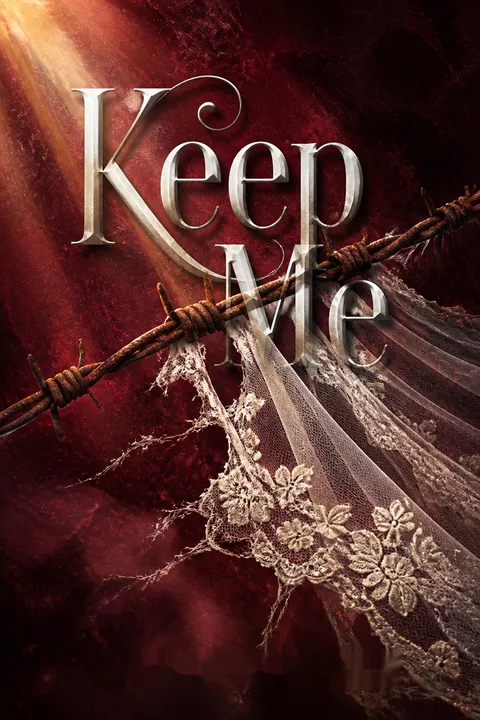
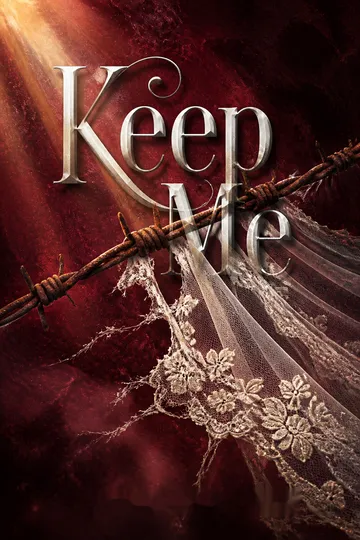
Anna Zaires' Keep Me is a dark, unflinching exploration of love, power, and trauma at the intersection of captivity and desire. The novel subverts the traditional romance narrative, replacing the promise of redemption with a relentless examination of obsession and complicity. Through the dual perspectives of Julian and Nora, the story delves into the psychological mechanisms of control, the allure of surrender, and the ways in which violence can both destroy and transform. The estate, with its lush isolation and ever-present danger, becomes a crucible for their evolving relationship—a place where the boundaries between victim and perpetrator, love and possession, are constantly renegotiated. The use of marriage as a plot device underscores the theme of ownership, while the climactic act of Nora's vengeance signals her full integration into Julian's world. Ultimately, Keep Me refuses easy answers or moral absolutes. Instead, it offers a portrait of two damaged souls who find solace—and damnation—in each other, bound together by a love that is as destructive as it is undeniable. The novel's lesson is both cautionary and empathetic: that the human capacity for adaptation is limitless, and that even in the darkest circumstances, the need for connection can override all else.
Last updated:
Report IssueReview Summary
Keep Me receives mostly positive reviews, with readers praising its darker themes, character development, and intense romance. Many find Julian's possessiveness and Nora's conflicted feelings compelling. The dual POV is appreciated for providing insight into both characters' minds. Some criticize Nora's submission and the relationship's problematic aspects. Overall, fans of dark romance enjoy the book's suspense, action, and steamy scenes, while others find it disturbing or disappointing compared to the first installment.
People Also Read

Characters
Julian Esguerra
Julian is a man forged in violence, shaped by a brutal childhood and a legacy of crime. His need for control is absolute, manifesting in both his criminal empire and his relationship with Nora. Psychologically, Julian is a study in contradictions: ruthless yet capable of tenderness, self-aware yet unapologetic. His love for Nora is obsessive, bordering on pathological, and he is willing to destroy anyone—including himself—to keep her. Over the course of the story, Julian is forced to confront the limits of his power and the cost of his obsession. His development is marked by moments of vulnerability, but he never truly escapes the darkness within him. His relationship with Nora is both his salvation and his damnation.
Nora Leston/Esguerra
Nora begins as a victim—kidnapped, manipulated, and conditioned to love her captor. Over time, she evolves into a complex figure: both dependent on Julian and fiercely independent, both traumatized and resilient. Her psychological journey is one of adaptation and transformation, as she learns to navigate the dangers of her new world and the complexities of her own desires. Nora's love for Julian is genuine, but it is also a product of trauma and conditioning. Her ultimate act—killing Majid—marks her transition from victim to agent, but it also leaves her haunted by the darkness she has embraced. Her relationship with Julian is the axis around which her identity revolves, for better or worse.
Peter Sokolov
Peter is Julian's security chief, a former Russian special forces operative driven by his own quest for vengeance. He is cold, efficient, and deeply damaged by the loss of his family. Peter's loyalty is transactional: he serves Julian in exchange for the promise of revenge. His relationship with Nora is complicated—he respects her courage but is willing to risk her life for his own ends. Psychologically, Peter is a mirror for Julian: both are shaped by loss and violence, and both are capable of great cruelty. His development is marked by moments of rage and restraint, and his future remains uncertain.
Lucas Kent
Lucas is Julian's right-hand man, a former soldier who saves Julian's life and becomes a key figure in the organization. He is stoic, competent, and fiercely loyal, but not without his own moral code. Lucas's relationship with Julian is one of mutual respect, and he serves as a stabilizing force within the chaos of Julian's world. He is also a witness to Nora's transformation, and his survival through the story is a testament to his resilience and adaptability.
Majid Ben-Harid
Majid is the leader of Al-Quadar, responsible for the murder of Beth and the torment of both Julian and Nora. He is a sadist, reveling in the suffering of others, and serves as the primary antagonist. Majid's psychological makeup is defined by cruelty and fanaticism, and his actions drive much of the story's violence. His death at Nora's hands is both a moment of catharsis and a turning point in the narrative, marking the end of one cycle of violence and the beginning of another.
Ana
Ana is the long-serving housekeeper at the estate, a figure of stability and quiet strength. She serves as a confidante to Nora and a link to Julian's past. Ana's perspective is shaped by years of survival in a dangerous world, and she offers both comfort and hard truths. Her relationship with Julian is maternal, and she is one of the few people who sees the humanity beneath his brutality.
Rosa
Rosa is a young maid at the estate, born into the world of crime but retaining a sense of innocence and hope. She befriends Nora, offering companionship and a glimpse of life beyond captivity. Rosa's presence is a reminder of what is lost and what might still be possible, and her loyalty to Julian is both pragmatic and genuine.
Beth
Beth is Nora's friend and former housekeeper, whose brutal murder by Majid sets much of the story's violence in motion. Though she appears only in memory, Beth's death haunts both Nora and Julian, serving as a symbol of innocence destroyed and a justification for vengeance. Her loss is a wound that never fully heals.
Gabriela and Tony Leston
Nora's parents are loving but powerless, forced to accept their daughter's captivity and marriage to Julian. Their relationship with Nora is strained by distance and fear, and their attempts to intervene are ultimately futile. They serve as a reminder of the world Nora has lost and the cost of her new life.
Monsieur Bernard
The French art instructor hired by Julian, Bernard provides Nora with a creative outlet and a connection to her former self. He is a minor but significant figure, offering encouragement and insight into Nora's evolving psyche.
Plot Devices
Dual Narration and Shifting Perspectives
The story is told through alternating chapters from Julian and Nora's perspectives, allowing readers to experience both the captor's and the captive's inner lives. This dual narration creates a sense of intimacy and tension, as each character's motivations, fears, and desires are laid bare. The shifting perspectives also highlight the psychological complexity of their relationship, blurring the lines between love and coercion, agency and victimhood.
Power, Control, and Consent
The central plot device is the ongoing negotiation of power between Julian and Nora. Every major event—kidnapping, marriage, sexual encounters, training, and even acts of violence—serves as a battleground for control and consent. The story continually questions who holds the power, and at what cost. The use of physical devices (trackers, restraints) and psychological manipulation underscores the theme of possession versus surrender.
Violence as Transformation
Violence is both a source of trauma and a means of transformation. Nora's journey from victim to avenger is marked by acts of violence—first suffered, then inflicted. Julian's own history is a cycle of brutality, and his love for Nora is inseparable from his capacity for harm. The climactic act of Nora killing Majid is both a moment of empowerment and a loss of innocence, signaling her full integration into Julian's world.
Foreshadowing and Repetition
The narrative is rich with foreshadowing, as early events and conversations echo throughout the story. Julian's memories of childhood violence, Nora's nightmares, and the repeated motif of captivity all serve to build tension and anticipate future developments. The repetition of certain phrases and actions (e.g., "never let you go") reinforces the cyclical nature of their relationship and the inescapability of their bond.
The Estate as Microcosm
The Colombian estate functions as both a fortress and a prison, a place of luxury and isolation. It is a physical manifestation of Julian's need for control and Nora's loss of freedom. The estate's boundaries are both protective and confining, mirroring the psychological boundaries of their relationship. The outside world is always threatening, but the safety of the estate comes at the cost of autonomy.
The Marriage Plot
The forced marriage is a key plot device, transforming Nora's captivity from a private crime to a public, legal bond. The wedding is both a performance and a consolidation of power, legitimizing Julian's claim and erasing Nora's former identity. The marriage plot also serves to heighten the stakes, making escape or resistance even more fraught with consequence.
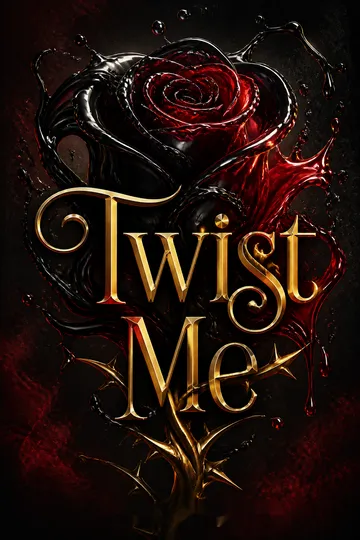
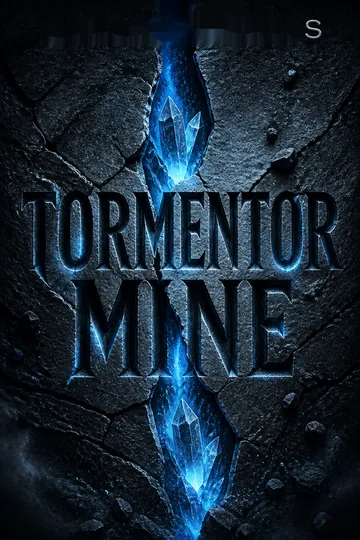
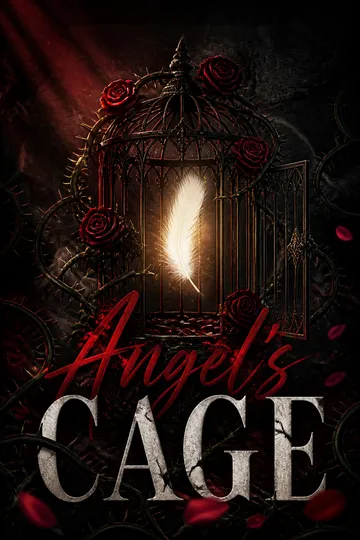
Twist Me Series

About the Author
Anna Zaires is a bestselling romance author who discovered her love for books at age five. After graduating from the University of Chicago with an Economics degree, she worked on Wall Street for eight years before pursuing writing full-time in 2013. Zaires collaborates closely with her husband, science fiction author Dima Zales, on all her works. She enjoys drinking tea, watching TV shows, and discussing book ideas during walks with her husband. Zaires values connecting with her readers and encourages them to reach out through her website or Facebook page.



Download PDF
Download EPUB
.epub digital book format is ideal for reading ebooks on phones, tablets, and e-readers.








































