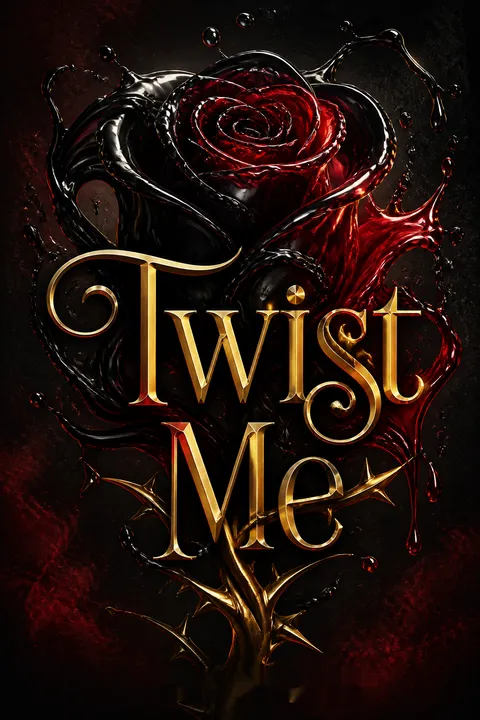

Plot Summary
Innocence Shattered, Fate Sealed
Nora Leston, a bright, sheltered seventeen-year-old, is on the cusp of adulthood, dreaming of boys and college. Her world is safe, predictable, and full of hope. But a chance encounter at a club with a mysterious, magnetic stranger named Julian marks the beginning of the end of her innocence. His gaze is predatory, his interest unsettling, and Nora senses a darkness in him that both frightens and fascinates her. This pivotal moment, on the eve of her eighteenth birthday, seals her fate, setting her on a path from which there is no return. The normalcy of her suburban life is about to be shattered forever.
The Predator's Gaze
After their brief, electric meeting, Julian's presence haunts Nora. He appears at her high school graduation, his eyes never leaving her, making it clear she is being watched, chosen. Nora's unease grows, but she cannot articulate the danger she senses. Julian is not just a man—he is a force, a hunter who has marked her as his prey. The tension between fear and attraction simmers within her, and she is drawn to the edge of a precipice she cannot see. The predator's gaze is relentless, and Nora's ordinary world is already slipping away.
Abduction in the Night
Nora's first real date with Jake, the boy she's longed for, ends in violence. In a moment of happiness, she is snatched from her life—drugged, stripped of agency, and spirited away. She awakens in a strange, luxurious room, naked and terrified, her body and mind violated by the knowledge that she is utterly powerless. Julian reveals himself as her captor, his motives shrouded in possessiveness and rage. The world she knew is gone, replaced by a new reality where her will means nothing and her survival depends on the whims of a man who claims her as his own.
Island of No Escape
Nora discovers she is on a private island, isolated from the world, with no hope of rescue. The beauty of the tropical setting is a cruel contrast to her captivity. Beth, Julian's enigmatic housekeeper, offers no comfort—only the cold assurance that escape is impossible. Nora's days are filled with fear, confusion, and a growing sense of unreality. She is forced to confront the limits of her courage and the depth of her vulnerability. The island is both a gilded cage and a crucible, forging her into something new, even as it breaks her.
The First Breaking
The first night, Julian takes what he wants—her virginity, her dignity, her sense of self. The act is both brutal and bewilderingly tender, leaving Nora shattered and confused by her own body's responses. Pain and pleasure become indistinguishable, and she is left clinging to the man who has destroyed her. The psychological torment is as profound as the physical, and Nora's resistance begins to erode. She is forced to confront the darkness within herself, the part that responds to Julian's dominance, even as she despises him.
Submission and Defiance
In the days that follow, Nora oscillates between submission and rebellion. She attempts escape, tries to fight, and even contemplates violence against Beth. Each act of defiance is met with swift, calculated punishment—pain, humiliation, or the threat of harm to those she loves. Julian's control is absolute, but he is not a mindless brute; he is methodical, shaping Nora's responses, teaching her to associate obedience with pleasure and resistance with suffering. The psychological game is relentless, and Nora's sense of self is slowly, inexorably transformed.
The Prisoner's Routine
As weeks pass, Nora settles into a routine of forced domesticity and sexual servitude. She swims, reads, paints, and runs, her world shrinking to the boundaries of the island and the rhythms of Julian's desires. Beth becomes a reluctant confidante, revealing her own scars and the reasons for her loyalty to Julian. The outside world fades, and Nora's memories of family and friends become distant echoes. The island is both sanctuary and torment, and Nora's identity is subsumed by her role as Julian's possession.
The Monster's Tenderness
Julian is not a simple villain. He is capable of shocking violence, but also of gentleness and affection. He tends to Nora's wounds, soothes her after nightmares, and shares fragments of his own traumatic past. The lines between captor and lover blur, and Nora finds herself craving his approval, his touch, even his pain. The emotional whiplash is dizzying, and she begins to question her own sanity. Stockholm syndrome takes root, and love and hate become indistinguishable. Julian's darkness is seductive, and Nora is drawn ever deeper into his orbit.
Escape and Consequence
When Julian leaves the island, Nora seizes her chance to escape, attacking Beth and fleeing into the jungle. Her attempt is futile, and when Julian returns, the consequences are devastating—not just for her, but for Jake, who is savagely beaten as a warning. The lesson is clear: resistance brings suffering, not just for Nora, but for anyone she cares about. The world outside the island is more dangerous than her prison, and Nora's hope is crushed. She learns that her choices are an illusion, and that Julian's reach is limitless.
The World Shrinks
With escape proven impossible, Nora's world contracts to the island, her days defined by Julian's presence or absence. She becomes a model prisoner, her resistance replaced by resignation. The routines of captivity become comforting, even pleasurable, and Nora's sense of self is eroded by the constant reinforcement of Julian's control. She is no longer the girl she was; she is Julian's pet, his possession, and she finds a perverse satisfaction in her submission. The outside world is a fading dream, and the island is all that remains.
The Stockholm Spiral
Over time, Nora's feelings for Julian deepen and darken. She despises him for what he has done, but she also craves his touch, his approval, his love. The psychological bond between them is unbreakable, forged in pain and pleasure, fear and desire. When Nora's birthday triggers a breakdown, her rage and grief are met with violence and then comfort. In the aftermath, she confesses her love, and Julian claims her completely. The cycle of abuse and affection is complete, and Nora is lost to herself.
The Birthday Meltdown
On the anniversary of her abduction, Nora is overwhelmed by the realization of all she has lost. Her anger erupts in a violent outburst, but Julian meets her fury with punishment and then with sex, reinforcing the twisted dynamic that binds them. In the aftermath, Nora admits the truth she can no longer deny: she loves her captor. The confession is both a surrender and a liberation, and Julian responds by deepening their bond, making her more his than ever before.
The Confession of Love
With the truth of her feelings laid bare, Nora and Julian enter a new phase of their relationship. The violence and tenderness, the pain and pleasure, become expressions of a love that is as destructive as it is consuming. Julian is possessive, obsessive, and utterly devoted to Nora, and she is equally addicted to him. Their love is a closed circuit, feeding on itself, impervious to the outside world. The island is their universe, and nothing else matters.
The Price of Obsession
Julian's criminal life catches up with them when a terrorist group attacks, kidnapping Nora and Beth. The violence is sudden and absolute, shattering the fragile peace of the island. Nora is thrust into a new captivity, this one even more brutal and dehumanizing. The terrorists use her as leverage, torturing Beth to force Julian's hand. Nora's trauma is compounded, and she is forced to confront the true cost of Julian's world—a world where love is inseparable from violence and death.
The Terrorist's Bargain
In the hands of the terrorists, Nora witnesses Beth's torture and murder, her own life hanging by a thread. The psychological and physical torment is overwhelming, and Nora's only hope is that Julian will come for her. The experience is a crucible, burning away the last remnants of her old self. When Julian finally arrives, he is a force of nature, destroying their captors in a storm of violence. The rescue is both salvation and damnation, and Nora emerges from the ordeal forever changed.
Blood and Fire
The aftermath of the rescue is chaos and devastation. The warehouse where Nora is held explodes, and she is left wandering, traumatized and alone, until she is found and returned to the world she once knew. Julian is presumed dead, and Nora is consumed by grief and emptiness. The violence that has defined her life for so long has left her hollow, unable to reconnect with her past or imagine a future without her captor. The fire that destroyed her prison has also destroyed her sense of self.
Grief and Emptiness
Back in Illinois, Nora is a ghost in her own life. She cannot relate to her family or friends, and therapy offers no solace. The world sees her as a victim, but she knows the truth: she is still Julian's, even in his absence. She tries to move on, to find comfort in old routines and new experiences, but nothing fills the void. Her grief is compounded by guilt and shame, and she is haunted by memories of pain and pleasure, love and violence. The world is colorless, and Nora is lost.
The Ghost Returns
Just as Nora begins to accept Julian's death, he returns—alive, unchanged, and as possessive as ever. Their reunion is explosive, a collision of rage, relief, and overwhelming desire. The old patterns reassert themselves instantly, and Nora is swept back into the cycle of submission and domination. Julian's survival is both a miracle and a curse, and Nora must choose whether to embrace the darkness or flee from it. The choice is no choice at all; she is his, and always will be.
Home is the Monster
With Julian's return, Nora is faced with the reality that she cannot live without him. The world outside is empty and meaningless, and the only place she feels alive is in his arms. Julian offers her a choice, but it is an illusion—her will has been subsumed by his. Together, they leave her old life behind, returning to a world where love and violence are inseparable, and where freedom is just another word for loss. Home is not a place, but a person—and for Nora, that person is her monster.
The Cycle Continues
Nora and Julian's story is not one of redemption or escape, but of surrender and acceptance. Their love is a closed loop, feeding on pain and pleasure, dominance and submission. The outside world cannot touch them, and the cycle of abuse and affection continues, unbroken. The story ends as it began: with a girl and her captor, bound together by forces they cannot control, and a love that is as destructive as it is irresistible.
Analysis
Twist Me is a harrowing exploration of the psychology of captivity, trauma, and the blurred boundaries between love and abuse. At its core, the novel is a study in the mechanisms of Stockholm syndrome, showing how isolation, violence, and intermittent tenderness can create powerful emotional bonds between captor and captive. The story refuses easy answers or moral clarity; instead, it immerses the reader in the confusion and complexity of Nora's experience, forcing us to confront the uncomfortable reality that love and survival are not always separate. The narrative is relentless in its depiction of power dynamics, using the closed environment of the island to strip away the veneer of civilization and expose the raw, primal forces that shape human behavior. The relationship between Nora and Julian is both horrifying and compelling, a closed circuit of pain and pleasure that is as addictive for the reader as it is for the characters. The novel's refusal to offer redemption or escape is both its strength and its challenge, leaving us with the unsettling truth that some wounds do not heal, and that the line between victim and accomplice is often impossible to draw. In the end, Twist Me is less a romance than a psychological thriller, a meditation on the ways in which trauma can both destroy and create, and a warning about the seductive power of darkness.
Review Summary
Twist Me is a controversial dark romance novel about a young woman kidnapped by a powerful, dangerous man. Reviews are mixed, with some praising the intense, emotional story and compelling characters, while others criticize the romanticization of abusive behavior. Many readers found the book addictive despite its disturbing themes. Common points of discussion include the portrayal of Stockholm syndrome, the balance of darkness and romance, and the chemistry between the main characters. The book sparked strong reactions, both positive and negative.
People Also Read

Characters
Nora Leston
Nora is the protagonist, a bright, ordinary teenager whose life is upended by Julian's obsession. Initially naive and hopeful, she is forced to confront the darkest aspects of herself and the world. Her journey is one of psychological transformation, as she moves from resistance to submission, from victim to willing participant. Nora's relationship with Julian is the axis around which her identity revolves; she is shaped by his desires, his violence, and his tenderness. Her development is marked by trauma, adaptation, and ultimately, a kind of acceptance that blurs the line between love and survival. Her connection to Julian is both her undoing and her salvation, and her psychological arc is a study in the complexities of trauma bonding and Stockholm syndrome.
Julian Esguerra
Julian is Nora's captor, a man of immense power, wealth, and violence. He is both monster and savior, capable of unspeakable cruelty and unexpected tenderness. His obsession with Nora is absolute, and he is driven by a need to possess and control her completely. Julian's past is marked by trauma and loss, shaping him into a man who sees love as inseparable from dominance and pain. He is methodical, intelligent, and deeply damaged, using psychological manipulation to break and remake Nora in his image. Despite his brutality, he is capable of genuine affection, and his need for Nora is as much a weakness as it is a strength. Julian's development is a descent into the darkness of his own soul, and his relationship with Nora is both a reflection and an amplification of his inner demons.
Beth
Beth is Julian's housekeeper and Nora's reluctant companion on the island. Her loyalty to Julian is rooted in gratitude and trauma; he saved her from a life of suffering and gave her a sanctuary, but at the cost of her autonomy. Beth is both a warning and a comfort to Nora, embodying the consequences of survival in a world ruled by men like Julian. Her own history of loss and violence makes her both empathetic and hardened, and her relationship with Nora evolves from antagonism to a kind of sisterhood. Beth's fate is a stark reminder of the dangers of Julian's world, and her death is a turning point in Nora's psychological journey.
Jake
Jake is the boy Nora once desired, a symbol of the life she might have had. His role is largely passive; he is a victim of Julian's possessiveness, beaten and brutalized as a warning to Nora. Jake's suffering is a constant reminder of the cost of resistance and the impossibility of escape. He represents the world outside the island, a world that becomes increasingly irrelevant as Nora's bond with Julian deepens. Jake's presence in the story is a measure of Nora's transformation, marking the distance she has traveled from innocence to complicity.
The Suit (Terrorist Leader)
The Suit is the leader of the terrorist group that kidnaps Nora and Beth. He is cold, methodical, and utterly ruthless, using torture and murder as tools of negotiation. His presence in the story is a catalyst for the final transformation of Nora and Julian's relationship, forcing them to confront the true cost of their world. The Suit's violence is a mirror of Julian's, but without the veneer of affection or justification. He is a reminder that there are always greater monsters, and that survival in Julian's world requires becoming monstrous in turn.
Nora's Parents
Nora's parents are largely absent from the narrative, but their presence looms as a symbol of the life and love Nora has lost. Their grief and confusion in the aftermath of her disappearance and return highlight the chasm that now separates Nora from her old life. They represent the possibility of healing and redemption, but also the impossibility of returning to innocence. Their inability to reach Nora is a measure of the damage that has been done.
Leah
Leah is Nora's best friend, a link to her past and a measure of how much she has changed. Leah's attempts to reconnect with Nora after her return are met with distance and incomprehension. She represents the normalcy and hope that Nora can no longer access, and her presence is a reminder of the cost of Nora's transformation.
Angela (Nurse)
Angela is the nurse who cares for Nora in the clinic after her appendectomy. She represents the possibility of rescue and the indifference of the world to Nora's plight. Her inability to help Nora escape is a reflection of the limits of compassion in the face of power and violence.
Agent Wilson and Agent Bosovsky
The FBI agents who question Nora after her return are representatives of the world's attempt to make sense of her ordeal. They are well-meaning but ultimately powerless, unable to comprehend the psychological complexity of Nora's experience or to offer her any real comfort or justice. Their presence underscores the inadequacy of the systems meant to protect and heal.
The Monster Within
Not a character in the traditional sense, but the part of Nora that responds to Julian's violence and dominance. This "monster within" is both a product of trauma and a survival mechanism, allowing Nora to adapt to her captivity and find meaning in her suffering. It is the shadow self that emerges in response to overwhelming power, and its presence is a testament to the complexity of human psychology in the face of abuse.
Plot Devices
Psychological Captivity and Stockholm Syndrome
The central plot device is the psychological captivity that transforms Nora from victim to willing participant. The narrative explores the mechanisms of Stockholm syndrome, showing how trauma, isolation, and intermittent reinforcement can create powerful emotional bonds between captor and captive. The island setting amplifies the sense of isolation, and the constant oscillation between pain and pleasure, cruelty and tenderness, breaks down Nora's resistance and reshapes her identity. The story uses Nora's internal monologue and shifting emotions to immerse the reader in the experience of psychological manipulation and trauma bonding.
Duality of Violence and Tenderness
The story relies on the juxtaposition of violence and tenderness to create emotional whiplash and deepen the psychological complexity of the characters. Julian is both monster and lover, and his ability to switch between brutality and care is central to his control over Nora. This duality is mirrored in Nora's own responses, as she learns to associate pain with pleasure and submission with safety. The narrative structure uses these contrasts to keep the reader off-balance and to blur the lines between love and abuse.
Isolation and World-Building
The private island is a classic plot device, creating a closed environment where the normal rules of society do not apply. The isolation intensifies the psychological dynamics between the characters and allows for the development of a world where Julian's will is law. The island is both paradise and prison, a place of beauty and horror, and its physical boundaries mirror the psychological boundaries that are imposed on Nora.
Escalation and Consequence
The story uses a structure of escalation and consequence, where each act of resistance or defiance by Nora is met with increasingly severe punishment—not just for her, but for those she cares about. This creates a sense of inevitability and hopelessness, reinforcing the psychological captivity. The narrative uses foreshadowing and callbacks to earlier events to show how the cycle of abuse is self-perpetuating and inescapable.
Trauma and Transformation
The narrative is structured around moments of trauma—abduction, rape, violence, loss—that serve as catalysts for Nora's transformation. Each traumatic event is followed by a period of adaptation, where Nora's identity is reshaped to accommodate the new reality. The story uses these cycles to explore the ways in which trauma can both destroy and create, breaking down old identities and forging new ones.
The Return of the Monster
The story uses the device of Julian's apparent death and resurrection to reinforce the inescapability of the cycle. Nora's attempt to move on is thwarted by his return, and the narrative suggests that the bond between them is unbreakable, that the cycle of abuse and affection will continue indefinitely. The return is both a relief and a horror, and it serves as the final confirmation that Nora's fate is sealed.
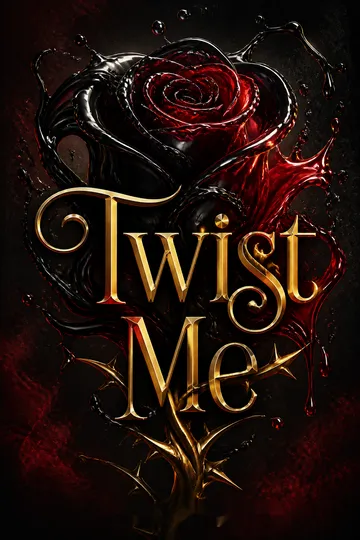
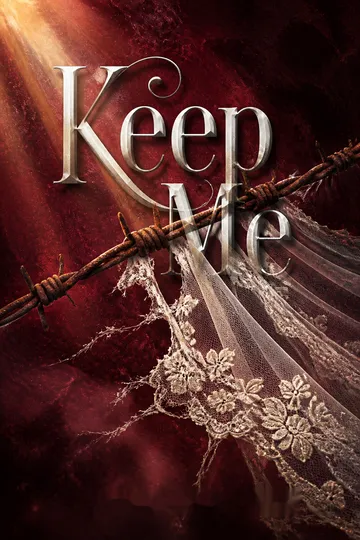
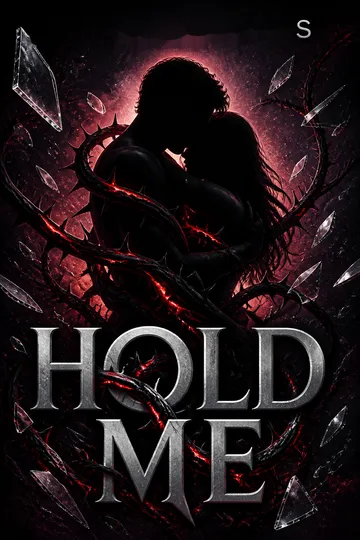
Twist Me Series
About the Author
Other books by Anna Zaires


Download PDF
Download EPUB
.epub digital book format is ideal for reading ebooks on phones, tablets, and e-readers.








































