
Plot Summary
North Caucasus Tragedy
Peter Sokolov, a hardened Russian Spetsnaz operative, finds rare peace in the mountains with his wife Tamila and young son Pasha. Their simple life is shattered when a NATO operation, based on faulty intelligence, descends on their village. Peter returns to find his family among the dead, their bodies torn apart by the crossfire. The devastation is total, and Peter's soul is scorched by grief and rage. He vows to hunt down everyone responsible for the massacre, setting him on a path of relentless vengeance that will define his existence.
Haunted by Loss
Sara Cobakis, a young OB-GYN in Illinois, is drowning in exhaustion and guilt after her husband George's accident left him in a vegetative state. Her days are filled with work and her nights with insomnia and regret. Friends urge her to move on, but she is haunted by memories and the weight of responsibility for George's fate. The house they shared is a mausoleum of lost dreams, and Sara's only solace is the routine of her demanding job. Unbeknownst to her, the shadows of her past are about to become terrifyingly real.
The Intruder in the Dark
Sara's fragile world collapses when a masked intruder attacks her in her own kitchen. The man is methodical, terrifying, and speaks with a foreign accent. He demands to know George's location, convinced Sara is hiding him. When she resists, he resorts to violence—first with a knife, then with waterboarding, and finally with drugs. Sara's terror is absolute; her sense of safety is obliterated. The intruder's methods are chillingly professional, and his obsession with her husband's whereabouts hints at a vendetta far beyond her understanding.
Water and Truth
Under the effects of a powerful truth serum, Sara's defenses crumble. She reveals the location of George's safe house, her mind foggy and her body limp. The intruder, Peter, is both gentle and cruel—his touch alternates between violence and unexpected tenderness. In her drugged state, Sara's vulnerability is total, and she confesses not only secrets but also her loneliness and pain. The encounter leaves her physically unharmed but psychologically shattered, her sense of self violated as much as her home.
The Safe House Breach
While Sara recovers in a hospital, she learns that George and his guards have been murdered. The authorities reveal that her husband was not merely a journalist but was entangled in international espionage. The man who attacked her is a fugitive, a ghost with a list of names to kill. Sara is wracked with guilt, believing her coerced confession led to the deaths. The truth of George's double life and the violence it brought into her world leaves her adrift, mourning a man she realizes she never truly knew.
Grief and Guilt
At George's funeral, Sara is numb, her grief complicated by secrets and shame. Peter, disguised among the mourners, watches her with a predatory fascination. He is drawn to her pain, seeing in her a reflection of his own loss. For Peter, Sara is no longer just collateral damage—she becomes an object of obsession, a living link to the man he blames for his family's death. The lines between vengeance and desire begin to blur, setting the stage for a twisted connection.
The Watcher Returns
Sara tries to rebuild her life, volunteering at a clinic and seeking solace in routine. But she is plagued by the sense of being watched, her paranoia growing as she experiences panic attacks and nightmares. Peter's surveillance is constant—he installs cameras, follows her movements, and studies her every habit. His obsession deepens, and he begins to insert himself into her life in subtle, invasive ways. Sara's reality fractures as she realizes the threat is not just in her mind.
Paranoia and Nightmares
Sara's mental state deteriorates as her sense of safety erodes. She is haunted by dreams of her attacker, sometimes as a torturer, sometimes as a lover. The boundaries between fear and desire blur in her subconscious, leaving her ashamed and confused. Therapy offers little relief, and her attempts to regain control—selling her house, changing routines—are futile. Peter's presence is a shadow she cannot escape, and the anticipation of his return becomes a torment in itself.
The Dance of Fear
At a club with friends, Sara is confronted by Peter in the crowd. He forces her to dance, threatening violence if she resists. The encounter is charged with both terror and a dark, magnetic pull. Peter's message is clear: he can reach her anywhere, and she is never truly safe. He demands a meeting, warning her against involving the authorities. Sara is left shaken, her autonomy stripped away, and the line between victim and participant begins to blur.
Unwanted Obsession
Sara meets Peter in a public place, hoping for safety in daylight. Instead, she is confronted with his twisted logic and the depth of his obsession. Peter reveals the truth about George's role in the massacre that destroyed his family, forcing Sara to confront the possibility that her husband was not the man she believed. The conversation is a battle of wills, with Peter's cold certainty clashing against Sara's desperate denial. The encounter leaves her reeling, her world upended once again.
The Stalker's Confession
Peter escalates his intrusion, breaking into Sara's hotel room and forcing her into a night of enforced closeness. He alternates between threat and tenderness, brushing her hair, holding her as she sleeps, and refusing to take her by force. The psychological warfare is relentless—Sara is both repulsed and comforted, her resistance eroded by exhaustion and fear. Peter's need for control is matched only by his need for her, and Sara's sense of self is battered by the contradiction.
Dinner with the Devil
Peter begins a campaign of domestic seduction, cooking elaborate meals and creating an illusion of normalcy. Sara is both repelled and seduced by the care he takes, the rituals of shared meals and conversation. The threat of violence is ever-present, but so is a strange tenderness. Sara attempts to poison him, but Peter is always one step ahead, revealing the futility of resistance. The power dynamic is clear: she is his captive, and her only choices are submission or escalation.
The Trap and the Test
Sara, desperate to end the cycle of fear, decides to give Peter what he wants—her willing compliance. She hopes that by surrendering, she will become uninteresting to him, and he will eventually leave. The plan backfires as Peter's obsession only deepens. Their sexual encounters are intense, blending violence and tenderness, pain and pleasure. Sara's shame grows as her body betrays her, responding to his touch even as her mind recoils. The boundaries of consent and desire are obliterated.
Surrender and Survival
Sara's life becomes a surreal blend of captivity and comfort. Peter is attentive, protective, and at times almost loving. He tends to her when she is ill, pampers her with food and care, and insists on her safety above all else. Yet the threat of abduction and violence is never far. Sara's attempts at resistance are met with gentle but unyielding dominance. She is forced to confront the reality that her survival depends on navigating the shifting terrain of Peter's obsession.
The Monster's Tenderness
As weeks pass, Sara and Peter settle into a routine that mimics a normal relationship. They share meals, stories, and even moments of laughter. Peter reveals pieces of his past, his grief, and his capacity for gentleness. Sara, in turn, confides her own pain and the truth about her marriage. The intimacy is real, but so is the underlying threat. Sara is both prisoner and partner, her autonomy circumscribed by Peter's will. The lines between captor and companion blur, and the emotional stakes rise.
The Bargain of Bodies
Sara's attempts to reclaim her freedom are met with Peter's ultimatum: compliance or total captivity. He threatens to take her away from her life, her work, and her family if she resists. The choice is no choice at all, and Sara submits, her spirit battered but unbroken. Their sexual relationship intensifies, becoming both a site of power struggle and a source of genuine connection. Sara's shame is matched by a growing, reluctant attachment—a bond forged in trauma and survival.
The Illusion of Freedom
Sara's hope for escape is rekindled when the FBI approaches her, warning that Peter has been spotted nearby. She is torn between the possibility of freedom and the fear of what Peter might do if cornered. In a moment of crisis, she warns him, choosing to protect her captor rather than risk a bloodbath. Peter, in turn, drugs her and spirits her away, sealing her fate as his possession. The illusion of freedom is shattered, replaced by the certainty of captivity.
The Final Warning
As Peter flees with Sara, the full weight of their twisted relationship settles over them. Peter confesses his love, a love born of loss and obsession, and Sara is forced to confront the depth of her own conflicted feelings. She is no longer simply a victim, nor is she a willing partner—she is both, trapped in a web of trauma, desire, and survival. The story ends with Sara in Peter's arms, her future uncertain, her freedom gone, and the boundaries between love and torment forever blurred.
Analysis
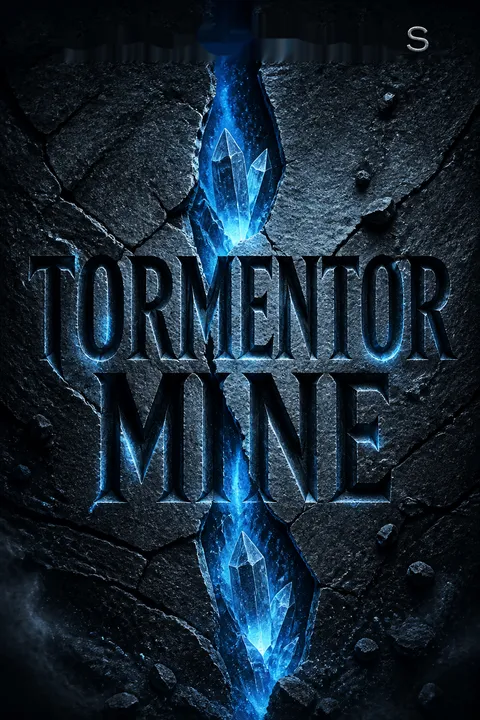
A modern fable of trauma, power, and the search for meaning in sufferingTormentor Mine is a dark, psychological exploration of the aftermath of violence—both personal and political. Through the entwined fates of Peter and Sara, the novel interrogates the boundaries between victim and perpetrator, love and obsession, autonomy and captivity. The story refuses easy answers, instead immersing the reader in the messy, contradictory realities of trauma and survival. It challenges the notion of clear-cut morality, depicting characters who are both damaged and damaging, capable of cruelty and tenderness in equal measure. The narrative's relentless focus on psychological intimacy forces the reader to confront uncomfortable truths about the human need for connection, even in the most twisted forms. Ultimately, the novel suggests that healing and destruction are two sides of the same coin, and that the search for meaning in suffering is both universal and deeply personal. The lessons are stark: the past cannot be undone, love is not always redemptive, and sometimes, survival means embracing the darkness within and without.
Review Summary
Tormentor Mine receives mostly positive reviews, with readers praising its dark, twisted plot and compelling characters. Many found Peter's obsessive nature and Sara's conflicted feelings captivating. Some reviewers felt the pacing was slow or the content not dark enough compared to expectations. The book's cliffhanger ending left readers eager for the sequel. Critics appreciated Zaires' writing style and ability to create complex anti-heroes, though a few found the premise disturbing.
Characters
Peter Sokolov
Peter is a former Russian Spetsnaz operative whose life is defined by the loss of his wife and son in a massacre caused by Western intelligence failures. His grief mutates into a cold, methodical quest for vengeance, turning him into a highly skilled assassin and fugitive. Peter's psyche is a battleground of rage, guilt, and longing for connection. His obsession with Sara begins as a means to an end but evolves into a twisted form of love. He is both monster and caretaker, capable of extreme violence and unexpected tenderness. His need for control is matched by a desperate hunger for intimacy, making him both terrifying and tragically human.
Sara Cobakis
Sara is a young doctor whose life is upended by violence and betrayal. Haunted by guilt over her husband's fate and her own perceived failures, she is driven by a need to help others even as she struggles with her own unraveling mind. Sara's psychological journey is one of survival—she is forced to navigate the impossible terrain between victimhood and agency, fear and desire. Her relationship with Peter is a crucible that exposes her vulnerabilities and strengths, pushing her to the limits of endurance. She is both a prisoner and a participant, her choices shaped by trauma and the need to protect those she loves.
George Cobakis
George is Sara's husband, a man whose double life as a journalist and covert operative brings destruction to everyone around him. His involvement in the operation that killed Peter's family is the catalyst for the entire narrative. George's descent into alcoholism and depression is a manifestation of his guilt and the burden of secrets. He is both victim and perpetrator, his actions setting in motion a chain of violence that outlives him. In death, he becomes a symbol of betrayal and the unknowability of those closest to us.
Tamila Sokolova
Tamila is Peter's wife, a young woman whose courage and defiance of tradition lead her to a brief, happy life with Peter. Her death, along with their son's, is the wound that drives Peter's transformation into a killer. Tamila represents the possibility of love and normalcy, a life that is forever out of Peter's reach. Her memory haunts him, shaping his actions and his inability to let go of the past.
Pasha Sokolov
Pasha, Peter's young son, is the embodiment of hope and the future that is stolen from Peter. His brutal death is the catalyst for Peter's descent into vengeance and obsession. Pasha's memory is both a source of pain and a justification for Peter's actions, a reminder of what was lost and what can never be regained.
Anton
Anton is Peter's closest ally and a member of his team. A former Spetsnaz pilot, he is the voice of reason and caution, often questioning Peter's obsession with Sara. Anton's loyalty is unwavering, but he is not blind to the dangers of Peter's path. He represents the possibility of another life, one not consumed by vengeance, but is ultimately drawn into Peter's orbit by friendship and necessity.
The Ivanov Twins (Yan and Ilya)
Yan and Ilya are twin brothers and key members of Peter's crew. Their skills in surveillance, logistics, and violence make them indispensable. They are less emotionally invested than Anton, treating their work as a business. The twins' presence underscores the professional, almost industrial nature of Peter's campaign of revenge, and their detachment highlights the contrast with Peter's personal motivations.
Agent Ryson
Ryson is the FBI agent tasked with protecting Sara and investigating Peter. He is both a protector and a manipulator, withholding information and making decisions that put Sara at risk. Ryson's actions are driven by bureaucratic necessity and a desire to contain the fallout from George's covert activities. He represents the failures of the system and the limits of institutional protection.
Karen
Karen is an FBI nurse-agent who supports Sara after her attack. She is a rare source of genuine care and understanding, helping Sara through her trauma and advocating for her safety. Karen's presence is a reminder of the possibility of healing and the importance of human connection in the aftermath of violence.
Marsha
Marsha is Sara's friend and colleague, a nurse who provides emotional support and practical advice. She is a touchstone of normalcy in Sara's increasingly surreal life, offering a counterpoint to the darkness that encroaches. Marsha's concern and persistence highlight the importance of friendship and the struggle to maintain connections in the face of trauma.
Plot Devices
Dual Narrative and Psychological Intimacy
The novel alternates between Peter and Sara's points of view, immersing the reader in their psychological states. This dual narrative structure allows for a deep exploration of trauma, guilt, and the shifting dynamics of power and desire. The reader is privy to both the predator's and the prey's inner worlds, blurring the lines between villain and victim. The use of close third-person and stream-of-consciousness techniques heightens the sense of intimacy and claustrophobia, drawing the reader into the characters' emotional turmoil.
Obsession as Plot Engine
Peter's obsession with revenge—and later with Sara—propels the narrative forward. His need for control and connection is mirrored by Sara's struggle for autonomy and survival. The plot is structured around escalating encounters, each one deepening the psychological entanglement between captor and captive. Obsession is both a source of danger and a twisted form of intimacy, shaping every interaction and decision.
Trauma Bonding and Stockholm Syndrome
The novel explores the phenomenon of trauma bonding, where the victim's dependence on the abuser for survival creates a complex emotional attachment. Sara's shifting feelings—fear, shame, desire, and reluctant affection—are depicted with nuance, challenging the reader's assumptions about agency and consent. The narrative uses this device to interrogate the nature of love, power, and the human capacity for adaptation in extreme circumstances.
Foreshadowing and Repetition
The story is laced with foreshadowing, from the early sense of being watched to the repeated imagery of chains, cages, and captivity. Dreams and nightmares serve as both literal and symbolic harbingers of what is to come, blurring the boundaries between reality and fantasy. The repetition of certain phrases and actions—Peter's brushing of Sara's hair, the ritual of shared meals—creates a sense of inevitability, reinforcing the inescapability of their bond.
The List and the Unfinished Vengeance
Peter's "list" of targets is both a literal and metaphorical device, representing his need for justice and the impossibility of true closure. The unfinished nature of his quest mirrors the unresolved trauma at the heart of the story. The list also serves as a plot mechanism, justifying Peter's continued presence in Sara's life and the perpetual threat of violence.
Tormentor Mine Series



About the Author
Other books by Anna Zaires



Download PDF
Download EPUB
.epub digital book format is ideal for reading ebooks on phones, tablets, and e-readers.








































