
Plot Summary
Island of Lost Children
Croaghnakeela is a remote Irish island, shrouded in fog and sorrow, where no children have lived for decades. The community is aging, isolated, and haunted by a mysterious evil that once stole away their young. The islanders live in fear, their homes lined with salt, their doors locked tight against the night. The absence of children is a wound that never heals, and the villagers' silence is both a shield and a shroud. The island's history is a tapestry of loss, secrets, and whispered legends, all centering on the enigmatic figure of Valentine Lavelle and the supernatural force known as the Bodach. The land itself seems to mourn, its stones and mists holding memories of vanished laughter and the weight of unspoken guilt.
The Debt of Croaghnakeela
The islanders' prosperity once came at a terrible price. Years ago, Lavelle arrived with promises of wealth and transformation, building an orphanage and lending money freely. But his generosity was a mask for something ancient and hungry. The villagers, blinded by greed and hope, entered into a pact they barely understood, marking their homes with Lavelle's "V" and unwittingly offering up their children to the Bodach. When the evil's true nature was revealed, it was too late. The islanders tried to pay back their debt with coins and sacrifices, but the Bodach's hunger was never sated. The community's complicity and cowardice became their curse, binding them to the island and to each other in a cycle of fear and betrayal.
Grace's Return Home
Grace Silke, adopted as a child and raised on the mainland, receives news of her biological mother's death and inherits a house on Croaghnakeela. Driven by a need to understand her past, she returns to the island, crossing the misty bay on a battered ferry. The island is bleak and unwelcoming, its people wary and withdrawn. Grace's arrival stirs old memories and new anxieties among the villagers. She is both a stranger and a native, carrying the legacy of her parents—Chrissy and Declan—whose own choices were shaped by the island's darkness. As Grace explores her childhood home, she is haunted by laughter in empty rooms and glimpses of children who should not exist.
The Priest's Secret Name
Father Richard O'Malley, the island's young priest, is not who he seems. Exiled from his former parish after a scandal involving his ability to see the dead, he has taken a new name and identity. Robin, as he was once known, is both a spiritual leader and a haunted man, carrying his own burdens of guilt and loss. He is drawn to Grace, recognizing in her a kindred spirit and perhaps a chance for redemption. Robin's gift allows him to sense the restless souls that linger on Croaghnakeela, and he becomes the island's reluctant chronicler and confessor, piecing together the truth behind the island's curse and the fate of its missing children.
The Laughter in the Mist
As Grace settles into her mother's house, she hears the laughter of children—impossible, given the island's history. She glimpses a boy at her door, hears footsteps in the hall, and feels the presence of something watching her. The villagers deny the existence of any children, but Grace's experiences suggest otherwise. The boundaries between past and present, living and dead, begin to blur. The island's mists are thick with memories, and Grace is drawn deeper into the mystery of what happened to Croaghnakeela's lost generation. Her encounters with the supernatural become more frequent and more dangerous, hinting at the Bodach's return.
Harriet's Haunted House
At the priest's urging, Grace visits Harriet, an elderly woman living alone in the grand, isolated Lavelle estate. Harriet is fragile, fearful, and convinced that her dead husband, Valentine Lavelle, still haunts the house. She warns Grace to keep her voice down, terrified that "he" will hear and follow her. The house is a mausoleum of secrets, its rooms cold and empty, its air thick with dread. Grace's attempts at kindness are met with warnings and pleas to leave. Upstairs, unseen, something moves. Harriet's terror is contagious, and Grace flees, pursued by the sound of weeping children and the certainty that she has been seen by the island's ancient evil.
The Bodach's Bargain
The Bodach, a shapeshifting, malevolent force, preys on the islanders' weaknesses. It bargains with desperate men like Declan, offering false hope in exchange for impossible sacrifices. Declan, ruined by gambling and drink, tries to save his family by offering up his wife and daughter, but the Bodach's games are always rigged. The villagers' attempts to appease the Bodach with salt, coins, and silence are futile. The Bodach feeds on fear, guilt, and broken promises, twisting the islanders' desires into their own undoing. Its presence is felt in every shadow, every creak of the floorboards, every child's cry that echoes through the night.
The Gathering at Finnerty's
The islanders gather at Finnerty's pub, their only refuge from the cold and the dark. Here, secrets are whispered, alliances are tested, and old wounds are reopened. The villagers debate what to do about the renewed hauntings and the return of the Bodach. Some advocate for sacrifice, others for flight, but all are paralyzed by fear and shame. The priest presses for the truth, and the villagers reluctantly recount the story of Lavelle, the orphanage, and the deals they made. The pub becomes a crucible of guilt, where the community's sins are laid bare and the price of survival is measured in blood.
The Orphanage's Dark Legacy
Lavelle's orphanage, built in secret on the island's western side, was never meant to be a sanctuary. It was a trap, a place where children were brought to be offered up to the Bodach. The villagers, complicit in its construction and operation, profited from Lavelle's wealth while turning a blind eye to the horrors within. The orphanage's ruins are buried and forgotten, but its legacy endures in the island's collective trauma. The children's spirits remain trapped, their suffering feeding the Bodach's power. The truth of the orphanage is the island's deepest shame, and its revelation is the key to understanding the curse that binds Croaghnakeela.
The Well of Sacrifice
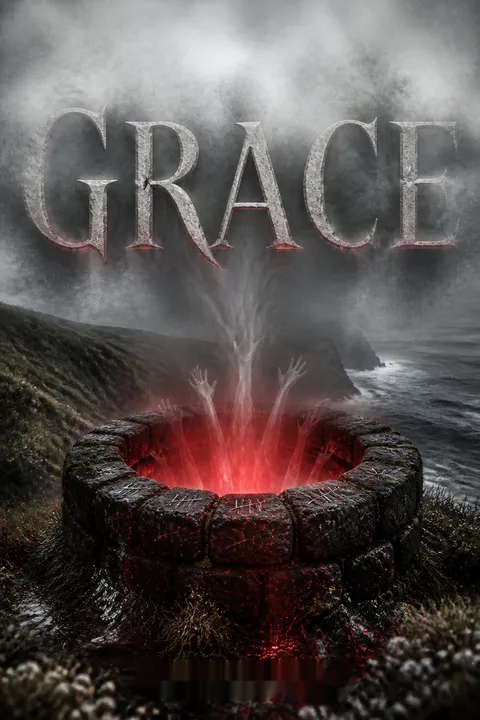
At the hilltop's ancient well, the villagers perform a weekly ritual, dropping coins into its depths as payment to the Bodach. The well is older than Christianity, its stones marked with mysterious notches—one for each week in seven years, the cycle of the phantom island Hy-Brasil. The well is both a portal and a prison, a place where offerings are made and souls are lost. When the Bodach's hunger grows, the villagers are forced to choose among themselves who will be sacrificed. The well becomes the stage for the community's darkest acts, where love and loyalty are tested against the instinct for self-preservation.
The Children in the Walls
Beneath the island, in a vast, hidden cavern, the spirits of the lost children are entombed in honeycombed walls. Their whispers and weeping fill the air, a chorus of suffering that only the gifted can hear. The Bodach feeds on their misery, keeping them imprisoned and powerless. Grace, herself a survivor of the island's curse, recognizes their plight and calls out to them, urging them to rise against their captor. The children's liberation becomes the turning point in the struggle against the Bodach, as their collective will and innocence prove stronger than the evil that bound them.
The Bodach Unleashed
As the Bodach's power grows, it possesses the bodies of the island's old men, warping them into monstrous forms. Tadgh Scuffel becomes its latest vessel, his body twisted and broken from within. The Bodach stalks the island, hunting for new victims and sowing terror among the survivors. The villagers' attempts to fight back are met with violence and despair. Sacrifices are made, bargains struck, and the line between human and monster blurs. The Bodach's true nature is revealed—not just a trickster, but a parasite, a force that thrives on the community's sins and fears.
The Price of Survival
Faced with extinction, the villagers turn on each other, debating who must be offered to the Bodach to ensure their own survival. Old grudges and hidden desires come to the surface as the community fractures. Some, like Wilberforce, find unexpected courage and selflessness, offering themselves in place of others. Others, like Finnerty, are consumed by guilt and regret. The cycle of sacrifice is exposed as a lie—the Bodach's hunger can never be satisfied, and every offering only deepens the island's damnation. The survivors must choose between repeating the sins of the past or breaking free from the curse.
The Dead Guide the Living
Robin's gift for seeing the dead becomes the island's last hope. Guided by the spirits of the lost, he descends into the heart of the island, seeking the source of the Bodach's power. Harriet, now revealed as a ghost herself, helps him find the entrance to the cavern beneath the hill. The dead, once victims, become guides and allies, showing Robin and Grace the way to confront the evil that has ruled Croaghnakeela for generations. The boundaries between worlds blur, and the living and the dead unite in a final act of defiance.
The Final Descent
Robin and Grace descend into the labyrinth beneath the hill, pursued by the Bodach and haunted by the memories of those who came before. The passage is lined with relics from the phantom island Hy-Brasil—objects of power and danger, each one a conduit for supernatural evil. The salt in the earth and water becomes their only protection. As they reach the cavern, they are confronted by the Bodach in its most monstrous form, and the spirits of the children rise to join the battle. The final confrontation is a test of faith, courage, and the power of innocence.
The Salt and the Sea
The salt in the sea, the salt in the earth, and the salt in the villagers' tears are the true weapons against the Bodach. As the children's spirits overwhelm the monster, the saltwater dissolves its power, freeing the souls trapped in the walls. The curse is broken, but at great cost. The survivors are forever changed, marked by the knowledge of what they have done and what they have lost. The island is left empty, its secrets exposed to the light at last. Grace and Robin, both dead and alive, find peace in the knowledge that the cycle has ended.
The Last Sacrifice
In the final moments, Wilberforce offers himself to the Bodach, sacrificing his life to save the others. His unexpected act of love and courage allows the remaining villagers to escape the island and begin anew. The Bodach, deprived of hosts and victims, is cast into the well, its power broken by the collective will of the living and the dead. The survivors leave Croaghnakeela behind, carrying with them the memory of those who were lost and the hope that the curse will never return.
The Portal to Hy-Brasil
The fog-shrouded phantom island of Hy-Brasil remains on the horizon, a reminder that the boundary between worlds is never fully closed. The relics and stories of Croaghnakeela become part of a larger tapestry of myth and memory, linking the island's fate to the ancient cycles of loss and renewal. Robin and Grace, now spirits themselves, watch as the survivors depart, knowing that their own stories have become part of the island's legend. The portal remains, but for now, the evil is at rest, and the island can begin to heal.
Analysis
A modern parable of guilt, community, and the cost of survival"Grace" by A.M. Shine is a gothic horror novel that uses the supernatural to explore deeply human themes: the corrosive effects of guilt, the dangers of complicity, and the possibility of redemption. The island of Croaghnakeela is both a setting and a metaphor—a place where the past is never truly buried, and where the sins of one generation are visited upon the next. The Bodach, as both monster and mirror, forces the characters to confront the consequences of their choices, revealing that evil thrives not just in the supernatural but in the everyday acts of cowardice, greed, and betrayal. The novel's structure—layered, cyclical, and haunted by the voices of the dead—reflects the complexity of memory and the difficulty of breaking free from inherited trauma. Yet, amidst the darkness, there is hope: in Grace's compassion, in Robin's courage, and in the collective action of the lost children. The story suggests that healing is possible, but only through honesty, sacrifice, and the willingness to face the truth. "Grace" is ultimately a meditation on the power of community—its capacity for both harm and healing—and a reminder that the past, no matter how painful, must be acknowledged if the future is to be reclaimed.
Review Summary
Grace receives mixed reviews, averaging 3.85/5. Readers consistently praise the atmospheric Irish island setting, compelling folklore, and Shine's signature prose. The first half earns particular enthusiasm for its slow-burning dread and mystery. Common criticisms include too many POVs making characters difficult to track, disjointed timeline jumps, and a second half that loses momentum. The abrupt ending divides readers, with some finding it shockingly effective and others feeling cheated. The Bodach villain is widely considered a highlight.
People Also Read
Characters
Grace Silke
Grace is the emotional heart of the story—a woman searching for her lost past and a sense of belonging. Adopted as a child, she returns to Croaghnakeela after her biological mother's death, inheriting not just a house but a legacy of trauma and secrets. Grace is compassionate, curious, and brave, but also deeply vulnerable, haunted by the laughter of unseen children and the weight of her parents' choices. Her journey is one of self-discovery and sacrifice, as she confronts the island's horrors and ultimately becomes a guide for the lost souls trapped beneath its surface. Grace's arc is a meditation on memory, identity, and the possibility of redemption even in the face of overwhelming darkness.
Father Richard O'Malley / Robin
Robin, living under the name Father Richard O'Malley, is a man running from his past and his own supernatural gift—the ability to see and communicate with the dead. His exile to Croaghnakeela is both punishment and opportunity, forcing him to confront the island's secrets and his own failures. Robin is empathetic, introspective, and burdened by guilt, but also possesses a quiet strength and a deep sense of responsibility. His relationship with Grace is central to the narrative, as he becomes both her protector and her confessor. Robin's journey is one of acceptance—of his gift, his past, and the necessity of facing evil with courage and compassion.
Valentine Lavelle / The Bodach
Lavelle is the catalyst for the island's downfall—a wealthy outsider whose arrival brings both hope and doom. As the Bodach, he is a shapeshifting, parasitic force that feeds on the community's greed, fear, and guilt. Lavelle's transformation from benefactor to monster is both literal and symbolic, embodying the dangers of unchecked desire and the consequences of moral compromise. The Bodach is a trickster, a tormentor, and a mirror for the villagers' darkest impulses. Its power lies in its ability to exploit weakness, and its defeat requires the community to confront the truth about themselves.
Harriet Lavelle
Harriet is both a survivor and a casualty of the island's curse. Once married to Lavelle, she becomes a prisoner in her own home, haunted by the ghost of her husband and the evil that possessed him. Harriet's fear is palpable, her isolation profound, and her story is a microcosm of the island's larger tragedy. She is fragile but not broken, and her eventual revelation as a ghost herself underscores the theme of unresolved trauma and the need for release. Harriet's interactions with Grace and Robin are pivotal, providing crucial clues and emotional resonance.
Declan O'Dwyer
Declan is Grace's biological father, a man undone by addiction and bad luck. His attempts to bargain with the Bodach are both pathetic and tragic, illustrating the futility of trying to outwit evil. Declan's choices set in motion the events that lead to Grace's adoption and the island's renewed suffering. He is a figure of remorse and wasted potential, embodying the theme of generational sin and the impossibility of escaping one's past.
Chrissy O'Dwyer
Chrissy is Grace's mother, whose love and sacrifice are the foundation of her daughter's survival. She sends Grace away to protect her from the island's curse, enduring loneliness and illness in the process. Chrissy's presence is felt throughout the narrative, her absence a constant ache. She represents the possibility of goodness and selflessness in a world corrupted by fear and greed.
Brendan McMorrow
Brendan is one of the island's elders, a man who knows more than he admits and struggles with the burden of complicity. He is practical, cautious, and deeply loyal to the community, but his loyalty is tainted by the choices he has made. Brendan's relationship with Robin is complex—part mentor, part adversary—and his ultimate betrayal is a reflection of the island's moral decay. He is both a guide and a gatekeeper, embodying the tension between tradition and change.
Fergal Wilberforce
Fergal is initially portrayed as a selfish, abrasive figure, more interested in drink and self-preservation than in the welfare of others. Yet, in the story's climax, he reveals a capacity for love and sacrifice, offering himself to the Bodach to save the remaining villagers. Fergal's transformation is a testament to the possibility of redemption, even for the most unlikely characters. His final act is both tragic and heroic, providing a measure of hope in the midst of despair.
John Finnerty
Finnerty is the owner of the island's pub, a gathering place for secrets and confessions. He is pragmatic, resourceful, and deeply scarred by the loss of his family to the Bodach. Finnerty's actions are driven by fear and regret, and his willingness to sacrifice others for his own survival is both understandable and damning. He is a symbol of the community's collective guilt and the corrosive effects of living under constant threat.
Sarah O'Toole
Sarah is one of the few remaining younger villagers, marked for sacrifice by the community's desperation. Her survival is a testament to resilience and the enduring power of love—her father's devotion, her own courage, and the sacrifices made by others on her behalf. Sarah's escape from the island represents the possibility of breaking the cycle of violence and beginning anew.
Plot Devices
The Bodach and the Trickster Bargain
The Bodach is both a supernatural antagonist and a metaphor for the community's sins. Its power is rooted in bargains, sacrifices, and the exploitation of fear and guilt. The Bodach's games—rigged and cruel—mirror the villagers' own moral compromises. Its ability to possess and warp human bodies blurs the line between monster and man, forcing characters to confront the darkness within themselves. The Bodach's defeat requires not just physical action but spiritual reckoning, as the community must acknowledge and atone for its collective failures.
The Well and the Portal
The well at the hilltop is both a literal and symbolic center of the island's curse. Marked with notches for each week in a seven-year cycle, it is a portal to the phantom island Hy-Brasil and a site of ritual sacrifice. The well's presence ties the island's fate to ancient pagan traditions, suggesting that the curse is older and deeper than any individual sin. The well is also a place of memory, where the community's history is both preserved and erased. Its role in the narrative is to anchor the supernatural within the landscape, making the island itself a character in the story.
The Children's Spirits and the Power of Innocence
The spirits of the lost children are both victims and agents of change. Their suffering sustains the Bodach, but their eventual uprising is what breaks its power. The children's innocence, once exploited, becomes a force for liberation when united. Their whispers, laughter, and weeping are both haunting and hopeful, reminding the living of what has been lost and what can still be saved. The children's liberation is the story's emotional climax, transforming tragedy into a possibility for healing.
The Priest's Gift and the Dead as Guides
Robin's ability to see and communicate with the dead is both a curse and a blessing. It isolates him from the living but connects him to the island's true history. The dead serve as guides, confessors, and witnesses, helping the living to navigate the labyrinth of secrets and confront the evil at the island's heart. This device allows for a narrative structure that moves fluidly between past and present, memory and reality, and underscores the theme that the dead are never truly gone as long as their stories are remembered.
Foreshadowing and Narrative Structure
The novel employs a structure of gradual revelation, with secrets and histories unfolding through confessions, ghostly encounters, and shifting perspectives. Foreshadowing is used to build tension—laughter in empty rooms, unexplained knocks, and the ever-present fog hint at the supernatural long before it is fully revealed. The cyclical nature of the island's curse is mirrored in the narrative's return to key locations (the well, the pub, the orphanage) and the repetition of rituals and sacrifices. The story's resolution is both an ending and a beginning, suggesting that the struggle between light and darkness is ongoing.
Download PDF
Download EPUB
.epub digital book format is ideal for reading ebooks on phones, tablets, and e-readers.








































