
Plot Summary
Nighttime Fears and Games
Elodie January, a young mother, tries to soothe her son Jude to sleep in their new, old Victorian house in Virginia. Their nightly routine is fraught with tension—Jude is sensitive, prone to meltdowns, and clings to rituals and games like "Simon Says" to cope. Elodie, exhausted and desperate for connection, tries to comfort him, but their relationship is strained by his unpredictable moods and her own anxieties. The house, with its creaks and shadows, unsettles them both. Jude insists he hears breathing in the walls, fueling Elodie's unease. She tries to reassure him, but beneath her calm, she fears she's failing as a mother and that her son's love is slipping away.
The House's Uneasy Welcome
Elodie and Jude have only recently moved into the house with Bren, Elodie's new husband and Jude's stepfather. The house is Bren's inheritance, a project he's obsessed with restoring. Elodie feels out of place, haunted by her past in Australia and the judgment of Bren's family. The house itself seems to resist their presence—cold, unfinished, and full of unsettling noises. Elodie's attempts to settle in are undermined by her constant worry for Jude's safety and her own sense of displacement. The house becomes a symbol of both hope and dread, a place where she might finally belong or be consumed by her own fears.
Meltdowns and Motherhood
Elodie's days are a cycle of managing Jude's outbursts and trying to maintain a semblance of normalcy. Jude's behavior is challenging—he's small for his age, struggles with change, and lashes out physically. Elodie's patience is frayed, and she often feels judged by others, especially Bren's family, who seem to have perfect children. The pressure to be a good mother is overwhelming, and Elodie is haunted by the fear that something is fundamentally wrong with her or her son. The house's unfinished state mirrors her own sense of inadequacy and the chaos of her life.
Whispers in the Walls
As Elodie spends more time alone in the house, she becomes increasingly disturbed by strange sounds and sensations—breathing in the walls, wetness behind the wallpaper, and a sense of being watched. Jude's fears intensify, and he insists the house is alive and hungry. Elodie tries to rationalize these experiences, blaming her exhaustion and the stress of pregnancy, but the house's presence becomes harder to ignore. Her isolation deepens as Bren dismisses her concerns, and she begins to question her own sanity.
The Past That Haunts
News of her parents' deaths in Australia reaches Elodie, reopening wounds she thought she'd left behind. The revelation that her parents died by suicide, possibly as a result of her leaving, fills her with guilt and grief. Memories of her difficult childhood, her brother's death, and her strained relationship with her parents flood back. Elodie's sense of self unravels as she confronts the possibility that she is cursed or inherently broken. The house becomes a vessel for her unresolved pain, its walls absorbing her secrets and sorrows.
The House's Hunger
The house's hostility escalates—Elodie is physically hurt by slamming doors and collapsing floorboards, and she finds evidence of blood and rot behind the wallpaper. Jude's fears reach a fever pitch, convinced the house wants to eat him. Elodie's attempts to protect him become more frantic, but she is increasingly isolated as Bren takes control, questioning her fitness as a mother. The house's hunger becomes a metaphor for Elodie's own desperation and the consuming nature of her guilt and fear.
Family, Secrets, and Lies
Tensions between Elodie and Bren reach a breaking point as secrets come to light—about Jude's age, Elodie's past, and Bren's intentions. Bren's family's suspicions and interventions add to the pressure, and Elodie feels trapped by expectations and surveillance. The couple's relationship deteriorates into mutual suspicion and resentment, each accusing the other of harming Jude. The house, once a symbol of hope, now feels like a prison, its walls closing in as their family fractures.
The Dollhouse and the Dark
The nursery's dollhouse becomes a focal point for Jude's fears and Elodie's anxieties. Games meant to comfort and control spiral into power struggles, and the boundaries between play and reality blur. Elodie's attempts to manipulate Jude's perception of his age and experiences backfire, deepening his confusion and distress. The house's influence seems to seep into their interactions, turning ordinary objects and routines into sources of dread.
Breaking Points and Bruises
Physical and emotional violence escalate—Jude is injured, Elodie is hurt, and Bren's interventions become more forceful. Accusations of abuse fly in all directions, and the threat of outside intervention looms. Elodie's grip on reality weakens as she becomes convinced the house is actively trying to harm her and Jude. The family's dysfunction is laid bare, and the possibility of escape or redemption seems increasingly remote.
The House Bleeds
Driven by desperation, Elodie tears open the walls, uncovering literal and metaphorical rot—mold, blood, and evidence of long-standing neglect. In the basement, she discovers Bren's secret: he has been stalking her for years, collecting photos and information. The house's poison is revealed to be both environmental and psychological, a manifestation of the damage inflicted by secrets, lies, and unresolved trauma. The confrontation between Elodie and Bren turns violent, culminating in a deadly struggle.
The Basement's Secret
In the aftermath of violence, Elodie and Bren confront the full extent of their mutual destruction. The house, now a crime scene and a tomb, becomes the final arbiter of their fate. Jude, traumatized and silent, is caught between them. Elodie's realization that she cannot save her son—or herself—by staying leads to a final, desperate act. The house's hunger is sated, but at a terrible cost.
The Stalker's Truth
Flashbacks reveal the origins of Elodie and Bren's relationship—her troubled youth, his obsession, and the series of choices that led them to this point. Both are revealed as products of trauma, seeking salvation in each other and failing. The house, a symbol of their shared delusions and desires, becomes the stage for their final confrontation. The truth of their actions—murders, lies, and betrayals—cannot be hidden any longer.
Hide-and-Seek in the Walls
Jude disappears into the walls, and Elodie and Bren are united in terror as they try to find him. The house becomes a labyrinth, its boundaries shifting and its dangers multiplying. The search is both literal and symbolic—a quest for redemption, forgiveness, and escape. In the end, only one can claim Jude, and the cost is devastating.
The Final Game
The struggle for Jude's custody and love reaches its climax. Elodie, realizing she cannot save him by holding on, makes the ultimate sacrifice—letting him go. The house, now fully revealed as a manifestation of generational trauma and abuse, claims its due. Elodie's final acts are both violent and redemptive, breaking the cycle at last.
Letting Go
In the aftermath, Elodie leaves Jude with Bren's sister, Ava, recognizing that she cannot be the mother he needs. She disappears, pregnant and alone, determined to try again and be better. The house stands as a monument to all that was lost and all that cannot be reclaimed. The story ends with the possibility of healing, but no easy answers—only the hope that, this time, she might do nothing wrong.
Analysis
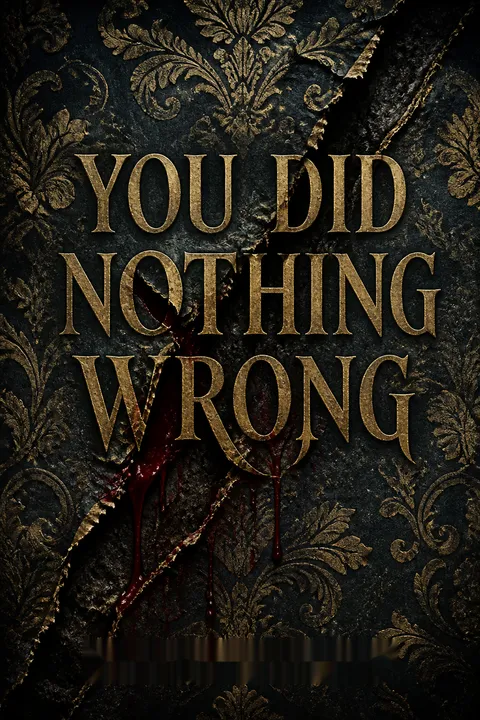
A harrowing portrait of generational trauma and the hunger for love"You Did Nothing Wrong" is a psychological horror novel that uses the haunted house trope to explore the devastating effects of abuse, neglect, and unresolved grief. The house is both a literal danger and a metaphor for the cycles of trauma that trap families across generations. Elodie's desperate attempts to be a good mother, to control her son and her environment, are doomed by the wounds she carries and the secrets she cannot escape. Bren's obsession with fixing the house and building a perfect family is revealed as another form of denial and control, rooted in his own losses and delusions. The novel's nonlinear structure and unreliable narration immerse the reader in the characters' confusion and pain, making the horror both intimate and inescapable. Ultimately, the story offers no easy redemption—only the possibility that breaking the cycle sometimes means letting go, even when it feels like a betrayal. The final message is both bleak and compassionate: survival is messy, love is imperfect, and sometimes doing "nothing wrong" is the hardest thing of all.
Review Summary
Reviews for You Did Nothing Wrong are largely positive, averaging 4.03/5 stars. Readers praise the suffocating psychological tension, unreliable narrator, and atmospheric horror. Many highlight the complex portrayal of autism and the raw, unsettling depiction of motherhood. The prose is frequently described as hauntingly beautiful, though some find it overwritten. Elodie is polarizing—compelling yet deeply unlikable. The haunted house ambiguity and twisting plot kept readers hooked, though a few found the ending rushed or unsatisfying. The audiobook narration by Saskia Maarleveld received near-universal acclaim.
Characters
Elodie January
Elodie is a young Australian woman whose life is marked by trauma, loss, and a desperate need for love and belonging. She became a mother as a teenager, raising Jude in isolation and poverty after her own family rejected her. Elodie's relationship with her son is fraught—she loves him fiercely but is overwhelmed by his needs and her own inadequacies. Her move to Virginia with Bren is an attempt at a new start, but the ghosts of her past and the pressures of motherhood threaten to consume her. Elodie is psychologically complex—both victim and perpetrator, loving and destructive, trapped in cycles of guilt and longing. Her journey is one of self-destruction and, ultimately, painful self-awareness.
Jude
Jude is Elodie's six-year-old son, small for his age and developmentally delayed. He is deeply attached to routines and rituals, prone to meltdowns, and struggles to communicate his needs. Jude's relationship with his mother is intense—he both craves her affection and resists her control. The move to the new house and the arrival of Bren destabilize him further, and he becomes convinced the house is alive and dangerous. Jude is both a victim of his parents' dysfunction and a mirror for their fears and failures. His ultimate fate is shaped by the choices of the adults around him.
Bren January
Bren is Elodie's husband and Jude's stepfather, a young man obsessed with restoring his inherited Victorian house. Outwardly kind, supportive, and eager to build a family, Bren harbors deep insecurities and a need for control. His fixation on Elodie borders on stalking—he has followed her for years, collecting information and orchestrating their relationship. Bren's desire to "fix" Elodie and Jude is both loving and suffocating, and his inability to confront his own trauma leads to destructive choices. As the story unfolds, Bren's darkness is revealed, culminating in violence and tragedy.
Ava
Ava is Bren's older sister, a model of competence and maternal perfection. She is both a source of support and judgment for Elodie, representing the unattainable ideal of motherhood. Ava's own struggles are hinted at—her desire for another child, her careful management of family secrets—but she ultimately becomes the person who offers Jude a chance at safety when Elodie can no longer care for him.
Elodie's Parents
Elodie's parents are defined by loss—the death of their young son—and their inability to love or support Elodie. Their neglect and emotional abuse shape Elodie's sense of self and her approach to motherhood. Their eventual deaths by suicide haunt Elodie, fueling her guilt and sense of doom.
Jude's Biological Father
The unnamed boy from Elodie's past is less a character than a symbol—of abandonment, lost innocence, and the randomness of fate. His absence underscores Elodie's isolation and the challenges she faces as a single mother.
Maria
Maria is the Italian grocer who shelters Elodie after she flees Virginia. She represents the possibility of kindness and healing, offering Elodie a chance to start over and care for her new baby in safety.
Maria's Grandson
The grocer's grandson is a quiet, artistic young man who forms a tentative connection with Elodie. He represents hope, the possibility of new love, and the chance to break the cycle of trauma.
The House
The Victorian house is both setting and character—a vessel for the family's secrets, fears, and violence. It is described as alive, hungry, and hostile, mirroring the psychological states of its inhabitants. The house's rot, mold, and bleeding walls are both literal dangers and metaphors for generational trauma and the inability to escape the past.
The Baby
Elodie's unborn (and later, newborn) child represents her longing for redemption and the possibility of doing better. The baby is both a chance to start over and a reminder of the cycles she cannot break.
Plot Devices
Haunted House as Psychological Mirror
The Victorian house is more than a setting—it is a living, breathing entity that reflects and amplifies the psychological states of its inhabitants. Its creaks, rot, and bleeding walls are both supernatural and symbolic, representing the legacy of abuse, neglect, and unresolved grief. The house's hunger mirrors Elodie's own desperation and the consuming nature of guilt and fear. As the family unravels, the house becomes increasingly hostile, culminating in violence and tragedy.
Unreliable Narration and Shifting Perspectives
The narrative frequently shifts between present events, flashbacks, and hallucinations, blurring the line between reality and perception. Elodie's mental state deteriorates under stress, and her experiences in the house become increasingly surreal. The use of games, rituals, and childhood memories as narrative devices deepens the sense of unreality and highlights the cyclical nature of trauma.
Games as Control and Connection
Throughout the novel, games like "Simon Says" and hide-and-seek are used by Elodie to manage Jude's behavior and maintain a sense of control. These games become metaphors for the power struggles within the family and the ways in which love, obedience, and survival are negotiated. The final hide-and-seek in the walls is both a literal and symbolic climax, representing the ultimate stakes of their dysfunctional dynamic.
Foreshadowing and Symbolism
The novel is rich in foreshadowing—Jude's fears of the house, the recurring motif of blood and rot, the references to past deaths and disappearances. Objects like the dollhouse, the rabbit, and the circular saw take on symbolic weight, representing innocence lost, cycles of violence, and the tools of both creation and destruction.
Flashbacks and Nonlinear Structure
The story unfolds in a nonlinear fashion, with frequent flashbacks to Elodie's childhood, her relationship with Bren, and the events that shaped her. These interludes provide crucial context for the present-day drama and reveal the deep roots of the characters' dysfunction. The structure reinforces the theme that the past cannot be escaped—it must be confronted and, if possible, transformed.
About the Author
Other books by C.G. Drews



Download PDF
Download EPUB
.epub digital book format is ideal for reading ebooks on phones, tablets, and e-readers.








































