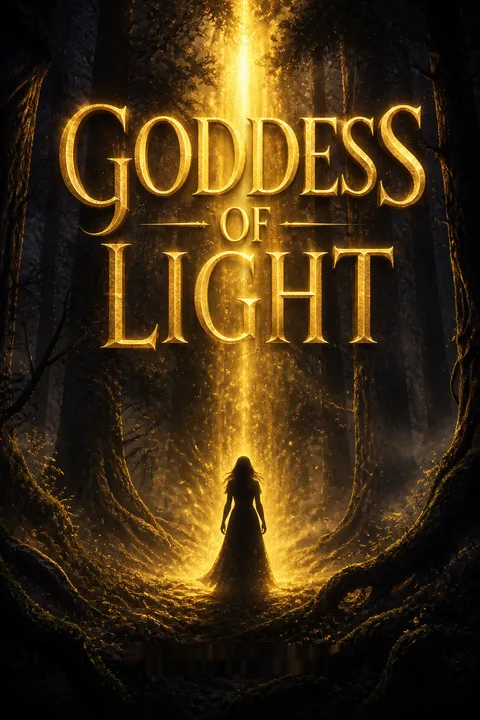

Plot Summary
Sunlight and Shadowed Bloodlines
Hanna, once mortal, now stands at the crossroads of her humanity and divinity. Her reunion with her true mother, Päivätär, the Sun Goddess, reveals her birth was no accident but a calculated hope to save the Underworld. Hanna's sense of belonging is both exhilarating and terrifying as she's swept into a destiny she never asked for. The warmth of her mother's realm is intoxicating, but the knowledge that her powers are meant for war weighs heavily. The revelation that her humanity is her greatest strength—and potential weakness—sets the stage for a journey where love, loss, and sacrifice will define the fate of Tuonela.
The Prophecy's Reluctant Daughter
Hanna's transformation is not just physical but existential. She is torn between the radiant power of the sun and the grounding ache of her mortal ties. Her mother insists she must leave the sun's embrace to fulfill a prophecy: only light can fight darkness. Hanna's doubts and fears are palpable as she's thrust into a world unraveling under the threat of Louhi and the Old Gods. The prophecy is not a gift but a burden, and Hanna's struggle to accept her role is mirrored in her relationships—with her father, her lover Tuoni, and the gods and mortals who depend on her.
Forests of Grief and Fury
The Hiisi Forest becomes a crucible for the gods and their allies. Lovia, Death's daughter, and the enigmatic Magician navigate betrayal, pain, and the monstrous Old Gods. The forest is both sanctuary and battleground, haunted by the deaths of Mielikki and Nyyrikki, and the ever-present threat of Louhi's corruption. Grief is raw, fueling both rage and resolve. The gods' humanity—once a source of shame—becomes their greatest weapon, as compassion and fury intertwine in the face of overwhelming darkness.
Death's Mortal Army
Tuoni, the God of Death, finds himself in the mortal world, assembling an army of Finnish soldiers to reclaim his realm. The boundaries between god and man blur as Tuoni manipulates minds and strategies, wrestling with the ethics of coercion and the limits of his power. The alliance is uneasy, but necessity forges bonds. The journey back to Tuonela is fraught with uncertainty, and the cost of war—on both sides of the veil—becomes increasingly clear.
Becoming Divine, Becoming Lost
Hanna's journey to the sun is both an ascension and a descent. The Crucible of Awakening strips her of her mortal limitations, but the price is steep: the more power she wields, the more distant she becomes from those she loves. Her return to Tuonela is marked by a growing detachment, her memories and emotions slipping away. The tension between godhood and humanity is no longer theoretical—it is a battle for her very soul.
Old Gods Awaken
Louhi's machinations bring the Old Gods back into the world, their power warping the land and the afterlife. The gods and their allies are beset on all sides—by monsters, betrayal, and the unraveling of the natural order. The stakes are raised as the boundaries between life and death, order and chaos, are shattered. The gods' vulnerabilities are exposed, and the cost of failure is nothing less than eternal oblivion.
The Sun's Price
Hanna's use of her divine power in battle saves her allies but comes at a terrible cost: each time she unleashes the sun, she loses more of her humanity, her memories, and her love. The tension between saving the world and saving herself becomes unbearable. The gods and mortals around her grieve not just for the dead, but for the living who are slipping away. The question of what is worth sacrificing—power or love—becomes the heart of the struggle.
The Gathering of Allies
In the face of annihilation, the gods gather what allies they can: trolls, mermaids, mortals, and even the enigmatic Magician. Old grievances are set aside as necessity demands unity. The planning is desperate, the resources thin, but hope flickers in the shared resolve. The gods' humanity—once a liability—is now their greatest strength, as empathy and cooperation become the keys to survival.
The Siege of Syntri
The battle for Castle Syntri is brutal and unrelenting. The gods and their mortal allies are pushed to the brink, their defenses crumbling under the onslaught of Louhi's forces and the Old Gods. Just as defeat seems certain, Hanna returns in a blaze of sunlight, turning the tide. But victory is bittersweet—her power saves the day, but her detachment leaves those who love her mourning the loss of the woman she was.
The Return of the Queen
Hanna's triumphant return is marred by her emotional distance. She is a savior, but no longer the woman her loved ones remember. The gods and mortals celebrate survival, but the cost is clear: power has come at the expense of connection. The struggle to reclaim Hanna's humanity becomes as urgent as the battle against Louhi. The question of what it means to be a god—or a person—hangs heavy in the air.
The Cost of Power
The aftermath of battle is a landscape of grief. The dead are mourned, the wounded tended, and the survivors haunted by what they have lost. Hanna's struggle to reclaim her humanity is mirrored in the grief of Tuoni, Lovia, and the others. The price of victory is counted not just in bodies, but in broken hearts and shattered selves. The gods are forced to confront the limits of their power and the necessity of sacrifice.
The Battle for Tuonela
The journey to Shadow's End is a gauntlet of monsters, betrayal, and heartbreak. Allies fall, old wounds are reopened, and the final battle against Louhi and Rangaista looms. The gods and their companions are pushed to their limits, forced to choose between vengeance and mercy, power and love. The cost of victory is higher than anyone imagined, and the line between hero and victim blurs.
Sacrifice and Surrender
In the aftermath of the final battle, the survivors are faced with an impossible choice: to restore the dead, Hanna must give up her power, and the Magician must become the new void, the judge of souls. The act of surrender is both devastating and redemptive. The gods and mortals are forced to accept that true power lies not in domination, but in the willingness to let go—for love, for hope, for the future.
The Void's New Keeper
The Magician's transformation into the new void is both an ending and a beginning. His sacrifice ensures that only the truly evil are lost, while the rest are restored to life. Lovia's heartbreak is profound, but the lesson is clear: love and loss are inseparable, and the willingness to sacrifice is the highest form of strength. The new order of death is born from compassion, not cruelty.
The Undoing of Oblivion
Hanna's final act of power undoes the curse of Oblivion, restoring the dead to life and giving the world a second chance. The cost is her divinity, but the reward is the return of those she loves—and the hope of a better future. The gods and mortals are reunited, but the scars of war remain. The new world is fragile, but it is built on the foundation of love, sacrifice, and the hard-won wisdom of suffering.
The Restoration of the Dead
The return of the dead is both joyous and bittersweet. Families are reunited, old wounds are healed, and the world is remade. But the memory of loss lingers, a reminder that every gift comes with a price. The gods and mortals must learn to live with the consequences of their choices, to honor the past while building a new future. The restoration is not a return to innocence, but a step toward maturity.
The Weight of Grief
In the quiet aftermath, the survivors grapple with grief, guilt, and the challenge of moving forward. The library becomes a sanctuary for healing, a place where the past is honored and the future imagined. Lovia's heartbreak for the Magician is a microcosm of the world's pain, but also its resilience. The lesson is not to forget, but to carry the weight of loss with grace and courage.
The Library's Quiet Heart
The Library of the Veils, once a place of knowledge, becomes a symbol of the world's restoration. Lovia and Rasmus, survivors of betrayal and loss, find solace in rebuilding, in remembering, and in the quiet hope that love endures beyond death. The stars above are a reminder that those we love are never truly gone, and that the universe is both infinite and intimate.
The New Order of Death
With the restoration of the dead and the defeat of Louhi, Tuonela enters a new era. The gods and mortals must learn to live together, to build a world where power is tempered by compassion and justice by mercy. Hanna and Tuoni, reunited in love, become the heart of this new order—a testament to the power of sacrifice, the necessity of grief, and the enduring strength of hope.
Analysis
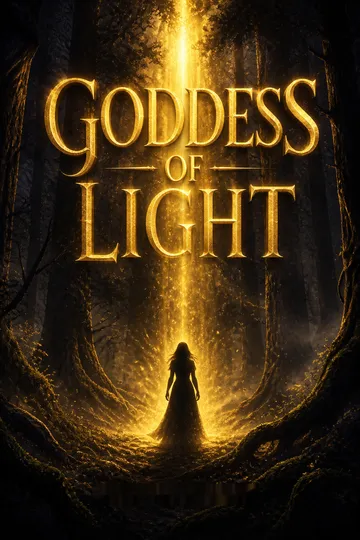
Goddess of Light is a sweeping, emotionally charged conclusion to a series that reimagines Finnish mythology through the lens of modern fantasy and romance. At its core, the novel is a meditation on the nature of power, the necessity of sacrifice, and the redemptive potential of love and grief. The story's greatest strength lies in its refusal to offer easy answers: every victory is paid for in pain, and every act of heroism is shadowed by loss. The characters' struggles with identity, memory, and belonging are deeply human, even as they wield godlike power. The novel's structure—built on cycles of transformation, loss, and renewal—mirrors the mythic themes it explores, while its ensemble cast allows for a nuanced exploration of trauma, healing, and hope. Ultimately, Goddess of Light argues that true strength lies not in the denial of pain, but in the willingness to feel it fully, to let it shape us, and to choose love—even when it hurts. The restoration of the dead, the reordering of the afterlife, and the forging of a new world are not just plot resolutions, but metaphors for the work of living: to grieve, to forgive, to rebuild, and to hope. In a world where darkness is always waiting, the light we carry within—and the love we share—is the only true magic.
Review Summary
Goddess of Light receives mixed reviews with a 3.72 overall rating. Many readers express disappointment with this series finale, citing pacing issues, excessive battle scenes, and underdeveloped plot points like Hanna's ascension. Common criticisms include too much character introspection, convenient plot solutions, rushed writing, and decreased romance/spice compared to earlier books. Several reviewers note the first two books were stronger. However, positive reviews praise the multiple POVs, emotional depth, character growth, and satisfying conclusion. The Magician and Lovia's storyline receives particular acclaim. Readers appreciate the Finnish mythology elements and find the ending bittersweet but fitting.
People Also Read
Characters
Hanna Heikkenen
Hanna is the heart of the story—a mortal woman thrust into the role of prophecy, daughter of the Sun Goddess, and Queen of Tuonela. Her journey is one of transformation, as she struggles to reconcile her humanity with her divine power. Hanna's greatest strength is her compassion, but it is also her greatest vulnerability. Her love for Tuoni, her loyalty to her friends, and her fear of losing herself drive the emotional arc of the novel. As she gains power, she risks losing her memories and emotions, becoming a distant, godlike figure. Her ultimate sacrifice—giving up her divinity to restore the dead—cements her as a hero defined not by strength, but by the willingness to let go.
Tuoni (Death)
Tuoni is the God of Death, ruler of Tuonela, and Hanna's lover and husband. He is a figure of immense power and deep sorrow, haunted by the loss of his children and the corruption of his realm. Tuoni's journey is one of humility and growth, as he learns to value love and vulnerability over control and pride. His relationship with Hanna is the emotional anchor of the story, and his willingness to sacrifice for her—and for the world—marks his transformation from a distant god to a true king. Tuoni's grief is both his weakness and his strength, driving him to fight for a better world.
Lovia (Loviatar)
Lovia is Tuoni's daughter, a fierce and capable general who struggles with her own humanity. Her journey is one of self-acceptance, as she learns that her compassion is not a weakness, but a source of strength. Lovia's relationship with the Magician is a study in vulnerability and loss, and her grief for her brother Tuonen and her lover is a microcosm of the world's suffering. Lovia's arc is defined by her willingness to fight for others, even at the cost of her own happiness, and her ultimate acceptance of love and loss as inseparable.
The Magician
The Magician is an enigmatic figure, neither god nor mortal, who serves as the judge of souls and the keeper of the void. His motivations are inscrutable, but his actions are guided by a deep sense of justice and compassion. The Magician's relationship with Lovia is a rare glimpse into his humanity, and his ultimate sacrifice—becoming the new void to hold the evil souls—marks him as a figure of profound selflessness. The Magician's arc is one of evolution, as he moves from observer to participant, and finally to the silent guardian of the world's balance.
Louhi
Louhi is the primary antagonist, a former goddess twisted by ambition, pain, and the legacy of her demonic father. Her relationship with her children is defined by manipulation and betrayal, and her quest for power is both tragic and terrifying. Louhi's actions drive the plot, unleashing the Old Gods and plunging Tuonela into chaos. Her defeat is not just a victory for the heroes, but a reckoning with the dangers of unchecked power and the cost of abandoning love.
Rasmus
Rasmus is a complex figure—son of Louhi and Torben, half-brother to Hanna and Lovia. His journey is one of betrayal, guilt, and redemption. Initially an antagonist, Rasmus's actions are driven by jealousy and a desperate need for belonging. His eventual sacrifice to save Lovia marks his transformation, and his resurrection is a testament to the power of forgiveness and the possibility of change. Rasmus embodies the novel's theme that no one is beyond redemption.
Tuonen
Tuonen is Tuoni's son, a figure caught between duty and desire, life and death. His journey is one of suffering and resilience, as he endures imprisonment, torture, and ultimately death. Tuonen's relationship with his family is fraught with pain, but his return in the end is a symbol of hope and the possibility of healing. Tuonen's arc is a reminder that even the most broken can be restored.
Vellamo
Vellamo is the Goddess of the Sea, a figure of strength and sorrow. Her journey is marked by the loss of her husband Ahto and the struggle to protect her people. Vellamo's resilience and compassion make her a vital ally, and her willingness to fight despite her wounds is a testament to the power of endurance. Vellamo's arc is one of survival, healing, and the quiet strength of those who carry on.
Tapio
Tapio is the God of the Forest, a figure of wisdom and gentleness. His death is one of the novel's most poignant moments, a sacrifice that underscores the cost of war and the fragility of life. Tapio's legacy lives on in his children and in the renewed world, a reminder that the greatest strength lies in nurturing and protecting others.
Sarvi
Sarvi is more than a magical creature—he is a symbol of loyalty, resilience, and the enduring power of friendship. His suffering and survival mirror the world's journey from darkness to light, and his presence is a reminder that even in the bleakest moments, hope endures.
Plot Devices
Prophecy and Sacrifice
The narrative is structured around the tension between prophecy and free will, with Hanna as the reluctant savior whose destiny is both a gift and a curse. The use of prophecy drives the plot, but the true heart of the story is the willingness to sacrifice—power for love, self for others, and certainty for hope. The recurring motif of sacrifice is mirrored in the structure of the novel, with each major victory coming at a terrible cost. The use of foreshadowing—visions, dreams, and the warnings of the Magician—creates a sense of inevitability, but the characters' choices give the story its emotional weight. The interplay between divine power and human vulnerability is the engine of both plot and character development.
Duality and Transformation
The novel is built on contrasts: sun and shadow, life and death, love and loss. Characters are constantly transformed—by power, by grief, by love. The structure of the story mirrors this duality, with moments of triumph followed by devastating loss, and acts of violence balanced by acts of compassion. The use of mirrors, doubles (Salainen as Hanna's dark twin), and shifting identities reinforces the theme that true strength lies in embracing both sides of oneself. The transformation of the Magician into the new void is the ultimate expression of this device, turning absence into presence, and loss into hope.
Ensemble Cast and Interwoven Fates
The story is told through a shifting ensemble of voices—Hanna, Tuoni, Lovia, the Magician, and others—each bringing their own perspective and emotional truth. The interweaving of their fates creates a tapestry of connection, where every action has consequences for the whole. The use of parallel journeys—Hanna's struggle with divinity, Tuoni's battle with grief, Lovia's search for love—creates a sense of unity and shared purpose. The ensemble structure allows for a rich exploration of themes, and the interplay of voices gives the story its depth and resonance.
Underworld Gods Series Series
Download PDF
Download EPUB
.epub digital book format is ideal for reading ebooks on phones, tablets, and e-readers.








































