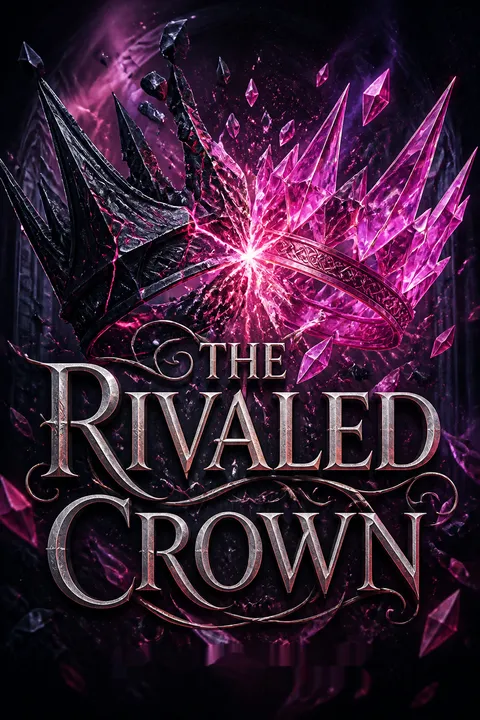

Plot Summary
Chains and Shadows
Verena, the king's daughter, awakens chained in a freezing cell, her body battered and spirit tested by her father's relentless cruelty. The king, a master of psychological torment, demands she reveal her hidden magic, threatening her with death and worse. Verena clings to memories of Dacre, the rebel she loves, as her only solace. The king's methods grow more brutal, and Verena's sense of self-worth is eroded by his words. Yet, a fragile ember of hope persists—Dacre's promise, the memory of his touch, and the belief that he will come for her. The chapter sets the tone of despair and resistance, establishing Verena's internal struggle and the suffocating shadow of her father's power.
Bonds Severed, Bonds Forged
Dacre, once a rebel leader, finds himself shackled in a ship's hold, tormented by guilt for failing to protect Verena. Driven by love and desperation, he orchestrates a violent escape, overpowering his captors and braving the treacherous sea. His journey is marked by pain, exhaustion, and the haunting sense of being hunted by his own people. Upon reaching land, he is met by allies Kai and Wren, but the reunion is bittersweet—Dacre's loyalty to Verena has made him a traitor in the eyes of the rebellion. The chapter explores the cost of love and the forging of new bonds in the crucible of betrayal.
The King's Daughter
Verena endures her father's escalating cruelty, both physical and psychological. The king's obsession with her power and his need to break her will are revealed as he manipulates her with threats against those she loves. Micah, a figure from her past, appears as both betrayer and reluctant ally, torn between his own family's safety and Verena's suffering. The chapter delves into the complexity of trust, the scars of betrayal, and the resilience required to survive in a world where every relationship is a potential weapon.
Rebellion's Prisoner
Dacre, now a prisoner of the rebellion, is forced to confront the shifting allegiances and moral ambiguities of war. His father, the rebellion's leader, sees Dacre's love for Verena as a liability, a threat to the cause. The council debates Dacre's fate, torn between vengeance and the hope he represents. Dacre's memories of his mother, a symbol of lost ideals, haunt him as he struggles to reconcile his love for Verena with his duty to the rebellion. The chapter explores the cost of leadership, the pain of exile, and the longing for redemption.
Hope and Betrayal
Verena's isolation deepens as she is manipulated by illusions and forced to confront the truth about her own magic. Micah's betrayal is revealed to be rooted in his own desperation, and Verena's trust in those around her is shattered. In a moment of crisis, her latent power erupts—she is a siphon, able to drain magic from others. The revelation terrifies her, as she realizes she may be the very weapon her father desires. The chapter is a crucible of identity, where hope and betrayal intertwine, and Verena's sense of self is forever altered.
The Council's Judgment
Dacre faces the rebellion's council, accused of treason for his love of Verena. He offers them the secret of the palace tunnels in exchange for her safety, leveraging his knowledge and the loyalty of his friends. The council is divided, torn between pragmatism and fear. Dacre's plea is not just for Verena, but for the soul of the rebellion itself. The chapter is a tense negotiation, where the fate of kingdoms hangs on the willingness to trust, forgive, and risk everything for love.
Bloodlines and Prophecy
Verena, haunted by dreams of her mother, uncovers the truth of her bloodline: she is the last daughter of Veyrith, heir to a lost kingdom and a power older than her father's. The vessel, a magical artifact, is revealed as both a source of power and a curse, demanding sacrifice from those who wield it. The prophecy of the tideborn, a savior who will break or bind the vessel, is unveiled. Verena's identity is no longer just her own—she is the fulcrum on which the fate of kingdoms rests.
Tunnels Beneath the Throne
Dacre, Wren, and Kai navigate the secret tunnels beneath the palace, guided by prophecy and desperation. The journey is fraught with danger, both physical and magical, as they confront the legacy of the past and the weight of their own choices. The tunnels are a metaphor for the hidden histories and buried truths that shape the present. The chapter is a race against time, where every step brings them closer to Verena—and to the heart of the kingdom's darkness.
The Vessel's Hunger
Verena is brought before the vessel, the source of her father's power and the kingdom's curse. The vessel's hunger is insatiable, demanding magic, life, and obedience. Verena's struggle is both internal and external, as she battles the vessel's pull and her father's manipulation. The vessel is revealed as a living force, capable of corrupting and consuming those who seek to control it. The chapter is a crucible of will, where Verena must choose between surrender and defiance.
Siege of the Palace
The rebellion launches a desperate assault on the palace, the city burning as the king's forces and the rebels clash. Dacre, disguised and determined, fights his way through the chaos to reach Verena. The battle is brutal, marked by sacrifice and the blurring of friend and foe. The cost of war is made manifest in blood and fire, and the lines between hero and villain are erased. The chapter is a crescendo of violence, where the fate of the kingdom is decided in the crucible of battle.
The Siphon's Awakening
In the heart of the throne room, Verena's siphon power erupts, breaking the vessel's hold and severing her father's control. The king, once invincible, is revealed as a hollow shell, his power stolen and his body failing. The vessel's magic, once a curse, becomes a weapon in Verena's hands. The chapter is a moment of transformation, where Verena claims her power and her destiny, and the king's reign of terror is brought to an end.
The Price of Power
The aftermath of the battle is marked by grief and reckoning. Friends and enemies alike have fallen, and the survivors must confront the cost of their choices. Eiran's betrayal and redemption, Wren's near-death, and the loss of innocents weigh heavily on Verena and Dacre. The vessel's hunger is sated, but the scars of its power remain. The chapter is a meditation on the price of power, the burden of leadership, and the necessity of mourning before healing can begin.
The Heir's Choice
With the king dead and the vessel's curse broken, Verena stands before the rebellion and the people of Marmoris. The council, once divided, kneels in recognition of her right to rule. Verena's choice is not just to accept the crown, but to redefine what it means to be queen. She chooses compassion over vengeance, unity over division, and hope over fear. The chapter is a moment of coronation, not just of a ruler, but of a new era.
The Queen's Rebellion
Verena and Dacre lead the effort to rebuild Marmoris, working alongside the people to restore the land and heal the wounds of war. The vessel's magic is rebalanced, and the tithe is reformed to serve the kingdom rather than enslave it. Old enemies become allies, and the scars of the past are acknowledged but not allowed to define the future. The chapter is a testament to the power of forgiveness, the necessity of change, and the possibility of redemption.
The Tides Turn
The prophecy of the tideborn is fulfilled as Verena, the last daughter of Veyrith, unites the bloodlines of two kingdoms. The vessel's curse is broken, and the magic of the land is restored. Verena's marriage to Dacre is both a personal and political union, symbolizing the end of old enmities and the beginning of a new era. The chapter is a celebration of love, destiny, and the power of choice.
The Last Daughter
Verena's journey from powerless heir to queen is complete. She is no longer defined by her father's cruelty or the rebellion's suspicion. She is the last daughter of Veyrith, the queen of Marmoris, and the architect of a new future. The chapter is a reflection on legacy, the importance of memory, and the responsibility of those who survive to build something better.
The Soul-Bond
Dacre and Verena's soul-bond is consummated in a ceremony that binds their magic, their destinies, and their hearts. Their love, forged in the fires of war and tempered by sacrifice, becomes the foundation of the new kingdom. The chapter is an affirmation of intimacy, vulnerability, and the healing power of love.
Coronation of Ruin
Verena's coronation is both an ending and a beginning. The kingdom, once ruled by fear and violence, is reborn under her leadership. The scars of the past are acknowledged, but the future is embraced with hope. The chapter is a moment of triumph, tempered by the knowledge that true healing is a lifelong journey.
Ashes and Beginnings
The dead are honored, the living mourned, and the promise of peace is made real. Verena and Dacre, surrounded by friends and allies, look to the future with determination and love. The chapter is a meditation on grief, resilience, and the enduring power of hope.
Analysis
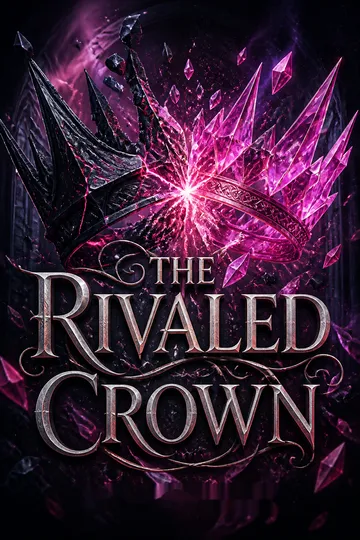
A modern fantasy of trauma, agency, and healingThe Rivaled Crown is a dark, emotionally charged fantasy that interrogates the nature of power, the legacy of trauma, and the possibility of healing. At its core, the novel is about breaking cycles—of abuse, of vengeance, of inherited guilt. Verena's journey from powerless heir to queen is a testament to the resilience of the human spirit, the necessity of self-acceptance, and the transformative power of love. The story does not shy away from the realities of violence, betrayal, and loss, but it also insists on the possibility of redemption and the importance of choice. The vessel, as both curse and blessing, is a metaphor for the burdens we inherit and the power we wield over our own destinies. The soul-bond between Verena and Dacre is not just a romantic device, but a symbol of the healing that comes from vulnerability, trust, and mutual respect. In a world where every relationship is a potential weapon, The Rivaled Crown argues that true strength lies not in domination, but in the willingness to forgive, to hope, and to build something new from the ashes of the old.
Review Summary
People Also Read


Characters
Verena
Verena is the daughter of the tyrant king of Marmoris, raised in a palace of cruelty and manipulation. Her father's obsession with power and his need to break her will have left her scarred, both physically and emotionally. Verena's journey is one of self-discovery, as she moves from powerless pawn to the most powerful figure in the kingdom. Her magic, long suppressed, is revealed to be that of a siphon—able to drain and wield the magic of others. Haunted by betrayal and loss, Verena's greatest strength is her refusal to become what her father wants. Her love for Dacre is both a source of vulnerability and the key to her salvation. Through pain, betrayal, and sacrifice, Verena claims her identity as the last daughter of Veyrith and the queen of Marmoris, forging a new legacy from the ashes of the old.
Dacre
Dacre is the son of the rebellion's leader, raised to fight against the king's tyranny. His love for Verena, the enemy's daughter, makes him a traitor in the eyes of his own people. Dacre is driven by a fierce sense of justice, a longing for redemption, and a willingness to sacrifice everything for those he loves. His relationship with his father is fraught with disappointment and anger, shaped by the loss of his mother and the betrayals of war. Dacre's journey is one of transformation, as he moves from soldier to lover to king. His soul-bond with Verena is both a source of strength and a crucible of pain, forcing him to confront his deepest fears and desires. In the end, Dacre's greatest act is not in battle, but in choosing love over vengeance, and hope over despair.
The King (Verena's Father)
The king is a figure of absolute control, ruling through fear, violence, and psychological torment. His obsession with power is matched only by his fear of losing it, and he sees Verena as both a threat and a tool. The king's magic, drawn from the vessel, is both his strength and his undoing, consuming him from within. He is a master of cruelty, using those closest to him as weapons and pawns. In the end, his inability to love or trust is his downfall, as he is destroyed not by an enemy, but by the daughter he tried to break.
Wren
Wren is Dacre's sister, a warrior in her own right, and a steadfast ally to Verena. Her loyalty to her family and her willingness to fight for what is right make her a pillar of strength in the rebellion. Wren's relationship with Kai is marked by mutual respect, camaraderie, and a deep, unspoken love. She is both shield and sword, willing to risk everything for those she loves. Wren's journey is one of healing, as she moves from anger and grief to acceptance and hope.
Kai
Kai is Dacre's closest friend and Wren's confidant, a warrior whose loyalty is unwavering. He is a man of few words, but his actions speak volumes. Kai's magic is subtle but powerful, and his presence is a source of comfort and stability for the group. His relationship with Wren is a slow-burning romance, built on trust and shared pain. Kai's journey is one of quiet heroism, marked by sacrifice and the willingness to stand in the shadows so others can shine.
Micah
Micah is a figure of ambiguity, torn between loyalty to Verena and the need to protect his own family. His betrayal is rooted in desperation, and his actions are marked by guilt and regret. Micah's relationship with Verena is complex, shaped by shared history, broken trust, and the hope for redemption. He is both a victim and a perpetrator, a reminder that in war, there are no easy choices. Micah's journey is one of atonement, as he seeks to make amends for the pain he has caused.
Dacre's Father
Dacre's father is a man shaped by loss, driven by the need to avenge his wife and free his people. His leadership is marked by pragmatism, suspicion, and a willingness to sacrifice for the greater good. His relationship with Dacre is fraught with disappointment and misunderstanding, as he struggles to reconcile his ideals with the realities of war. The revelation of his own complicity in past betrayals forces him to confront the cost of vengeance and the necessity of forgiveness.
The Sight
The Sight is a mysterious figure, blind yet all-seeing, whose prophecies shape the course of the story. She is both a tool of the king and a witness to the unfolding of destiny. Her presence is unsettling, her words cryptic, and her allegiance uncertain. The Sight embodies the tension between fate and free will, serving as a reminder that the future is always in flux.
The Vessel
The vessel is both a magical artifact and a living force, demanding sacrifice from those who seek to wield it. It is the source of the king's power and the curse of the kingdom, a symbol of the dangers of unchecked ambition. The vessel's hunger is insatiable, and its magic is both a weapon and a burden. In the end, the vessel is tamed not by force, but by the willingness to share, to balance, and to choose compassion over domination.
Eiran
Eiran is Dacre's childhood friend, a member of the rebellion whose loyalty is tested by fear, ambition, and the weight of his father's expectations. His betrayal is both personal and political, and his eventual redemption comes at the cost of his life. Eiran's journey is a cautionary tale about the dangers of blind obedience and the possibility of forgiveness, even in the face of unforgivable acts.
Plot Devices
Dual Narration and Shifting Perspectives
The novel employs a dual narrative structure, alternating between Verena and Dacre's perspectives. This device allows readers to experience the story's emotional arc from both sides of the conflict, deepening empathy and understanding. The shifting perspectives also serve to highlight the misunderstandings, betrayals, and reconciliations that drive the plot. The use of dreams, memories, and visions further blurs the line between past and present, reality and prophecy, creating a tapestry of interconnected stories.
The Vessel and Siphoning Magic
The vessel is the central magical device, a source of power that demands sacrifice and corrupts those who seek to control it. The concept of siphoning—draining magic from others—serves as both a metaphor for abuse and a literal source of conflict. Verena's discovery of her siphon power is a turning point, transforming her from victim to agent of change. The vessel's hunger and the prophecy of the tideborn create a sense of inevitability, while also allowing for moments of agency and choice.
Prophecy and Bloodlines
The prophecy of the tideborn, the last daughter of Veyrith, and the unification of bloodlines are recurring motifs. These devices explore the tension between fate and free will, the weight of legacy, and the possibility of breaking cycles of violence. The revelation of Verena's heritage and the true nature of the vessel serve as catalysts for the story's climax, forcing characters to confront the past in order to claim the future.
Soul-Bond and Intimacy
The soul-bond between Verena and Dacre is both a source of strength and vulnerability. It allows for moments of deep intimacy, both emotional and physical, and serves as a counterpoint to the violence and betrayal that surround them. The bond is also a plot device, enabling the sharing of power, the breaking of curses, and the ultimate triumph of love over fear.
Council and Rebellion Politics
The council, the rebellion, and the politics of war provide a backdrop of intrigue and moral ambiguity. Characters are forced to navigate shifting alliances, betrayals, and the cost of leadership. The council's judgment, the debates over Verena's fate, and the eventual kneeling of the rebellion serve as markers of the story's progression from division to unity.
The Veiled Kingdom Series

About the Author


Download PDF
Download EPUB
.epub digital book format is ideal for reading ebooks on phones, tablets, and e-readers.








































