
Plot Summary
A Door Opens
Maia, a humble florist, stands before the castle door, heart pounding, about to enter a world she's only dreamed of. She's been chosen to arrange flowers for the royal wedding—a once-in-a-lifetime opportunity. The castle's grandeur is overwhelming, and the tension is palpable as she's ushered into the princess's chambers. There, she meets Princess Liliana, whose beauty and bitterness about her arranged marriage to a troll prince unsettle Maia. The princess, sensing a kindred spirit in Maia's loneliness and independence, impulsively invites her to join the wedding party. Maia, swept up in events beyond her control, is forced to accept, setting in motion a chain of events that will upend her life and the fate of two kingdoms.
Royal Wedding Deceptions
The day of the royal wedding arrives, but nothing is as it seems. Maia is dressed in white, veiled, and confused—her role in the ceremony is unclear. The king, cold and menacing, ensures she is at the center of the spectacle. When the trolls arrive, led by the formidable Ragnar, Maia is presented as the bride. The ceremony is a tense, public performance, and Maia is married off to Ragnar under false pretenses. The king's duplicity is clear: he has substituted Maia for his own daughter, sacrificing her to secure peace with the trolls. Maia, terrified and powerless, is swept away by her new husband and his people, her old life left behind.
Trolls and Treaties
Ragnar, a powerful troll healer, is chosen by his king to marry the human princess and secure a fragile peace. He is disgusted by the idea, but bound by honor and prophecy. The trolls, desperate to strengthen their bloodlines with elven magic, see this union as their salvation. Ragnar's resentment is matched only by Maia's terror as she is carried away from everything she knows. Both are trapped by duty, prejudice, and the machinations of their rulers, forced into a marriage neither wants.
The Wrong Bride
As the trolls journey home, Maia's true identity remains hidden. She is not the princess the trolls were promised, and Ragnar is quick to notice her lack of elven features and magic. Their relationship is fraught with mistrust and misunderstanding. Maia, overwhelmed by the brutality and strangeness of troll culture, struggles to survive. Ragnar, frustrated by her weakness and the betrayal of the human king, is torn between anger and a reluctant sense of responsibility for his new wife.
Into the Wild
The journey through the wilds is grueling. Maia, unused to the trolls' pace and customs, is pushed to her limits. She is forced to bathe, adapt, and endure ridicule from the troll war band. Ragnar, though harsh, begins to see flashes of resilience in Maia. Their mutual suffering and isolation create the first fragile threads of understanding. Maia's resourcefulness and quiet strength begin to challenge Ragnar's prejudices, even as both remain prisoners of circumstance.
Clash of Cultures
Maia is introduced to the world of troll wives—a society of fierce, independent women who wield power in their own right. She undergoes rituals, receives piercings, and is taught the ways of her new people. The trolls' values—honor, strength, and community—clash with Maia's upbringing, but she finds unexpected kinship among the wives. Ragnar, meanwhile, is forced to confront his own assumptions and the reality that his wife, though human, may be more than he expected.
Unwanted Bonds
The forced marriage is a source of pain for both Maia and Ragnar. Yet, in moments of vulnerability—shared meals, tending wounds, and quiet conversation—a tentative bond forms. Maia's honesty and courage begin to earn Ragnar's respect. He, in turn, reveals the burdens of leadership and the scars of war. Their relationship, though still fraught, shifts from open hostility to wary partnership.
The Bone Reader's Prophecy
The trolls' Bone Reader confirms that Maia, not the princess, is Ragnar's destined mate. The prophecy is a bitter pill: Maia's magic is weak, her bloodline impure, but the gods have chosen her. Both are forced to accept that their fates are entwined. The war band, disappointed and angry, must bring Maia into the heart of troll society. The prophecy, meant to bring hope, instead deepens the sense of entrapment and loss.
A Marriage of Strangers
In the troll city, Maia and Ragnar must present themselves as husband and wife. The king is furious at the deception, but Ragnar claims Maia as his own, sacrificing his birthright to protect her. The trolls are divided—some see Maia as a liability, others as a symbol of hope. Maia, determined to survive, throws herself into learning troll ways, working in the gardens, and proving her worth. Ragnar, stripped of privilege, must build a new life with the woman he never wanted.
The Journey Home
Maia and Ragnar settle into a tentative domesticity. Their home, carved from stone and filled with the echoes of past generations, becomes a place of healing and discovery. Maia's magic, though weak, flourishes in the troll gardens. She finds purpose and belonging among the troll wives, while Ragnar learns to value her resilience and kindness. Their marriage, once a prison, becomes a partnership forged in adversity.
Troll Wives and Human Hearts
Maia is welcomed into the circle of troll wives, who teach her the power and responsibility of her new role. She learns that troll wives are the heart of the mountain, binding the community together. Through shared labor, rituals, and laughter, Maia finds a sense of family she never knew. Ragnar, seeing her strength, begins to let go of his anger and open his heart. Together, they navigate the challenges of blending two worlds.
The Blood Witch's Test
The trolls' Blood Witch tests Maia's magic, revealing the truth of her heritage and the king's betrayal. Maia's power is small but real—a spark of green magic that connects her to the land. The trolls, disappointed but bound by prophecy, must accept her. The revelation brings Maia and Ragnar closer, as they confront the lies that brought them together and the possibility of building something real from the ashes.
Truths Revealed
Maia finally confesses her true identity to Ragnar. The truth, though painful, brings a measure of relief. Ragnar, torn between duty and desire, chooses to protect Maia, claiming her as his wife before the king and the community. Their honesty becomes the foundation for a new relationship, one built on mutual respect and the shared determination to survive.
The King's Judgment
The troll king, furious at the deception, demands Maia's death. Ragnar, in a public act of defiance, renounces his birthright to save her. The community is divided, but Gunnar, Ragnar's brother, stands by them. The king, seeing the strength of their bond, relents. Maia and Ragnar, now truly partners, must build a life together in a world that is still hostile and uncertain.
Finding a Place
Maia and Ragnar carve out a place for themselves in the troll city. Maia's work in the gardens, her friendships with the troll wives, and her growing magic earn her respect. Ragnar, freed from the burdens of leadership, finds peace in healing and in Maia's love. Together, they create a home that is both sanctuary and symbol—a testament to the possibility of reconciliation between their peoples.
The Garden's Secrets
Maia's connection to the land deepens as she works with Birger, the gruff troll gardener. She learns to listen to the plants, to use her magic to heal and nurture. The garden becomes a place of transformation, where Maia's human and troll identities merge. Birger, once hostile, becomes a mentor and friend. The garden's secrets—its ancient magic and the wisdom of the troll wives—help Maia find her true self.
War on the Mountain
Peace is shattered when the humans attack, collapsing a tunnel and killing many trolls. Maia, now fully part of the community, helps heal the wounded. The trolls, enraged, demand retribution. Ragnar and Maia are caught between their loyalties, forced to confront the reality that peace may be impossible. The king's plans for the future—uniting trolls and humans through marriage—are put to the test as old hatreds flare.
The Labyrinth Below
Maia and the trolls are betrayed and captured by the human king, forced into a brutal labyrinth beneath the castle. There, trolls and humans are pitted against each other for the entertainment of the nobility. Maia, separated from Ragnar, must survive among the other captives, forging alliances and plotting escape. Ragnar, fighting for his life, is reunited with old friends and enemies. The labyrinth becomes a crucible, testing their strength and resolve.
Survival and Sacrifice
With the help of Bjorn, a broken troll who has survived years in the labyrinth, Maia and Ragnar plot their escape. Sacrifices are made—friends are lost, and Bjorn stays behind to buy them time. The trolls, battered but unbroken, flee the labyrinth and return to the mountain. The experience leaves scars, but also forges unbreakable bonds. Maia and Ragnar, reunited, find solace in each other and in the community that welcomes them home.
Breaking the Cycle
The trolls and their human allies begin the slow work of healing. Maia, now a symbol of hope and reconciliation, is called upon to speak to the human court, offering peace and the promise of a new future. The king's plans for uniting the peoples through marriage are set in motion. Maia and Ragnar, having survived the worst, look to the future with hope, determined to break the cycle of hatred and build a world where love and understanding can flourish.
Home, at Last
Maia and Ragnar, at last truly partners, find peace in each other and in the home they have built. Their love, forged in adversity, becomes a beacon for others. The mountain, once a place of darkness and fear, is now a sanctuary for all who seek belonging. The story ends with the promise of a new era—one where trolls and humans, united by love and shared struggle, can create a future free from the shadows of the past.
Analysis
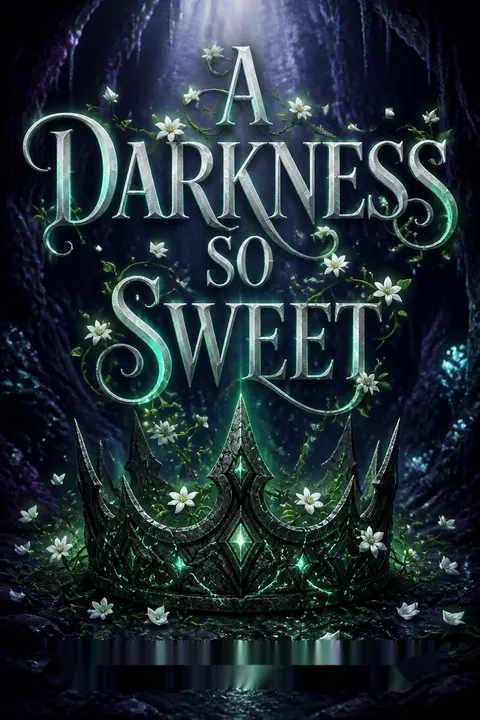
A Darkness So Sweet is a story of transformation, reconciliation, and the enduring power of hope. At its heart, it is a tale of two outsiders—Maia and Ragnar—forced together by the machinations of others, who must learn to trust, forgive, and ultimately love. The novel uses the fantasy setting of trolls and humans, magic and prophecy, to explore deeply human themes: the pain of betrayal, the struggle for belonging, and the courage required to break cycles of violence and prejudice. Through the lens of forced marriage and cultural clash, the story interrogates the nature of power, agency, and the possibility of change. The labyrinth, both literal and metaphorical, serves as a crucible in which characters are stripped to their core, forced to confront their fears and desires. The ultimate message is one of hope: that even in the darkest of circumstances, love, honesty, and the willingness to see the humanity in others can create a new world. The novel's lesson is clear—peace is not the absence of conflict, but the hard-won result of empathy, sacrifice, and the refusal to accept the world as it is.
Review Summary
A Darkness So Sweet receives polarized reviews with an overall 3.98 rating. Positive reviews praise the spicy romance, unique troll lore, world-building, and Ragnar as a devoted romantic lead with strategic piercings. Critics frequently cite problematic pacing, underdeveloped enemies-to-lovers progression, and Ragnar's initial cruelty without adequate apology. Many readers dislike the passive protagonist Maia, noting she acts as a doormat and fails to establish boundaries. The couple spends minimal time together, making their love feel rushed and unearned. Some found plot inconsistencies and contradictions regarding troll values versus their treatment of Maia frustrating.
People Also Read

Characters
Maia
Maia begins as a humble florist, thrust into the heart of political intrigue and forced into a marriage with a troll she does not know. Her journey is one of transformation—from frightened pawn to courageous partner. Maia's resilience, compassion, and quiet strength allow her to survive betrayal, captivity, and the brutality of two worlds at war. Her magic, though weak, connects her to the land and the troll people, helping her find belonging and purpose. Through hardship, Maia learns to claim her voice, forging a partnership with Ragnar that is built on honesty, respect, and love. Her evolution from victim to leader is the emotional core of the story.
Ragnar
Ragnar is a powerful troll, chosen by his king to marry a human princess and secure peace. He is burdened by duty, prejudice, and the scars of war. Initially resentful and harsh, Ragnar is forced to confront his own assumptions and the reality of his unwanted marriage. Through his relationship with Maia, he learns vulnerability, compassion, and the possibility of change. As a healer, he is both protector and nurturer, but also a man haunted by loss and failure. Ragnar's journey is one of self-discovery, as he learns to let go of anger and embrace love, forging a new path for himself and his people.
Gunnar
Gunnar, Ragnar's brother, is a warrior with a fierce sense of loyalty and humor. He provides support and stability for Ragnar, often acting as a bridge between the old ways and the new. Gunnar's own journey is one of growth, as he learns to accept Maia and the possibility of peace. His relationship with Rose, a human survivor, mirrors the central theme of reconciliation and the healing power of love.
The Troll King (Egil)
King Egil is a complex figure—wise, ruthless, and burdened by the weight of history. He seeks to secure his people's future through alliances and the strengthening of bloodlines. His decisions, though often harsh, are driven by a desire to protect his people. Egil's willingness to adapt and embrace change, even at great personal cost, is key to the story's resolution.
Birger
Birger is the ancient troll gardener who becomes Maia's unlikely mentor. Initially hostile, he is won over by Maia's determination and magic. Birger represents the old ways—tradition, suspicion, and the wisdom of the land. Through his relationship with Maia, he learns to accept change and the possibility of new beginnings.
The Bone Reader
The Bone Reader is the trolls' powerful seer, whose prophecies shape the destinies of Maia and Ragnar. She is both guide and judge, her words binding and inescapable. The Bone Reader's role is to interpret the will of the gods, forcing characters to confront truths they would rather avoid.
The Blood Witch
The Blood Witch is a mysterious figure who tests Maia's magic and reveals the truth of her heritage. She is both feared and revered, her rituals a bridge between the mortal and the divine. The Blood Witch's judgment is final, and her actions set the course for Maia and Ragnar's future.
Princess Liliana
Princess Liliana, the true intended bride, is a figure of beauty and bitterness. Her refusal to accept her fate sets the story in motion, and her absence haunts Maia and Ragnar's marriage. Liliana represents the cost of political machinations and the human desire for agency.
Bjorn
Bjorn is Ragnar's childhood friend, lost and presumed dead, but found alive in the labyrinth. Years of captivity have left him scarred and dangerous, but his sacrifice allows Maia and the others to escape. Bjorn's story is one of loss, endurance, and the hope of redemption.
Rose
Rose is a human woman who survives the labyrinth and forms a bond with Gunnar. Her experience mirrors Maia's, and her courage and resilience help forge new alliances. Rose's presence in the troll city is a symbol of the possibility of healing and reconciliation.
Plot Devices
Mistaken Identity and Substitution
The central plot device is the substitution of Maia for the princess at the royal wedding. This act of deception sets the entire story in motion, forcing Maia and Ragnar into an unwanted marriage and triggering the chain of events that follow. The mistaken identity creates tension, conflict, and the opportunity for both characters to confront their prejudices and fears.
Prophecy and Fate
The Bone Reader's prophecy binds Maia and Ragnar together, regardless of their desires. Prophecy is used to explore themes of fate, choice, and the possibility of change. The characters are forced to navigate the tension between destiny and free will, ultimately forging their own path.
Cultural Clash and Forced Proximity
The story relies on the forced proximity of Maia and Ragnar, as well as the clash between human and troll cultures. Their journey from hostility to partnership is driven by the need to survive, adapt, and find common ground. The cultural differences provide both conflict and opportunities for growth.
The Labyrinth and Captivity
The labyrinth beneath the castle serves as a physical and psychological crucible, testing the characters' strength, resolve, and capacity for sacrifice. Captivity strips away pretense and forces characters to confront their deepest fears and desires. The escape from the labyrinth is both literal and symbolic—a breaking of old cycles and the forging of new bonds.
Healing and Magic
Healing—both physical and emotional—is a recurring motif. Ragnar's magic, Maia's connection to the land, and the rituals of the troll wives all serve to explore themes of vulnerability, trust, and the possibility of transformation. Magic is both a source of power and a means of connection, binding characters to each other and to the world around them.
Sacrifice and Redemption
The story is structured around acts of sacrifice—Maia's forced marriage, Ragnar's renunciation of his birthright, Bjorn's decision to stay behind. These sacrifices are necessary for the possibility of redemption and the creation of a new future. The narrative structure uses foreshadowing and parallelism to highlight the cyclical nature of violence and the hope of breaking free.
About the Author
Other books by Emma Hamm



Download PDF
Download EPUB
.epub digital book format is ideal for reading ebooks on phones, tablets, and e-readers.








































