
Plot Summary
Unwanted Heroics Unleashed
Galadriel "El" Higgins, a student at the deadly magical boarding school Scholomance, is furious when Orion Lake, the school's golden hero, saves her from a soul-eater. El, who has spent years cultivating a reputation as a dangerous loner, resents being lumped in with the helpless masses Orion routinely rescues. Orion's well-meaning interference threatens El's hard-won independence and her plans for survival, as being seen as a damsel in distress could ruin her chances of joining a powerful enclave after graduation. Their first real encounter is a clash of personalities: El's prickly defensiveness meets Orion's awkward, compulsive heroism, setting the stage for a relationship defined by mutual misunderstanding, reluctant gratitude, and the ever-present threat of death.
Mass Destruction Affinity
El's magical affinity is for spells of mass destruction—cataclysmic magic that could raze cities or summon armies of demons. This affinity, inherited in opposition to her mother's gentle, healing magic, makes her a magnet for dangerous spells and suspicion. She struggles to find simple, practical spells, often receiving only dark, destructive options from the school's void. El's strict refusal to use malia (life-draining magic) sets her apart from other students, many of whom cheat a little to survive. Her power is both a blessing and a curse: she could easily become a maleficer, but clings to her mother's teachings and her own stubborn morality, even as the school's dangers and her own isolation tempt her to give in.
Survival and Social Schemes
The Scholomance is a brutal, enclosed world where students must constantly strategize to survive. Social hierarchies are rigid: enclave kids have power, resources, and alliances, while independents like El are left to fend for themselves. Reputation is everything—being seen as strong or useful can mean the difference between life and death. El's prickly demeanor and destructive affinity make her an outcast, but she knows her only hope for a decent life after graduation is to join an enclave. Meanwhile, Orion's relentless heroics disrupt the school's deadly balance, saving lives but also drawing the attention of both students and maleficaria, and making him a target for both admiration and resentment.
The Price of Power
In the Scholomance, magic is powered by mana (gathered through effort) or malia (stolen from life). El's refusal to use malia means she must constantly build mana through exhausting physical routines, while others take shortcuts at moral cost. The school itself is a predatory, semi-sentient environment, feeding on students' misery and deaths. Graduation is a literal gauntlet through a hall of monsters, with survival rates abysmally low. The pressure to survive pushes some students to dark choices, and the ever-present threat of maleficaria—monsters drawn to young wizards' mana—means every action, alliance, and betrayal is a matter of life and death.
Maleficer Temptations
El is constantly tempted by the ease and power maleficer magic could offer her. She sees classmates who have already gone dark, sacrificing animals or even other students for power. The school itself seems to encourage her down this path, offering her ever more destructive spells. Yet El's mother's influence and her own stubbornness keep her from crossing the line, even when her life is at stake. The psychological toll is immense: El is isolated, feared, and misunderstood, and the knowledge that she could easily become a monster haunts her. Her struggle is not just for survival, but for her soul.
Reputation and Isolation
Despite her power, El is shunned by most students, who sense her potential for darkness. Her attempts to build alliances are stymied by her reputation and the school's social dynamics. Orion's attention, meant as kindness, only makes things worse, as it undermines her image as a force to be reckoned with. El's loneliness is profound—she dreams of home, but knows she is unwelcome even there. Her only hope is to prove her worth through feats of power, but doing so risks confirming everyone's worst fears about her. The tension between needing others and fearing their rejection is a constant source of pain.
Reluctant Alliances Formed
As the dangers escalate, El is forced to work with others, including Aadhya, an artificer, and Liu, a careful maleficer. Through shared peril and mutual benefit, they form a tentative alliance, pooling resources and skills. El's reputation begins to shift as she demonstrates reliability and restraint, and as she helps others survive. The alliance is not built on friendship or trust, but on the pragmatic recognition that survival is more likely together. Yet, through these alliances, El experiences moments of connection and belonging, challenging her self-image as an irredeemable outsider.
The Library's Deadly Gifts
The Scholomance's library is a place of both knowledge and danger, filled with ancient, powerful spells and lurking maleficaria. El's affinity draws her to destructive magic, but she also discovers a legendary spellbook—the Golden Stone sutras—containing the original enclave-building spells. This discovery is both a prize and a burden, as it makes her a target for other students and enclaves. The library's gifts come at a price: El must navigate its traps, resist its temptations, and decide how much of her power to reveal. The book becomes a symbol of hope, agency, and the possibility of changing the world's power structures.
Maw-Mouth in the Stacks
A maw-mouth, the most feared and unstoppable maleficaria, infiltrates the school. El is the only one who realizes the threat and, despite knowing she will get no credit or recognition, chooses to confront it alone to save the freshmen. The battle is harrowing—El uses every killing spell she knows, burning through her mana and nearly her sanity. She survives, but is left traumatized and drained, with no one aware of her sacrifice. The experience crystallizes her understanding of power, responsibility, and the loneliness of doing the right thing when no one is watching.
The Cost of Mercy
El's choice to save others at great personal cost is mirrored by Orion's compulsive heroism. Both are driven by a sense of responsibility, but also by the knowledge that their actions disrupt the school's deadly balance. The more lives Orion saves, the more dangerous the school becomes, as the maleficaria grow hungrier and more desperate. El's refusal to use malia, even when it would be easier, is both a moral stand and a source of suffering. The cost of mercy is high: isolation, exhaustion, and the constant risk of being consumed—literally and figuratively—by the darkness they fight.
Enclave Politics and Betrayal
As graduation approaches, the school's social and political tensions reach a breaking point. Enclave kids maneuver for advantage, offering and withdrawing alliances, and even attempting murder to protect their interests. A senior, Todd, poaches a room by pushing a weaker student into the void, sparking outrage and fear. The enclaves' willingness to sacrifice outsiders for their own safety is laid bare, and El must decide whether to accept a coveted enclave spot at the cost of her principles. The politics of survival are ruthless, and trust is a rare and precious commodity.
Repairing the Unrepairable
The school's protective machinery, meant to cleanse the graduation hall of monsters, has been broken for generations. With the maleficaria at a breaking point, El, Orion, and a team of top seniors hatch a plan to repair it before graduation. The task is nearly impossible: they must descend into the heart of danger, fight off hordes of monsters, and fix ancient, arcane technology. The plan requires unprecedented cooperation, sacrifice, and trust. El's unique magic and the alliances she has forged become crucial, as does Orion's relentless heroism. The mission is a test of everything they have learned about power, responsibility, and the value of life.
Graduation's Impossible Bargain
The repair team's descent into the graduation hall is a gauntlet of terror and loss. They are beset by monsters, lose allies, and must hold a magical shield while the repair is made. Orion's heroics are pushed to the limit, and El must use every ounce of her power and will to keep the team alive. The experience is transformative: El is forced to accept help, trust others, and confront her own capacity for both destruction and mercy. The impossible bargain of graduation—survive at any cost, or die with integrity—becomes a crucible that forges new bonds and reveals true character.
The Cleansing Fires
The repaired machinery unleashes the cleansing fires, purging the school of maleficaria and giving the seniors a fighting chance at survival. El and Orion barely escape, their relationship forever changed by shared trauma and mutual rescue. The school is transformed: the cycle of death and predation is broken, at least for now, and the possibility of a better future emerges. The cleansing is both literal and symbolic—a chance to start anew, to build alliances on trust rather than fear, and to imagine a world where power is not hoarded but shared.
Aftermath and New Beginnings
In the aftermath, El, Aadhya, and Liu solidify their alliance, choosing each other over the false security of enclave power. El rejects the easy path to power and safety, embracing instead the hard-won connections she has made. Orion, too, finds a place with El, not as a hero or a prize, but as a friend and equal. The new freshmen arrive, and El receives a message from her mother: a reminder of love, courage, and the importance of choosing one's own path. The story ends with hope—not for perfect safety, but for the possibility of belonging, meaning, and change.
Analysis
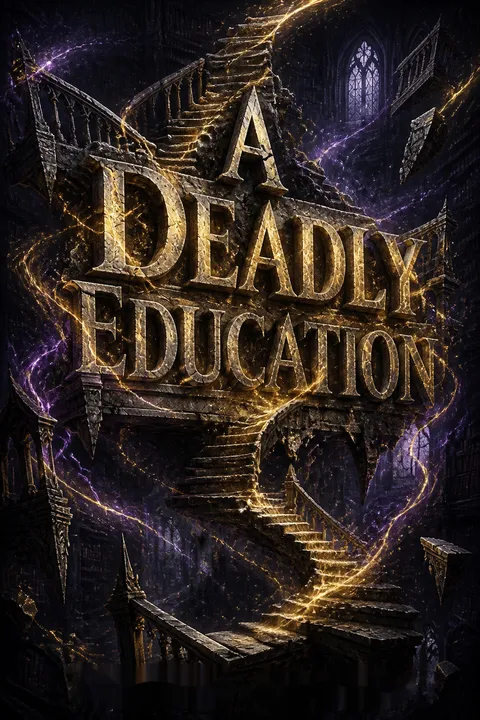
A Deadly Education is a dark, incisive deconstruction of the magical school genre, using the brutal environment of the Scholomance to explore themes of power, morality, and belonging. Naomi Novik interrogates the costs of survival in a world where safety is a privilege, not a right, and where every choice is fraught with ethical peril. The novel's central tension—between the easy path of malia and the hard road of earned mana—mirrors real-world questions about privilege, exploitation, and the temptation to sacrifice others for personal gain. El's journey from isolated outcast to reluctant leader is a testament to the power of agency, integrity, and chosen family. The story refuses easy answers: heroism is costly, mercy is dangerous, and the systems that protect some inevitably endanger others. Yet, in the end, the possibility of change—of building alliances on trust rather than fear, of choosing hope over cynicism—offers a glimmer of light in the darkness. The book is a sharp, emotionally resonant meditation on what it means to do the right thing when the world expects you to be a monster, and on the courage required to choose connection over power.
Review Summary
A Deadly Education receives mixed reviews, with praise for its dark academia setting, unique magic system, and snarky protagonist El. Readers appreciate the diverse cast and world-building but criticize excessive exposition. Some find the writing style challenging, while others enjoy the sarcastic narration. The book faces controversy over its portrayal of race and cultural issues, with the author apologizing for certain content. Despite divided opinions, many readers express excitement for the sequel and appreciate Novik's departure from her previous works.
People Also Read
Characters
Galadriel "El" Higgins
El is the novel's narrator and protagonist, a half-Welsh, half-Indian wizard with an affinity for spells of mass destruction. Raised by her gentle, healer mother in a commune, El is fiercely independent, prickly, and deeply mistrustful of others. Her power isolates her, as does her refusal to use malia, the easy but morally corrupt path to magical strength. El's psychological landscape is shaped by loneliness, anger, and a desperate longing for acceptance. Over the course of the story, she evolves from a defensive loner to a reluctant leader and ally, learning to trust, accept help, and value her own worth beyond her destructive potential. Her journey is one of resisting the easy path to darkness, choosing mercy over power, and forging genuine connections in a world that expects her to be a monster.
Orion Lake
Orion is the school's golden boy, a powerful enclaver with a unique ability to draw mana from killing maleficaria. He is driven by an almost pathological need to save others, a compulsion that both endears him to the student body and disrupts the school's deadly balance. Despite his popularity, Orion is socially awkward, isolated by the pedestal he's placed on, and haunted by the knowledge that his heroics have unintended consequences. His relationship with El is transformative: she challenges his self-sacrificing tendencies, refuses to idolize him, and ultimately becomes the first person to see him as a person rather than a savior. Orion's arc is one of learning to accept help, question his own motives, and find meaning beyond heroism.
Aadhya
Aadhya is a resourceful, sharp-witted artificer-track student who becomes one of El's first true allies. She is practical, ambitious, and skilled at navigating the school's social and economic systems. Aadhya's willingness to make deals, her network of contacts, and her ability to see value in outcasts like El make her an essential partner. Psychologically, Aadhya is driven by a desire for survival and advancement, but she is also capable of genuine loyalty and friendship. Her alliance with El and Liu is built on mutual respect, shared risk, and the recognition that together they are stronger than alone.
Liu
Liu is a quiet, thoughtful student from a large, ambitious family. She uses malia sparingly, sacrificing animals rather than people, and is haunted by the moral and psychological costs of dark magic. Liu's affinity for animals and her struggle to balance survival with integrity mirror El's own dilemmas. Her decision to join El and Aadhya in a strict-mana alliance is an act of courage and hope, a rejection of the easy path in favor of something more meaningful. Liu's presence brings compassion, perspective, and a sense of shared purpose to the group.
Chloe Rasmussen
Chloe is a senior from the powerful New York enclave, initially embodying the entitlement and insularity of enclave kids. She is strategic, socially adept, and fiercely loyal to her own. Over time, Chloe is forced to confront the moral compromises of enclave life, the limits of privilege, and the value of genuine connection. Her interactions with El and Orion challenge her assumptions and lead to moments of vulnerability, apology, and growth. Chloe's arc is one of moving from self-interest to empathy, and from exclusion to tentative friendship.
Magnus Tebow
Magnus is another New York enclaver, protective of his group and suspicious of outsiders like El. He is willing to resort to violence to protect his interests, including attempts on El's life. Magnus represents the darker side of enclave politics: the willingness to sacrifice others for the group's survival. His psychological makeup is shaped by fear, loyalty, and a rigid sense of hierarchy. Magnus's actions force El to confront the reality of enclave power and the dangers of becoming what she hates.
Clarita Acevedo-Cruz
Clarita is the senior valedictorian, a master strategist who has hidden her brilliance behind a façade of mediocrity. She is disciplined, ambitious, and capable of great sacrifice. Clarita's leadership in the plan to repair the cleansing machinery is pragmatic and unsentimental, focused on maximizing survival for the greatest number. Her psychological complexity lies in her ability to balance self-interest with responsibility, and her willingness to make hard choices for the greater good.
David Pires
David is the salutatorian, fiercely competitive and determined to secure a place in an enclave. His drive is both a strength and a weakness, pushing him to take risks and make sacrifices, but also blinding him to the needs of others. David's fate in the graduation hall is a testament to the limits of individual ambition in the face of collective danger.
Wen Wu
Wen is a top artificer-track senior, chosen for the repair mission for his technical brilliance. He is pragmatic, detail-oriented, and less concerned with social dynamics than with getting the job done. Wen's presence on the team is a reminder that survival depends not just on power, but on skill, preparation, and cooperation.
Todd Quayle
Todd is a senior from New York who, in a moment of fear and desperation, poaches a room by pushing a weaker student into the void. His actions spark outrage and fear, exposing the dark side of enclave privilege and the moral compromises students are willing to make to survive. Todd's arc is a warning about the corrosive effects of fear, isolation, and the logic of sacrifice.
Plot Devices
The Scholomance as Living Antagonist
The Scholomance is more than a backdrop—it is a semi-sentient, predatory environment that shapes every aspect of the story. Its shifting architecture, deadly maleficaria, and arcane rules create constant tension and force characters into difficult choices. The school's hunger for misery and death is a metaphor for the systems of power and exclusion that govern the magical world. Its design—protecting some at the expense of others—mirrors the social hierarchies and moral compromises the characters must navigate.
Mana vs. Malia: The Cost of Magic
The distinction between mana (earned through effort) and malia (stolen from life) is central to the story's ethical dilemmas. Characters' choices about how to gather power reflect their values, fears, and desires. The temptation of malia is ever-present, offering easy survival at the cost of one's soul. This device externalizes internal conflict, making the struggle between good and evil a matter of daily survival.
Social Hierarchy and Reputation
The rigid social structure of the Scholomance—enclavers vs. independents, alliances vs. outcasts—creates a high-stakes game where reputation is everything. Foreshadowing is built into the social dynamics: who is trusted, who is shunned, who is targeted. The politics of alliance, betrayal, and sacrifice are as deadly as any monster, and the constant negotiation of status drives much of the plot.
Foreshadowing and Prophecy
El's great-grandmother's prophecy—that she will bring destruction to all enclaves—hangs over her like a curse, shaping her self-image and others' perceptions. The story is laced with foreshadowing: the consequences of Orion's heroics, the dangers of malia, the inevitability of graduation. These elements create a sense of impending crisis and force characters to confront their own potential for darkness.
The Library and the Void
The library, with its deadly gifts and lurking dangers, is a microcosm of the school's paradoxes: power and peril, opportunity and risk. The void, from which spells and monsters emerge, is a source of both hope and horror. The discovery of the Golden Stone sutras is a classic plot device: the hidden knowledge that could change the world, but at great personal cost.
The Graduation Gauntlet
The graduation hall, with its horde of monsters and broken machinery, is the ultimate test of everything the characters have learned. The repair mission is a classic "impossible task" plot device, forcing cooperation, sacrifice, and the confrontation of deepest fears. The cleansing fires that follow are both a literal and symbolic reset, burning away the old order and making space for something new.
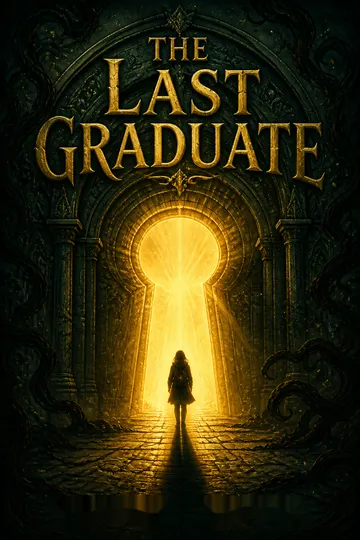
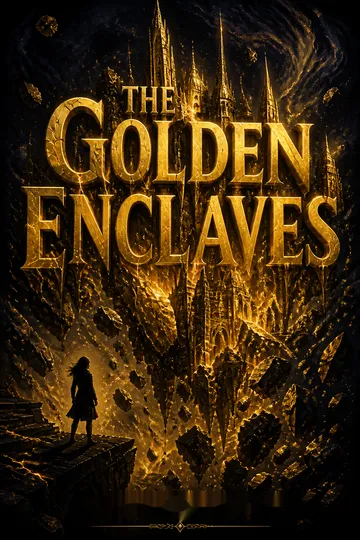
The Scholomance Series
About the Author

Download PDF
Download EPUB
.epub digital book format is ideal for reading ebooks on phones, tablets, and e-readers.








































