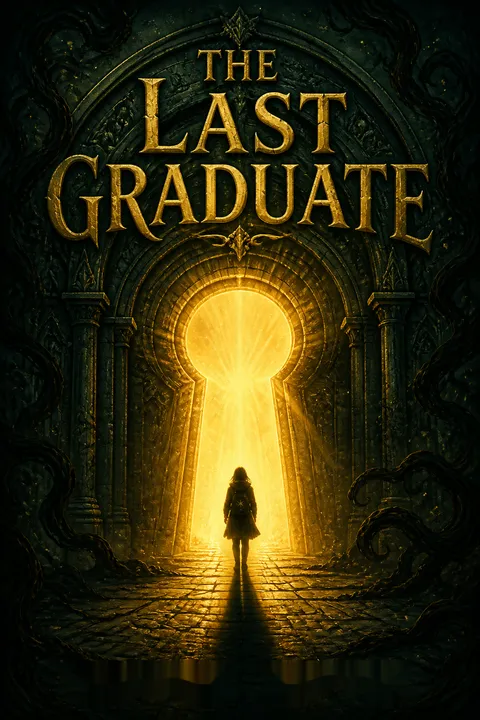

Plot Summary
Warnings and Alliances Formed
El Higgins, a powerful but ostracized student at the deadly Scholomance, receives a cryptic warning from her mother: "Keep far away from Orion Lake." Despite this, El's life becomes increasingly entangled with Orion, the school's hero, whose relentless monster-slaying has upended the school's deadly balance. As the new term begins, El finds herself unexpectedly forming alliances with Aadhya and Liu, two resourceful classmates, and even with Orion himself. The sense of isolation that has defined El's years at the Scholomance begins to erode, replaced by the fragile hope of friendship and mutual survival. Yet, the cost of these connections—and the meaning of her mother's warning—haunt her every step.
Surviving the Scholomance
The Scholomance is a magical school designed to protect wizard children from the monsters (mals) that hunt them, but it is itself a deathtrap. El and her friends must navigate not only the constant threat of maleficaria but also the social hierarchies and resource scarcity that define life inside. El's schedule is grueling, her mana reserves are depleted, and the school seems to be targeting her with increasingly dangerous assignments and attacks. As she shoulders the burden of protecting a group of vulnerable freshmen, El's sense of responsibility grows, even as the school's hunger for mana and sacrifice becomes more apparent. The line between self-preservation and heroism blurs.
The Price of Power
El's affinity for destructive magic and her refusal to use malia (life force stolen from others) set her apart. The school's system is a pyramid scheme: students build up mana for graduation, but most die before they can use it, feeding the school and its wards. Orion's heroics have starved the mals, but also the school itself, making El a new target for its hunger. The pressure mounts for El to turn maleficer—to use forbidden magic for survival. Instead, she leans on her friends, and even accepts mana from Chloe, a New York enclaver, through a power-sharer. The ethical cost of power, and the temptation to take shortcuts, become central to El's struggle.
The Enclave Wars Loom
News arrives that the Bangkok enclave has fallen, sending shockwaves through the school. The enclaves—magical city-states—are on the brink of war, and alliances inside the Scholomance reflect these tensions. Sudarat, the lone Bangkok freshman, is left adrift, and the Shanghai and New York enclavers eye each other warily. El's growing reputation as a potential game-changer draws the attention of both sides, and she is courted and feared in equal measure. The school's social order is destabilized, and the threat of outside conflict looms over the students' already precarious existence.
Field Day and Revelations
Field Day, meant to be a respite, becomes a psychological ordeal when El, forced into a confrontation with the Shanghai enclavers, accidentally restores the gym's ancient illusion of the outdoors. The beauty of the scene is a cruel reminder of what the students have lost, and many are left in tears. The event cements El's status as both a miracle worker and a source of trauma. The school's manipulation of its students—pushing them to the brink, then offering fleeting hope—becomes painfully clear. El's sense of responsibility for others deepens, even as the cost to her own well-being grows.
The School's Relentless Hunger
As the year progresses, the school's attacks on El and her circle intensify. The obstacle courses become more lethal, and El is forced to use more and more mana to protect others. The school's hunger for sacrifice is insatiable, and it seems determined to break El's resolve or force her into maleficery. The pressure strains her alliances, and the ethical dilemmas multiply. Yet, El's refusal to abandon her friends—or the freshmen she's come to care for—becomes a quiet act of rebellion against the school's cruel logic.
The Impossible Obstacle Course
The gym's obstacle courses, meant to prepare students for graduation, become nearly impossible. Only El's destructive magic and Orion's combat prowess allow their teams to survive. As more students join their runs, the school's challenges escalate, and the physical and emotional toll mounts. The runs become a crucible, forging new alliances and exposing old rivalries. The school's manipulation is laid bare: it is forcing the students to work together, to pool their resources and skills, in a desperate bid for collective survival.
A Plan to Save All
Faced with the reality that the school's cleansing machinery cannot be permanently repaired, El and her allies hatch a daring plan: to lure every maleficaria in the world into the Scholomance and then destroy the school itself, breaking the cycle of death for future generations. The plan requires unprecedented cooperation, the sacrifice of mana and safety, and the willingness to trust in each other. The school, for its part, seems to endorse the plan, providing resources and even opening hidden shafts to facilitate the mals' entry. The students, for the first time, glimpse the possibility of true sanctuary.
The Shanghai Divide
The Shanghai enclave, suspicious of El's motives and the New York alliance, refuses to join the collective runs or the plan to destroy the school. The language barrier, historical grievances, and the fear of manipulation create a dangerous rift. El and Liu struggle to bridge the divide, but suspicion runs deep. The threat of a split—of some students refusing to participate and undermining the plan—hangs over the final preparations. The challenge of building trust, across cultures and histories, becomes as daunting as any magical obstacle.
The Gilded Trap
As the plan to destroy the Scholomance takes shape, El uncovers the school's original purpose: to offer sanctuary and protection to all wizard children. The school's cruelty is not malice, but the result of a system designed to save as many as possible in a world of limited resources. The cycle of sacrifice and survival is exposed as a gilded trap, and El is forced to confront the limits of individual heroism. The only way forward is collective action, and the willingness to risk everything for a future none of them may live to see.
The Last Graduation
Graduation day arrives. The students, organized into a massive, coordinated alliance, prepare to enact their plan. El, Liu, and Aadhya take their places at the heart of the operation, with Orion guarding the barricade against the incoming mals. The queue forms, the song-spell begins, and the portals open. Mals pour in from every corner of the world, drawn by the honeypot spell, while students escape through the gates in a carefully orchestrated sequence. The tension is unbearable; the cost, incalculable.
The Song of Salvation
As El sings the honeypot spell, amplified by Liu's lute and the school's speaker system, a tidal wave of maleficaria floods the Scholomance. The plan works: the mals are drawn away from the students, who escape in droves. Orion, finally restored to full power, becomes an unstoppable force, holding the barricade against the horde. The school, for the first time, becomes a true sanctuary—not by keeping danger out, but by drawing it in and sacrificing itself for the children it was built to protect.
The Maw-Mouth Returns
Just as the last students are about to escape, a new maw-mouth—born from the death of a student at the portal—emerges in the hall. El, forced to confront her greatest fear, enters the maw-mouth and destroys it from within, saving the last of the students. The trauma is overwhelming, but El's refusal to abandon anyone, even at the cost of her own sanity, becomes the ultimate act of heroism. The cycle of sacrifice is broken, but not without scars.
Sacrifice and Survival
With the last students gone, El and Orion remain to finish the job. El casts the spell to destroy the Scholomance, breaking it away from the world and sending it—and the horde of mals—into the void. Patience and Fortitude, the ancient maw-mouths, return for one final confrontation. El and Orion, battered and exhausted, face the ultimate test: to escape not just the school, but the legacy of violence and sacrifice that has defined their lives.
The School's True Purpose
In the final moments, El realizes that the Scholomance was never meant to be a prison, but a sanctuary—a flawed, desperate attempt to save as many as possible in a world of monsters. The school's true purpose is revealed not in its cruelty, but in its willingness to sacrifice itself for the children it was built to protect. El's own journey mirrors this transformation: from outcast to savior, from survivor to leader, from victim to architect of a new future.
The Choice to Save
As the school collapses and the last portal closes, El is faced with a choice: to save herself, or to risk everything for Orion and the possibility of a better world. The cost of heroism, the burden of leadership, and the meaning of sacrifice converge in a single, agonizing moment. El's choice—to save, to love, to hope—becomes the foundation for a new era, one not built on fear and sacrifice, but on trust and collective action.
Patience and Fortitude
Patience and Fortitude, the ancient maw-mouths, merge into a single, monstrous entity, threatening to escape into the world. El and Orion, united in purpose and love, hold the line long enough to finish the spell and seal the school's fate. The final confrontation is not just with the monsters outside, but with the monsters within: fear, despair, and the temptation to give up. In defeating Patience and Fortitude, El and Orion redeem not just themselves, but the legacy of the Scholomance.
After the End
The Scholomance is gone, the mals are banished, and the survivors emerge into a world forever changed. El, battered but unbroken, looks to the future—not as a lone hero, but as part of a community bound by shared sacrifice and hope. The lessons of the Scholomance—of friendship, trust, and the refusal to abandon anyone—become the foundation for a new world. The story ends not with triumph, but with the promise of healing, and the hard, necessary work of building something better from the ruins.
Analysis
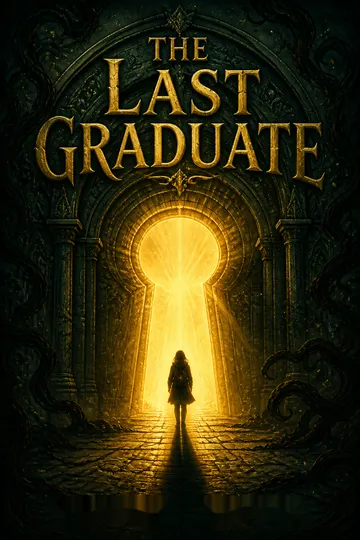
Naomi Novik's The Last Graduate is a masterful exploration of the ethics of survival, the cost of heroism, and the possibility of collective salvation in a world built on sacrifice. Through the crucible of the Scholomance, Novik interrogates the logic of systems that demand the suffering of the many for the safety of the few, and the ways in which individuals and communities can resist, subvert, and ultimately transcend those systems. The novel's emotional arc is one of transformation: El's journey from outcast to leader, from reluctant savior to architect of a new future, mirrors the school's own evolution from prison to sanctuary. The story's central lesson is that true safety, true sanctuary, cannot be built on the suffering of others; it must be forged through trust, cooperation, and the willingness to risk everything for a better world. In an era defined by division and scarcity, The Last Graduate offers a powerful vision of hope: that even in the darkest of places, it is possible to choose solidarity over selfishness, and to build something new from the ruins of the old.
Review Summary
The Last Graduate receives mostly positive reviews, praised for its character development, world-building, and engaging plot. Readers appreciate the dark and clever magical school setting, El's snarky narration, and the slow-burn romance with Orion. Some critics note the writing style can be verbose and info-dumpy. The book's pacing improves in the second half, leading to a thrilling and shocking cliffhanger ending that leaves readers eagerly anticipating the final installment. Overall, it's considered a strong sequel that expands on themes of privilege and friendship.
People Also Read

Characters
El (Galadriel) Higgins
El is a powerful, prickly, and deeply moral student with an affinity for destructive magic. Ostracized for her reputation and her refusal to use malia, she is haunted by a prophecy that she will bring ruin to wizard enclaves. El's journey is one of self-discovery and resistance: she refuses to become a maleficer, even as the school and her own survival instincts push her toward darkness. Her relationships—with Aadhya, Liu, Orion, and others—force her to confront her own capacity for love, trust, and sacrifice. El's arc is a study in the cost of heroism, the burden of leadership, and the possibility of redemption through collective action.
Orion Lake
Orion is the Scholomance's golden boy, a monster-slayer whose relentless heroics have saved hundreds but left him isolated and misunderstood. His affinity for combat magic and his ability to draw mana from killing mals make him both a savior and a threat. Orion's psychological struggle is with his own nature: he is addicted to the thrill of the hunt, desperate for connection, and terrified of being used or abandoned. His relationship with El is transformative, offering him a glimpse of a life beyond heroism—and forcing him to confront the limits of his own power and the meaning of sacrifice.
Aadhya
Aadhya is a resourceful artificer and one of El's first true friends. Grounded and pragmatic, she navigates the school's dangers with a clear-eyed focus on survival and mutual aid. Aadhya's loyalty to El and Liu is unwavering, and her willingness to challenge both the school's logic and El's self-destructive tendencies makes her an essential anchor for the group. Her arc is one of growing trust, self-worth, and the recognition that survival is not just about individual cunning, but about building something lasting with others.
Liu
Liu is a gentle, thoughtful student with a history of using malia to survive. Her journey is one of atonement and self-acceptance: she cuts her hair, renounces malia, and becomes a key architect of the plan to save everyone. Liu's affinity for animals and her skill with languages make her a bridge between cultures and factions, especially in reaching out to the Shanghai enclave. Her arc is about the possibility of change, the power of forgiveness, and the courage to want—and fight for—the right things.
Chloe Rasmussen
Chloe is a New York enclaver who offers El a place in her alliance and access to the enclave's mana pool. Kind-hearted but shaped by privilege, Chloe struggles with the ethical implications of her advantages and the responsibilities they entail. Her willingness to share power, to question her own assumptions, and to stand by El and her friends marks her as a rare enclaver willing to change. Chloe's arc is about learning to use privilege for good, and the cost of true solidarity.
Magnus Tebow
Magnus is a senior New York enclaver, ambitious and pragmatic. He is both a rival and an uneasy ally to El, always calculating the best move for himself and his enclave. Magnus's arc is a study in the limits of enclaver solidarity, the temptations of power, and the grudging respect that can grow between rivals forced to work together.
Liesel
Liesel is the class valedictorian, a German enclaver whose intelligence and ruthlessness make her both a formidable ally and a source of friction. She imposes order on chaos, marshals resources, and is unafraid to make hard decisions. Liesel's arc is about the necessity of leadership, the dangers of rigidity, and the possibility of learning from those she once dismissed.
Sudarat
Sudarat is the lone Bangkok freshman, orphaned by the destruction of her enclave. Isolated and mistrusted, she becomes a symbol of the costs of enclave politics and the possibility of new beginnings. Her quiet resilience and gratitude for small kindnesses highlight the human stakes of the story.
Zixuan
Zixuan is a Shanghai enclaver and a brilliant artificer. His work on the speaker system and his willingness to collaborate with Liu and others make him a key figure in bridging the divide between enclaves and independents. Zixuan's arc is about the power of innovation, the importance of trust, and the hope of building something new.
Patience and Fortitude
Patience and Fortitude are the monstrous, nearly unstoppable maw-mouths that have haunted the graduation hall for generations. They are both literal and symbolic: the embodiment of the school's cycle of sacrifice, the hunger that can never be sated, and the darkness that must be faced and overcome. Their final confrontation with El and Orion is the crucible in which the story's themes of sacrifice, hope, and redemption are forged.
Plot Devices
The Scholomance as Living System
The Scholomance is not just a setting, but an active participant in the story. Its shifting architecture, deadly obstacle courses, and relentless hunger for mana and sacrifice drive the plot and force the characters into ever more desperate choices. The school's manipulation—pushing students to the brink, then offering fleeting hope—serves as both antagonist and catalyst, shaping the psychological and ethical landscape of the story. Its ultimate purpose, revealed in the end, reframes the entire narrative as a struggle not just for survival, but for the soul of a community.
Foreshadowing and Prophecy
El's mother's warning, the prophecy of El's destructive potential, and the recurring hints of outside conflict all serve as foreshadowing, building tension and guiding character choices. The interplay between fate and free will—between what is foretold and what is chosen—underscores the story's central themes of agency, responsibility, and the possibility of change.
The Power of Alliance
The formation of alliances—across social, cultural, and magical divides—is both a plot device and a thematic core. The school's escalating challenges force students to cooperate, pooling resources and skills in ways that defy the logic of individual survival. The ultimate plan to save everyone is only possible through unprecedented collective action, and the story's emotional arc is one of learning to trust, to share, and to risk for others.
The Song-Spell and Speaker System
The honeypot song-spell, amplified by Liu's lute and the school's speaker system, becomes the linchpin of the plan to save everyone. It is both a literal and symbolic device: a call to unity, a lure for danger, and a means of transforming the school from a prison into a sanctuary. The technical and magical ingenuity required to make it work mirrors the social and emotional work of building trust and cooperation.
The Maw-Mouth as Ultimate Test
The maw-mouths—Patience and Fortitude—are both monsters and metaphors: the embodiment of the school's cycle of sacrifice, the hunger that can never be sated, and the darkness that must be faced and overcome. El's confrontation with the maw-mouth is the story's crucible, forcing her to choose between self-preservation and the salvation of others, and to redefine what it means to be a hero.
The Scholomance Series
About the Author



Download PDF
Download EPUB
.epub digital book format is ideal for reading ebooks on phones, tablets, and e-readers.








































