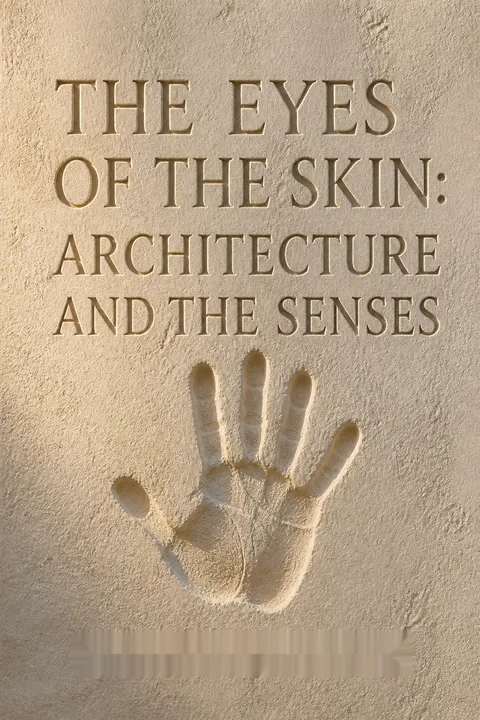

核心要点
1. 视觉霸权使建筑变得贫乏
视觉对其他感官的统治地位——以及由此产生的认知偏见——早已被众多哲学家所观察到。
历史上的视觉优先。 西方文化历来将视觉视为最高贵的感官,将知识等同于清晰的视觉,将真理等同于光明。从古希腊哲学到文艺复兴时期,视觉被置于感官等级体系的顶端,深刻影响了哲学与艺术,包括建筑。这种以眼为中心的范式塑造了我们对现实与知识的理解。
现代视觉偏见。 透视法的发明进一步巩固了眼睛作为感知世界中心的地位,随着技术进步和图像泛滥,这一趋势愈发明显。现代主义建筑师如勒·柯布西耶明确推崇视觉,导致建筑主要为视觉而设计,形成了“视网膜建筑”,往往重视视觉冲击而忽视更深层次的感官体验。
单一视觉的后果。 这种对视觉的单一关注,常常以牺牲其他感官为代价,使建筑体验变得肤浅且疏离。尽管现代主义设计具有理性严谨,但它往往难以打动大众,因为它只关照了理智与视觉,却让身体、其他感官、记忆与梦境无所归属,进而加剧了疏离感。
2. 以眼为中心导致疏离与隔绝
眼睛的主导地位及对其他感官的压制,往往使我们陷入疏离、孤立与外在状态。
视觉的权力意志。 哲学家大卫·迈克尔·莱文批判视觉内在的抓取、凝视与控制欲,形成了“视觉霸权”,主导文化话语。这种以眼为中心的倾向,在工具理性与技术的强化下,滋生出一种疏离且物化的凝视,甚至带有侵略性和实体化的特征。
自恋与虚无的视觉。 当代建筑中,这种霸权视觉表现为自恋与虚无主义,建筑成为自我表达的智力游戏,或刻意促成感官的疏离。这种“视觉的癌变”使建筑沦为纯粹的影像产品,缺乏存在的深度与真诚,将世界简化为一种享乐却终究空洞的视觉旅程。
同理心的丧失。 工业化大规模生产的视觉图像使视觉远离情感参与,形成一种无焦点、无参与的迷幻流动。不断轰炸的图像制造出“人为的浅薄”,带来感官的冷漠,使我们成为自己生活的旁观者,困于虚构的梦境,无法直面存在的现实。
3. 身体是所有感知的核心所在
我的身体才是真正的世界之脐,不是中央透视的观看点,而是记忆、想象与整合的参照中心。
梅洛-庞蒂的身体哲学。 莫里斯·梅洛-庞蒂将人体置于体验世界的核心,认为正是通过具身的意向性,我们与环境互动并定义周遭。身体不仅是客体,更是“看见与触摸的主体”,与“世界的肉身”形成渗透性的关系。
多感官的整合。 感官体验非孤立存在,而是通过身体整合,构成连续的存在体验,个体与世界相互影响。所有感官,包括视觉,都是触觉的延伸与特化,界定了我们内在不透明性与外部世界的接口。
建筑的存在意义。 建筑作为自然的延伸,为感知提供基础,强化我们在世界中的存在感。它非自足的人工物,而是引导我们关注更广阔的视野,为生活赋予概念与物质结构,通过整体的具身体验强化自我形象。
4. 触觉:原始感官与现实的基石
触觉是我们眼、耳、鼻、口的母体。它是分化出其他感官的根源,这一点在古老的“感官之母”评价中得以体现。
触觉的首要地位。 人类学家阿什利·蒙塔古强调皮肤是我们最古老、最敏感的器官,是“感官之母”,其他感官皆由此分化。这凸显了触觉在整合我们对世界与自我的体验中的根本作用,甚至视觉感知也融入了触觉的连续体。
视觉即无意识的触摸。 触觉是视觉的无意识层面;我们的眼睛无意识地“抚摸”远处的表面、轮廓与边缘,触觉感受决定了体验的愉悦度。哲学家如乔治·贝克莱和黑格尔认为,视觉对物质性、距离与深度的把握,离不开触觉记忆的协作,因为触觉提供了“坚实、阻力与凸起”的感觉。
意象化的触觉感受。 艺术包括建筑激发“意象化的触觉感受”,使我们感受到画中水的温度或石材表面的质感。这种“触觉价值”丰富生命体验,正如勒·柯布西耶强调的“模纹”(轮廓与剖面),即使在其以视觉为主的建筑理解中,也蕴含触觉元素。
5. 阴影与幽暗的唤醒力量
深邃的阴影与黑暗至关重要,因为它们弱化视觉的锐利,使深度与距离模糊,激发无意识的周边视觉与触觉幻想。
弱化疏离的感官。 在情绪激动或深度思考时,我们常闭眼以抑制视觉的疏离感。阴影与黑暗柔化视觉的锋芒,制造深度的模糊,邀请周边视觉与触觉想象,促进亲密感与内心的退隐。
激发想象力。 古镇街巷中光影交错远比均匀照明的现代空间更神秘诱人。幽暗、薄雾与暮光唤醒想象,使视觉图像变得模糊,激发冥想状态,如中国山水画或禅园所示。
建筑中的明暗对比。 明暗对比艺术在伟大建筑空间中至关重要,创造出“深呼吸”般的节奏,赋予物体形态与生命。路易斯·巴拉甘批评大面积玻璃窗剥夺建筑的亲密与阴影感,阿尔瓦·阿尔托在赛纳茨洛的议会厅利用黑暗营造神秘的社区感,强化口语的力量。
6. 声音的亲密与空间的表达
视觉使人孤立,而声音使人融入;视觉具有方向性,声音则是全方位的。
声音创造内在感。 与暗示外在与孤立的视觉不同,声音将我们纳入空间,营造内在感与连接感。眼睛伸展,耳朵接收,使我们以全方位方式感知周围,促进团结与归属感。
听觉构筑空间。 声音为视觉印象提供时间连续性,构造并表达我们对空间的体验。电影去除声音轨道即可显现声音对空间塑造与连贯性的贡献。斯廷·艾勒·拉斯穆森的《听建筑》强调隧道回声等声学特质传达空间维度。
城市回声的消失。 每座建筑与城市都有其特有的声音与回声,定义其亲密或宏伟。然而现代城市因宽阔开放空间与吸音内饰,失去了独特回声。公共空间的背景音乐更使耳朵失明,剥夺了感知建筑声学体积与深沉寂静的可能。
7. 气味:记忆与想象的强力触发器
空间最持久的记忆往往是它的气味。
嗅觉的力量。 人类鼻子极为敏感,能凭少量分子识别一万多种气味。特定气味能绕过视网膜记忆,瞬间唤起被遗忘的空间,激发生动的白日梦,使嗅觉成为强大的回忆与想象催化剂。
气味的地理。 漫步古镇狭巷,体验多样气味领域,从糖果店唤起童年记忆,到鞋匠铺激发皮革与马匹的联想。渔镇海陆气味交融,令人难忘,将平凡场景转化为富有感染力的意象。
现代空间的无菌感。 莱纳·玛利亚·里尔克生动描绘被拆毁房屋中残留的汗水、尿液、煤烟、陈旧油脂与被忽视婴儿的气味,凸显嗅觉意象的情感与联想力量。相比之下,当代建筑的无生命视网膜图像缺乏这种深刻感官深度,难以构筑伟大作家或建筑师所能唤起的完整生命图景。
8. 材质与时间:真实建筑体验的基石
一切物质存在于时间的连续体中;岁月的痕迹为建筑材料增添了丰富的时间体验。
材质的弱化。 现代建筑常呈现平面化特征,采用机器制造、无尺度感的材料,如玻璃、搪瓷金属与合成塑料。这些材料表面坚硬,难以传达其本质或岁月痕迹,与石材、砖块、木材等自然材料形成鲜明对比,后者允许视觉穿透表层,显露真实。
对衰老的恐惧。 当代建筑追求永恒完美,刻意排除时间维度及衰老、磨损等心理重要过程。这种对年龄痕迹的恐惧,实则源于对死亡的深层恐惧,导致环境中“人为的浅薄”,正如弗雷德里克·詹姆逊所描述的当代文化状态。
驯化时间。 现代环境中时间体验的弱化带来毁灭性心理影响,人类需要感受时间的连续性。建筑的任务是驯化无尽的时间,使我们得以栖居其连续体,参与超越个体生命的循环,连接历史与逝者,提供缓慢而疗愈的时间流。
9. 建筑作为具身行动与无意识模仿
有意义的建筑体验不仅是视网膜图像的堆砌。建筑的“元素”非视觉单元或格式塔,而是与记忆互动的遭遇与对抗。
隐含的行动。 建筑图像本质上暗示行动:踏脚石邀请脚步,开门需感受其重量,登楼梯调动全身。亨利·柏格森指出,物体反映了“我们可能对其采取的行动”,这使建筑区别于其他艺术形式,因其隐含身体互动。
体验的动词本质。 真实的建筑体验本质是动词,而非名词。它关乎进入、透过窗户观看、占据温暖空间的行为,而非单纯视觉设计。日本“间”与“时”概念强调建筑体验的关系性与动态性,超越静态几何定义。
身体认同。 理解建筑尺度需无意识地以身体测量,并将身体方案投射入空间。我们无意识地用骨骼与肌肉模仿结构,感受拱顶的张力或柱子的重力。这种模仿使建筑能从建筑师的身体直接传达至使用者,创造深刻的具身共鸣。
10. 记忆空间与想象的内心城市
我们天生具备记忆与想象场所的能力。感知、记忆与想象不断互动;存在领域融合为记忆与幻想的图像。
构筑心灵大都会。 人类天生具备记忆与想象场所的能力,持续在心中建构庞大的“唤起与回忆之城”。所有造访过的城市成为这心理大都会的区域,文学与电影的力量正源于我们进入这些记忆或想象领域的能力。
在艺术中遇见自我。 艺术作品,如米开朗基罗的哀悼建筑或丁托列托的痛苦天空,不仅象征情感,更具身体现情感。面对艺术时,发生奇妙交换:我们将情感投射于作品,作品赋予我们权威,最终使我们在其中遇见自我,梅兰妮·克莱因称之为“投射认同”。
生动的记忆城市。 有些城市仅为遥远的视觉图像,有些则被生动记忆——其声音、气味及光影变化。伟大作家与电影制作者凭借唤起力,将我们带入如亲历般真实的城市,丰富我们的城市地理,令我们在想象空间中体验生活。
11. 建筑的使命:调和自我与世界
建筑永恒的使命是创造具身且可生活的存在隐喻,具体化并结构化我们在世界中的存在。
结构化存在。 建筑的根本作用是物化并永恒化理想生活的理念,塑造无形的现实,帮助我们理解自我。它使我们感知永恒与变迁的辩证法,安顿于世界,置身于文化与时间的连续体中。
具身记忆与身份。 难忘的建筑体验将空间、物质与时间融合为单一维度,渗透意识,成为存在的组成部分。我们的居所融入自我身份,成为身体与存在的一部分,具身记忆构成记忆场所的本质基础。
完整性与诗意召唤。 弗兰克·劳埃德·赖特强调“完整性”为建筑最深层品质,反映与我们道德本性的相互关系。建筑作为自我与世界调和的艺术,通过感官中介。其诗意使命是重新神话化、重新感官化、重新激发我们与世界的关系,强化对存在的把握,培养谦逊、自豪、好奇与乐观。
读者评价
无内容提供,无法翻译。
其他人还在读

常见问题
What is "The Eyes of the Skin: Architecture and the Senses" by Juhani Pallasmaa about?
- Central Thesis: The book critiques the dominance of vision in Western architecture and argues for a multi-sensory approach that engages all the senses in the experience and creation of architecture.
- Phenomenological Perspective: Pallasmaa draws on phenomenology, especially the works of Merleau-Ponty and Bachelard, to emphasize the embodied, lived experience of space.
- Sensory Integration: The book explores how architecture should address touch, sound, smell, and even taste, not just sight, to create meaningful, life-enhancing environments.
- Cultural and Historical Analysis: It traces the historical privileging of vision in Western thought and architecture, and contrasts it with traditions and practices that value other senses.
Why should I read "The Eyes of the Skin" by Juhani Pallasmaa?
- Broaden Architectural Understanding: The book challenges conventional, visually-dominated approaches to architecture, offering a richer, more holistic perspective.
- Influential in Theory and Practice: It is widely regarded as essential reading in architectural education and has influenced both theorists and practicing architects globally.
- Applicable Beyond Architecture: The insights into sensory experience, embodiment, and perception are relevant to artists, designers, and anyone interested in how environments shape human experience.
- Concise and Accessible: Despite its depth, the book is brief and accessible, making complex philosophical ideas understandable and practical.
What are the key takeaways from "The Eyes of the Skin" by Juhani Pallasmaa?
- Critique of Ocularcentrism: The dominance of vision (ocularcentrism) in architecture leads to alienation and detachment, neglecting the full spectrum of human sensory experience.
- Embodied Experience: Architecture should be designed for the whole body, engaging touch, hearing, smell, and even taste, not just the eyes.
- Memory and Imagination: Sensory-rich environments foster memory, imagination, and a deeper sense of self and place.
- Materiality and Time: Authentic architecture expresses materiality and the passage of time, connecting us to tradition, history, and the rhythms of life.
How does Juhani Pallasmaa define "ocularcentrism" in "The Eyes of the Skin"?
- Definition: Ocularcentrism is the privileging of sight over other senses in Western culture and architectural practice.
- Historical Roots: It originates from Greek philosophy and was reinforced by Renaissance perspectival representation and modern technological advances.
- Consequences: This bias leads to architecture that is visually impressive but often emotionally and sensorially impoverished, resulting in alienation and lack of engagement.
- Critique and Alternatives: Pallasmaa, drawing on philosophers and critics, calls for a rebalancing of the senses and a move towards multi-sensory, embodied design.
What is the significance of touch and the "haptic" sense in "The Eyes of the Skin" by Juhani Pallasmaa?
- Touch as Foundational Sense: Pallasmaa argues that touch is the "mother of the senses," integrating and grounding all sensory experience, including vision.
- Haptic Architecture: He advocates for "haptic" architecture—designs that invite tactile engagement and bodily identification, making spaces feel intimate and real.
- Materiality and Craft: The tactile qualities of materials, surfaces, and details (like door handles) are essential for creating meaningful, memorable architecture.
- Embodied Memory: Touch connects us to tradition, memory, and the passage of time, making architecture a lived, rather than merely observed, experience.
How does "The Eyes of the Skin" by Juhani Pallasmaa address the role of the other senses (hearing, smell, taste) in architecture?
- Hearing: Sound shapes our sense of space and intimacy; acoustics can create a sense of enclosure, community, or solitude.
- Smell: Scents evoke powerful memories and associations, often defining the character and identity of a place more than visual cues.
- Taste: While less direct, taste is linked to the oral and tactile origins of perception; certain materials and colors can evoke oral sensations.
- Multi-Sensory Integration: Pallasmaa insists that architecture should orchestrate all senses, creating environments that are immersive and life-enhancing.
What are the main criticisms of modern and contemporary architecture in "The Eyes of the Skin" by Juhani Pallasmaa?
- Visual Reductionism: Modern architecture often prioritizes striking visual images and photogenic forms at the expense of sensory richness and human experience.
- Loss of Materiality: The use of industrial, machine-made materials and reflective surfaces leads to a sense of unreality and detachment.
- Alienation and Detachment: Spaces designed primarily for the eye can feel cold, impersonal, and alienating, failing to support memory, imagination, or a sense of belonging.
- Neglect of Tradition and Craft: The focus on novelty and visual impact often disregards the wisdom of traditional, craft-based, and embodied approaches to building.
How does Juhani Pallasmaa use phenomenology in "The Eyes of the Skin" to inform his architectural philosophy?
- Embodied Perception: Drawing on Merleau-Ponty, Pallasmaa emphasizes that perception is always embodied—our bodies are the center of experience and meaning.
- Lived Space: Architecture is not just a collection of visual forms but a lived, existential reality that shapes and is shaped by our bodily presence.
- Memory and Imagination: Phenomenology highlights the interplay between perception, memory, and imagination, all of which are activated by multi-sensory environments.
- Existential Task of Architecture: The ultimate role of architecture is to mediate between self and world, enabling us to dwell meaningfully and authentically.
What practical advice or methods does "The Eyes of the Skin" by Juhani Pallasmaa offer to architects and designers?
- Design for All Senses: Consider how spaces will be touched, heard, smelled, and even tasted, not just seen.
- Engage Materiality: Use materials that age, carry patina, and invite touch, fostering a sense of time and tradition.
- Craft Details: Pay attention to details like door handles, textures, and transitions, as these are points of intimate contact and meaning.
- Encourage Participation: Create spaces that invite bodily movement, interaction, and identification, rather than passive observation.
How does "The Eyes of the Skin" by Juhani Pallasmaa connect architecture to memory, imagination, and self-identity?
- Memory Through Senses: Sensory experiences, especially touch and smell, are deeply tied to memory, making places memorable and meaningful.
- Imagination and Dream: Architecture can stimulate imagination and daydreaming by engaging the senses and creating atmospheres of ambiguity and possibility.
- Self-Identity: Our sense of self is shaped by the spaces we inhabit; architecture becomes part of our bodily and existential identity.
- Spaces of Belonging: Meaningful architecture helps us feel at home in the world, supporting both individual and collective memory.
What are the best quotes from "The Eyes of the Skin" by Juhani Pallasmaa and what do they mean?
- "The door handle is the handshake of the building." This highlights the importance of tactile details and the intimate, bodily relationship between people and architecture.
- "The body is the navel of my world." Pallasmaa emphasizes that our bodily presence is the center of perception and meaning in space.
- "Architecture is the art of reconciliation between ourselves and the world, and this mediation takes place through the senses." This encapsulates the book’s central thesis: architecture’s existential task is to connect us to the world through embodied, sensory experience.
- "We see the depth, the smoothness, the softness, the hardness of objects; Cézanne even claimed that we see their odor." This quote illustrates the interconnectedness of the senses and the richness of perception beyond mere vision.
What is the lasting impact and legacy of "The Eyes of the Skin" by Juhani Pallasmaa on architecture and design?
- Influence on Education: The book is required reading in many architecture schools and has shaped curricula to include sensory and phenomenological approaches.
- Shift in Practice: Many architects and designers now prioritize multi-sensory experience, materiality, and embodied engagement in their work.
- Broader Cultural Reach: The book’s ideas have influenced not only architecture but also art, design, and philosophy, encouraging a more holistic understanding of human experience.
- Ongoing Relevance: As digital technologies and visual media continue to dominate, Pallasmaa’s call for sensory balance and embodied presence remains urgent and widely cited.
下载 PDF
下载 EPUB
.epub digital book format is ideal for reading ebooks on phones, tablets, and e-readers.








































