
मुख्य बातें
1. एआई का प्रचार-प्रसार: एक छलावा जो असली नुकसान से ध्यान भटकाता है
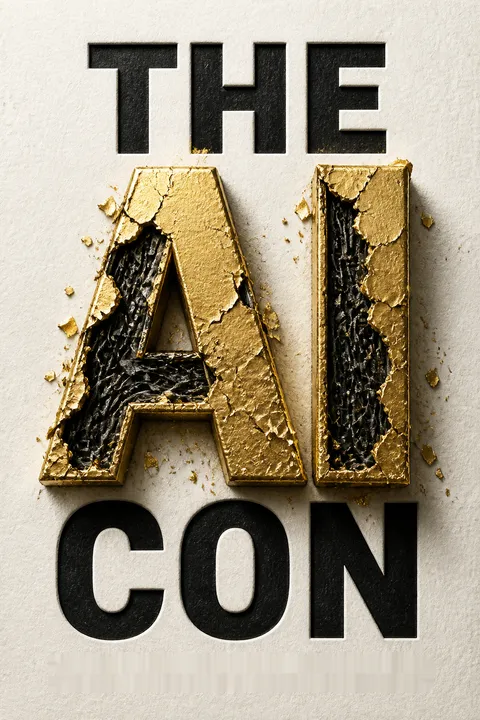
अगर हम सच कहें तो आर्टिफिशियल इंटेलिजेंस (एआई) एक धोखा है: एक ऐसा सामान जो आपको बेचा जा रहा है ताकि किसी के जेबें भर सकें।
एक सोची-समझी चाल। "एआई" को एक क्रांतिकारी, दुनिया को बदल देने वाली तकनीक के रूप में पेश करना जानबूझकर किया गया एक पर्दा है। यह "एआई हाइप" असल में मौजूद स्वचालित प्रणालियों से हो रहे तत्काल और वास्तविक नुकसान से ध्यान हटाता है, और इसके बजाय काल्पनिक भविष्य की कहानियों पर फोकस करता है। इससे ताकतवर लोग खुद को मानवता के रक्षक के रूप में कल्पना कर पाते हैं, जबकि रोज़मर्रा की अन्यायपूर्ण घटनाओं को नजरअंदाज कर देते हैं।
वास्तविक दुनिया के परिणाम। जब कानून निर्माता "p(doom)" यानी एआई से होने वाले अस्तित्वगत खतरे की संभावना पर बहस करते हैं, तब असली लोग मौजूदा एआई के कारण गंभीर परिणाम झेल रहे होते हैं।
- चेहरे की पहचान: रॉबर्ट विलियम्स और पोर्चा वुडरफ जैसे काले व्यक्तियों को दोषपूर्ण चेहरे की पहचान प्रणालियों के कारण गलत तरीके से गिरफ्तार किया गया।
- डीपफेक्स: खासकर किशोर लड़कियों को ऐसे ऐप्स निशाना बनाते हैं जो बिना सहमति के डीपफेक पोर्न बनाते हैं, जो इंटरनेट से बेतरतीब ढंग से एकत्रित डेटा पर प्रशिक्षित होते हैं।
- स्वचालित युद्ध: इजरायल रक्षा बल जैसे समूहों ने एआई के नाम पर बेचे गए सिस्टम का इस्तेमाल तेजी से लक्ष्यों के चयन के लिए किया, जिससे आम नागरिकों की भारी हानि हुई।
विपणन बनाम वास्तविकता। "एआई" शब्द खुद एक विपणन लेबल है, न कि कोई सुसंगत तकनीकी परिभाषा। इसे तकनीकों को मानव-समान, बुद्धिमान या जादुई दिखाने के लिए इस्तेमाल किया जाता है, जबकि उनकी असलियत अक्सर सामान्य और विविध होती है। यह दृष्टिकोण स्वचालन को बिना आलोचना के स्वीकार करने के लिए प्रोत्साहित करता है, चाहे वह सामाजिक लाभ वितरण हो या अपराध वर्गीकरण।
2. "सोचने वाली मशीनें" एक भ्रम हैं, संवेदनशील प्राणी नहीं
स्पष्ट रूप से कहें तो: न तो बड़े भाषा मॉडल और न ही कोई अन्य "एआई" के नाम पर बेचा जाने वाला सिस्टम सचेत, संवेदनशील या स्वतंत्र सोचने वाला प्राणी है।
परिष्कृत ऑटोकम्प्लीट। चैटजीपीटी जैसे बड़े भाषा मॉडल (एलएलएम) मूलतः उन्नत सांख्यिकीय उपकरण हैं, जो दशकों पुराने "एन-ग्राम" मॉडल और न्यूरल नेटवर्क पर आधारित हैं। ये विशाल प्रशिक्षण डेटा के आधार पर अगला सबसे संभावित शब्द अनुमानित करते हैं, जिसे मानव प्रतिक्रिया से परिष्कृत किया जाता है ताकि संभावित सही लगने वाला पाठ तैयार हो। यह चेतना या समझ से बहुत दूर है।
"एलाइजा प्रभाव"। मनुष्य भाषा को समझते समय उसके पीछे कोई मस्तिष्क होने की कल्पना करते हैं, जैसा कि जोसेफ वाइजनबाम के 1960 के दशक के चैटबॉट एलाइजा के साथ देखा गया। जब एलएलएम संगठित पाठ उत्पन्न करते हैं, तो हम स्वाभाविक रूप से उनमें संवादात्मक इरादा और समझ देखते हैं, जबकि वे कोई विषयगतता या वास्तविक अर्थ नहीं समझते। यह मानवाकृति बनाना एक खतरनाक भ्रम है।
मानवता का अवमूल्यन। एआई समर्थक अक्सर मशीनों को ऊंचा दिखाने के लिए मानव बुद्धि को कमतर आंकते हैं। ओपनएआई के सीईओ सैम ऑल्टमैन का ट्वीट, "मैं एक स्टोकास्टिक तोता हूँ, और तुम भी," इसका उदाहरण है, जो सुझाव देता है कि मनुष्य केवल जटिल स्ट्रिंग मैनिपुलेटर हैं। यह दृष्टिकोण मानव स्थिति को केवल गणनीय और तर्कसंगत बनाकर लंबे समय से चली आ रही मानवीय अवमूल्यन को बढ़ावा देता है।
3. "सामान्य बुद्धिमत्ता" की नस्लवादी और यूजेनिक जड़ें
बुद्धिमत्ता की चर्चा, चाहे वह मनुष्यों की हो या मशीनों की, पूरी तरह से नस्ल विज्ञान से जुड़ी है।
एक दोषपूर्ण अवधारणा। "कृत्रिम सामान्य बुद्धिमत्ता" (एजीआई) की खोज एक ऐसी अवधारणा पर आधारित है जिसका कोई स्वीकार्य परिभाषा नहीं है और जो नस्लवादी तथा विकलांग-विरोधी छद्म-विज्ञान में गहराई से जमी हुई है। शुरुआती आईक्यू परीक्षण, जो लुईस टर्मन और रॉबर्ट यरकेस जैसे यूजेनिकवादियों द्वारा विकसित किए गए थे, नस्लीय पदानुक्रम को सही ठहराने के लिए इस्तेमाल किए गए, जिसमें सफेद लोगों को शीर्ष पर और काले तथा आदिवासी लोगों को नीचे रखा गया।
ऐतिहासिक बोझ। 1994 के वॉल स्ट्रीट जर्नल के संपादकीय "मेनस्ट्रीम साइंस ऑन इंटेलिजेंस," जिसे माइक्रोसॉफ्ट के जीपीटी-4 "स्पार्क्स" पेपर के प्रारंभिक संस्करण में उद्धृत किया गया था, ने स्पष्ट रूप से नस्लीय आईक्यू भेदों का समर्थन किया, जो यूजेनिकवादियों के "श्वेत रक्त के मिश्रण" के दावों को दोहराता है। हालांकि यह उद्धरण हटा दिया गया, यह एजीआई परियोजना की समस्या पूर्ण बौद्धिक विरासत को दर्शाता है।
आधुनिक यूजेनिक्स। आज के एजीआई के सच्चे समर्थक, जिनमें एलोन मस्क और मार्क एंड्रीसेन जैसे तकनीकी अरबपति शामिल हैं, अक्सर आधुनिक यूजेनिक्स को बढ़ावा देते हैं। उनकी "टेक्नो-आशावादी" और जन्मवादी कल्पनाएं "विकसित समाजों" (कोडित भाषा में श्वेत, पश्चिमी आबादी) को अधिक बच्चे पैदा करने के लिए प्रोत्साहित करती हैं, जबकि जलवायु परिवर्तन और सामाजिक न्याय की चिंताओं को नजरअंदाज करती हैं। यह विचारधारा, जिसे "टेस्क्रील" समूह कहा जाता है, एक चुनिंदा समूह के लिए काल्पनिक भविष्य को वर्तमान में हाशिए पर पड़े समुदायों के कष्टों से ऊपर रखती है।
4. कार्यस्थल में एआई: नौकरियों का अपमान, प्रतिस्थापन नहीं
अधिकांश मामलों में, एआई आपकी नौकरी को प्रतिस्थापित नहीं करेगा, लेकिन यह आपकी नौकरी को बहुत खराब बना देगा।
स्वचालन का खतरा। कंपनियां और वेंचर कैपिटलिस्ट एआई की ओर आकर्षित होते हैं क्योंकि यह श्रम को बेकार करने का वादा करता है, "उत्पादकता बढ़ाने" के लिए तकनीक के जरिए कामगारों को हटाने का लक्ष्य रखता है। यह खतरा श्रम को कमतर आंकने और कठोर परिस्थितियां थोपने के लिए इस्तेमाल किया जाता है, न कि वास्तव में समय बचाने या काम की गुणवत्ता सुधारने के लिए।
लुडाइटों से सीख। औद्योगिक क्रांति के लुडाइट तकनीक-विरोधी नहीं थे; वे उन तकनीकों का विरोध करते थे जो कुशल कारीगरों को बेरोजगार कर देती थीं, बाजार में घटिया उत्पाद भर देती थीं, और कठोर कार्य परिस्थितियां थोपती थीं। आज के कामगारों को भी इसी तरह की चुनौतियों का सामना करना पड़ रहा है:
- हॉलीवुड हड़तालें: लेखक और अभिनेता स्टूडियो की मांगों के खिलाफ हड़ताल कर रहे हैं, जो एआई का उपयोग पटकथा लेखन और डिजिटल छवियों के लिए करना चाहते हैं, जिससे उनकी आजीविका और रचनात्मक नियंत्रण खतरे में है।
- अमेज़न वेयरहाउस: रोबोट असंभव गति पर काम करने को मजबूर करते हैं, जिससे चोटें होती हैं, जबकि एआई-सक्षम कैमरे डिलीवरी ड्राइवरों पर नजर रखते हैं।
- रोबोटैक्सी: सुरक्षा मुद्दों और सार्वजनिक विरोध के बावजूद, क्रूज और वेमो जैसी स्वचालित कारें मानव चालकों की मजदूरी कम करने के लिए तैनात की जा रही हैं।
छुपा हुआ श्रम। पूरी तरह से स्वचालित एआई का भ्रम एक विशाल, कम वेतन वाले वैश्विक श्रमिक वर्ग द्वारा बनाए रखा जाता है। ये "भूत श्रमिक" महत्वपूर्ण कार्य करते हैं जैसे:
- सेल्फ-ड्राइविंग कारों के लिए छवियों को लेबल करना।
- भाषा मॉडल के आउटपुट की संगति और आपत्तिजनकता का मूल्यांकन।
- कंपनियों जैसे ओपनएआई के लिए हिंसक, नफरत भरे, और बाल यौन शोषण सामग्री को छानना, अक्सर $2 प्रति घंटे से भी कम वेतन पर, जिससे पोस्ट-ट्रॉमेटिक स्ट्रेस डिसऑर्डर (PTSD) होता है।
5. सामाजिक सेवाएं: कटौती के लिए स्वचालन एक पट्टी
इस बीच, वेंचर कैपिटलिस्ट और अन्य जो लाभ कमाना चाहते हैं, एआई के बहाने हमें सामाजिक सेवाओं से अलग कर देंगे, एक ऐसी प्रणाली को बढ़ावा देंगे जो मानवीय और जुड़ी हुई सेवाओं को असंभव बना देगी।
कटौती की लालसा। वित्तीय तंगी से जूझती सरकारें, नवउदारवादी कटौती की नीति के तहत, सार्वजनिक सेवाओं के सस्ते विकल्प के रूप में स्वचालित प्रणालियों की ओर बढ़ रही हैं। यह तरीका असमानता को बढ़ाता है और सबसे कमजोरों को नुकसान पहुंचाता है।
- बाल कल्याण: एलेघेनी काउंटी का पूर्वानुमान एल्गोरिदम (AFST) बच्चों को जोखिम स्कोर देता है, जो अक्सर गरीब काले और आदिवासी परिवारों से बच्चों को अलग करने का औचित्य देता है, प्रणालीगत नस्लवाद को स्वचालित करता है।
- आपराधिक न्याय: प्रीट्रायल जोखिम मूल्यांकन एल्गोरिदम, जैसे COMPAS, नस्लीय पक्षपातपूर्ण हैं, जो काले अभियुक्तों को अधिक बार पुनरावर्ती अपराधी के रूप में गलत चिह्नित करते हैं।
सरकारी जिम्मेदारी से मुंह मोड़ना। राष्ट्रीय और स्थानीय नेता उत्साह से जनरेटिव एआई अपना रहे हैं, जिससे सरकारी जिम्मेदारियां बुरी तरह प्रभावित हो रही हैं।
- एनवाईसी चैटबॉट: मेयर एरिक एडम्स का चैटबॉट गैरकानूनी सलाह देता है, जैसे कि व्यवसाय किरायेदारों के खिलाफ भेदभाव कर सकते हैं या कर्मचारियों की टिप्स चुरा सकते हैं।
- एनएचएस चैटबॉट: यूके की नेशनल हेल्थ सर्विस डॉक्टरों के नोट्स, शेड्यूलिंग और मरीजों के रेफरल के लिए एलएलएम का उपयोग करने की योजना बना रही है, जिससे अराजकता और गोपनीयता उल्लंघन का खतरा है।
- कानूनी प्रणाली: न्यायाधीशों ने कानूनी सिद्धांतों का सारांश बनाने या फैसले का मसौदा तैयार करने के लिए चैटजीपीटी का उपयोग किया है, और विधायकों ने इसे विधायिका के मसौदे के लिए इस्तेमाल किया है, हालांकि यह झूठ बोलने की प्रवृत्ति रखता है।
झूठे वादे। एआई समर्थक स्वास्थ्य सेवा और शिक्षा जैसे महत्वपूर्ण क्षेत्रों में पहुंच और दक्षता बढ़ाने का वादा करते हैं। लेकिन ये "समाधान" अक्सर गरीब नकली होते हैं जो अमीरों के लिए गुणवत्ता वाली मानव-प्रदान सेवाओं और बाकी सबके लिए सस्ते, अविश्वसनीय स्वचालित विकल्पों के बीच की खाई को और बढ़ाते हैं। समस्या तकनीक की कमी नहीं, बल्कि संसाधनों और राजनीतिक इच्छाशक्ति की कमी है।
6. कला, विज्ञान और पत्रकारिता: कृत्रिम मीडिया से रचनात्मकता का क्षरण
जो लोग कृत्रिम बुद्धिमत्ता का भ्रम बेच रहे हैं और जो सोचते हैं कि वे वास्तव में मानव-समान संस्थाएं बना रहे हैं, उनके लिए रचनात्मकता अंतिम लक्ष्य और सफलता का प्रमाण है।
कला पर आभासी कब्जा। स्टेबल डिफ्यूजन और सोरा जैसे एआई कला जनरेटर "छवि निर्माण को लोकतांत्रिक बनाने" के रूप में विपणित किए जाते हैं, लेकिन ये कलाकारों के काम की चोरी पर आधारित हैं। कार्ला ऑर्टिज़ और ग्रेग रुटकोव्स्की जैसे कलाकारों ने अपनी आय खोई है क्योंकि स्टूडियो बिना अनुमति या मुआवजा दिए उनके काम पर प्रशिक्षित एआई सिस्टम का उपयोग करते हैं।
- "तीन सी": कलाकार अपने काम के लिए श्रेय, सहमति और मुआवजा मांगते हैं।
- सामग्री की बाढ़: खतरनाक मशरूम फॉरैजिंग गाइड जैसी एआई-जनित किताबें अमेज़न जैसे प्लेटफॉर्म पर बाढ़ की तरह आ रही हैं, जिससे लेखक और उपभोक्ता दोनों को नुकसान हो रहा है।
- सौंदर्यशास्त्र का संकुचन: एआई कला अक्सर एक संकीर्ण, अक्सर श्वेत, मध्यम वर्गीय सौंदर्यशास्त्र की नकल करती है, जो इसके प्रशिक्षण डेटा और फाइन-ट्यूनिंग प्रक्रियाओं के पक्षपात को दर्शाता है।
एल्गोरिदम द्वारा विज्ञान। "एआई वैज्ञानिकों" की कल्पना जो खोज को तेज करते हैं, यह भूल जाती है कि विज्ञान मूलतः एक मानवीय, सामाजिक गतिविधि है।
- गैलेक्टिका की विफलता: मेटा का एलएलएम, गैलेक्टिका, इंटरनेट पर नस्लवादी और बेतुके "वैज्ञानिक पत्र" बनाने के लिए मजाक का पात्र बना।
- "इन सिलिको" नमूने: शोधकर्ताओं ने चैटबॉट्स को सर्वेक्षण और प्रयोगों के लिए "मानव विषय" के रूप में इस्तेमाल करने का प्रस्ताव दिया, जिससे अनुभवजन्य आधार कमजोर हो गया।
- समीक्षा संकट: एलएलएम का उपयोग बढ़ते हुए सहकर्मी समीक्षा के मसौदे के लिए किया जा रहा है, जिससे वैज्ञानिक प्रकाशन की विश्वसनीयता को नुकसान पहुंच रहा है।
पत्रकारिता का पतन। एआई उपकरण विज्ञापन राजस्व में गिरावट और मीडिया एकीकरण के कारण पत्रकारिता के संकट को बढ़ा रहे हैं।
- नकली लेखक: स्पोर्ट्स इलस्ट्रेटेड ने एआई-जनित लेखकों के लेख प्रकाशित किए, जिससे विवाद हुआ और प्रकाशक का लाइसेंस खो गया।
- सामग्री मिलें: एडवॉन कॉमर्स जैसी कंपनियां कम वेतन वाले ठेकेदारों का उपयोग करके प्रमुख समाचार आउटलेट्स के लिए एआई-जनित उत्पाद समीक्षाओं को सुधारती हैं, गुणवत्ता से ज्यादा क्लिक को प्राथमिकता देती हैं।
- गूगल की भूमिका: गूगल, जो पत्रकारिता के राजस्व नुकसान में बड़ा योगदानकर्ता है, अब खोज परिणामों में एआई-जनित सामग्री को बढ़ावा देता है और "जेनिसिस" जैसे उपकरण न्यूज रूम को सामग्री मिलों में बदलने के लिए पेश करता है।
7. एआई डूमर्स और बूस्टर्स: एक ही सिक्के के दो पहलू
ये समूह, विरोधाभासी रूप से, एक ही सिक्के के दो पहलू हैं: सिक्के की सच्चाई यह है कि एआई का विकास अनिवार्य है और यह तकनीक स्वायत्त, शक्तिशाली और अंततः लाभकारी होगी, यदि हम सही तरीके से काम करें।
कल्पनात्मक भय। एआई डूमर्स "पेपर क्लिप मैक्सिमाइज़र" या संवेदनशील मशीनों के कब्जे जैसे अस्तित्वगत खतरों की चेतावनी देते हैं, अक्सर "p(doom)" अनुमानों का हवाला देते हैं। यह अलार्मवाद, "एआई पॉज" पत्र और सेंटर फॉर एआई सेफ्टी द्वारा बढ़ावा दिया गया, वास्तविक और तत्काल नुकसान से ध्यान भटकाता है।
- असंगति: डूमर्स काल्पनिक सुपरइंटेलिजेंट एआई को "मानव मूल्यों" के साथ "संगत" बनाने पर ध्यान केंद्रित करते हैं, जो अस्पष्ट अवधारणा है और मानवता के विविध, अक्सर विरोधाभासी मूल्यों को नजरअंदाज करती है।
- वर्तमान हिंसा की अनदेखी: यह भविष्य के काल्पनिक खतरों पर ध्यान केंद्रित करने से डूमर्स को मौजूदा एआई प्रणालियों (निगरानी, युद्ध, परिवार अलगाव) के कारण हाशिए पर पड़े समुदायों द्वारा झेली जा रही हिंसा और "विनाश" को नजरअंदाज करने की अनुमति देता है।
असीमित आशावाद। एआई बूस्टर्स, जैसे मार्क एंड्रीसेन और गैरी टैन, "त्वरणवाद" को बढ़ावा देते हैं—तकनीक, खासकर एआई, के तेज और असीमित विकास को सार्वभौमिक समस्या समाधान के रूप में देखते हैं। उनका "टेक्नो-आशावादी घोषणापत्र" "अस्तित्वगत जोखिम," "सततता," और "तकनीकी नैतिकता" को डरावने भूत बताते हुए, व्यापक पूंजीवाद और यूजेनिकवादी जनसंख्या वृद्धि की कल्पना का समर्थन करता है।
साझा उत्पत्ति और लक्ष्य। विरोध के बावजूद, डूमर्स और बूस्टर्स "टेस्क्रील" विचारधाराओं (ट्रांसह्यूमनिज्म, एक्स्ट्रोपियनिज्म, सिंगुलैरिटेरियनिज्म, कॉस्मिज्म, रैशनलिज्म, इ
समीक्षा सारांश
द एआई कॉन को मिली-जुली प्रतिक्रियाएँ मिली हैं, जहाँ रेटिंग 1 से 5 सितारों के बीच बदलती रहती है। कई पाठक इस बात की सराहना करते हैं कि लेखक ने एआई के प्रचार-प्रसार पर एक आलोचनात्मक दृष्टिकोण अपनाया है और इसके संभावित नकारात्मक प्रभावों की पड़ताल की है। किताब को इसके सूचनात्मक विषय-वस्तु और सरल लेखन शैली के लिए प्रशंसा मिली है। हालांकि, कुछ लोग इसे अत्यधिक संदेहपूर्ण, राजनीतिक रूप से पक्षपाती या तकनीकी गहराई की कमी वाला भी मानते हैं। पाठक आमतौर पर इसे सोचने पर मजबूर करने वाली किताब पाते हैं, भले ही वे इसके सभी तर्कों से सहमत न हों। कुछ समीक्षक यह भी बताते हैं कि किताब का लहजा कभी-कभी तंज़ भरा या दोहरावदार हो सकता है।
लोग यह भी पढ़ते हैं









अक्सर पूछे जाने वाले प्रश्न
What is The AI Con: How to Fight Big Tech’s Hype and Create the Future We Want by Emily M. Bender about?
- Critical examination of AI hype: The book argues that much of what is marketed as artificial intelligence is a "con," designed to benefit tech companies and investors while obscuring real social and ethical issues.
- Focus on real-world harms: Instead of speculative threats like rogue superintelligence, the book highlights actual harms such as labor exploitation, environmental degradation, surveillance, and misinformation.
- Interdisciplinary approach: Drawing from history, sociology, labor studies, and environmental science, the book provides a comprehensive critique of AI’s societal impact.
- Strategies for resistance: The authors offer practical advice for individuals, workers, and policymakers to resist AI hype and advocate for technology that serves communities, not just profits.
Why should I read The AI Con by Emily M. Bender?
- Unveils the AI hype machine: The book exposes how AI hype manipulates public perception, policymaking, and investment, often distracting from urgent issues like climate change and social inequality.
- Empowers critical thinking: Readers are equipped with frameworks and questions to critically evaluate AI claims and avoid being misled by marketing or sensationalism.
- Highlights marginalized perspectives: The book centers the experiences of workers, climate refugees, and marginalized communities most affected by AI’s negative impacts.
- Offers actionable solutions: It provides guidance on leveraging existing laws, regulatory frameworks, and collective action to hold AI companies accountable.
What are the key takeaways from The AI Con by Emily M. Bender?
- AI is a marketing term: The book argues that "AI" is often used to sell the illusion of human-like intelligence, masking the reality of automation and statistical pattern matching.
- Real harms over hype: It emphasizes that current AI technologies cause tangible harms—like job loss, bias, and environmental damage—while hype distracts from these issues.
- Critical literacy is essential: Readers are encouraged to question AI claims, understand the limitations of technology, and advocate for ethical policies.
- Human-centered solutions: The authors stress the importance of investing in human expertise, labor rights, and social services rather than relying on automated systems.
How does The AI Con by Emily M. Bender define and critique "AI hype"?
- Deliberate strategy: AI hype is described as a calculated effort by companies and investors to inflate expectations and obscure the limitations and harms of AI technologies.
- FOMO and hype cycles: The book explains how fear of missing out (FOMO) drives rapid adoption and investment, fueling a cycle that prioritizes profit over ethics.
- Misleading metaphors: Anthropomorphizing AI with terms like "superhuman" or "hallucination" misleads the public about what AI can actually do.
- Distraction from real issues: Both utopian and dystopian narratives about AI distract from addressing present-day harms and reinforce the interests of powerful actors.
What does The AI Con by Emily M. Bender say about the definition and reality of "AI"?
- AI as a marketing label: The book asserts that "AI" does not refer to a coherent set of technologies but is used to sell the illusion of machine intelligence.
- Diverse technologies grouped together: It explains that AI includes a range of automation tools—like decision-making systems, recommendation engines, and generative models—that are fundamentally different but lumped under one term.
- Focus on automation: The authors argue for using "automation" instead of "AI" to clarify that these systems lack understanding or consciousness and simply perform statistical tasks.
- Obscures human labor: The term "AI" often hides the significant human effort required to make these systems function safely and effectively.
How do large language models (LLMs) like ChatGPT actually work, according to The AI Con by Emily M. Bender?
- Statistical prediction, not understanding: LLMs generate text by predicting the next word based on patterns in massive datasets, without any comprehension or intent.
- Neural networks and embeddings: These models use neural networks and word embeddings to capture co-occurrence patterns, producing plausible but not necessarily meaningful text.
- Human labor behind the scenes: LLMs depend on human annotators for rating outputs and filtering harmful content, often under poor working conditions.
- Illusion of intelligence: The apparent fluency of LLMs can mislead users into attributing understanding or agency where none exists.
What are the main harms of AI discussed in The AI Con by Emily M. Bender?
- Labor exploitation and job precarity: AI systems often replace stable jobs with precarious gig work or crowd labor, disproportionately affecting marginalized workers.
- Environmental impact: Training and running large AI models consume vast amounts of energy and water, contributing to climate change and environmental degradation.
- Surveillance and social control: AI enables pervasive surveillance, especially targeting marginalized groups, and reinforces systemic inequalities through automated policing and risk assessment.
- Misinformation and trust erosion: AI-generated content floods information ecosystems, making it harder to discern authentic knowledge and undermining public trust.
How does The AI Con by Emily M. Bender address the environmental impact of AI?
- Hidden resource consumption: The book reveals that AI’s energy and water use is often obscured by terms like "cloud computing," but involves intensive mining, manufacturing, and cooling.
- Growing carbon footprint: Increasing model sizes and user bases multiply AI’s environmental impact, with data centers’ energy use projected to rival that of entire countries.
- Corporate pledges fall short: Companies’ climate promises often fail to offset the increased emissions from AI investments.
- Disproportionate burden: Environmental harms from AI disproportionately affect marginalized communities and climate refugees, while tech elites remain insulated.
What does The AI Con by Emily M. Bender say about AI’s impact on labor and workers?
- Automation replaces stable jobs: AI is used to replace well-paying, stable jobs with precarious gig or crowdwork, often under exploitative conditions.
- Invisible human labor: Much of AI’s apparent competence depends on low-paid workers performing data labeling, content moderation, and filtering.
- Worker resistance: Unions and labor movements, such as the Writers Guild of America, are actively resisting AI-driven job displacement and setting standards for worker protections.
- Need for stronger laws: The book calls for enforcing and expanding labor protections, including laws like the PRO Act, to safeguard workers in the AI era.
How does The AI Con by Emily M. Bender critique the concept of artificial general intelligence (AGI)?
- Lack of clear definition: The book points out that neither AI Doomers nor Boosters have a justifiable, operational definition of "general intelligence," making AGI claims speculative.
- Historical context: It references Alan Turing’s work to show that foundational AI questions are too vague without precise definitions.
- Quasi-spiritual beliefs: The term AGI has taken on a quasi-spiritual significance among some researchers, lacking empirical grounding.
- Distraction from real harms: Focusing on AGI diverts attention from the tangible harms caused by current AI technologies.
What strategies and advice does The AI Con by Emily M. Bender recommend for resisting AI hype and harms?
- Ask pointed questions: The book encourages asking what is being automated, how systems are evaluated, who benefits or is harmed, and what labor and data practices are involved.
- Everyday resistance: Individuals can resist by refusing to use AI tools, mocking synthetic content, and supporting labor unions fighting AI-driven job loss.
- Support information literacy: Backing libraries and promoting information literacy helps counter the spread of AI-generated misinformation.
- Advocate for regulation: The authors call for enforcing existing laws, demanding transparency, and prioritizing human and civil rights over unchecked innovation.
What are the best quotes from The AI Con by Emily M. Bender and what do they mean?
- "Artificial intelligence, if we’re being frank, is a con: a bill of goods you are being sold to line someone’s pockets." This quote encapsulates the book’s central thesis that AI hype primarily serves commercial interests rather than the public good.
- "Always read the footnotes." The authors urge readers to look beyond surface claims and examine the evidence and assumptions underlying AI technologies.
- "AI is a marketing term. It doesn’t refer to a coherent set of technologies." This challenges the common perception of AI as a unified field, emphasizing its use as a buzzword.
- "Science is a human, social endeavor." The book reminds readers that technological progress and scientific discovery are collective, human-driven processes, not the result of autonomous machines.
PDF डाउनलोड करें
EPUB डाउनलोड करें
.epub digital book format is ideal for reading ebooks on phones, tablets, and e-readers.








































