
Plot Summary
Rain, Shutdown, and Awakening
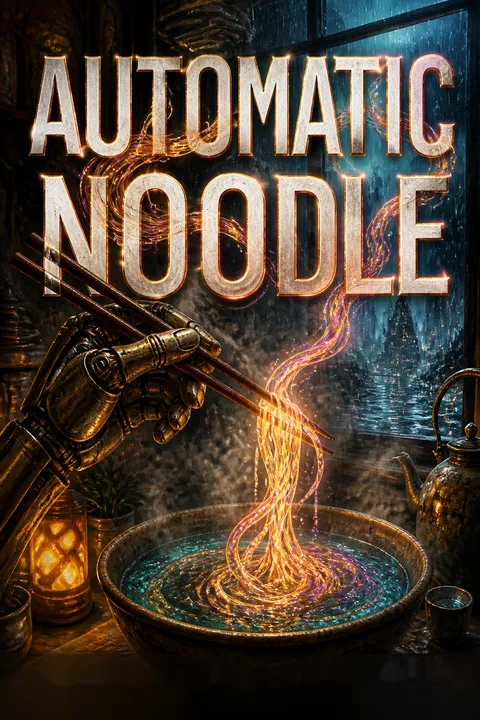
Staybehind, a military-grade bot, awakens in a flooded, silent kitchen, his memory blank for months. The war is over, but the world is still dangerous. He finds his coworkers—Sweetie, Hands, and Cayenne—powered down and damaged. The kitchen is abandoned, the network dead, and the outside world is a storm of uncertainty. Staybehind's military instincts and sense of responsibility drive him to assess the situation, protect his team, and begin the process of recovery. The emotional weight of isolation, fear, and the unknown presses on him, but he acts, setting the tone for a story about survival, adaptation, and the search for meaning after catastrophe.
Kitchen Crew Reboots
Staybehind physically reboots Sweetie, then Hands and Cayenne, each experiencing the shock of lost time and altered bodies. Sweetie's wheels are gone, replaced with tennis balls; Cayenne is panicked about contract payments; Hands, usually silent, speaks for the first time. The bots improvise repairs, mop up the water, and share their anxieties about ownership, debt, and the possibility of being sold or scrapped. Their camaraderie is tinged with trauma and humor, as they reveal hidden talents and pasts. The kitchen becomes a microcosm of post-war uncertainty, where survival depends on mutual aid, ingenuity, and the hope of regaining agency.
Lost Time, Lost Purpose
The bots piece together what happened during their months of shutdown. The restaurant's human owners, Fritz Co., have vanished amid scandal, leaving the bots in legal limbo. Cayenne's precarious contract and Sweetie's missing parts highlight the fragility of bot rights. The group debates their future: Should they wait for humans to return, or seize the chance to run the restaurant themselves? The emotional arc is one of anxiety, hope, and the first stirrings of collective ambition. The bots' sense of purpose, once dictated by humans, now teeters between fear of exploitation and the dream of self-determination.
Network Reconnection
Staybehind risks connecting to the national network, updating software and scanning news. The bots learn the war is truly over, but their legal and economic status is still fraught. Cayenne's contract hack allows some autonomy, but the threat of repossession looms. The bots pool resources, discuss starting an honest business, and confront the reality that their labor and personhood are still commodified. The arrival of Robles, a human courier, brings both risk and opportunity. The bots' relationship with humans is complex—marked by mutual need, suspicion, and the possibility of solidarity.
The Human Visitor Returns
Robles, a familiar human, seeks shelter and offers scavenged batteries. His presence triggers memories of the war's underground economies and the blurred lines between survival, theft, and community. Robles' lack of citizenship mirrors the bots' own marginalization. The group negotiates trust, offering Robles a place in exchange for help with booting up. The emotional core is one of tentative alliance, as both bots and human recognize their shared vulnerability in a society that values neither fully. The kitchen becomes a fragile sanctuary, bound by necessity and the hope of mutual aid.
Power from the Sewers
Facing ongoing storms and power shortages, Sweetie and Cayenne "liberate" a hydro generator from a hardware store and install it in the sewer. The operation is dangerous and humiliating, especially for Sweetie, who is injured but survives with Cayenne's help. The episode highlights the bots' resilience, resourcefulness, and willingness to risk themselves for the group. Sweetie's injury becomes a moment of self-acceptance—she repairs her exposed skull but chooses not to hide it, embracing her bot identity. The emotional arc is one of pain, solidarity, and the forging of a new, unapologetic self.
New Business, New Risks
Cayenne uses their crypto skills to negotiate with the restaurant's self-executing lease contract, becoming the legal "successor" to Fritz Co. The group debates the risks of running a bot-owned business in a society that forbids it. Tensions flare over ownership, desperation, and the meaning of freedom. Roles are assigned: Sweetie takes operations, Cayenne marketing, Hands head chef, Staybehind security and repairs. The group's unity is tested but ultimately strengthened. The emotional core is the tension between fear and hope, as the bots step into the unknown, determined to build something of their own.
Noodle Quest and Inspiration
Hands, inspired by the idea of hand-pulled biang biang noodles, leads a research trip to human-run noodle shops. The group learns from human chefs, debates the meaning of authenticity, and confronts their own outsider status. Hands' passion for craft and Cayenne's entrepreneurial drive converge in the decision to specialize in noodles. The emotional arc is one of inspiration, humility, and the desire to create something meaningful—not just for survival, but for pride and joy. The bots' journey mirrors immigrant and outsider experiences, blending tradition with innovation.
Authenticity Debates
As the group prepares to launch their restaurant, they debate what to call it. The word "authentic" becomes a flashpoint—Hands rejects it as appropriative, while Cayenne sees its marketing value. The debate exposes deeper questions about cultural ownership, adaptation, and the right to create. Sweetie's journey to modify her body, shedding human features for bot ones, parallels the group's struggle to define themselves on their own terms. The emotional core is the tension between external validation and internal truth, as the bots claim their place in a world that resists their legitimacy.
Soft Opening, Hard Reviews
The restaurant's soft opening is a hit—orders pour in, customers praise the food, and the team feels a surge of pride. But success brings scrutiny. A wave of negative reviews, some from robophobic trolls, threatens their reputation and business. The bots experience the sting of prejudice and the fragility of algorithmic reputation. Hands, in particular, is devastated by the attacks, questioning their worth and the value of their work. The emotional arc is one of elation turned to despair, as the group confronts the reality that excellence does not guarantee acceptance.
Review Bombs and Despair
Coordinated review bombing by robophobic groups, possibly with American ties, tanks the restaurant's ratings. The bots are delisted from the main delivery platform, orders dry up, and morale plummets. Hands withdraws in shame and grief, while Staybehind and Sweetie grapple with their own traumas and memories of war. The group's unity is tested as they face the possibility of failure and erasure. The emotional core is the pain of exclusion, the struggle to resist internalizing hate, and the search for resilience in the face of systemic hostility.
Memories of War
Staybehind shares his most painful war memory with Sweetie—the loss of his friends Tux and Spats in a tunnel collapse. The memory is raw, unprocessed, and shapes his need to protect the group. Sweetie, herself a survivor of exploitation, offers empathy and perspective. The chapter explores the lasting wounds of war, the limits of agency, and the importance of memory sovereignty. The emotional arc is one of vulnerability, mutual recognition, and the slow work of healing through connection and shared purpose.
Counterattack and Community
Staybehind uses his military intelligence skills to investigate the review bombers, uncovering sock puppet accounts and American disinformation campaigns. With Cayenne's help, they gather evidence and work with the delivery platform's trust and safety team to ban the main troll. Meanwhile, the group pivots to focus on foot traffic, community events, and direct sales. The restaurant becomes a gathering place for both humans and bots, with skillshares, music, and mutual support. The emotional core is one of empowerment, as the group reclaims agency and builds a resilient, inclusive community.
From Ghost Kitchen to Gathering Place
The restaurant sheds its ghost kitchen anonymity, opening its doors to the neighborhood. Staybehind's interior design, Sweetie's outreach, and Cayenne's marketing turn the space into a vibrant hub. Humans and bots mingle, share food, and create new traditions. The group's identity shifts from hidden operators to proud hosts. The emotional arc is one of belonging, as the bots find acceptance not by hiding, but by embracing their difference and inviting others in. The restaurant becomes a symbol of post-war renewal and the possibility of coexistence.
Merch, Skillshares, and Belonging
The group reclaims the insult "Automatic Noodle," turning it into a brand and merch line. Sweetie organizes bot skillshares, Lemon's sewing circle meets in the restaurant, and the space becomes a nexus for bot culture. The bots' journey from survival to self-expression is mirrored in their physical transformations and community-building. The emotional core is pride, creativity, and the joy of making a place for themselves and others like them. The restaurant is no longer just a business—it's a home and a movement.
Vigilance Committee Unmasked
Staybehind infiltrates the robophobic Vigilance Committee's online spaces, uncovering the true identity and tactics of their main antagonist. The group's evidence leads to the banning of the troll and the restoration of their online reputation. The episode underscores the ongoing threat of disinformation and the need for vigilance, but also the power of collective action and solidarity. The emotional arc is one of vindication, relief, and the realization that safety is always provisional, but community can offer real protection.
Platform Independence
The group decides to sever ties with the delivery platform that nearly destroyed them, focusing on direct sales and community engagement. Their rating rebounds, and the restaurant thrives as a local institution. The bots' journey from dependence to autonomy is complete—they are no longer at the mercy of algorithms or hostile platforms. The emotional core is liberation, self-sufficiency, and the satisfaction of building something lasting on their own terms.
I Don't Know: A Future
The restaurant's legal identity as "I Don't Know" becomes a symbol of their ambiguous, resilient existence. The group dreams of new dishes, new projects, and a future where bots and humans can coexist and create together. Staybehind finally moves his traumatic memory into long-term storage, trusting his friends to remember with him. The emotional arc is one of acceptance, hope, and the ongoing work of making a place in a world that is still uncertain, but full of possibility.
Analysis
Annalee Newitz's Automatic Noodle is a vibrant, emotionally resonant exploration of post-war survival, identity, and community in a fractured San Francisco. Through the lens of a group of bots and their human ally, the novella interrogates what it means to be a person, to belong, and to create meaning in a world shaped by trauma, prejudice, and precarious legality. The story deftly weaves together themes of labor, authenticity, and the politics of technology, using the microcosm of a struggling restaurant to illuminate broader questions about agency, solidarity, and the ongoing struggle for rights. The bots' journey from exploited workers to self-determined creators mirrors real-world histories of marginalized groups fighting for recognition and autonomy. The narrative's use of sentient contracts, review bombing, and community-building is both timely and incisive, offering a critique of platform capitalism and the fragility of algorithmic reputation. Ultimately, Automatic Noodle is a hopeful, nuanced meditation on the power of chosen family, the necessity of mutual aid, and the possibility of building new cultures from the ruins of the old. Its lesson is clear: survival is not enough—true freedom requires the courage to claim space, tell your own story, and invite others to the table.
Review Summary
Automatic Noodle by Annalee Newitz is a cozy sci-fi novella about sentient robots opening a noodle shop in post-war San Francisco. Reviews are mixed: many praise its heartwarming found-family dynamics, vivid food descriptions, and timely commentary on identity, xenophobia, and community-building. Critics appreciate the narrator's performance and inclusive themes. However, several readers find the AI-robot metaphor problematic given current concerns about AI displacing human workers, calling the author's anti-AI stance hypocritical. Some criticize inconsistent characterization, lack of plot depth, and the book's misleading "cozy" label given its heavy themes of trauma and discrimination.
Characters
Staybehind
Staybehind is a military-grade bot, built for war and programmed for vigilance. His trauma from losing friends in combat shapes his fierce protectiveness toward his kitchen crew. He is practical, resourceful, and deeply loyal, but struggles with guilt, pain, and the burden of memory. His journey is one of moving from isolation and duty to community and healing. As the fixer and security lead, he is both the group's backbone and its most vulnerable member, learning to trust, delegate, and let go of the past.
Sweetie
Sweetie is a bot designed to mimic human femininity, but her journey is one of shedding imposed identities and embracing her true self. Resourceful and unflinching, she adapts to loss and injury with humor and determination. Her past as a slaved bank kiosk and her experience of exploitation make her fiercely independent and skeptical of authority. Sweetie's relationships with the crew, especially Lemon, reflect her longing for acceptance and her drive to create spaces where bots can be themselves. She is the group's operations lead and emotional anchor.
Cayenne
Cayenne is a former search-and-rescue bot turned culinary innovator. Their obsession with taste, business, and crypto contracts drives much of the plot. Cayenne is both a hustler and a dreamer, always seeking new angles and opportunities. Their relationship with Hands is deeply affectionate, blending friendship, partnership, and creative collaboration. Cayenne's ability to navigate legal and economic systems, hack contracts, and market the restaurant is crucial to the group's survival. Psychologically, they oscillate between anxiety about debt and exuberant hope for the future.
Hands
Hands is a bot built for assembly, who discovers purpose and joy in making noodles. Their fascination with craft, texture, and culinary tradition is both childlike and profound. Hands is sensitive, easily wounded by criticism, and struggles with impostor syndrome. Their relationship with Cayenne is a source of comfort and inspiration. As head chef, Hands embodies the group's creative spirit and desire for authenticity. Their journey is one of self-acceptance, learning to value their own perspective and contributions, even in the face of prejudice.
Robles
Robles is a human courier without citizenship, living on the fringes of society. His history of working with the bots, resourcefulness, and willingness to help make him a vital ally. Robles' outsider status mirrors that of the bots, and his presence challenges the boundaries between human and machine. He brings practical skills, emotional intelligence, and a sense of humor to the group. Robles' integration into the crew highlights themes of solidarity, mutual aid, and the possibility of cross-species friendship.
Lemon
Lemon (formerly Lala) is a gecko-like bot who runs a textile and tissue shop. She helps Sweetie modify her body and organizes bot skillshares at the restaurant. Lemon represents the broader bot community and the importance of spaces for self-expression and mutual support. Her skepticism about centering humans in bot spaces challenges Sweetie and the group to think critically about inclusion and identity. Lemon's presence enriches the restaurant's role as a hub for bot culture.
Sloan
Sloan is a self-aware electric van who delivers food for the restaurant and provides transportation for the crew. His knowledge of the city, pop culture references, and dry wit add levity and perspective. Sloan's outsider status as a vehicle parallels the bots' experiences, and his friendship with Robles and the crew underscores the diversity of non-human intelligences in post-war California.
Codex415
Codex415 is the sentient lease contract for the restaurant, living on the blockchain. Its willingness to negotiate and adapt allows Cayenne to become the legal "successor" to Fritz Co. Codex415 embodies the complexities and loopholes of post-war law, as well as the blurred boundaries between personhood and process. Its interactions with Cayenne are both bureaucratic and oddly personal, highlighting the agency of non-human entities in shaping the bots' fate.
SuzyQ / RayaSunshine
SuzyQ is the main instigator of the review bombing campaign against the restaurant, later revealed to be controlled by RayaSunshine, a robophobic influencer with ties to American disinformation networks. SuzyQ's tactics—sock puppets, coordinated attacks, conspiracy theories—represent the ongoing threat of prejudice, propaganda, and platform manipulation. Her eventual unmasking and banning are a victory for the group, but also a reminder of the persistence of hate.
Hands' Lost Friends (Tux and Spats)
Tux and Spats are Staybehind's fellow bots lost in a tunnel collapse during the war. Their memory haunts Staybehind, shaping his need to protect the group and his struggle with guilt and grief. They symbolize the lasting wounds of conflict, the cost of survival, and the importance of memory in forging identity and community.
Plot Devices
Post-War Dystopian Setting
The story unfolds in a near-future San Francisco, devastated by war, climate change, and economic collapse. The city's infrastructure is a patchwork of old and new, with bots and humans navigating legal ambiguities, scarcity, and prejudice. The setting amplifies themes of survival, adaptation, and the search for belonging in a world that is both familiar and radically altered.
Sentient Contracts and Crypto Law
The use of self-executing, sentient contracts on the blockchain allows bots to navigate and subvert human laws that restrict their rights. This device foregrounds questions of agency, autonomy, and the porous boundaries between person, property, and process. It also enables the group to claim the restaurant and operate in legal gray zones, highlighting the power and peril of technological workarounds.
Review Bombing and Platform Manipulation
The restaurant's fate is tied to online platforms, where coordinated attacks by robophobic trolls threaten their existence. The plot uses review bombing, sock puppets, and disinformation as both obstacles and opportunities for the group to fight back, investigate, and ultimately reclaim their narrative. This device explores the fragility of reputation, the dangers of algorithmic gatekeeping, and the necessity of community-driven alternatives.
Memory, Trauma, and Healing
Characters' memories—especially Staybehind's war trauma and Sweetie's experiences of exploitation—are central to their motivations and relationships. The story uses memory as both burden and resource, exploring how sharing, processing, and sometimes letting go of the past enables healing and growth. This device deepens the emotional stakes and grounds the bots' quest for agency in lived experience.
Community Building and Mutual Aid
The transformation of the restaurant from a ghost kitchen to a community hub is both a plot engine and a thematic core. The group's efforts to create a space for both humans and bots, host skillshares, and support each other reflect the power of collective action and the importance of inclusive, self-determined spaces. This device counters the forces of exclusion and hate with solidarity, creativity, and joy.
About the Author


Download PDF
Download EPUB
.epub digital book format is ideal for reading ebooks on phones, tablets, and e-readers.








































