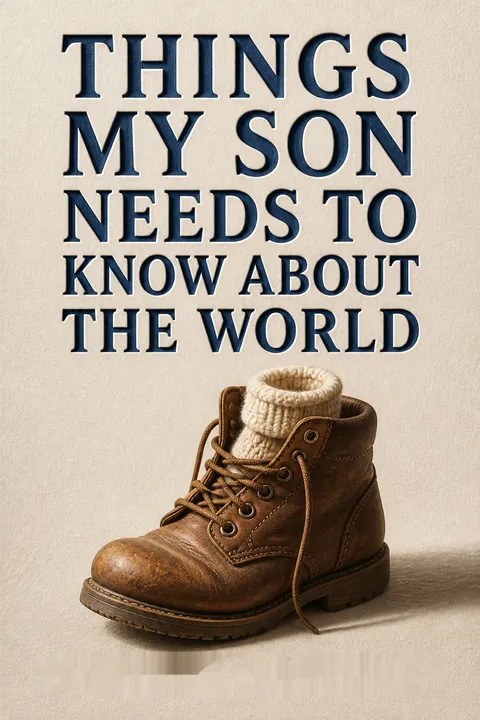

نکات کلیدی
۱. والدگری سفری پرهرجومرج، آشفته و اغلب ناتوانکننده است.
داشتن فرزند در بسیاری جهات مانند تلاش برای هدایت بولدوزری در یک فروشگاه ظروف چینی است. با پاهای شکسته. ماسک اسکی برعکس بر صورت. در حالی که مست هستید.
آشوب را بپذیرید. والد شدن شما را به دنیایی از مدیریت مدفوع، کمخوابی و مونتاژ گیجکنندهی وسایل نوزاد میکشاند. احساس خواهید کرد کاملاً آماده نیستید، گویی کارکنان بیمارستان شما را به دست زامبیها سپردهاند و انجام کارهای ساده به تلاشهای هرکولسوار تبدیل میشود که با آسیبهای خودساخته یا گم شدن موقت فرزندتان پایان مییابد. این واقعیت طاقتفرسا بهشدت با خیالپردازیهای پیش از والدگری تفاوت دارد.
تغییر نسلی. برخلاف نسلهای پیشین که میتوانستند نادانی خود را توجیه کنند، والدین امروزی بهدلیل وجود گوگل فشار زیادی برای دانستن همهچیز احساس میکنند. این امر منجر به فکر کردن بیش از حد، خرید بیپایان وسایل بیمصرف و ترس مداوم از اشتباه کردن میشود. تمایل به بهترین بودن در نقش والد با آشفتگی غیرقابل کنترل این وظیفه در تضاد است.
ناتوانی طبیعی است. شما اشتباه خواهید کرد، از فراموش کردن پوشک گرفته تا رها کردن کودک در آسانسور. احساس خواهید کرد دیگران و خودتان شما را قضاوت میکنند. اما این ناتوانی مشترک بخشی از مسیر است؛ شما در شرایطی که هیچ راهنمایی نداشت، نهایت تلاش خود را میکنید و اغلب بیشتر شبیه یک مأمور آزادی مشروط هستید تا یک ابرقهرمان.
۲. درسهای زندگی در غیرمنتظرهترین مکانها ظاهر میشوند.
من ریسک نمیکنم این دانش با نسل من بمیرد.
حکمت از فرهنگ عامه. فراموش کنید متون فلسفی خاکخورده؛ بینشهای عمیق را میتوان در بازیهای ویدئویی، کشتی کج یا فیلمهای ورزشی یافت. پدر دانش حیاتی مانند چگونگی عبور از مرحله نهایی بازی Monkey Island 3 یا درسهای اخلاقی نهفته در داستان کشتیگیران Undertaker و Kane را منتقل میکند. این اطلاعات ظاهراً پیشپاافتاده با همان اهمیت نصایح سنتی زندگی ارائه میشوند.
تجارب روزمره آموزندهاند. حتی مکانهای معمولی مانند ایکیا یا نوار حمل چمدان فرودگاه میتوانند زمینهای برای تأملات مهم باشند. ایکیا درباره سازش و یافتن شادی در تجربههای مشترک با وجود ناامیدی درس میدهد، در حالی که فرودگاه به تفکر درباره طبیعت انسان، تعارض و پوچی نادیده گرفتن قوانین ساده میانجامد. ارزشمندترین درسهای زندگی اغلب در برابر چشم ما پنهاناند.
حکایتهای شخصی بهمثابه تمثیل. پدر از تجربیات خجالتآور یا ناامیدکننده خود—مانند شوخی عملی که بهاشتباه پیش رفت یا حادثه مایع ظرفشویی—بهعنوان داستانهای هشداردهنده یا نمونههای طنزآمیز از خطاهای انسانی استفاده میکند. این داستانهای شخصی، هرچند ناخوشایند، بهعنوان تمثیلهایی قابللمس برای راهیابی در جهان عمل میکنند.
۳. عشق واقعی آشفته، ناقص و بر پایه سازش بنا شده است.
مردم چیزهای زیادی درباره ما گفتهاند، اما باور کنید هیچکس هرگز نگفته ما برای هم ساخته شدهایم.
عشق فراتر از منطق است. رابطه پدر و مادر گواهی است بر وجود عشق با وجود تفاوتهای چشمگیر در پیشینه، شخصیت و علایق (مانند علاقه او به بیکن در برابر گیاهخواری او). آنها یکدیگر را بهصورت قطعات کاملکننده پازل نمیبینند؛ بلکه دو فرد کاملاً متفاوت هستند که یکدیگر را انتخاب کردهاند.
سازش کلید است. ازدواج مستلزم مذاکره مداوم است، از فضای کمد لباس تا انتخاب مبل. پدر این موضوع را با طنز از طریق مراسم «قبل از خوردن» پیش از رویدادهای اجتماعی با «بزرگسالانی» که فکر میکنند سوپ غذاست، نشان میدهد. این سازشها، هرچند کوچک یا مضحک، پایه عملی زندگی مشترکاند.
انتخاب یکدیگر. عمیقترین جنبه عشق آنها سرنوشت جادویی نیست، بلکه انتخاب فعال روزانه است. مادری که عاشق رقص است، مردی بدون ریتم را انتخاب کرده؛ این انتخاب آگاهانه و شادی دیدن رقص او با پسرشان، درسهای بیشتری درباره عشق به پدر میآموزد تا هر اعلامیه بزرگ دیگری.
۴. دوستی گروه موسیقی مادامالعمر توست.
فقط میخواهم بدانی چیزی در زندگیات لازم داری که هرگز تغییر نکند.
دوستان ضروریاند. زندگی نیازمند حمایت است و دوستان کسانی هستند که میتوانی برای هر کاری از جابهجایی مبلمان تا عبور از رویدادهای بزرگ زندگی روی آنها حساب کنی. پدر از استعاره تشکیل یک گروه موسیقی استفاده میکند—نه برای موسیقی، بلکه برای هدف مشترک و ارتباطی که فراهم میکند، حتی اگر گروه هرگز از گاراژ بیرون نرود.
دوستان مختلف، نقشهای مختلف. دوستانی برای فعالیتهای خاص (بازیهای ویدئویی، ورزش، غذا خوردن) خواهی داشت، اما ارزشمندترین آنها کسانی هستند که تاریخچهات را میدانند، تو را همانگونه که هستی میپذیرند و فقط وقتی نیاز داری «هستند». آنها کسانیاند که بدون توضیح میتوانی برای باربیکیو یا بعد از مراسم ختم تماس بگیری.
ثبات در تغییر. با تغییر زندگی، دوستان استمرار را فراهم میکنند. آنها نگهدارندگان نسخههای گذشته تو هستند، کسانی که میتوانی با آنها درباره خاطرات قدیمی و شوخیهای درونی مشترک (مثل بالا آوردن در گوش) صحبت کنی. آنها کسانیاند که میتوانی بزرگترین خبرهایت را با آنها در میان بگذاری، مانند پدر شدن، با اطمینان از درکشان.
۵. عبور از دنیای اجتماعی والدگری نیازمند پوست کلفتی و شوخطبعی است.
خوب بودن در نقش والد سخت است. آزمون و خطا زیاد دارد. در مورد من، بیشتر خطاها.
قضاوت همهجا هست. جامعه والدگری پر از قوانین نانوشته و قضاوتهای ظریف (یا آشکار) است. از بحث درباره شکر و زمان صفحهنمایش تا بررسی انتخاب لباس و بهداشت، والدین مدام یکدیگر را ارزیابی میکنند. این فشار باعث میشود احساس کنی فرزندت «نشانه هویتی» است نه فقط یک کودک.
شوخطبعی بهعنوان دفاع. مکانیزم مقابله پدر اغلب شوخیهای نامناسب یا نظرات طعنهآمیز است که اغلب به شکست اجتماعی یا درگیری منجر میشود (مثل پیشنهاد سیگار برای کاهش اشتها یا نامیدن پارک بازی به «هشتضلعی»). هرچند گاهی منزویکننده است، این شوخطبعی راه او برای مقابله با استرس و پوچی است.
یافتن همنوعان. با وجود قضاوتها، ممکن است در میان والدین دیگر روحهای همفکر پیدا کنی—شاید کسی که در جلسه مهدکودک پوشش 4G را اولویت میدهد. در نهایت، عبور از این دنیا یعنی پذیرفتن اینکه نمیتوانی همه را راضی کنی و یافتن چند نفری که آشوب خاص والدگری تو را تحمل میکنند.
۶. تعریف «مرد بودن» پیچیده است؛ مهربانی کلید است.
هرگز مهربانی را با ضعف اشتباه نگیرید.
مردانگی در حال تحول. تعریف «مرد» در نسلها تغییر میکند. پدر نسل خود که به گوگل وابسته است را با مهارتهای عملی و خودکفایی پدربزرگهایش مقایسه میکند. او کاستیهای خود را میپذیرد اما امیدوار است پسرش از هر دو نسل بیاموزد و مهارتهای عملی را با هوش هیجانی ترکیب کند.
فراتر از کلیشهها. قدرت واقعی به معنای سختی سنتی یا هرگز درخواست کمک نکردن نیست. بلکه ایستادن در کنار ضعیفان، اعتراف به اشتباه و نترسیدن از زنان قوی است. پدر به نمونههایی مانند گرت توماس که به تیم راگبی خود آمدن خود را اعلام کرد اشاره میکند که نشاندهنده شجاعت و مردانگی است.
مهربانی برتر بر ظلمت. دنیا پر از خوبی و بدی است و اغلب مردم در میانه قرار دارند و از ترس به پایین میزنند. پدر از پسرش میخواهد متفاوت باشد، مهربان باشد، هرگز فقط بهخاطر تواناییاش بد نباشد و هرگز از بیعدالتی چشمپوشی نکند. این انتخاب اخلاقی مهمترین جنبه مرد بودن است.
۷.
[خطا: پاسخ ناقص است]
خلاصه نقدها
کتاب «چیزهایی که پسرم باید دربارهی جهان بداند» با استقبال نسبتاً خوبی روبهرو شد و خوانندگان از طنز ظریف، مشاهدات صمیمانه و تجربیات قابللمس پدرانهی بکمن تمجید کردند. بسیاری این اثر را دلنشین و تأثیرگذار یافتند و سبک خودانتقادی نویسنده و عشق واقعیاش به خانواده را ستودند. برخی خوانندگان اشاره کردند که برخی مقالات کمی پراکنده یا غیرضروری به نظر میرسیدند و عدهای نیز با ترجمه کتاب دچار مشکل شدند. در مجموع، طرفداران داستانهای تخیلی بکمن از این نگاه شخصی به زندگی او استقبال کردند، هرچند برخی معتقد بودند این کتاب به قوت رمانهایش نیست.
دیگران نیز خواندهاند





سؤالات متداول
1. What’s "Things My Son Needs to Know About the World" by Fredrik Backman about?
- A father’s humorous guide: The book is a collection of witty, heartfelt essays from Fredrik Backman to his young son, offering advice, confessions, and observations about life, parenting, and growing up.
- Blending humor and sincerity: Backman uses humor, pop culture references, and self-deprecating anecdotes to explore the challenges and joys of fatherhood.
- Life lessons and reflections: The essays cover everything from practical advice (like how to survive IKEA) to deeper musings on masculinity, love, and what it means to be a good person.
- A love letter to family: At its core, the book is a father’s attempt to prepare his son for the world, while acknowledging his own imperfections and the unpredictability of life.
2. Why should I read "Things My Son Needs to Know About the World" by Fredrik Backman?
- Relatable parenting insights: The book offers a refreshingly honest and relatable look at the anxieties, mistakes, and joys of being a parent.
- Humor with heart: Backman’s signature wit makes even mundane topics entertaining, while his emotional honesty gives the book real depth.
- Universal themes: While written as advice to his son, the book touches on universal experiences—love, embarrassment, fear, and hope—that resonate with readers of all backgrounds.
- Accessible and engaging: The short, essay-style chapters make it easy to dip in and out, perfect for busy parents or anyone looking for a thoughtful, funny read.
3. What are the key takeaways from "Things My Son Needs to Know About the World"?
- Parenting is imperfect: No parent has all the answers, and making mistakes is inevitable—what matters is trying your best and loving your child.
- Cherish the small moments: Life’s meaning is often found in everyday experiences, not grand gestures or perfect plans.
- Kindness over strength: Backman emphasizes the importance of being kind, empathetic, and standing up for others, rather than focusing on traditional notions of toughness.
- Embrace vulnerability: Admitting fears, failures, and uncertainties is part of being a good parent and a good person.
4. How does Fredrik Backman use humor in "Things My Son Needs to Know About the World"?
- Self-deprecating anecdotes: Backman frequently pokes fun at his own parenting blunders, from diaper disasters to IKEA meltdowns.
- Pop culture references: He weaves in jokes about video games, movies, and sports, making the book accessible and entertaining for a wide audience.
- Exaggerated scenarios: Many stories are told with hyperbolic flair, such as comparing parenting to surviving a war zone or assembling furniture as a life-or-death mission.
- Balancing laughter and emotion: The humor never undermines the sincerity of his advice or the depth of his love for his son.
5. What are the main themes explored in "Things My Son Needs to Know About the World"?
- Fatherhood and masculinity: The book examines what it means to be a man and a father in the modern world, challenging stereotypes and generational differences.
- Love and relationships: Backman reflects on his marriage, the quirks of love, and the importance of finding someone who accepts you as you are.
- Mistakes and forgiveness: The essays highlight the inevitability of making mistakes as a parent and the need for self-forgiveness and understanding.
- Navigating social norms: From playground politics to parent-teacher conferences, Backman explores the unwritten rules and pressures of parenting culture.
6. What specific advice or life lessons does Fredrik Backman give his son in "Things My Son Needs to Know About the World"?
- Don’t pee in the ball pool: Practical (and humorous) advice about surviving childhood and public spaces like IKEA.
- Pick your battles: Whether in relationships or shopping for furniture, not every argument is worth having.
- Be kind, not a jerk: The most important lesson is to be compassionate and stand up for others, even when it’s hard.
- Embrace who you are: Backman encourages his son to be himself, regardless of societal expectations or pressures.
7. How does "Things My Son Needs to Know About the World" by Fredrik Backman address the challenges of modern parenting?
- Information overload: Backman discusses the pressure on modern parents to know everything, thanks to the internet and social media.
- Parental anxiety: He candidly shares his fears of making mistakes and not living up to expectations, both his own and society’s.
- Changing roles: The book reflects on how parenting has evolved, especially regarding gender roles and shared responsibilities.
- Balancing technology and tradition: Backman humorously contrasts his own upbringing with the digital world his son will inherit.
8. What are some of the most memorable stories or anecdotes in "Things My Son Needs to Know About the World"?
- The IKEA saga: Backman’s epic tales of navigating IKEA, from following the arrows to the perils of the ball pool, are both hilarious and insightful.
- Motion-sensitive bathroom lights: A story about being trapped in the dark with a poopy diaper highlights the absurdities of eco-friendly technology.
- The plastic giraffe incident: The fate of a noisy toy giraffe becomes a metaphor for the strange things children remember from childhood.
- Getting shot: Backman shares a deeply personal story about being shot during a robbery, using it to reflect on life’s fragility and the importance of family.
9. How does Fredrik Backman explore the concept of masculinity in "Things My Son Needs to Know About the World"?
- Generational contrasts: He compares his own father and father-in-law’s traditional masculinity with his more vulnerable, modern approach.
- Redefining strength: Backman argues that real strength lies in kindness, empathy, and the ability to admit mistakes.
- Rejecting stereotypes: The book challenges the idea that men must be stoic, handy, or emotionally distant to be “real men.”
- Learning from women: He credits his wife and grandmothers for teaching him about equality, respect, and the value of strong women.
10. What are the best quotes from "Things My Son Needs to Know About the World" and what do they mean?
- “Life’s a game of inches.” – Quoting Al Pacino, Backman uses this to illustrate how small decisions and moments shape our lives.
- “Find someone who doesn’t love you for the person you are, but despite the person you are.” – A humorous yet profound take on unconditional love.
- “Because if our kids don’t grow up to be better than us, then what’s the point of all this?” – Emphasizes the hope that each generation will improve upon the last.
- “I want you to always remember that you can become whatever you want to become, but that’s nowhere near as important as knowing that you can be exactly who you are.” – Encourages authenticity and self-acceptance.
11. How does "Things My Son Needs to Know About the World" by Fredrik Backman balance humor with deeper emotional moments?
- Juxtaposition of comedy and vulnerability: Backman often follows a funny story with a heartfelt reflection, creating an emotional resonance.
- Honest confessions: He admits to his fears, insecurities, and failures, making the humor feel genuine rather than superficial.
- Celebrating imperfection: The book’s funniest moments often stem from Backman’s own mistakes, which he uses to highlight the beauty of imperfection in parenting and life.
- Emotional payoffs: The humor sets up more serious messages about love, loss, and the importance of family, making them hit harder.
12. What is Fredrik Backman’s overall message to his son in "Things My Son Needs to Know About the World"?
- Love above all: The most important thing is that his son knows he is loved, even when his father is embarrassing, unreasonable, or imperfect.
- It’s okay to fail: Mistakes are part of life and parenting; what matters is learning, growing, and trying again.
- Be kind and brave: Stand up for others, don’t be a jerk, and don’t be afraid to be different or vulnerable.
- Life is unpredictable: There are no perfect instructions for living or parenting, but laughter, love, and resilience will help you through.
درباره نویسنده
کتابهای دیگر از فردریک بکمن








دانلود PDF
دانلود EPUB
.epub digital book format is ideal for reading ebooks on phones, tablets, and e-readers.








































