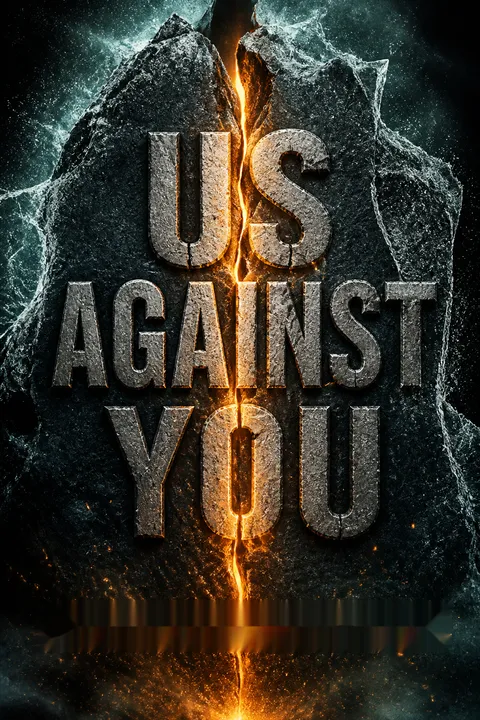

Plot Summary
The Town That Fell
Beartown is a small, isolated town in the forest, its identity and pride built around its hockey club. But after a star player rapes a girl, the town fractures. The community chooses to believe the boy, Kevin, over Maya, the victim, until the truth emerges and the town is left with guilt and shame. The hockey club, once a source of unity, becomes a symbol of division and pain. The town's economic struggles and shrinking population only intensify the sense of loss. As the story opens, Beartown is reeling, its people forced to confront the violence and hatred simmering beneath the surface, and the realization that their choices have consequences that can't be undone.
After the Scandal
In the wake of the rape, Maya and her best friend Ana become inseparable, feeling it's them against the world. Kevin and his family leave town in disgrace, but the damage lingers. Maya's family is ostracized, her father Peter nearly loses his job as general manager of the hockey club, and her brother Leo is consumed by guilt for not protecting his sister. The town's adults and children alike are forced to pick sides, and the lines between victim and perpetrator blur. The community's need to move on clashes with the reality that trauma doesn't simply end. Parents struggle to protect their children, but the violence and shame are inescapable, and the town's wounds remain open.
Divided by Hockey
The hockey club's collapse leaves Beartown vulnerable, and the neighboring town of Hed seizes the opportunity. Sponsors, players, and coaches defect to Hed, intensifying the rivalry. The towns become locked in a tribal battle, with hockey as the battleground for deeper resentments about class, opportunity, and belonging. Children fight on playgrounds, adults trade threats, and the Pack—a group of fiercely loyal, sometimes violent Beartown fans—emerges as both protectors and enforcers. The loss of the club is felt as a personal betrayal, and the towns' mutual contempt grows, fueled by rumors, online abuse, and symbolic acts like burning jerseys. The violence that erupts is not new, but a culmination of years of simmering conflict.
The Cost of Loyalty
Loyalty is both a virtue and a curse in Beartown. Peter and Kira's marriage strains under the weight of the scandal and Peter's devotion to hockey. Kira sacrifices her career for her family, while Peter clings to the hope of saving the club. Maya and Ana's friendship is tested by trauma and secrets. Benji, once Kevin's protector, chooses to stay in Beartown, breaking with his best friend and the team. Amat, a rising star from the Hollow, risks everything to tell the truth about the rape, earning enemies and isolation. The boys who remain—Amat, Bobo, Benji—must prove themselves on the A-team, facing hazing, exclusion, and the pressure to be men. The cost of loyalty is high, and not everyone survives it.
New Enemies, Old Wounds
Outsiders arrive: Elisabeth Zackell, a female coach with a winning mentality, and Richard Theo, a cunning politician. Zackell is hired to rebuild the team, facing skepticism and misogyny. Theo manipulates the town's divisions for his own gain, orchestrating deals to save the factory and the club, but always with strings attached. The Pack's influence grows, and Peter is forced to choose between appeasing sponsors and protecting the club's soul. Old wounds—class resentment, family trauma, and the legacy of violence—are reopened as the towns prepare for a new season. The lines between right and wrong, friend and enemy, blur as everyone fights for survival.
The Outsiders Arrive
Zackell's arrival as coach is met with resistance, but her unconventional methods—demanding hard work, unity, and resilience—begin to transform the team. She sees potential in the misfits: Amat's speed, Bobo's strength, Benji's leadership, and Vidar's wild talent as goalie. Theo, meanwhile, leverages his political connections to secure sponsorship, but demands Peter publicly denounce the Pack and the standing area in the rink, threatening the club's identity. The town is forced to confront its prejudices, as Zackell's gender and Benji's sexuality become flashpoints. The outsiders' presence forces Beartown to reckon with what it truly values.
The Pack and the Politician
The Pack, led by Teemu, exerts shadowy control over the club and the town, enforcing loyalty and punishing betrayal. Theo manipulates both the Pack and Peter, playing them off each other to consolidate power. Threats, intimidation, and backroom deals become the norm. The standing area in the rink becomes a symbol of resistance, and when Peter agrees to its demolition for the sake of sponsorship, the Pack retaliates. The town's sense of community is tested as violence escalates, and the boundaries between justice and revenge blur. The Pack's loyalty is fierce, but it comes at a cost, and not everyone is willing to pay it.
Girls Against the World
Maya and Ana's bond is a lifeline in a world that is often hostile to girls. They support each other through trauma, shame, and isolation, finding solace in music, humor, and shared defiance. Their friendship is tested by secrets and betrayal, especially when Ana, in a moment of pain, outs Benji's sexuality online, unleashing a new wave of hatred. Yet, their reconciliation is a testament to forgiveness and the power of chosen family. Kira, too, navigates the challenges of motherhood, career, and marriage, ultimately reclaiming her own ambitions. The women of Beartown—mothers, daughters, friends—find ways to survive, even when the world tries to break them.
Becoming a Man
The boys of Beartown are under constant pressure to be tough, to fight, to win. Leo, desperate to protect his sister and prove himself, is drawn into violence and the Pack's orbit. Bobo struggles with grief and belonging after his mother's death. Amat faces racism and classism, but finds strength in his talent and the support of his friends. Benji, haunted by secrets and shame, must choose between hiding and living authentically. The rituals of manhood—fighting, hazing, standing up for the team—are both bonding and destructive. The story interrogates what it means to be a man, and whether violence is an inevitable part of that identity.
The Price of Winning
As the new season begins, the stakes are higher than ever. The team is rebuilt around the outcasts and misfits, and Zackell's relentless coaching pushes them to their limits. Peter sacrifices his ideals to save the club, making deals with Theo and betraying the Pack. The pressure to win is immense, and the cost is measured in broken relationships, lost innocence, and, ultimately, tragedy. The game against Hed becomes a crucible, exposing the best and worst in everyone. The desire to win—at any cost—forces the town to confront what it is willing to sacrifice, and whether victory is worth the price.
Secrets and Betrayals
Secrets fester: Benji's sexuality, Ana's betrayal, the Pack's violent plans, Theo's manipulations. When Ana outs Benji, the town's latent homophobia erupts, and Benji is ostracized by teammates and friends. The Pack turns on him, and even his place on the team is threatened. Maya and Ana's friendship is nearly destroyed, but forgiveness and understanding prevail. Peter's compromises are exposed, and he resigns in disgrace. The cost of secrecy and betrayal is high, but the possibility of redemption remains, as characters learn to forgive themselves and each other.
The Breaking Point
The escalating violence between Beartown and Hed culminates in arson, a car chase, and a fatal accident. The Bearskin pub is set on fire by Hed supporters, and in the chaos that follows, a car crash claims the life of Vidar, Teemu's beloved brother and the team's goalie. The town is plunged into grief, and the cycle of retaliation threatens to spiral out of control. The tragedy forces everyone to confront their own culpability, and the realization that hate, once unleashed, cannot be easily contained. The loss is devastating, but it also becomes a catalyst for change.
Violence in the Forest
The violence that has simmered throughout the story erupts in the forest, as the Pack and Hed's supporters clash. Leo, desperate to prove himself, is nearly caught in the crossfire. Benji, once the team's enforcer, chooses to stand between the warring factions, risking his own safety to prevent further bloodshed. The cost of violence is made painfully clear, as families are torn apart and the town is left to mourn its dead. The story asks whether the cycle of hate can ever be broken, and what it takes to choose peace over revenge.
Standing Tall Together
In the aftermath of tragedy, the town comes together to grieve and rebuild. The Pack and the club find common ground, and the standing area in the rink is restored as a symbol of unity. The women of Beartown—Ramona, Kira, Fatima, Ann-Katrin—lead the way in healing, offering food, comfort, and solidarity. The team honors its lost members, and the survivors find ways to support each other. Forgiveness is hard-won, but essential. The town learns that standing tall means facing its own flaws, and that true strength lies in community, not division.
The Game That Changed Everything
The season culminates in a rematch between Beartown and Hed, with everything on the line. The game is fierce, emotional, and transformative. The players—Amat, Bobo, Benji, Vidar's replacement—give everything they have, playing not just for victory, but for each other and the town. The stands are filled with both green and red, and for a moment, old enemies honor each other's pain. The outcome is both fair and unfair, as hockey always is, but the real victory is in the resilience and unity of the community. The game becomes a symbol of hope, healing, and the possibility of change.
Loss, Grief, and Survival
The story ends with loss and longing, but also with survival and hope. Families grieve their dead, friendships are mended, and new dreams take root. Maya leaves for music school, Benji sets out to find himself beyond hockey, and Ana and Maya's friendship endures. The town is forever changed, but it endures, learning to live with its scars. The final image is of children and adults playing hockey together on a frozen lake, a reminder that, at its core, life is simple: everyone gets a stick, two goals, two teams. Us against you.
Forgiveness and Farewell
In the aftermath, the characters find ways to forgive themselves and each other. Peter and Kira rebuild their marriage and careers, Amat and Zacharias pursue their dreams, and the Pack and the club find a new equilibrium. The town honors its lost, but refuses to be defined by tragedy. The story closes with a sense of bittersweet hope: the sun rises again, and the game goes on. The lesson is clear—love is harder than hate, but it is the only thing that endures.
Analysis
Us Against You is a powerful exploration of how communities are both built and broken by the stories they tell themselves. Fredrik Backman uses the microcosm of a small hockey town to examine universal themes: the seductive pull of tribalism, the corrosive effects of shame and secrecy, and the redemptive power of forgiveness and solidarity. The novel is unflinching in its portrayal of violence—physical, emotional, and systemic—but it is equally attentive to moments of grace, humor, and love. Backman's characters are deeply human, shaped by trauma but capable of change. The story warns of the dangers of "us against you" thinking, showing how easily it leads to hate, but it also celebrates the resilience of those who choose to stand tall, together. Ultimately, the book argues that while hate is easy and contagious, love—though harder—is the only force that can heal and endure. The lesson is clear: we are all responsible for the world we create, and the only way forward is to listen, forgive, and keep playing the game—together.
Review Summary
Us Against You is a highly emotional and thought-provoking sequel to Beartown, focusing on the aftermath of events from the first book. Readers praise Backman's masterful character development, exploration of complex themes, and ability to evoke strong emotions. The story delves into the tensions between two rival hockey towns, addressing issues like violence, prejudice, and the power of community. While some found the beginning slow, most readers were captivated by the powerful narrative and Backman's insightful writing style. Many consider it equal to or better than its predecessor.
People Also Read








Characters
Peter Andersson
Peter is the general manager of Beartown's hockey club, a former NHL player whose life is defined by the sport. He is a loving husband to Kira and father to Maya and Leo, but his devotion to hockey often comes at the expense of his family. Peter is wracked by guilt over Maya's trauma and his inability to protect her, and his attempts to save the club force him into moral compromises that alienate him from the community and himself. He is both a symbol of Beartown's pride and its failures, ultimately resigning in disgrace but finding a measure of redemption in his family's forgiveness.
Kira Andersson
Kira is a lawyer who has repeatedly put her career on hold for Peter and their children. She is fiercely protective of Maya and Leo, struggling to balance her own ambitions with the demands of motherhood and marriage. Kira's journey is one of reclaiming her identity, as she eventually starts her own business and insists on being more than just a wife and mother. Her relationship with Peter is tested by trauma and betrayal, but her capacity for forgiveness and her determination to survive make her one of the story's emotional anchors.
Maya Andersson
Maya is a teenager whose rape by Kevin shatters her innocence and sense of safety. She endures ostracism, threats, and shame, but finds strength in her friendship with Ana and her music. Maya's journey is one of survival, not victimhood—she refuses to be defined by what happened to her, and ultimately chooses to pursue her dreams at music school. Her forgiveness of Ana and her support for Benji demonstrate her capacity for empathy and growth, and her story is a testament to the power of female friendship and self-determination.
Ana
Ana is Maya's best friend, a wild, resourceful girl raised by an alcoholic father. She is both protector and protected, carrying her own burdens of shame and longing. Ana's impulsive decision to out Benji is born of pain and jealousy, but her remorse and quest for forgiveness reveal her depth. Her relationship with Vidar is a rare love story in a world of violence, and her reconciliation with Maya is a hard-won victory. Ana embodies the struggle to survive in a world that is often cruel to girls, and her resilience is a source of hope.
Benji Ovich
Benji is the team's enforcer, known for his violence and unpredictability on the ice. He is haunted by the loss of his best friend Kevin, his complicated sexuality, and the weight of others' expectations. Benji's coming out is met with hatred and betrayal, but he ultimately chooses authenticity over acceptance. His relationships with his sisters, the Pack, and the team are fraught with love and pain. Benji's journey is one of self-discovery, and his decision to leave Beartown in search of himself is both heartbreaking and hopeful.
Amat
Amat is a gifted hockey player from the Hollow, the town's poorest neighborhood. He faces racism, classism, and exclusion, but his speed and work ethic earn him a place on the A-team. Amat's decision to testify about Maya's rape is an act of courage that costs him dearly, but he finds strength in his friendships with Bobo and Benji. His rise to stardom is a symbol of hope for the town's marginalized, and his loyalty to his roots never wavers.
Bobo
Bobo is a physically imposing player who struggles with self-doubt and a sense of inadequacy. The death of his mother forces him to grow up quickly, taking on responsibilities for his siblings and father. Bobo's friendship with Amat and Benji is a lifeline, and his willingness to provoke and protect his teammates makes him invaluable. His journey is one of finding purpose and acceptance, both on and off the ice.
Elisabeth Zackell
Zackell is a female hockey coach hired to rebuild Beartown's team. She is blunt, unsentimental, and focused on winning, challenging the town's prejudices and the team's complacency. Her methods are unorthodox, but she recognizes and nurtures the potential in the misfits and outcasts. Zackell's presence forces the town to confront its sexism and resistance to change, and her impact on the team is profound. She is both an outsider and a catalyst for growth.
Richard Theo
Theo is a politician who exploits the town's divisions for his own gain. He orchestrates deals to save the factory and the club, but always with ulterior motives. Theo is a master of manipulation, playing the Pack, Peter, and the towns against each other. He is both a villain and a mirror, reflecting the community's own capacity for self-destruction. His rise to power is a warning about the dangers of cynicism and the ease with which hate can be weaponized.
Teemu Rinnius
Teemu is the charismatic, feared leader of the Pack, fiercely loyal to his family and friends. He is both a source of violence and a force for justice, enforcing the town's unwritten rules. Teemu's love for his brother Vidar is the core of his identity, and Vidar's death devastates him. Teemu's relationship with Peter is adversarial but ultimately respectful, and his willingness to forgive and support Benji signals the possibility of change. He embodies the town's contradictions: strength and vulnerability, violence and love.
Plot Devices
Duality of Community and Tribalism
The novel's structure hinges on the tension between community and tribalism. Beartown's fierce loyalty is both its salvation and its undoing, as the same bonds that unite also exclude and destroy. The rivalry with Hed, the Pack's code, and the town's insularity all serve to explore how identity can be both empowering and dangerous. The narrative uses parallel storylines—families, teams, friendships—to show how easily love turns to hate, and how quickly "us" becomes "us against you."
Cycles of Violence and Retaliation
The story is driven by a cycle of violence: symbolic acts (burning jerseys, online abuse) escalate into physical confrontations, arson, and ultimately death. Each act of retaliation begets another, and the narrative structure uses foreshadowing ("there will be a terrible bang") to build tension. The inevitability of tragedy is underscored by the characters' inability to break the cycle, despite moments of forgiveness and unity.
Outsiders as Catalysts
The arrival of Zackell and Theo serves as a narrative device to challenge the town's norms and force characters to confront their own prejudices. Their outsider perspectives expose the community's flaws and strengths, and their actions set in motion the events that lead to both destruction and renewal. The outsiders' presence is a test: will the town adapt, or double down on its divisions?
Symbolism of Hockey
Hockey is more than a sport—it is the lens through which the town understands itself. The rink, the standing area, the team, and the game itself are all symbols of identity, belonging, and conflict. The narrative uses hockey as a metaphor for life's struggles: winning and losing, loyalty and betrayal, violence and forgiveness. The final image—everyone gets a stick, two goals, two teams—reduces life to its essentials, reminding readers of the simplicity beneath the complexity.
Interwoven Narratives and Multiple Perspectives
The novel employs a wide cast of characters, each with their own perspective and voice. The narrative shifts between families, friends, players, and outsiders, creating a tapestry of interconnected stories. This structure allows for deep psychological exploration, showing how individual choices ripple through the community. The use of foreshadowing, repetition ("we will say it was an accident"), and direct address to the reader creates a sense of inevitability and shared responsibility.
FAQ
Synopsis & Basic Details
What is Us Against You about?
- A Town's Identity Crisis: Us Against You continues the story of Beartown, a small, isolated community deeply intertwined with its ice hockey club. Following the devastating events of the previous book, where a star player's rape of Maya Andersson fractured the town, this sequel explores the aftermath as Beartown struggles with guilt, division, and the threat of its beloved club's collapse.
- Rivalry and Resilience: The narrative centers on the escalating rivalry between Beartown and the neighboring town of Hed, fueled by economic hardship, political manipulation, and the defection of players and sponsors. Amidst this conflict, a new, unconventional coach arrives, aiming to rebuild Beartown's A-team with a mix of seasoned players and young talents, forcing the community to confront its prejudices and redefine its values.
- Intertwined Fates: The story weaves together the personal struggles of its diverse characters—from Peter Andersson, the general manager fighting to save the club and his family, to teenagers like Benji, Amat, Bobo, Maya, and Ana, grappling with identity, loyalty, and the consequences of violence. It culminates in a tragic event that forces both towns to reckon with the human cost of their animosity and the enduring power of love and community.
Why should I read Us Against You?
- Deep Dive into Human Nature: Fredrik Backman masterfully dissects the complexities of human emotions, exploring themes of loyalty, prejudice, forgiveness, and the inherent contradictions within communities. Readers will find themselves deeply invested in the characters' struggles and moral dilemmas, offering a rich psychological experience.
- Masterful Storytelling & Character Development: The novel excels in its intricate plot, subtle foreshadowing, and the evolution of its diverse cast. Backman's ability to make even minor characters feel profoundly real, coupled with his signature blend of humor and heartbreak, creates an unforgettable reading experience that resonates long after the final page.
- Relevant Social Commentary: Beyond hockey, the book tackles pressing social issues like sexism, homophobia, classism, and political manipulation, reflecting contemporary societal challenges. It prompts readers to consider the nature of tribalism, the cycles of violence, and the difficult choices individuals make when their values clash with community expectations.
What is the background of Us Against You?
- Sequel to Beartown: Us Against You is the direct continuation of Fredrik Backman's Beartown, picking up a few weeks after the events of the first novel. The lingering trauma of Maya Andersson's rape by Kevin Erdahl, and the town's initial reaction to it, forms the foundational emotional and social backdrop for all subsequent conflicts.
- Economic and Social Decline: The story is set against the backdrop of a struggling, isolated forest community facing economic decline, with the local factory cutting jobs and the town center shrinking. This desperation amplifies the importance of the hockey club as a source of pride and identity, making its potential loss a catastrophic blow to the town's morale and future.
- Intense Local Rivalry: The deep-seated animosity between Beartown and its wealthier neighbor, Hed, is a central theme. This rivalry extends beyond hockey, reflecting class differences, historical grievances, and a constant struggle for resources and recognition, which politicians like Richard Theo exploit for personal gain.
What are the most memorable quotes in Us Against You?
- "Sometimes hating one another is so easy that it seems incomprehensible that we ever do anything else." (Chapter 1): This opening line sets the grim, introspective tone for the entire novel, immediately highlighting the pervasive nature of conflict and prejudice within and between communities. It serves as a powerful thesis statement for the themes of tribalism and the ease with which division can take root.
- "Everyone is a hundred different things, but in other people's eyes we usually get the chance to be only one of them." (Chapter 5): This quote encapsulates a core theme of identity and perception, particularly relevant to characters like Kira, Benji, and Peter. It speaks to the reductive labels society often imposes on individuals, limiting their complexity and potential, and forcing them into predefined roles.
- "Hate is so simple that it always ought to win. It's an uneven fight." (Chapter 48): Uttered in the aftermath of tragedy, this line is a stark, poignant reflection on the pervasive power of hatred. It underscores the immense effort required for love, understanding, and forgiveness to prevail against the seemingly effortless spread of animosity, making the eventual acts of unity all the more significant.
What writing style, narrative choices, and literary techniques does Fredrik Backman use?
- Aphoristic and Direct Prose: Backman employs a distinctive style characterized by short, impactful sentences and frequent aphorisms that distill complex human truths into memorable statements. This directness often creates a sense of universal wisdom, making the narrative feel both personal and broadly philosophical.
- Collective "We" and Foreshadowing: The narrative frequently uses a collective "we" ("We'll end up saying that violence came to Beartown this summer, but that will be a lie") which implicates the reader in the town's story and creates a sense of shared destiny. This is coupled with heavy foreshadowing, often explicitly stating future tragedies ("There's going to be a terrible bang"), building suspense while emphasizing the inevitability of consequences.
- Repetition and Juxtaposition: Backman uses repetition of phrases (e.g., "Bang-bang-bang," "It's supposed to be hard," "Us against you") to reinforce themes and create rhythmic impact. He also frequently juxtaposes mundane details with profound emotional insights, or brutal realities with moments of tender humanity, highlighting the contradictions inherent in life and character.
Hidden Details & Subtle Connections
What are some minor details that add significant meaning?
- The Five Uncles' Antics: The seemingly trivial pranks played by the "five uncles" (e.g., changing house numbers, replacing cars, pretending it's the 1980 Olympics) are more than comic relief. They symbolize the deep-seated, almost childlike attachment these men have to their shared history and the hockey club, highlighting how the loss of the club strips away their very reason for playful existence and connection.
- The Teacher's Nietzsche Book: The philosophy teacher Benji sleeps with is reading Nietzsche, specifically the quote, "If you look long into the abyss, the abyss also looks into you." This subtly foreshadows Benji's own internal struggle with his identity and the darkness he confronts, both within himself and in the town's reaction to him, suggesting a philosophical depth to his personal journey.
- Alicia's Bruises and Sune's Promise: The four-and-a-half-year-old Alicia's bruises, which Peter recognizes from his own childhood, and Sune's promise that "Hockey will never hurt you," are poignant details. They connect generations through shared trauma and the hope that hockey can be a refuge, not a source of pain, for the innocent, underscoring the club's potential for positive impact.
What are some subtle foreshadowing and callbacks?
- The Recurring "Bang" Sound: The repeated "Bang-bang-bang" motif, initially associated with Maya's dreams of revenge and Alicia's puck shots, evolves throughout the novel. It foreshadows the literal "terrible bang" of the car crash, but also symbolizes the constant, underlying tension and violence simmering in Beartown, a percussive reminder of impending conflict and emotional impact.
- The Island as a Sanctuary: Maya and Ana's "island" is introduced as a place of childhood escape and later becomes a refuge for Maya after the rape. This callback emphasizes the enduring power of nature and friendship as a sanctuary from the town's harsh realities, a place where laughter can still exist even amidst profound pain and betrayal.
- Peter's Missed Shot and Leadership: Peter's past failure to score the winning goal in a crucial game twenty years prior is repeatedly referenced. This callback highlights his deep-seated fear of failure and his struggle with leadership, influencing his decisions regarding the club and his family, and making his eventual resignation a complex act of both defeat and self-awareness.
What are some unexpected character connections?
- Jeanette and Adri's Shared Strength: The martial arts teacher, Jeanette, and Benji's eldest sister, Adri, form an unexpected bond through their shared passion for fighting and their protective instincts. Their training sessions at the kennels symbolize a different kind of female strength and solidarity, offering a space for healing and empowerment away from the town's traditional male-dominated structures.
- The Teacher and Benji's Vulnerability: The brief, intimate relationship between Benji and the philosophy teacher reveals a profound vulnerability in Benji, contrasting sharply with his public persona as the team's enforcer. This connection highlights Benji's longing for acceptance and understanding beyond his hockey identity, and the teacher's subsequent departure underscores the fragility of such connections in a prejudiced environment.
- The Pack's Hidden Network of Support: Beyond their reputation as violent hooligans, the Pack is revealed to have a complex internal network of loyalty and mutual aid. Members like Spider and Woody, and their connections to various townspeople (e.g., Woody's girlfriend at the housing association, members working for Tails), show that their "pack" mentality extends to protecting their own, even when it involves bending rules or defying authority, revealing a nuanced "us against them" dynamic.
Who are the most significant supporting characters?
- Sune, the Wise Old Coach: Sune, the former A-team coach, serves as a moral compass and a link to Beartown's hockey traditions. His quiet wisdom, his deep understanding of the game's true spirit, and his paternal relationship with Peter and Alicia make him a crucial figure in guiding the club's future and reminding others of hockey's deeper purpose.
- Ramona, the Pub Owner: Ramona, the owner of the Bearskin pub, is a formidable and pragmatic matriarchal figure. She provides a safe haven for the town's broken souls, offers blunt truths, and acts as a silent observer of Beartown's pulse. Her eventual acceptance onto the club's board symbolizes a shift towards a more inclusive and grounded leadership.
- Jeanette, the Martial Arts Teacher: Jeanette, initially a minor character, becomes a significant force for empowerment, particularly for Maya and Ana. Her martial arts classes offer a physical and psychological outlet for trauma and anger, teaching self-defense and discipline, and representing an alternative path to strength for the town's young women.
Psychological, Emotional, & Relational Analysis
What are some unspoken motivations of the characters?
- Peter's Fear of Irrelevance: Beneath Peter's dedication to the hockey club lies a profound fear of becoming irrelevant, especially after his NHL career ended prematurely and his family faced trauma. His relentless fight to save the club is driven not just by loyalty to Beartown, but by a desperate need to prove his worth and find a purpose that defines him, as hinted when he wonders, "What sort of man would I be without it?" (Chapter 12).
- Kira's Suppressed Ambition: Kira's repeated sacrifices for her family and Peter's career mask a deep, unfulfilled ambition. Her colleague's observation that Kira is "four different women" and the invitation to the Canadian conference highlight her yearning for professional fulfillment, which she has consistently deferred, leading to quiet resentment and a sense of lost potential.
- Ana's Self-Loathing and Need for Control: Ana's impulsive act of outing Benji stems from a complex mix of jealousy, pain, and self-loathing, particularly regarding her alcoholic father. Her desire to "make everything normal again" for Maya, coupled with her own feelings of powerlessness, drives her to lash out, seeking a sense of control in a chaotic world, as she confesses, "I kissed him, Maya! I kissed him!" (Chapter 29).
What psychological complexities do the characters exhibit?
- Leo's Embrace of Violence: Leo's journey from a quiet, bullied boy to one who actively seeks out confrontation is a complex psychological development. His desire to protect Maya and his family, coupled with the adrenaline rush he discovers in fighting, transforms him. His internal monologue, "Adrenaline. Violence. It's like an infatuation," (Chapter 12) reveals a dangerous path where violence becomes a source of power and identity.
- Bobo's Search for Respect and Usefulness: Bobo, despite his physical strength, struggles with deep insecurity and a desperate need for acceptance, especially after his mother's death. His clumsy attempts at humor and his willingness to endure hazing ("I want them to put shaving cream in my shoes, too!") reveal a yearning for belonging and respect, which Elisabeth Zackell eventually channels into a sense of "usefulness" to the team.
- Teemu's Protective Rage and Moral Code: Teemu Rinnius, the leader of the Pack, embodies a complex blend of violence and fierce loyalty. His actions, though often brutal, are driven by a deep-seated need to protect his family and community, particularly his brother Vidar. His internal moral code, though unconventional, is rooted in a pragmatic understanding of justice and survival, as seen in his conversation with Ramona about the rifle cartridge: "We don't attack people in the club." (Chapter 37).
What are the major emotional turning points?
- Kira's Decision to Start Her Own Firm: Kira's realization that she has "given up" on her own ambitions, spurred by her colleague's blunt honesty, marks a significant emotional turning point. Her decision to leave her old firm and start a new one with her colleague represents her reclaiming her identity and pursuing her own "NHL," a powerful moment of self-empowerment and a shift in her marital dynamic.
- Benji's Confrontation with Teemu in the Basement: The tense standoff between Benji and the Pack in the Hed arena basement is a pivotal emotional moment. Benji's raw confession of his sexuality ("I'm a fucking fag! Say it like it is!") and his plea for the team to prioritize winning over hatred, reveals his profound vulnerability and courage, forcing the Pack to choose between their prejudices and their loyalty to the club.
- Ana's Confession to Benji: Ana's tearful confession to Benji about posting the photos online is a crucial emotional turning point for both characters and their friendship with Maya. Her overwhelming shame and self-loathing ("I'm a horrible person! I must be a psychopath!") highlight the devastating impact of her actions, but also pave the way for forgiveness and a deeper understanding of her own pain.
How do relationship dynamics evolve?
- Peter and Kira's Reconnection Through Shared Vulnerability: Their marriage, strained by trauma and Peter's hockey obsession, slowly begins to heal through shared grief and vulnerability. Kira's decision to drive Peter to Hog's house after Ann-Katrin's funeral, and their holding hands, symbolizes a renewed commitment to supporting each other beyond their individual roles, moving from parallel lives to shared burdens.
- Maya and Ana's Forged Friendship: Their bond, initially tested by Maya's trauma and later by Ana's betrayal, evolves into a deeper, more resilient friendship. Maya's eventual forgiveness of Ana, prompted by Benji's insight, and their shared martial arts training, signifies a hard-won understanding and a commitment to mutual support, even amidst their individual pain.
- The Pack's Internal Divisions and Redefinition of Loyalty: The Pack's loyalty is severely tested by Benji's outing and Peter's actions against the standing area. While some members, like Spider, initially react with homophobia, Teemu's ultimate decision to prioritize the club's survival and Benji's talent, and the Pack's eventual support for Ana, shows a complex evolution of their code, hinting at a broader, albeit still flawed, sense of community.
Interpretation & Debate
Which parts of the story remain ambiguous or open-ended?
- The Long-Term Future of Beartown and Hed: While the ending offers a sense of hope and reconciliation, the long-term future of both towns remains ambiguous. The underlying economic struggles, political manipulations (Richard Theo's continued rise), and deep-seated prejudices are not fully resolved, suggesting that the peace achieved is fragile and requires ongoing effort.
- The True Nature of Richard Theo's Success: Theo's political machinations are consistently portrayed as self-serving, yet he achieves tangible "good" outcomes (saving the factory, building the preschool). The ambiguity lies in whether his pragmatic, results-driven approach, devoid of genuine empathy, is ultimately beneficial for the community, or if his methods sow seeds for future conflicts, leaving readers to debate the ethics of his leadership.
- The Extent of Individual Change: While many characters experience significant growth (Peter, Kira, Maya, Benji, Ana), the novel leaves open the question of how deeply ingrained prejudices and patterns of behavior can truly change. The Pack's conditional acceptance of Benji ("But you're our fag!") and the lingering hatred in Hed suggest that while individuals can evolve, societal shifts are slow and often incomplete.
What are some debatable, controversial scenes or moments in Us Against You?
- Ana's Decision to Out Benji: Ana's act of taking and posting photos of Benji kissing the teacher is highly controversial. While driven by her own pain, jealousy, and a sense of betrayal, it exposes Benji to immense hatred and suffering. Readers might debate whether her emotional state justifies the act, or if it's an unforgivable breach of trust, highlighting the destructive power of personal pain.
- Jeanette's Physical Retaliation Against William Lyt: When William Lyt assaults Leo, Jeanette intervenes by kicking William in the knee. This act of violence by a teacher, though in defense of a student, is debatable. It raises questions about the cycle of violence, the role of authority figures, and whether fighting fire with fire is ever truly justifiable, even when provoked by extreme aggression.
- The Pack's "Justice" and Influence: The Pack's methods of enforcing their version of justice, from intimidating Peter to their violent clash in the forest, are deeply controversial. While they are portrayed as protectors of Beartown's identity and sometimes act with a sense of honor (e.g., helping Hog), their use of violence and intimidation challenges conventional morality, prompting debate on whether their actions are a necessary evil or a dangerous form of vigilantism.
Us Against You Ending Explained: How It Ends & What It Means
- A Bittersweet, Realistic Resolution: The novel concludes not with a definitive "happy ever after," but with a bittersweet, realistic portrayal of ongoing life. Vidar's death is a tragic loss, but it acts as a catalyst for a fragile reconciliation between the towns and within families. The final hockey game, where Hed fans chant Beartown's song, symbolizes a momentary truce and mutual respect, rather than an end to rivalry.
- The Persistence of Love and Resilience: Despite the pervasive hatred and violence, the ending emphasizes the enduring power of love, friendship, and individual resilience. Maya pursues her music, Benji seeks a new identity, Ana finds love and purpose, and Peter and Kira rebuild their marriage and careers. These personal victories, though hard-won, signify that life continues, and individuals can find strength and meaning even after profound loss.
- The Ongoing "Us Against You": The final lines, "Everyone gets a stick. Two nets. Two teams. Us against you," underscore that conflict is an inherent part of human existence. While the immediate crisis passes, the fundamental tension between different groups and ideologies remains. The ending suggests that true progress lies not in eliminating conflict, but in learning how to navigate it with empathy, forgiveness, and a commitment to standing tall for what is right, even when it's hard.
Beartown Series

About the Author
Other books by Fredrik Backman



Download PDF
Download EPUB
.epub digital book format is ideal for reading ebooks on phones, tablets, and e-readers.








































