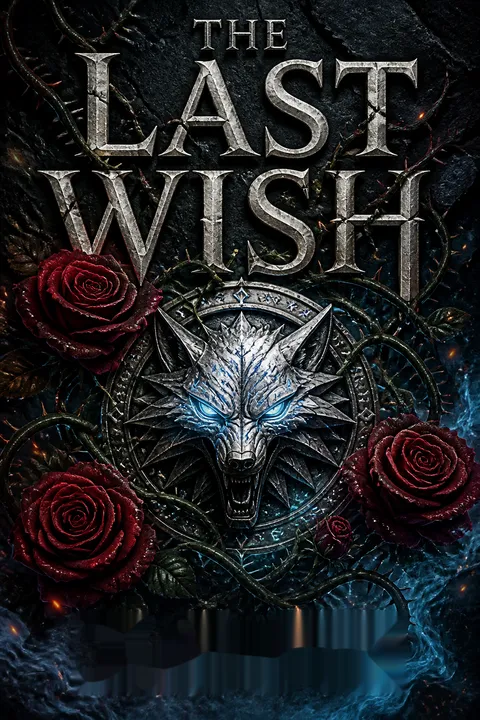

Resumen de la trama
Una llegada misteriosa a Wyzim
El brujo, Geralt de Rivia, entra en la ciudad de Wyzim con la esperanza de encontrar un respiro, pero en su lugar se topa con la hostilidad de sus habitantes debido a su origen. Una pelea en la taberna acaba con su detención, pero el castellano, Velerad, le ofrece una tarea: deshacer la maldición de una estrige, la hija del rey Foltest, nacida de una relación incestuosa. Geralt acepta, plenamente consciente del peligro y la complejidad de la misión, ya que no solo implica enfrentarse a un monstruo, sino también a un escándalo real.
La inesperada hospitalidad de la bestia
En su viaje, Geralt se encuentra con Nivellen, un hombre condenado a vivir bajo la apariencia de un monstruo. A pesar de su aspecto, Nivellen se muestra afable y lo invita a cenar. Durante el encuentro, comparte la historia de cómo una sacerdotisa lo maldijo y cómo vive en soledad, con la única compañía de la misteriosa Vereena, de quien Geralt sospecha que es un vampiro. El instinto del brujo no falla, lo que desencadena un enfrentamiento que logra romper la maldición de Nivellen, revelando el poder transformador del amor y la verdad.
Una historia de maldiciones y amor
A medida que Geralt indaga en el pasado de Nivellen, descubre la verdad sobre Vereena, una bruxa que lo tiene hechizado. Se desata una feroz batalla en la que Geralt derrota a Vereena, rompiendo así el maleficio. Nivellen recupera su forma humana al comprender que el amor y la sangre tienen el poder de deshacer las maldiciones. Este relato subraya los temas de la redención y la complejidad de los sentimientos.
El dilema de un brujo
En Blaviken, Geralt se ve atrapado entre el hechicero Stregobor y Renfri, una mujer sedienta de venganza. Stregobor afirma que Renfri está maldita, mientras que ella relata una historia de traición. Geralt debe elegir entre dos males, cada uno con consecuencias nefastas. Su decisión de intervenir desemboca en un violento enfrentamiento, lo que pone de manifiesto las complejidades morales y la carga de la elección que Geralt asume como brujo.
Las consecuencias del mal menor
A pesar de su renuencia, Geralt se enfrenta a Renfri y a su banda de forajidos para evitar una masacre. La batalla termina con la muerte de Renfri y sus hombres, y Geralt recibe el deshonroso apodo de «el Carnicero de Blaviken». Este suceso lo obliga a reflexionar sobre la naturaleza del mal y las consecuencias de sus actos, moldeando su visión sobre su papel en un mundo donde la moralidad suele ser ambigua.
Una promesa real y una traición
Geralt se ve envuelto en una disputa dinástica cuando Erizo/Duny reclama a la princesa Pavetta invocando la Ley de la Sorpresa. La reina Calanthe se opone, desatando el caos cuando el poder mágico de Pavetta estalla sin control. Geralt ayuda a dominar la situación, rompiendo la maldición de Erizo/Duny y revelando su verdadera identidad como Duny. Esta resolución sienta las bases para futuras alianzas y enemistades, ilustrando el carácter impredecible de las promesas y el destino.
La peligrosa ambición de una hechicera
Geralt conoce a Yennefer, una hechicera decidida a capturar a un genio para someter su poder. Su ambición la lleva a un enfrentamiento sumamente peligroso al subestimar la fuerza de la criatura. Geralt interviene para salvar tanto a Yennefer como a su amigo Jaskier, dando inicio a una compleja relación con la hechicera. Este encuentro pone de relieve los peligros de la ambición desmedida y las complejidades del poder.
La inquebrantable determinación del brujo
Geralt se enfrenta a dilemas éticos y amenazas físicas mientras navega entre intrigas políticas y peligros mágicos. Su encuentro con el genio y con Yennefer pone a prueba su entereza, obligándolo a confrontar sus propios deseos y limitaciones. A pesar del caos reinante, Geralt se mantiene fiel a su deber, utilizando su astucia y su fuerza para proteger a quienes lo rodean, incluso a costa de su propia seguridad.
Una batalla de ingenio y magia
El enfrentamiento con el genio se intensifica a medida que los hechizos de Yennefer fracasan. Geralt, al darse cuenta de que la criatura está ligada a él, recurre a su astucia para burlar tanto al genio como a la hechicera. La batalla se convierte en un duelo de ingenio y magia en el que Geralt formula un deseo que cambia el rumbo de los acontecimientos, liberando al genio y salvando la vida de Yennefer. Este conflicto resalta los temas del poder, la voluntad y las consecuencias imprevistas de la ambición.
Un deseo que lo cambia todo
En un acto desesperado, Geralt pide un deseo que entrelaza su destino con el de Yennefer, salvándola de una muerte segura a manos del genio. Este juramento crea un vínculo indestructible entre ambos, marcando un punto de inflexión en la vida del brujo. Mientras asimila las implicaciones de su decisión, Geralt emprende un nuevo camino que lo llevará a explorar el destino, la libre elección y el poder transformador del amor y el deseo.
Analysis
Una historia de ambigüedad moral y destinoEl último deseo explora con maestría los temas de la ambigüedad moral, el destino y las complejidades de la naturaleza humana. A través del viaje de Geralt, la narrativa se adentra en la delgada línea que separa el bien del mal, el peso de las decisiones y las consecuencias imprevistas de nuestros actos. Las luchas de los personajes contra maldiciones, profecías y sus propios deseos reflejan la dificultad de manejarse en un mundo donde la moralidad no es blanca o negra. La obra enfatiza el poder del amor, la redención y el valor de las conexiones auténticas, al tiempo que cuestiona la fuerza del destino frente al libre albedrío. La prosa de Sapkowski teje un rico tapiz de fantasía, filosofía y emoción humana, invitando al lector a reflexionar sobre la naturaleza del mal y las elecciones que definen quiénes somos.
Resumen de reseñas
El último deseo recibe críticas mayoritariamente positivas, y los lectores elogian su combinación única de mitología eslava, reinterpretaciones de cuentos de hadas y elementos de fantasía oscura. Muchos aprecian el complejo carácter de Geralt y su mundo de ambigüedad moral. Algunos critican ciertos matices misóginos ocasionales y una calidad de escritura irregular, posiblemente debido a problemas de traducción. Los seguidores de los videojuegos y de la serie de televisión suelen considerar que el libro mejora su comprensión del universo de Witcher. Aunque a algunos les cuesta adaptarse al formato de relatos cortos, otros lo encuentran una introducción sumamente atractiva a la saga.
También leyeron
Characters
Geralt of Rivia
Geralt es un brujo que se desenvuelve en un mundo de ambigüedad moral y amenazas mágicas. Conocido por su temperamento estoico y su cabello blanco, se debate continuamente ante dilemas éticos, viéndose obligado a elegir a menudo el mal menor. Sus encuentros con Nivellen, Renfri y Yennefer ponen de manifiesto su lucha por equilibrar el deber con sus principios éticos. A pesar de su fría reputación, Geralt es un personaje introspectivo que busca comprender la verdadera naturaleza de los monstruos y de la humanidad.
Nivellen
Nivellen, condenado a vivir bajo la apariencia de una bestia, posee un gran corazón a pesar de su aspecto monstruoso. Su camino hacia la redención se consolida cuando Geralt lo ayuda a romper el maleficio al enfrentarse a Vereena, una criatura de la noche. Su regreso a la forma humana simboliza el cambio y el impacto del afecto sincero, ilustrando con fuerza los temas del amor y la redención.
Renfri
Renfri, marcada por la profecía del Sol Negro, es a la vez víctima y verdugo, movida por un rencor implacable hacia Stregobor. Su relación con Geralt revela su complejidad y la delgada línea que separa el bien del mal. Su trágico final en Blaviken empuja al brujo a reflexionar sobre las elecciones y sus consecuencias, dejando una huella imborrable en su carácter.
Stregobor
Stregobor, un mago que cree ciegamente en la profecía del Sol Negro, ve en Renfri una amenaza inminente. Sus actos ponen de manifiesto los peligros del prejuicio y el miedo. El conflicto con Renfri y los acontecimientos de Blaviken demuestran la complejidad del poder y los dilemas éticos a los que se enfrentan quienes lo ejercen.
Yennefer of Vengerberg
Yennefer busca incansablemente el poder y el control, llegando al extremo de intentar someter a un genio. Su encuentro con Geralt desafía sus ambiciones y la obliga a enfrentarse a sus propias debilidades. El vínculo que se crea con el brujo a través de su deseo complica su existencia, abriéndole un nuevo camino y explorando los límites del poder, el deseo y el destino.
Dandilion
Jaskier, el fiel amigo de Geralt, libera accidentalmente a un genio, poniendo en grave peligro su propia vida. Su implicación con Yennefer y la criatura pone a prueba su amistad con el brujo, evidenciando su vulnerabilidad en un mundo dominado por la magia y el peligro. Jaskier aporta una perspectiva más humana y ligera en medio del caos.
Urcheon/Duny
Erizo/Duny, quien resulta ser Duny, reclama la mano de la princesa Pavetta apelando a la Ley de la Sorpresa. Su maldición desata un grave conflicto, pero gracias a la intervención de Geralt, el hechizo se rompe y recupera su aspecto humano. Su historia sienta las bases de futuras alianzas, ilustrando los temas del destino y la redención.
Queen Calanthe
La reina Calanthe está decidida a proteger a su hija y a su reino, incluso si para ello debe romper sus promesas. Su relación con Geralt y Erizo/Duny revela su astucia y su disposición a tomar decisiones sumamente difíciles por el bien de su pueblo, encarnando los desafíos del liderazgo y el sacrificio.
Plot Devices
The Law of Surprise
La Ley de la Sorpresa es una antigua costumbre que vincula a los personajes mediante promesas inesperadas. Juega un papel crucial en la trama, creando conexiones y conflictos que impulsan la narrativa, y resalta cómo los personajes deben lidiar con el peso del destino y las consecuencias de lo impredecible.
The Black Sun Prophecy
La profecía del Sol Negro augura el nacimiento de jóvenes malditas destinadas a sembrar la destrucción. Este augurio aviva el conflicto entre Stregobor y Renfri, planteando interrogantes sobre el destino, el prejuicio y la maldad. La profecía obliga a los personajes a enfrentarse a sus propios temores y sesgos, evidenciando la ambigüedad moral y las consecuencias de la superstición.
The Djinn
El genio encarna los peligros de la ambición desmedida y las consecuencias de buscar el poder absoluto. Su presencia desafía a los personajes, obligándolos a confrontar sus verdaderos anhelos y limitaciones. El papel de esta criatura resalta los temas del poder, la voluntad y los giros inesperados que depara la ambición.
The Wish
El deseo de Geralt, formulado en un momento de desesperación, une su destino al de Yennefer, cambiando el rumbo de sus vidas. Este recurso narrativo resalta la tensión entre el destino y la libre elección, mientras los personajes asumen las consecuencias de sus actos, explorando el poder transformador del amor y el deseo.
Preguntas frecuentes
Synopsis & Basic Details
What is The Last Wish about?
- Geralt's monster-hunting life: The Last Wish introduces Geralt of Rivia, a witcher who travels the Continent, taking contracts to slay monsters and protect humans, often finding himself embroiled in complex moral dilemmas.
- Collection of interconnected short stories: The book is structured as a series of interconnected short stories, each presenting a unique encounter with different monsters and characters, gradually revealing Geralt's past and shaping his worldview.
- Exploration of morality and destiny: Through these encounters, the book explores themes of morality, prejudice, and the nature of good and evil, as Geralt confronts the consequences of his choices and the forces of destiny that seem to guide his path.
Why should I read The Last Wish?
- Intriguing moral complexities: The Last Wish presents morally gray scenarios, forcing readers to question their own values and consider the consequences of different choices, making it a thought-provoking read.
- Rich world-building and compelling characters: Sapkowski's detailed world-building and well-developed characters create an immersive experience, drawing readers into a world filled with magic, monsters, and political intrigue.
- Foundation for the Witcher saga: This book serves as an excellent introduction to the Witcher universe, providing essential background information on Geralt, his profession, and the key themes that run throughout the series, enhancing the appreciation of subsequent books and games.
What is the background of The Last Wish?
- Inspired by Slavic folklore: Sapkowski draws heavily from Slavic mythology and folklore, incorporating creatures, legends, and cultural elements into the Witcher's world, creating a unique and authentic fantasy setting.
- Post-communist Poland reflection: The book reflects the socio-political climate of post-communist Poland, exploring themes of prejudice, social inequality, and the struggle for identity in a rapidly changing world.
- Subversion of fantasy tropes: Sapkowski subverts traditional fantasy tropes, presenting a gritty and realistic world where heroism is often ambiguous, and monsters are not always the greatest threat, challenging readers' expectations of the genre.
What are the most memorable quotes in The Last Wish?
- "Evil is evil, Stregobor...": This quote encapsulates Geralt's struggle with moral relativism, highlighting his belief that there are no lesser evils, only different degrees of the same destructive force.
- "People," Geralt went on, "like to invent monsters and monstrosities...": This quote reveals Sapkowski's commentary on human nature, suggesting that the creation of monsters serves as a way for people to distance themselves from their own flaws and wrongdoings.
- "I'm afraid I'll never know whether you are going there to save my daughter, or to kill her.": This quote from King Foltest captures the ambiguity surrounding Geralt's role and the uncertainty of his intentions, reflecting the complex moral landscape of the Witcher's world.
What writing style, narrative choices, and literary techniques does Andrzej Sapkowski use?
- Gritty realism and moral ambiguity: Sapkowski's writing style is characterized by its gritty realism, portraying a world where moral choices are rarely clear-cut and consequences are often harsh, challenging traditional fantasy narratives.
- Non-linear storytelling and framing device: The Last Wish employs a non-linear storytelling approach, using the "Voice of Reason" interludes to frame Geralt's adventures and provide commentary on his actions, creating a layered and thought-provoking narrative structure.
- Dialogue-driven and character-focused: Sapkowski's writing emphasizes dialogue and character development, using witty banter, philosophical discussions, and introspective monologues to reveal the complexities of his characters and explore the themes of the story.
Hidden Details & Subtle Connections
What are some minor details that add significant meaning?
- The blue roses of Nazair: Nivellen's blue roses, initially presented as a detail of his manor, symbolize beauty and rarity amidst the grotesque, and later connect to Vereena, highlighting the deceptive nature of appearances and the hidden darkness within beauty.
- The silver-studded gauntlets: Geralt's silver-studded gauntlets, used in close combat, represent his pragmatic approach to monster hunting, emphasizing his reliance on skill and preparation rather than solely on magic or weaponry.
- The names of the characters: The names of characters, such as Velerad (castellan of Wyzim), often carry symbolic weight, hinting at their roles or personalities, adding layers of meaning for attentive readers.
What are some subtle foreshadowing and callbacks?
- The Law of Surprise mentioned early: The Law of Surprise, initially introduced as a custom, foreshadows its later significance in "A Question of Price," where it becomes the central plot device, highlighting the interconnectedness of seemingly unrelated events.
- Geralt's distrust of mages: Geralt's skepticism towards mages, expressed throughout the book, foreshadows his complex relationship with Yennefer and the dangers of unchecked magical power, adding depth to their interactions.
- The Butcher of Blaviken title: The title "Butcher of Blaviken," earned in "The Lesser Evil," becomes a recurring burden for Geralt, shaping his reputation and influencing how others perceive him, serving as a constant reminder of his past actions.
What are some unexpected character connections?
- Nenneke and Geralt's past: Nenneke's familiarity with Geralt, referencing his childhood, reveals a deeper connection and history, adding a layer of maternal care and concern to their interactions, contrasting with Geralt's often solitary existence.
- Ostrit's love for Adda: Ostrit's confession of love for Adda, Foltest's sister, adds a tragic dimension to his political machinations, revealing a personal motivation behind his desire to overthrow the king, connecting personal emotions to broader political events.
- Foltest's hidden pain: Foltest's vulnerability and hidden pain regarding Adda's fate humanize the king, contrasting with his royal status and revealing a deeper emotional complexity, making him more than just a ruler.
Who are the most significant supporting characters?
- Nenneke's guidance and support: Nenneke, the priestess of Melitele, provides Geralt with guidance, healing, and a safe haven, acting as a maternal figure and offering a moral compass in a world of moral ambiguity.
- Dandilion's comedic relief and loyalty: Dandilion, the bard, offers comedic relief and unwavering loyalty to Geralt, serving as a constant companion and providing a human perspective on the witcher's often solitary and dangerous life.
- Velerad's pragmatic wisdom: Velerad, the castellan of Wyzim, offers pragmatic advice and insights into the political landscape, helping Geralt navigate the complexities of the royal court and make informed decisions.
Psychological, Emotional, & Relational Analysis
What are some unspoken motivations of the characters?
- Foltest's guilt and hope: Foltest's unspoken motivation is driven by guilt over his incestuous relationship with Adda and a desperate hope for redemption, leading him to cling to the possibility of lifting the curse, despite evidence to the contrary.
- Yennefer's desire for control and acceptance: Yennefer's ambition to capture the djinn stems from a deep-seated desire for control over her own destiny and a need for validation, driven by her past experiences and insecurities.
- Nivellen's longing for normalcy: Nivellen's unspoken motivation is a longing for normalcy and acceptance, driving his relationships with the women who come to his manor and his eventual desire to break the curse, despite his fears.
What psychological complexities do the characters exhibit?
- Geralt's emotional detachment vs. empathy: Geralt exhibits a psychological complexity in his struggle to maintain emotional detachment while simultaneously grappling with empathy and a sense of responsibility for the people he encounters.
- Renfri's trauma and moral justification: Renfri's psychological complexity lies in her traumatic past and her struggle to reconcile her desire for revenge with her own sense of morality, leading her to justify her actions as a means of achieving justice.
- Queen Calanthe's strength and vulnerability: Queen Calanthe's psychological complexity is revealed in her fierce determination to protect her kingdom while simultaneously grappling with her own vulnerabilities and the limitations of her power, making her a multi-faceted and compelling character.
What are the major emotional turning points?
- Geralt's decision in Blaviken: Geralt's decision to kill Renfri, despite his desire to avoid taking sides, marks a major emotional turning point, leading to his branding as the "Butcher of Blaviken" and forcing him to confront the consequences of his actions.
- Nivellen's transformation: Nivellen's transformation back to human form after Vereena's death represents a major emotional turning point, symbolizing his redemption and the power of love to overcome even the most profound curses.
- Yennefer's vulnerability with the djinn: Yennefer's near-defeat by the djinn and subsequent rescue by Geralt marks a major emotional turning point, forcing her to confront her own limitations and acknowledge her vulnerability, leading to a deeper connection with Geralt.
How do relationship dynamics evolve?
- Geralt and Yennefer's tumultuous bond: The relationship between Geralt and Yennefer evolves from initial attraction to a complex bond marked by passion, conflict, and a shared destiny, driven by Geralt's wish and their mutual understanding of each other's strengths and weaknesses.
- Geralt and Dandilion's enduring friendship: The friendship between Geralt and Dandilion evolves through shared adventures and mutual support, highlighting the importance of loyalty and companionship in a world of constant danger and moral ambiguity.
- Geralt and Nenneke's maternal connection: The relationship between Geralt and Nenneke evolves from a student-mentor dynamic to a maternal bond, with Nenneke providing guidance, healing, and a sense of belonging that Geralt often lacks.
Interpretation & Debate
Which parts of the story remain ambiguous or open-ended?
- The true nature of destiny: The extent to which destiny dictates the characters' actions remains ambiguous, leaving readers to question whether their choices are truly their own or simply predetermined by fate.
- The morality of Geralt's choices: The morality of Geralt's choices, particularly in "The Lesser Evil," remains open to interpretation, prompting debate about whether his actions were justified or whether he could have found a better solution.
- The long-term implications of Geralt's wish: The long-term implications of Geralt's wish for Yennefer, and the nature of their bond, remain open-ended, leaving readers to speculate about the future of their relationship and the extent to which it is truly based on love or simply a magical compulsion.
What are some debatable, controversial scenes or moments in The Last Wish?
- Geralt's actions in Blaviken: Geralt's decision to kill Renfri and her gang in Blaviken is a highly debated moment, with readers questioning whether his actions were justified or whether he could have found a less violent solution, sparking discussions about the nature of the "lesser evil."
- Yennefer's manipulation and ambition: Yennefer's manipulative tactics and relentless pursuit of power are controversial, with readers debating whether her actions are justified by her past experiences or whether she is simply a selfish and power-hungry sorceress.
- The nature of love and destiny in Geralt and Yennefer's relationship: The nature of love and destiny in Geralt and Yennefer's relationship is a subject of debate, with readers questioning whether their bond is genuine or simply a result of Geralt's wish, raising questions about free will and the power of magic.
The Last Wish Ending Explained: How It Ends & What It Means
- Geralt's wish binds him to Yennefer: The ending sees Geralt using his last wish to bind his fate to Yennefer's, ensuring their lives are intertwined, but the exact nature of this bond is left ambiguous.
- Sacrifice and acceptance of destiny: Geralt's wish represents a sacrifice of his own freedom and an acceptance of a destiny he may not fully understand, highlighting his willingness to embrace the unknown for the sake of love and connection.
- Uncertainty and the power of choice: The ending leaves the future of Geralt and Yennefer's relationship uncertain, suggesting that while destiny may play a role, their choices and actions will ultimately determine their fate, emphasizing the ongoing struggle between fate and free will.
The Witcher Serie
Sobre el autor

Descargar PDF
Descargar EPUB
.epub digital book format is ideal for reading ebooks on phones, tablets, and e-readers.








































