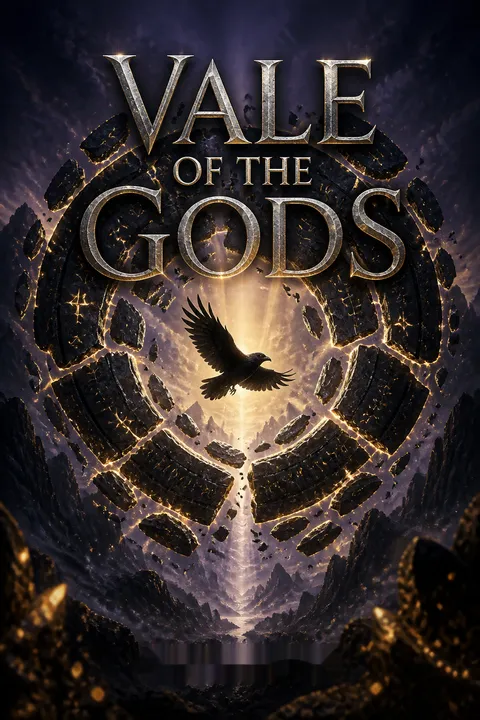

Plot Summary
Shadows Before the Storm
The story opens with Jael Furyck haunted by nightmares and the trauma of recent losses—her child, her people, and the looming threat of Draguta. The world is fractured, alliances are uneasy, and the scars of past battles are fresh. As Jael and her allies regroup, the sense of impending doom is palpable. The dead are mourned, the living are restless, and the shadow of Draguta's power stretches across the land. The emotional weight is heavy, but the resolve to face what's coming is even heavier.
Broken Walls, Broken Dreams
Draguta unleashes her might, sending Eadmund and Jaeger to attack Helsabor. The city's legendary walls, thought impenetrable, are shattered by Draguta's magic and the Ring of Taron. Dragons rain fire, dreamers clash, and the Followers are decimated. Briggit Halvardar's circle is broken, her people slaughtered or enslaved. The Brekkan alliance realizes that the old rules no longer apply—magic and betrayal have changed the game, and the cost of resistance is higher than ever.
The Gathering of Fates
Across Osterland, armies assemble. Jael forges alliances with Iskavall, Alekka, and the Slave Islands, while Draguta consolidates her power in Hest. Amma and Meena are prisoners, pawns in Draguta's schemes. Edela, Ayla, and the dreamers work feverishly to decipher ancient symbols and protect their people. The sense of destiny is overwhelming—each character feels the weight of prophecy and the pull of fate, knowing that the coming battle will decide the future of gods and mortals alike.
Circles of Power
As Draguta's attacks grow more insidious—possessing whisps, conjuring fog, and controlling the weather—Edela and her circle of dreamers create protective wards around Andala. The fort becomes a sanctuary, but also a prison. The tension between hope and despair is palpable. The dreamers' power is tested to its limits, and the cost of magic—physical, emotional, and spiritual—becomes clear. The circle holds, but for how long?
The Queen's Burden
Jael must balance her roles as queen, warrior, sister, and wife. She faces impossible choices: who to trust, who to save, and how to lead her people through fear and loss. The emotional toll is immense—her relationships with Aleksander, Axl, and Eadmund are strained by secrets, grief, and the demands of war. Jael's nightmares echo the threats she faces in waking life, and the burden of destiny weighs heavily on her shoulders.
The March to Hest
The Brekkan alliance marches south, braving magical storms, deadly fog, and Draguta's relentless assaults. The journey is grueling—men die, friendships are tested, and the army is whittled down by both enemy action and the elements. Jael's leadership is both a source of strength and a target for Draguta's malice. The sense of inevitability grows as the army approaches the Vale of the Gods, where prophecy and reality will collide.
The Vale Beckons
The armies arrive at the Vale of the Gods, a place steeped in myth and blood. Draguta prepares her dreamers and magical weapons, while Jael and her allies steel themselves for the endgame. The gods themselves watch and intervene—some to help, some to hinder. The tension is electric, every character aware that the choices they make here will echo through history. The stage is set for a confrontation that will decide the fate of the world.
The Binding and the Breaking
Draguta binds the Followers to her will, turning them into an army of dreamers. Meena, torn between fear and courage, risks everything to sabotage Draguta from within. Edela and Eydis attempt a dangerous ritual to free Eadmund from Draguta's control. The lines between friend and foe blur as old enemies become allies and old allies betray each other. The emotional stakes are as high as the magical ones.
The Army of the Damned
The battle begins with Draguta unleashing her monstrous creations—dragons, where-worms, and flaming birds—upon the Brekkan alliance. The armies are decimated, the landscape transformed into a hellscape of fire and blood. Jael and Eadmund fight side by side, their love and pain fueling their resistance. The cost of victory becomes clear: not everyone will survive, and the price of freedom may be more than anyone can bear.
The Fog of Betrayal
As the battle rages, betrayals come to light. Sybill is revealed as a Follower, assassinating Dara Teros and nearly destroying the dreamer circle in Andala. Meena's courage and Evaine's desperation collide in a deadly struggle. The fog of war is both literal and metaphorical—no one can see the whole truth, and every choice is fraught with danger. The emotional toll is devastating, as friends and family are lost to both enemy action and tragic misunderstanding.
The Ring and the Raven
The Ring of Taron, Draguta's ultimate weapon, becomes the focus of a desperate struggle. Meena and Fyr (Daala in raven form) risk everything to steal it, disrupting Draguta's power at a critical moment. The symbolism is potent—old magic, new courage, and the intervention of the gods. The balance of power shifts, but the cost is high. The ring is lost, but so are many lives.
The Battle of the Vale
Jael and Eadmund, armed with the sword and shield of prophecy, face Draguta and her army of dreamers. The battle is brutal, chaotic, and deeply personal. Jael must fight not only Draguta, but also the darkness within herself and the grief of losing Aleksander and Eydis. The gods intervene, but their power is limited. The outcome is uncertain until the very last moment, and the emotional stakes are as high as the physical ones.
Sacrifice and Salvation
Eydis, the light in the darkness, sacrifices herself to destroy the Book of Darkness and banish Raemus, the god of evil, forever. Her death is both a tragedy and a triumph—the fulfillment of prophecy and the salvation of the world. Jael and Eadmund survive, but at great cost. The survivors mourn their dead, honor their sacrifices, and begin the long process of healing.
The Light in the Darkness
The aftermath of the battle is a time of mourning and reflection. Jael, Eadmund, and their allies return home, changed by what they have endured. The world is scarred, but the darkness has been banished. The memory of those who were lost—Aleksander, Eydis, and so many others—becomes a source of strength and inspiration. The survivors vow to rebuild, to honor the past, and to protect the future.
The End of the Book
With the destruction of the Book of Darkness, the age of gods and magic comes to an end. The survivors must learn to live in a world where power comes from courage, love, and sacrifice, not from spells and prophecy. The emotional journey is bittersweet—freedom is won, but at a terrible price. The story closes with a sense of closure and hope, as the characters look to the future.
The Price of Victory
The survivors return to their homes, scarred but determined. Jael and Eadmund are reunited, but the loss of Aleksander and Eydis haunts them. The Dragos family is broken, but new bonds are formed. The world is forever changed, but the promise of peace and renewal is real. The emotional arc comes full circle, as the characters find meaning in their suffering and hope in their resilience.
Homecoming and Farewell
Three years later, the world has changed. Jael and Eadmund rule together, their love tempered by loss and strengthened by survival. The scars of war remain, but life goes on—children are born, old wounds heal, and the promise of a better future is real. The story ends with a sense of peace and possibility, as the characters look to the horizon, ready to face whatever comes next.
Analysis
Vale of the Gods is a sweeping, emotionally charged conclusion to The Furyck Saga, blending epic fantasy with deep psychological insight. At its core, the novel is about the cost of power—how magic, prophecy, and ambition can both save and destroy. The story interrogates the nature of destiny, asking whether individuals can shape their own fates or are doomed to repeat the mistakes of the past. Through its complex characters—especially Jael, Eadmund, and Eydis—the book explores themes of trauma, resilience, and the redemptive power of love and sacrifice. The use of dream magic and circles as both literal and symbolic devices underscores the tension between safety and vulnerability, tradition and change. The destruction of the Book of Darkness and the end of the gods mark a transition from a world ruled by prophecy to one shaped by human agency. The emotional arc is one of loss and renewal: victory is achieved, but only at great cost, and the survivors must find meaning in their suffering as they rebuild. Ultimately, Vale of the Gods is a meditation on the price of freedom, the necessity of hope, and the enduring strength of the human spirit.
Review Summary
People Also Read
Characters
Jael Furyck
Jael is the heart of the saga—a fierce, haunted leader whose strength is matched only by her vulnerability. Her journey is one of loss, sacrifice, and resilience. She is torn between love (for Eadmund and Aleksander), duty (to her people), and the crushing weight of prophecy. Jael's psychological arc is defined by her struggle to reconcile her warrior's heart with her compassion, her nightmares with her hopes. Her relationships—with her family, her allies, and her enemies—are complex and fraught with pain, but ultimately she emerges as a symbol of hope and endurance.
Eadmund Skalleson
Eadmund is a tragic figure—once a drunkard, now a king, always a pawn in the games of gods and dreamers. Bound by Draguta's magic, he is forced to betray those he loves, especially Jael. His journey is one of redemption and self-discovery, as he fights to reclaim his agency and atone for his actions. Eadmund's love for Jael and his bond with his sister Eydis are central to his character, driving him to acts of both violence and heroism. His psychological struggle is intense—guilt, shame, and the longing for freedom define his arc.
Draguta Teros
Draguta is the primary antagonist—a dreamer of immense power, corrupted by the Book of Darkness and her own insatiable hunger for control. She is both terrifying and tragic, driven by old wounds and a desire to reshape the world in her image. Draguta's relationships—with her family, her followers, and her enemies—are defined by manipulation and betrayal. Her psychological complexity lies in her simultaneous vulnerability and ruthlessness; she is a victim of prophecy as much as its architect.
Edela Saeveld
Edela is the spiritual anchor of the story—a dreamer whose knowledge and compassion guide the resistance against Draguta. She is both mentor and mother, carrying the weight of generations on her shoulders. Edela's psychological depth comes from her struggle to balance hope and despair, action and caution. Her relationships—with Jael, Eydis, and the other dreamers—are marked by love, sacrifice, and the pain of watching those she loves suffer.
Eydis Skalleson
Eydis is the youngest dreamer, blind but gifted with extraordinary vision. Her innocence and courage make her both vulnerable and powerful. Eydis's psychological journey is one of self-discovery and sacrifice—she must accept her role as the prophesied "light" and give everything to save the world. Her relationships—with Eadmund, Jael, and Edela—are defined by love, trust, and the pain of inevitable loss.
Aleksander Lehr
Aleksander is Jael's childhood companion and unrequited love. His loyalty is unwavering, his courage unquestioned, but his fate is to love and lose. Aleksander's psychological arc is defined by his struggle to let go of Jael, to find his own purpose, and to accept the sacrifices required by war. His death is a turning point, both for Jael and for the story as a whole.
Meena Gallas
Meena begins as a frightened, overlooked figure, but her journey is one of quiet courage and self-assertion. Torn between fear and the desire to do what's right, she risks everything to sabotage Draguta and help Jael. Meena's psychological growth is subtle but profound—she learns to trust herself, to act despite terror, and to find meaning in sacrifice.
Karsten Dragos
Karsten is driven by loss—of his eye, his family, his home. His arc is one of rage, grief, and eventual acceptance. He seeks revenge against Jaeger, but ultimately finds a new purpose in protecting his people and forging new bonds. Karsten's psychological journey is marked by bitterness, but also by the possibility of healing and redemption.
Briggit Halvardar
Briggit is both ally and enemy, her loyalties shifting with the tides of power. She is cunning, ambitious, and deeply wounded by the loss of her people. Briggit's psychological complexity lies in her ability to adapt, to survive, and to betray when necessary. Her relationship with Raemus is both her triumph and her undoing.
Amma Furyck
Amma is caught in the crossfire of gods and kings, her agency stripped away by those who seek to use her. Her journey is one of survival, resilience, and the search for belonging. Amma's psychological arc is defined by her struggle to reclaim her identity, to find love and safety in a world that offers little of either.
Plot Devices
Prophecy and Destiny
The narrative is driven by prophecy—ancient predictions, symbols, and the belief that certain people are destined to play pivotal roles. This device creates both tension and inevitability, as characters struggle to fulfill or escape their fates. The interplay between free will and destiny is a constant theme, with characters questioning whether they are masters of their own lives or pawns in a cosmic game.
Dream Magic and Circles
Dreamers wield power through symbols, circles, and rituals. Magic is not just a tool, but a psychological and spiritual force—one that exacts a heavy toll. The use of circles (for protection, for binding, for attack) is both literal and metaphorical, representing the boundaries between safety and danger, self and other, past and future. The dream world is a place of revelation, temptation, and terror.
Foreshadowing and Repetition
The story is rich with foreshadowing—nightmares, visions, and repeated warnings ("You won't come back") that create a sense of dread and anticipation. The repetition of motifs (the ring, the raven, the broken sword) reinforces the cyclical nature of history and the inescapability of fate.
Sacrifice and Redemption
The narrative structure is built around sacrifice—personal, familial, and communal. Characters must give up what they love most to achieve victory. Redemption is possible, but only through suffering and loss. The emotional arc is one of catharsis, as characters find meaning in pain and hope in despair.
The Collapse of Old Orders
The destruction of the Book of Darkness and the defeat of the gods signal the end of an era. The narrative uses this device to explore themes of change, adaptation, and the search for new sources of meaning and power. The world is remade, not by magic, but by the courage and resilience of ordinary people.
Furyck Saga Series

About the Author


Download PDF
Download EPUB
.epub digital book format is ideal for reading ebooks on phones, tablets, and e-readers.








































