
Plot Summary
Endless Pillars, Fraying Bonds
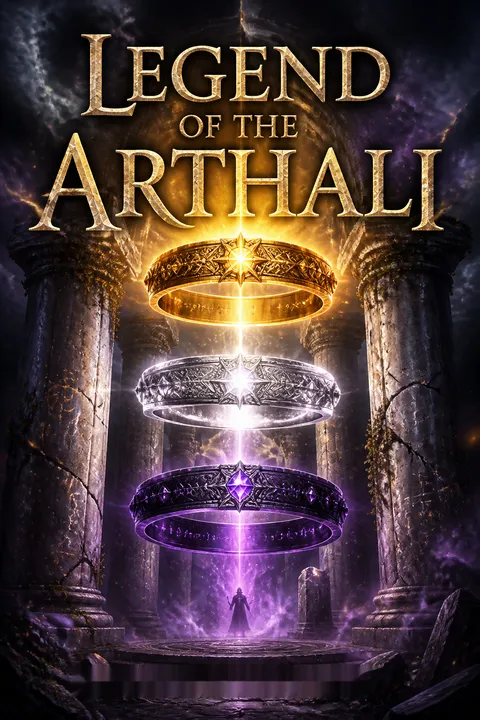
Saida and Malon, once allies, now walk as uneasy companions through a realm of endless white pillars and cracked marble, their relationship strained by betrayal. Malon carries the Crown of Arcale, the only means of returning home, but his actions have cost Saida her trust. As they trudge through this liminal world, hunger and exhaustion gnaw at them, and Saida's resentment festers. The landscape is eerily alive, yet devoid of souls, and the two are haunted by the uncertainty of their purpose and destination. Malon insists their quest for Ilthune's circlet is necessary to maintain order in their fractured world, but Saida is unconvinced, her heart aching for the friends and chaos left behind. Their journey is a test of endurance, both physical and emotional, as they search for meaning and a way home.
City of the Living Dead
The pair stumbles upon Aranthemar, a city vibrant with life yet shrouded in mystery. Captured by Arthali who speak the old tongue, Saida and Malon are brought before Noireé, the high priestess, who reveals the city's ancient connection to the gods and the origins of the circlets. Noireé's tale weaves together the histories of Ilthune, Arcale, and Cindra, exposing the divine roots of magic and the tragic fates of their followers. Saida is unsettled by the revelation that the Arthali may have originated from this realm, and that the circlets are vessels of godly power. The city's beauty is a mask for the trials and dangers that await, and Saida senses that their arrival was long anticipated by forces beyond mortal comprehension.
Trials of the God-Touched
Noireé decrees that Saida and Malon must prove themselves worthy through a series of trials, with the prize being Ilthune's circlet. The first trial is a battle of wits in the arena, where riddles must be solved under the threat of death. Saida, guided by a mysterious voice—perhaps Ilthune herself—summons rain to complete the final riddle, saving Malon from a deadly darkness. The experience leaves Saida shaken, her connection to the circlet deepening and her sense of self wavering. The city's people watch in awe and fear, and alliances begin to shift as Saida's power becomes undeniable. The trials are not just tests of strength, but of identity and destiny, as Saida grapples with the burden of being god-touched.
Shadows in the Capital
Back in Galterra, Elmerah, Alluin, and Isara struggle to maintain order amid growing tensions between elves, Makali, and the remnants of Egrin's influence. Elmerah is haunted by visions of Egrin's specter and the weight of her own power, while Isara faces the burdens of leadership and the threat of rebellion. The arrival of a Faerune delegation, including Saida's father Ivran, brings hope and anxiety. The city is a powder keg, with old wounds festering and new alliances forming. Elmerah's research into Egrin's journals uncovers dark secrets about the origins of Arthali magic and the true nature of the demon threat, setting the stage for a confrontation that will test the limits of loyalty and forgiveness.
The Demon's Whisper
Egrin's presence lingers, both as a haunting vision and as a symbol of the dangers that remain. Elmerah's encounters with his specter blur the line between reality and madness, while new demons infiltrate the city, seeking the power Egrin once wielded. The Dreilore, former enemies, become uneasy allies in the hunt for these greater demons. The city's fragile peace is threatened by both internal strife and external invasion, and Elmerah must navigate a web of secrets, guilt, and ambition. The specter's taunts force her to confront her own fears of monstrosity and isolation, even as she clings to the hope of redemption and love.
The Arena's Riddles
In Aranthemar's arena, Saida and Malon must solve three elemental riddles to survive. The trial is a crucible of intellect and will, with failure meaning certain death. Malon's quick thinking and Saida's desperate ingenuity carry them through the first two riddles, but the third—requiring water—nearly defeats them. Only when Saida surrenders to the voice within, channeling Ilthune's power, does rain fall and the trial end. The victory is bittersweet, as Saida realizes the cost of wielding such power and the growing distance between her and Malon. The city's people are left in awe, and Noireé's intentions become more opaque, hinting at deeper machinations.
Betrayals and Alliances
As Saida recovers from the trial, she is approached by Shale, an Arthali guard who secretly speaks the common tongue. Shale reveals her own desire to escape Aranthemar and offers to help Saida in exchange for passage to the other realm. Together, they plot to survive the next trial, knowing that Noireé is actively working against them. Meanwhile, in Galterra, Elmerah forges a clandestine alliance with the Dreilore to hunt the new demon threat, risking her own standing and safety. Trust becomes a rare commodity, and every relationship is tested by the demands of survival and the lure of power.
The Tower of Endurance
The second trial pits Saida and Malon against two Arthali in a deadly race up a towering structure. Magic and violence are unleashed as the competitors fight for dominance, and Saida is pushed to her physical and emotional limits. Malon's apparent death devastates her, but he returns, battered yet alive, and together they claim victory. The cost is high—lives are lost, and Saida's sense of self is further eroded by the demands of the circlet and the expectations of the gods. The city's admiration is tinged with fear, and Noireé's hostility grows ever more dangerous.
The Demon Queen's Heir
In the aftermath of the trials, Saida learns from the Arthali that she and Malon are "god-touched," descendants of the gods themselves. This heritage explains their unique ability to wield the circlets and control elemental forces. The knowledge is both empowering and terrifying, as Saida grapples with the implications for her identity and future. The lines between mortal and divine blur, and the true stakes of their quest become clear: the circlets are not just tools, but keys to the fate of realms. The burden of legacy weighs heavily, and Saida must decide whether to embrace or reject her inheritance.
Portals and Promises
With the final trial looming and Noireé's treachery exposed, Saida, Malon, and their new Arthali allies plot a desperate escape. Shale's help is crucial, but the plan goes awry, leading to a violent confrontation in the temple. Saida, wielding Ilthune's circlet, unleashes a darkness that kills Noireé and secures their freedom—but at the cost of her own innocence. The group flees Aranthemar, joined by a handful of Arthali seeking a new life. Their journey home is fraught with uncertainty, as the power of the circlets grows ever more seductive and dangerous.
The Demon City Below
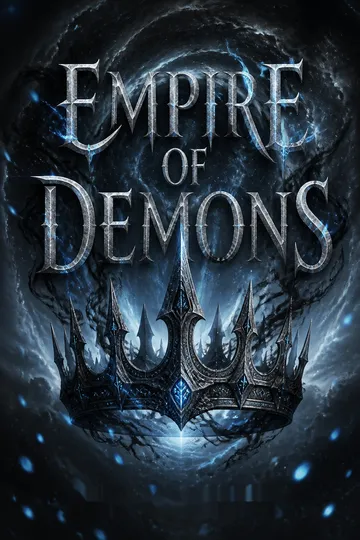
In Galterra, Elmerah and her allies track a greater demon through the city, uncovering a plot to incite rebellion and seize Egrin's hidden trove of magical artifacts. The pursuit leads them into the demon realm itself, a nightmarish city ruled by powerful kindred. Elmerah, Rissine, and Thera are trapped, forced to navigate a world of shifting alliances and deadly secrets. The demon's plan is revealed: to use the god-touched as weapons and conquer the mortal realm. Elmerah's courage and cunning are tested as she fights to protect her friends and find a way home.
The Crystal's Control
Captured by demons, Malon is implanted with a crystal that allows Pirvatta, the demon queen, to control his will and the power of the Crown of Arcale. The demons launch an assault on Galterra, using Malon as their weapon. Elmerah, disguised among the enemy, witnesses the horror of his enslavement and the devastation wrought by the circlet's power. Saida, now fully god-touched, returns in a storm of darkness and light, confronting the demons and reclaiming the crystal. The battle is fierce and costly, with betrayals and sacrifices on all sides. The city teeters on the brink of destruction, and the true cost of power is laid bare.
The Siege of Galterra
The siege of Galterra is a crucible for all the characters. Isara, forced into ruthless leadership, must choose between mercy and survival. The Makali, elves, Arthali, and Nokken are united by necessity, but old wounds and prejudices threaten to tear them apart. Elmerah and Alluin's love is tested by loss and danger, while Saida faces the consequences of wielding Ilthune's darkness. The demons are defeated, but at great cost—lives are lost, trust is shattered, and the city is forever changed. The survivors must reckon with the aftermath and the choices that brought them to this point.
The Cost of Power
In the wake of victory, Saida is haunted by the deaths she caused and the seductive pull of the circlet. Malon, freed from the crystal's control, is imprisoned, his fate uncertain. Elmerah is reunited with her sister and learns the truth of her heritage: she and Rissine are half-demon, their mother still alive in Shadowmarsh. The city mourns its dead and struggles to rebuild, while Isara enacts harsh new laws to maintain order. The promise to regrow the Helshone looms, and the question of what to do with the circlets—destroy them or risk their power—remains unresolved.
The Return to Shadowmarsh
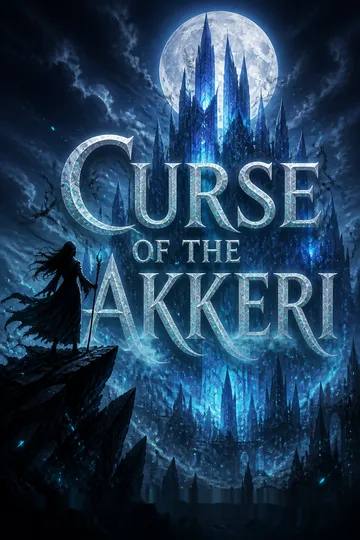
Saida, Elmerah, and their allies return to Shadowmarsh, where they are greeted by the Akkeri, now freed from their curse. Saida meets Nialin, Elmerah's mother, and learns the full history of the Arthali and their connection to the demon realm. The reunion is bittersweet, as old wounds are reopened and new responsibilities accepted. The promise to the Makali is honored, and the survivors begin to forge a new future from the ashes of war and betrayal. The circlets, symbols of both hope and danger, are hidden away, their fate uncertain.
The Fate of the Circlets
In the quiet aftermath, Saida and Elmerah conspire to free Malon and fulfill their promise to the Makali, even as the threat of new demons looms. The circlets are secured, but their power remains a temptation and a threat. Isara, hardened by loss and responsibility, enacts new laws to protect the fragile peace. Elmerah and Alluin find solace in each other, while Saida grapples with guilt and the burden of destiny. The story ends with the promise of new beginnings—and the shadow of future dangers, as the circlets whisper their secrets to those who would listen.
Exile and Embrace
The survivors of the siege gather to decide the future of Galterra and their own lives. Isara lifts the exile of the Arthali and pardons the Nokken, forging a new alliance among the city's disparate peoples. The Makali depart, their promise fulfilled, and the city begins to heal. Saida, burdened by guilt and the weight of her choices, prepares to leave with Malon to destroy the circlets and seek redemption. Elmerah, reunited with her family and her love, embraces her new role as protector and leader. The story closes on a note of hope and uncertainty, as the characters look to the future, forever changed by the legend of the Arthali.
Analysis
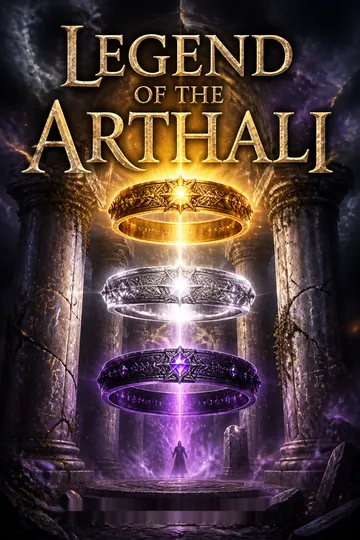
Legend of the Arthaliis a sweeping fantasy that interrogates the nature of power, identity, and legacy through the lens of divine inheritance and mortal struggle. At its heart, the novel is a meditation on the costs of leadership and the dangers of unchecked ambition—whether in the hands of mortals, gods, or demons. The circlets, as embodiments of divine will, tempt their bearers with the promise of order and healing but exact a terrible price in agency and innocence. The narrative's structure—alternating between trials, political intrigue, and existential battles—mirrors the characters' internal journeys from naivety to hard-won wisdom. The story's modern resonance lies in its exploration of trauma, the burden of history, and the necessity of forging new alliances in a fractured world. Ultimately, the novel suggests that redemption and peace are possible only through sacrifice, empathy, and the willingness to confront both the darkness within and the threats without. The legend endures not as a tale of triumph, but as a warning and a hope: that even those touched by gods must choose, again and again, what kind of world they wish to build.
Review Summary
People Also Read


Characters
Saida Fenmyar
Saida is the emotional and moral center of the story, an elf whose journey from scholar's daughter to god-touched savior is marked by loss, betrayal, and the seductive danger of power. Her relationship with Malon is fraught with tension—he is both her captor and her ally, and their destinies are intertwined by the circlets they wield. Saida's psychoanalytic arc is one of self-doubt, guilt, and the struggle to reconcile her compassion with the violence required of her. Her connection to the gods, especially Ilthune, forces her to confront the limits of her agency and the cost of wielding divine magic. By the end, Saida is both traumatized and transformed, her innocence lost but her resolve hardened.
Malon
Malon is a complex figure, driven by a desire to impose order on a chaotic world but undone by his own hubris and the uncontrollable power of the circlets. His relationship with Saida is a study in contrasts—he is both protector and manipulator, victim and villain. Malon's psychoanalytic journey is one of pride, regret, and the fear of becoming a monster. His enslavement by the demons, via the crystal, is a literalization of his loss of agency and the dangers of unchecked ambition. Ultimately, Malon is left broken and uncertain, his fate a warning about the perils of power without trust.
Elmerah
Elmerah is a witch of the Shadowmarsh, marked by trauma and a deep sense of responsibility for those she loves. Her relationship with her sister Rissine, her lover Alluin, and her friend Saida is defined by loyalty, guilt, and the fear of losing control. Elmerah's psychoanalytic arc is shaped by her struggle with her own monstrousness—her fire magic, her half-demon heritage, and the specter of Egrin. She is both a warrior and a scholar, seeking knowledge to save her friends and herself. By the end, Elmerah embraces her role as a leader and protector, finding solace in love and the hope of redemption.
Isara
Isara is thrust into leadership by circumstance, forced to navigate the treacherous politics of Galterra and the demands of war. Her psychoanalytic journey is one of self-doubt, idealism, and the gradual hardening required by power. Isara's relationships—with her brother Daemon, her allies, and her people—are tested by betrayal and the need for ruthless action. She is both compassionate and pragmatic, enacting harsh laws to preserve the fragile peace. Isara's arc is a meditation on the burdens of leadership and the cost of doing what is necessary.
Rissine
Rissine is Elmerah's older sister, a woman shaped by loss, exile, and the constant threat of violence. Her relationship with Elmerah is both antagonistic and deeply loving, defined by shared trauma and mutual dependence. Rissine's psychoanalytic arc is one of bitterness, resilience, and the search for belonging. Her half-demon heritage is both a source of power and alienation, and her willingness to sacrifice for her sister is a testament to her hidden vulnerability.
Shale
Shale is an Arthali guard who becomes Saida's unlikely ally, motivated by a desire to escape the dying realm of Aranthemar. Her relationship with Saida is pragmatic but grows into genuine loyalty. Shale's psychoanalytic journey is one of agency, rebellion, and the longing for a new life. Her willingness to betray her own people for a chance at freedom highlights the theme of self-determination in the face of fate.
Alluin
Alluin is Elmerah's partner, a Valeroot elf whose quiet strength and loyalty provide stability amid chaos. His psychoanalytic arc is one of patience, grief, and the struggle to support those he loves without losing himself. Alluin's relationship with Elmerah is tested by danger and separation, but his unwavering devotion is a source of healing and hope.
Egrin Dinoba
Egrin, though dead, haunts the narrative as both a literal ghost and a symbol of the enduring wounds inflicted by tyranny and abuse. His presence forces Elmerah and others to confront their fears, guilt, and the legacy of violence. Egrin's psychoanalytic role is that of the abuser who lingers in memory, shaping the actions and anxieties of the living.
Noireé
Noireé is the high priestess of Aranthemar, a woman devoted to Ilthune but corrupted by her own ambition. Her relationship with Saida and Malon is adversarial, and her trials are designed to break rather than test. Noireé's psychoanalytic arc is one of fanaticism, envy, and the self-destructive pursuit of power. Her death at Saida's hands is both a victory and a warning about the dangers of zealotry.
Pirvatta
Pirvatta is the ruler of Matha Nalore, driven by grief and a thirst for vengeance after the death of her mate Ashmial. Her relationship with Malon is one of domination, using the crystal to enslave him and unleash devastation on Galterra. Pirvatta's psychoanalytic arc is one of rage, loss, and the corrupting influence of unchecked power. Her defeat is hard-won, and her legacy lingers as a reminder of the ever-present threat of the demon realm.
Plot Devices
Divine Artifacts and God-Touched Blood
The three circlets—Arcale, Cindra, and Ilthune—are central plot devices, each embodying the essence of a god and granting unique powers to those of their bloodline. The revelation that Saida and Malon are god-touched reframes their journey as one of inheritance and destiny, not mere chance. The circlets serve as both MacGuffins and sources of internal conflict, tempting their bearers with power while threatening to consume them. The struggle to control, destroy, or hide the circlets drives much of the narrative tension and character development.
Trials and Arenas
The trials in Aranthemar are classic tests of worthiness, blending riddles, combat, and endurance. They function as both external obstacles and mirrors for the characters' internal struggles. The arena, tower, and temple are spaces where identity, loyalty, and power are forged and tested. The trials also serve as foreshadowing for the greater battles to come, both literal and metaphorical.
Portals and Parallel Realms
The use of portals to travel between realms—mortal, demon, and divine—symbolizes the characters' journeys of self-discovery and change. Each crossing is a rite of passage, with the demon realm representing both danger and the hidden truths of the past. The portals also function as plot accelerators, enabling rapid shifts in setting and stakes, and as metaphors for the permeability of identity and fate.
Foreshadowing and Specters
Egrin's specter, recurring dreams, and prophetic voices foreshadow both external threats and internal crises. These hauntings blur the line between reality and imagination, forcing characters to confront their deepest fears and desires. The specters also serve as reminders of unresolved trauma and the cyclical nature of violence and power.
Shifting Alliances and Betrayals
The narrative is driven by constantly shifting alliances—Arthali, elves, Makali, Nokken, Dreilore, and demons all form and break pacts as circumstances change. Betrayals are both personal and political, reflecting the instability of a world in flux. These dynamics heighten suspense, complicate character relationships, and underscore the theme that trust is both precious and perilous.
Moonstone Chronicles Series
About the Author
Download PDF
Download EPUB
.epub digital book format is ideal for reading ebooks on phones, tablets, and e-readers.








































