
Plot Summary
Desert Shadows and Curses
In the Helshone desert, Saida, haunted by past trauma, steels herself to cast a dangerous curse to locate her lost friend Elmerah. Supported by the pragmatic Brosod and the enigmatic Malon, she is thrust into leadership, burdened by the fate of her people and the looming threat of the demon emperor Egrin. The ritual, performed under the half-moon, is both a test of her growing magical power and a symbol of her transformation from sheltered priestess to a woman of action. The desert's harshness mirrors her internal struggle, and the army she leads is both a source of strength and a reminder of the stakes. As the curse takes hold, Saida's journey into darkness begins, setting the stage for the entwined destinies of friends and enemies alike.
Nightmares at Sea
Aboard a fog-shrouded ship, Elmerah is tormented by nightmares of the destruction she wrought with her uncontrollable magic. Her companions—Alluin, Rissine, and others—struggle to comfort her, but the threat of the Akkeri, led by the magical High King Hotrath, looms. The fog is unnatural, and the ship is soon pursued by Akkeri forces. Elmerah's fear of her own power paralyzes her, even as her friends prepare for battle. The tension between the need for action and the terror of losing control defines Elmerah's emotional arc, while the group's unity is tested by external threats and internal doubts. The sea becomes a crucible, forging bonds and exposing vulnerabilities as the storm of conflict draws near.
The Emperor's Bargain
In the dream realm, Saida's curse leads her to a confrontation with Egrin Dinoba, the demon emperor. He reminds her of their binding bargain: deliver the magical circlets by the full moon, or see her homeland destroyed. Egrin sows seeds of doubt about Malon's loyalty, hinting at hidden betrayals and the true cost of alliances. Saida's resolve is shaken, but her determination to find Elmerah and save her people hardens. The encounter is a psychological battle, with Saida caught between trust and suspicion, hope and despair. The dream world's surreal landscape reflects her fractured sense of reality, and the emperor's words echo long after she awakens, fueling the story's central tension.
Shipwreck and Survival
The Akkeri attack, and the ship is destroyed in a violent clash of magic and steel. Elmerah is wounded, and the survivors are scattered across the sea and islands. Alluin's devotion keeps Elmerah alive as they struggle ashore, while Rissine and others face their own trials. The group's separation heightens the sense of vulnerability and loss, with each character forced to confront their fears and limitations. Saida, through her curse, witnesses the chaos and is driven to risk everything to save her friend. The aftermath of the shipwreck is a crucible for growth, forging new alliances and deepening old wounds as the survivors cling to hope in a hostile world.
Demon Portals Beckon
Determined to reach Elmerah, Saida agrees to use a demon portal—an act fraught with peril and moral ambiguity. Malon's confession of his demon blood and the risks of the journey deepen the complexity of their relationship. Brosod insists on joining, valuing loyalty over safety. The portal's passage is a sensory and spiritual ordeal, thrusting the trio into a realm of darkness and monstrous threats. Saida's growing power with the circlet is both a blessing and a burden, as she must navigate not only the demon realm's dangers but also the shifting loyalties and secrets of her companions. The journey through the portal is a metaphor for transformation, with no guarantee of return.
The Island of Secrets
On the island, Elmerah and Alluin find shelter in Elmerah's former home, joined by other survivors. The reunion is bittersweet, as past failures and present dangers weigh heavily. Rissine is captured by the Akkeri and forced into a dangerous bargain, while Isara and Daemon's fraught sibling relationship is tested by survival and betrayal. The group's efforts to find each other are hampered by mistrust and the ever-present threat of enemies. The island becomes a microcosm of the larger conflict, with each character's choices echoing the themes of loyalty, sacrifice, and the cost of power.
Betrayals and Bargains
As the survivors plan their next moves, old betrayals come to light. Saida confronts Phaerille, the traitor, and finds closure in Malon's cold dismissal of his former ally. Rissine's deal with Hotrath promises an army in exchange for Saida, setting up a collision of interests. Elmerah's struggle with her magic and Vail's accusations deepen her sense of isolation. The group's unity is fragile, threatened by secrets and the lure of power. The stage is set for the coming battles, with each character forced to choose between personal loyalty and the greater good.
The Army Gathers
Saida and Malon's army of Makali, bolstered by elves and other allies, marches toward the Capital. The narrative shifts to the logistics and moral weight of war, as Saida grapples with the consequences of unleashing her power. The Makali's faith in Saida and Malon is both empowering and terrifying, as the circlets' magic promises victory but at a terrible cost. The group's plans are complicated by the absence of key allies and the looming threat of Egrin's forces. The gathering storm is both literal and metaphorical, as the characters steel themselves for the final confrontation.
The Capital Besieged
The assault on the Capital is a maelstrom of magic, violence, and shifting allegiances. Saida and Malon's combined power devastates Egrin's armies, but the victory is hollow, haunted by the whispers of the circlet and the specter of unintended consequences. Elmerah and her companions infiltrate the city, seeking to assassinate Egrin before more blood is shed. Rissine's bargain with the Akkeri comes due, threatening to unravel everything. The siege is a crucible for every character, forcing them to confront the limits of their power and the price of their choices.
The Demon's Ritual
In the depths of the keep, Egrin enacts a dark ritual to resurrect his demon queen, using Elmerah's blood and magic as the catalyst. The ritual is a convergence of all the story's themes: love twisted by obsession, power corrupted by grief, and the thin line between life and death. Elmerah's resistance is heroic but ultimately futile, as Egrin's will and the cauldron's magic overwhelm her. The arrival of Saida, Isara, and the others comes too late to prevent the ritual, but their presence sets the stage for the final confrontation.
Sacrifice and Resurrection
The ritual's explosion of power nearly destroys everyone. Elmerah, drained and broken, is saved only by Saida's intervention and the healing power of the circlet. Egrin's queen is resurrected but quickly destroyed, and Egrin's grief turns to rage. In a final act of courage, Alluin kills Egrin with Dreilore metal, ending the demon emperor's reign. The victory is pyrrhic, marked by loss, exhaustion, and the knowledge that the world has been irrevocably changed. The survivors are left to pick up the pieces, haunted by what they have done and what they have become.
The Fall of Egrin
With Egrin dead, the city is in chaos. The Makali and elves secure the keep, but the threat of the Akkeri and the unresolved power of the circlets linger. Malon's ambitions become clear as he is drawn to the lingering portal, and Saida's trust is shattered. The survivors must decide the fate of the city, the circlets, and themselves. The cost of victory is measured in scars—physical, emotional, and spiritual. The story's central question shifts from how to defeat evil to how to live with the consequences of power.
Aftermath and Reckoning
In the wake of battle, the characters confront the consequences of their actions. Saida and Malon's relationship fractures as he flees through the portal, taking her with him and leaving the others behind. Elmerah, Alluin, and their friends are left to rebuild, haunted by the knowledge that the greatest threat may now come from within. The city's future is uncertain, alliances are fragile, and the promise of peace is shadowed by the lure of forbidden power. The story ends on a note of hope tempered by hard-won wisdom, as the survivors vow to find Saida and prevent the rise of a new empire of demons.
The Portal's Temptation
In a realm beyond death, Malon reveals his true goal: to find the third circlet, the Crown of Ilthune, and master death itself. Saida, betrayed and powerless without her circlet, must navigate this new world and Malon's dangerous vision. The portal's magic is both a prison and a promise, offering the possibility of reunion with lost loved ones but at the risk of unleashing even greater horrors. Saida's journey becomes a test of character, as she must decide whether to resist or join Malon in his quest for ultimate power.
A New World Beckons
Saida and Malon, trapped in the realm of the dead, set out to find the lost relic. The landscape is alien and beautiful, filled with echoes of the past and the promise of unimaginable power. Saida's resolve is tested as she confronts the reality of Malon's ambition and the possibility of never returning home. The quest for the Crown of Ilthune becomes a metaphor for the human desire to transcend mortality, and the dangers of seeking power without restraint.
Home and Uncertainty
In the aftermath, Elmerah, Alluin, and their friends work to restore order in the Capital and plan the search for Saida. The city is a place of both hope and fear, as old wounds heal and new dangers emerge. The survivors' bonds are tested by loss, love, and the lingering threat of the portals. The story's final chapters are a meditation on the meaning of home, the cost of survival, and the enduring power of friendship.
The Circle Remains Open
The portal's magic lingers, and the quest for the third circlet is just beginning. The survivors vow to find Saida and prevent the rise of a new empire of demons. The circle of power, sacrifice, and hope remains unbroken, promising new adventures and challenges ahead. The story closes on a note of determination and unity, as the characters face an uncertain future together.
Analysis
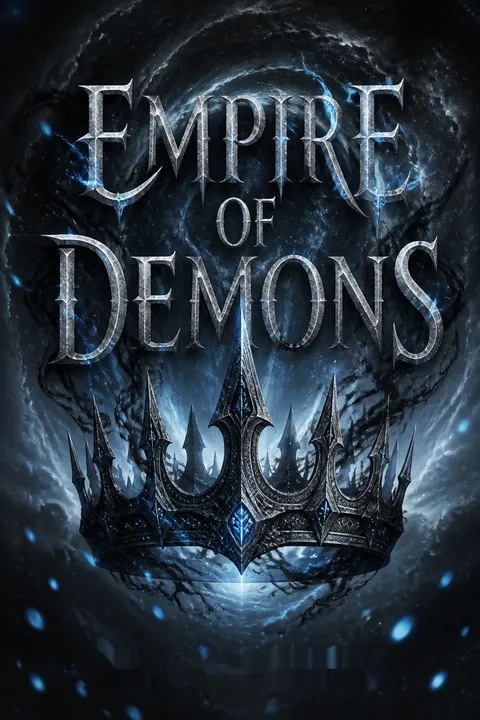
Empire of Demons is a sweeping fantasy that interrogates the nature of power, the cost of survival, and the complexity of human (and inhuman) relationships. At its core, the novel is about transformation—of individuals, societies, and the very fabric of reality. Through its dual protagonists, Saida and Elmerah, the story explores the tension between destiny and agency, the allure and danger of forbidden magic, and the enduring strength of friendship and love. The circlets serve as both literal and symbolic representations of the burdens and temptations of power, while the recurring motif of portals and resurrection underscores the cyclical nature of history and the impossibility of escaping the past. The novel's refusal to offer easy answers—its embrace of moral ambiguity, shifting alliances, and unresolved endings—reflects a mature understanding of the fantasy genre's potential to grapple with real-world questions of leadership, sacrifice, and the search for meaning. Ultimately, Empire of Demons is a story about the courage to face the unknown, the necessity of forging one's own path, and the hope that, even in the darkest of times, unity and compassion can light the way forward.
Review Summary
Characters
Saida
Saida is the heart of the resistance—a moon priestess whose journey from sheltered innocence to hardened leader is marked by trauma, sacrifice, and the burden of power. Her relationships are complex: she is fiercely loyal to Elmerah, wary of Malon, and haunted by her mother's death. Psychoanalytically, Saida embodies the struggle between self-doubt and destiny, often questioning her worthiness and the morality of her choices. Her development is defined by her willingness to risk everything for her friends and people, even as she is manipulated by those she trusts. The circlet's whispers symbolize her internal conflict, and her ultimate decision to confront Malon in the realm of the dead is both an act of courage and a leap into the unknown.
Elmerah
Elmerah is a Shadowmarsh witch whose magic is both her greatest weapon and deepest fear. Scarred by the destruction she has caused, she is driven by loyalty to her friends and a desperate need for redemption. Her relationship with her sister Rissine is fraught with betrayal and unresolved grief, while her bond with Alluin offers hope and stability. Elmerah's psychological arc is a battle between self-loathing and acceptance, as she learns to wield her power without losing herself. Her survival, both physical and emotional, is a testament to resilience, and her role as both savior and destroyer underscores the story's central themes.
Malon
Malon is a former guardsman with demon blood, whose charisma and ruthlessness make him both ally and threat. His relationship with Saida is a tangle of manipulation, genuine affection, and shared trauma. Malon's psychoanalytic profile is that of the antihero—driven by a desire for belonging and power, yet unable to escape his own darkness. His willingness to use any means to achieve his goals, including betrayal and the pursuit of forbidden magic, makes him a catalyst for both progress and disaster. Malon's ultimate decision to seek the third circlet reveals the seductive danger of unchecked ambition.
Alluin
Alluin is a Valeroot elf whose loyalty and quiet strength anchor the group. His love for Elmerah is a source of both vulnerability and courage, and his willingness to sacrifice for others defines his character. Alluin's psychological journey is one of grief and hope, as he struggles to reconcile the losses of his people with the possibility of a new future. His actions in the final battle—killing Egrin and saving Elmerah—are the culmination of his arc from passive survivor to active hero. Alluin's presence is a reminder of the power of steadfastness in a world of chaos.
Rissine
Rissine is Elmerah's older sister, a Shadowmarsh witch whose choices are shaped by a ruthless pragmatism and a deep, if complicated, love for her sibling. Her willingness to make bargains with enemies and sacrifice her own reputation for Elmerah's safety speaks to a utilitarian morality. Rissine's psychological complexity lies in her ability to compartmentalize guilt and justify her actions, even as she longs for forgiveness. Her development is marked by moments of vulnerability and the gradual mending of her relationship with Elmerah.
Isara
Isara is a human with demon blood, whose journey from timid academic to key player in the battle against Egrin is marked by self-discovery and courage. Her relationship with her brother Daemon is fraught with betrayal and disappointment, yet she ultimately chooses her own path. Isara's ability to nullify magic makes her indispensable, and her growth is seen in her willingness to confront danger and take responsibility for her fate. She represents the potential for transformation and the importance of self-belief.
Brosod
Brosod is a Makali warrior whose blunt honesty and unwavering loyalty make her a stabilizing force. She is fiercely protective of Saida and skeptical of outsiders, yet willing to risk her life for the greater good. Brosod's psychological profile is grounded in survivalism and a deep sense of duty to her people. Her development is subtle but significant, as she learns to trust and adapt to new alliances.
Egrin Dinoba
Egrin is the story's primary antagonist—a demon whose centuries-long quest for power is driven by love, grief, and a desire to transcend mortality. His ability to manipulate, bargain, and instill fear makes him a formidable foe. Egrin's psychological makeup is a study in obsession and the corrupting influence of power. His downfall is both tragic and inevitable, as his inability to let go of the past leads to his destruction.
Hotrath
Hotrath is the immortal High King of the Akkeri, cursed by his misuse of magic. His quest to break the curse drives him to desperate bargains and ruthless actions. Hotrath's psychological arc is one of denial and eventual acceptance, as he is forced to confront the truth of his own damnation. His interactions with Saida and Rissine highlight the dangers of seeking redemption through others.
Celen
Celen is an Arthali with earth magic, whose loyalty to Elmerah and Alluin is unwavering. He provides both comic relief and practical support, grounding the group in moments of crisis. Celen's psychological profile is that of the steadfast companion, willing to risk everything for his friends. His development is seen in his willingness to confront danger and his acceptance of loss.
Plot Devices
Dual Narrative Structure
The novel employs a dual narrative, following Saida's quest through the desert and demon realm and Elmerah's struggle for survival and self-acceptance. This structure allows for deep character exploration and thematic resonance, as each protagonist's journey mirrors and informs the other. The convergence of their paths at pivotal moments heightens the emotional stakes and underscores the interconnectedness of fate.
Magical Artifacts and Curses
The circlets—Crown of Cindra, Crown of Arcale, and the hinted Crown of Ilthune—are central plot devices, representing both the potential for salvation and the danger of unchecked ambition. Their magic is both a tool and a curse, amplifying the characters' strengths and weaknesses. The use of curses, rituals, and dream-walking adds layers of psychological and metaphysical complexity, blurring the line between reality and the supernatural.
Foreshadowing and Prophecy
The narrative is rich with foreshadowing—Egrin's bargains, the whispers of the circlet, and the recurring motif of portals and resurrection. These elements create a sense of inevitability and tension, as characters are repeatedly confronted with the consequences of past actions and the uncertainty of the future. The prophecy of a third circlet and the open portal at the end signal that the struggle is far from over.
Moral Ambiguity and Shifting Alliances
The story thrives on moral ambiguity, with characters forced to make impossible choices and alliances shifting in response to changing circumstances. Betrayal is both a personal and political force, driving the plot and deepening character development. The use of bargains—both magical and mundane—serves as a recurring device, highlighting the theme that every victory comes at a price.
Moonstone Chronicles Series
About the Author
Download PDF
Download EPUB
.epub digital book format is ideal for reading ebooks on phones, tablets, and e-readers.








































