
Plot Summary
Blood and Betrayal
London, a ruthless mafia leader, races home with his sons, Carven and Colt, only to find their sanctuary violated and Vivienne, the woman he fiercely loves, abducted. Blood stains the floors, loyal guards lie dead, and the family's trusted friend Guild is gravely wounded. The attack is not random—it's a calculated betrayal, orchestrated by The Order, a shadowy syndicate trafficking in women and power. London's rage is volcanic, his need for vengeance and rescue absolute. The emotional stakes are set: Vivienne's life and autonomy hang in the balance, and London's world narrows to a single, desperate mission—bring her home, no matter the cost.
Daughter in the Dark
Trapped in a suffocating steel box, Vivienne's mind fractures between panic and the hard-won survival instincts drilled into her by her brutal upbringing. Her captor, Macoy Daniels, taunts her with promises of violence and degradation, intent on breaking her spirit before delivering her to The Order. Despite the pain and humiliation, Vivienne clings to memories of London and the sons, fueling her will to fight. Her escape attempt is met with savage retribution, but her defiance remains unbroken. The psychological torment is as intense as the physical, and Vivienne's resilience becomes a beacon of hope amid the darkness.
The Hunt Begins
The abduction ignites a relentless pursuit. London's leadership is cold and methodical, his love for Vivienne manifesting as a lethal obsession. Carven and Colt, each scarred by their own traumas, become instruments of vengeance. The trio tears through the city's underworld, interrogating, killing, and following the faintest leads. The emotional toll is immense—guilt, rage, and fear intertwine as they confront the reality that Vivienne's suffering is a consequence of their world. The hunt is not just for Vivienne, but for redemption and the restoration of their fractured family.
Savage Rescue
The sons and London storm Daniels's lair in a storm of violence. The rescue is savage—blood, bullets, and blades. Vivienne, battered but unbroken, is found at the brink of violation. The reunion is raw: relief, rage, and trauma collide. Vivienne's agency is restored as she delivers her own justice to Daniels, refusing to be a passive victim. The family's unity is tested and reforged in blood. The aftermath is not celebration, but a grim acknowledgment of the darkness they all carry, and the enemies still lurking in the shadows.
Aftermath and Vengeance
Back in their stronghold, the family licks its wounds. Vivienne's trauma simmers beneath her bravado, while London's protectiveness becomes possessive. Carven and Colt, each in their own way, struggle with guilt and the urge for further violence. The Order's threat remains, and the need for vengeance is insatiable. The family's methods grow more ruthless—enemies are hunted, tortured, and eliminated. The violence is both catharsis and curse, deepening the bonds between them even as it threatens to consume their humanity.
Secrets and Loyalties
The safehouse becomes a crucible for secrets. Vivienne learns of her true parentage—she is the daughter of King, the most powerful and enigmatic figure in the criminal world. This revelation destabilizes her sense of self and her place in the family. London's motives are questioned: is his love for Vivienne genuine, or is she a pawn in a larger game? The sons' loyalty is tested as old wounds and rivalries resurface. Trust is fragile, and every relationship is shadowed by the possibility of betrayal.
The Sons' War
Carven and Colt's bond is both their strength and their weakness. Their love for Vivienne becomes a source of rivalry and pain, each expressing it through violence, tenderness, or withdrawal. Carven's darkness threatens to overwhelm him, while Colt's silence hides deep scars. Their psychological struggles mirror the external war against The Order. The family's unity is constantly threatened by internal conflict, but their shared trauma and love for Vivienne ultimately bind them together in a pact of mutual protection and vengeance.
Safehouse Shadows
The family's new home is fortified, but safety is an illusion. Paranoia and fear seep into every interaction. Vivienne's recovery is complicated by the constant presence of danger and the suffocating love of her protectors. The sons' need for control clashes with Vivienne's desire for autonomy. The safehouse is both prison and refuge, a place where old wounds are reopened and new alliances are forged. The psychological tension is as palpable as the physical threat from The Order. The symbolism of confinement and freedom pervades the atmosphere.
Unbreakable Bonds
The trauma of violence and captivity forges deeper bonds between Vivienne, London, Carven, and Colt. Their relationships become increasingly complex—marked by passion, jealousy, and the need for reassurance. Sex is both escape and affirmation, a way to reclaim agency and connection. The family's love is fierce and possessive, blurring the lines between protection and control. Through shared vulnerability and mutual dependence, they become an unbreakable unit, prepared to face any threat together. The duality of violence and love is ever-present.
The Order's Reach
The Order's influence is pervasive, corrupting law enforcement, politicians, and even supposed allies. The family is forced to navigate a web of deceit and shifting loyalties. Old friends become enemies, and new threats emerge from unexpected quarters. The violence escalates as The Order retaliates, targeting not just the family but anyone associated with them. The sense of siege intensifies, and the family's survival depends on their ability to outmaneuver and outfight their enemies.
Revelations and Reunions
The search for answers leads to shocking revelations: Vivienne has a sister, Ryth, and possibly more siblings. The family's history is intertwined with The Order's darkest secrets. Allies are found in unlikely places, and old enemies reveal hidden motives. The reunion with lost family members brings hope and new vulnerabilities. The emotional stakes are raised as the family realizes that their fight is not just for themselves, but for all those victimized by The Order.
The Lion's Den
London and Vivienne are drawn into the orbit of Dante Ares, a powerful mafia leader whose family is entangled with The Order. The meeting is a high-stakes negotiation, fraught with threats and hidden agendas. Vivienne recognizes a kindred spirit in Dante's adopted daughter, hinting at deeper connections. The encounter underscores the precariousness of alliances in the criminal world—today's friend may be tomorrow's enemy. The family must tread carefully, balancing strength with diplomacy.
The Vault's Secrets
London discovers that Daniels, Vivienne's tormentor, holds the key to The Order's secrets—a vault of encrypted data that could destroy their enemies. The quest to unlock the vault is perilous, requiring violence, sacrifice, and moral compromise. The information comes at a high price, forcing London to confront the limits of his ruthlessness. The family's future hinges on their ability to wield this knowledge without becoming the monsters they fight.
The Price of Protection
The family's war against The Order demands ever-greater sacrifices. London, Carven, and Colt cross lines they once swore never to cross, committing acts of brutality in the name of love and protection. Vivienne is forced to confront the darkness within herself, questioning how much of her soul she is willing to surrender for survival. The line between victim and perpetrator blurs, and the family must reckon with the cost of their choices.
Consumed by Obsession
London's obsession with Vivienne reaches its zenith—he wants not just to protect her, but to possess her utterly, body and soul. The sons' devotion is equally consuming, manifesting in acts of violence and tenderness. Vivienne, once a pawn, becomes the axis around which the family revolves. Their love is both salvation and curse, offering healing but also threatening to suffocate. The psychological intensity is matched by the physical, as passion and pain become indistinguishable.
The Daughter's Choice
No longer content to be a victim or a prize, Vivienne asserts her will. She demands honesty, loyalty, and respect from her protectors. Her choices shape the family's future—who she loves, who she forgives, and who she destroys. The power dynamic shifts as Vivienne becomes an equal partner in the family's war. Her strength inspires the sons and London, forging a new equilibrium based on mutual trust and shared purpose.
The Sons' Claim
The climax is a maelstrom of violence, revelation, and catharsis. The sons and London, united by love for Vivienne and hatred for The Order, unleash their full fury. Enemies are destroyed, secrets are laid bare, and the family emerges transformed. The bonds between them—once fragile and fraught—are now unbreakable. Together, they claim not just survival, but the right to define their own destiny.
The Final Reckoning
The war with The Order ends in blood and ashes. The family pays a heavy price, but emerges victorious. The trauma lingers, but so does hope. Vivienne, London, Carven, and Colt are no longer defined by their wounds, but by their resilience and love. The story closes with the promise of a new beginning—a family forged in darkness, but reaching for the light.
Analysis
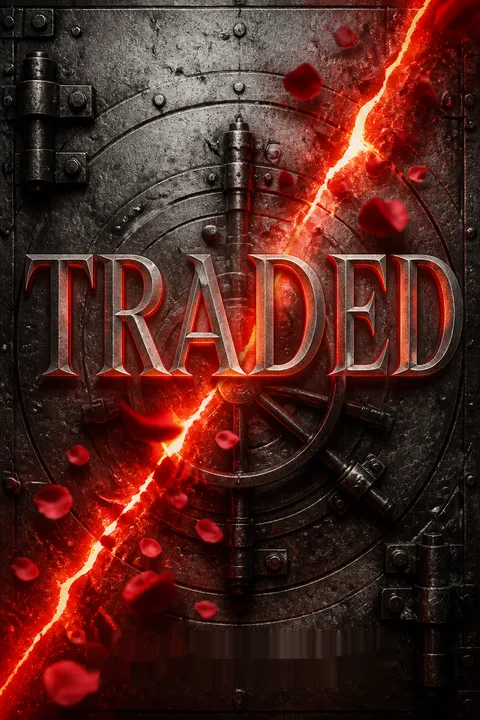
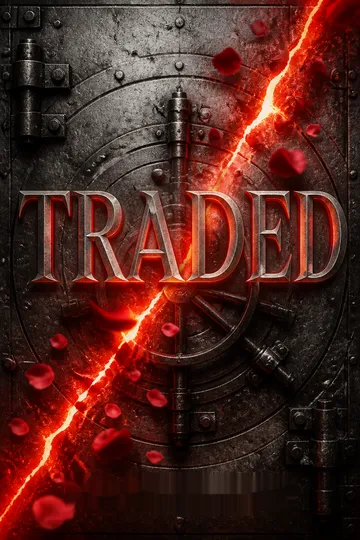
Traded is a dark, emotionally charged exploration of trauma, love, and the quest for agency in a world defined by violence and betrayal. At its core, the novel interrogates the nature of power—who wields it, who suffers under it, and how it can be reclaimed. Vivienne's journey from victim to partner is emblematic of the struggle to assert autonomy in the face of overwhelming odds. The relationships between London, Carven, and Colt are both a source of strength and a crucible for their deepest wounds, illustrating how love can be both healing and destructive. The story's unflinching portrayal of brutality is balanced by moments of tenderness and vulnerability, suggesting that true resilience lies in the willingness to confront one's own darkness and to forge connections despite it. The duality of violence and love and the symbolism of confinement and freedom work together to create a narrative that is both harrowing and hopeful. Ultimately, Traded is a testament to the possibility of redemption—not through the erasure of pain, but through its transformation into something fierce, protective, and enduring. The lesson is clear: survival is not enough; to truly live, one must claim the right to love, to choose, and to fight for a future beyond the scars.
People Also Read

Characters
Vivienne
Vivienne is the emotional and narrative core of the story—a woman forged in trauma, yet unbroken. Sold by her own blood, she endures captivity, violence, and psychological torment, but refuses to be a victim. Her relationships with London, Carven, and Colt are complex: she is both protected and possessed, loved and fought over. Vivienne's journey is one of reclaiming agency—she transforms from pawn to partner, demanding respect and shaping the family's fate. Her resilience inspires those around her, and her capacity for love and forgiveness becomes the family's salvation. Psychologically, she embodies the struggle between vulnerability and strength, trauma and healing.
London St. James
London is the family's patriarch—a mafia leader whose love for Vivienne is as violent as it is tender. His obsession with control and vengeance is both his strength and his flaw. London's past is marked by betrayal and loss, fueling his need to dominate and protect. His relationship with Vivienne oscillates between possessive passion and genuine devotion. With the sons, he is both father and comrade, demanding loyalty but offering unconditional protection. Psychologically, London is a study in duality: capable of monstrous violence, yet desperate for redemption and love. His arc is one of learning to trust, to let go, and to accept vulnerability as strength.
Carven
Carven is the embodiment of trauma turned to violence. Scarred by childhood abuse and the horrors of The Order, he channels his pain into brutality and control. His love for Vivienne is fierce, bordering on destructive, and his rivalry with Colt is both a source of strength and torment. Carven's journey is one of confronting his own darkness—learning to love without hurting, to protect without possessing. His psychological complexity lies in his fear of intimacy and his desperate need for connection. Through Vivienne, he finds the possibility of healing, but not without struggle and relapse.
Colt
Colt is Carven's mirror and complement—a man of few words, but deep feeling. His silence masks profound pain and a longing for acceptance. Colt's love for Vivienne is pure, protective, and self-sacrificing. He is often the emotional anchor for the family, absorbing their pain and offering quiet strength. His rivalry with Carven is rooted in shared trauma and the fear of abandonment. Psychologically, Colt grapples with feelings of inadequacy and the burden of being the "good" son. His arc is one of finding his voice, claiming his desires, and accepting that he is worthy of love.
Macoy Daniels
Daniels is the embodiment of The Order's depravity—a man who delights in cruelty and control. His abduction and abuse of Vivienne set the story's events in motion, forcing the family into action. Daniels's role is that of the villain whose evil unites the protagonists. Psychologically, he is a narcissist and sadist, incapable of empathy or remorse. His eventual downfall is both justice and a warning of what unchecked power can become.
Guild
Guild is the family's steadfast ally—a man who risks everything for those he loves. His loyalty is unwavering, but he is not blind to the family's flaws. Guild often serves as the voice of reason, urging restraint and compassion. Psychologically, he is driven by a need to belong and to atone for past failures. His relationship with Vivienne is platonic but deeply caring, and he acts as a bridge between the family and the outside world.
King
King is Vivienne's biological father and the shadowy force behind much of the story's conflict. His motives are inscrutable, his power immense. King's presence looms over the narrative, shaping events even in his absence. Psychologically, he represents the ultimate authority—distant, manipulative, and possibly redemptive. His relationship to Vivienne is fraught with betrayal and longing, and his secrets drive much of the plot's tension.
Ryth
Ryth is Vivienne's half-sister, another victim of The Order. Her existence is a revelation that reshapes Vivienne's understanding of family and self. Ryth's journey parallels Vivienne's—survival, resistance, and the search for belonging. Psychologically, she embodies the possibility of healing and the importance of chosen family.
Ophelia
Ophelia is the sons' tormentor—a woman whose cruelty leaves lasting scars. Her obsession with control and destruction makes her a formidable enemy. Ophelia's psychological profile is that of a sadist, driven by envy and a need to dominate. Her downfall is both cathartic and tragic, forcing the family to confront the roots of their pain.
Dante Ares
Dante is a mafia leader whose family is entangled with The Order. His relationship with London is one of wary respect and rivalry. Dante's presence introduces new complexities—alliances, threats, and the possibility of peace. Psychologically, he is a survivor, pragmatic and ruthless, but not without a code of honor.
Plot Devices
Duality of Violence and Love
The narrative structure juxtaposes scenes of brutal violence with moments of deep intimacy, highlighting the duality at the heart of the characters. Love is expressed through protection, possession, and even brutality, while violence is often motivated by love. This interplay creates a constant tension—can one exist without the other? The story uses this device to explore the psychological costs of survival in a world where safety and danger are indistinguishable.
Shifting Points of View
The story alternates between the viewpoints of Vivienne, London, Carven, and Colt, allowing readers to experience events through different psychological lenses. This device fosters empathy and understanding, revealing the hidden fears, desires, and motivations of each character. It also heightens suspense, as secrets are revealed to the reader before the characters themselves understand them.
Symbolism of Confinement and Freedom
The recurring motif of captivity—Vivienne's abduction, the fortified safehouse, the emotional prisons of trauma—serves as a metaphor for the characters' internal struggles. Escape is not just physical, but psychological; true freedom comes from confronting and integrating the darkness within.
Foreshadowing and Repetition
The narrative is laced with foreshadowing—warnings, dreams, and repeated phrases ("You're mine," "Never again") that signal both danger and hope. These repetitions reinforce the cyclical nature of trauma and the possibility of breaking free through love and agency.
The MacGuffin of the Vault
The encrypted vault of The Order's secrets serves as a classic MacGuffin, driving the plot and motivating the characters' actions. The pursuit of this knowledge forces the family to confront moral ambiguity—how much are they willing to sacrifice for victory? The vault's secrets are both weapon and burden, offering the promise of justice but at a steep personal cost.
Blood Ties Series
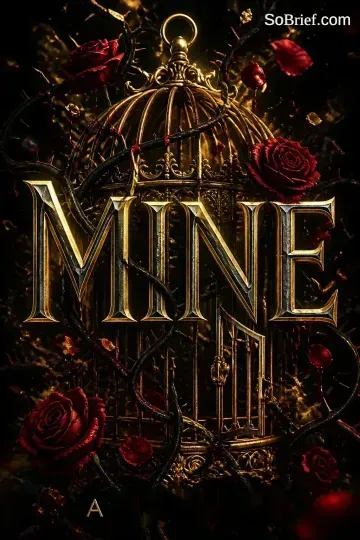
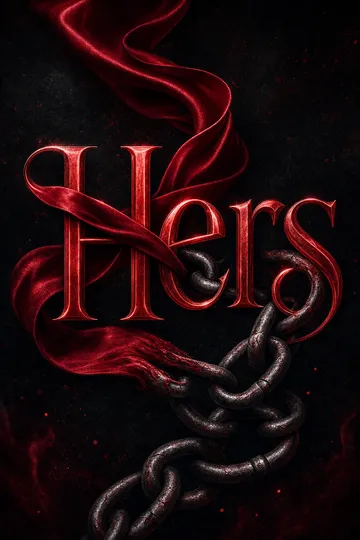
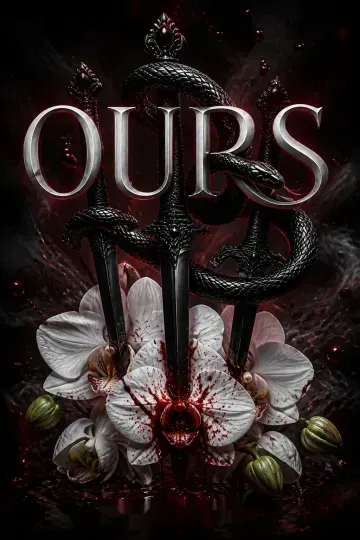
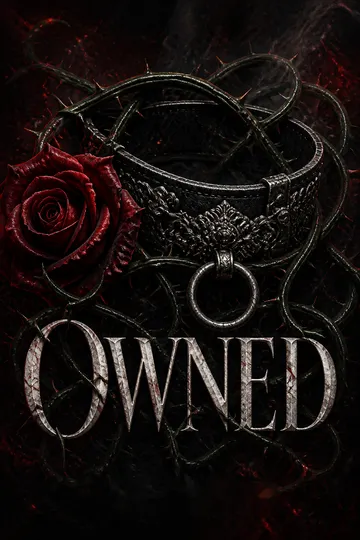


Download PDF
Download EPUB
.epub digital book format is ideal for reading ebooks on phones, tablets, and e-readers.








































