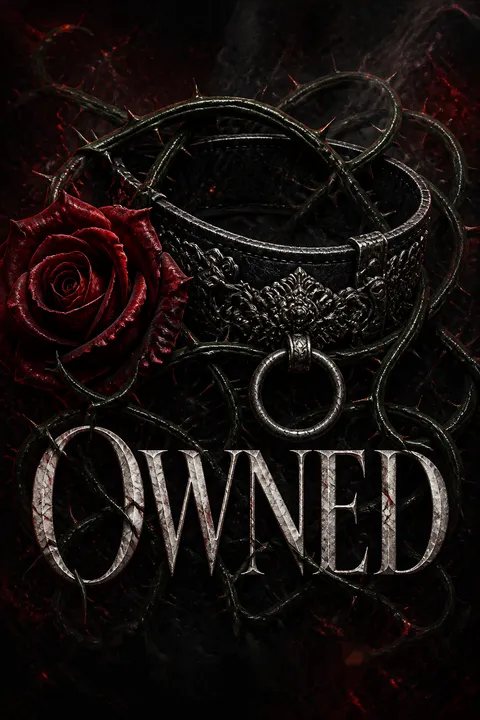

Plot Summary
Contract of Possession
Vivienne Evans is confronted with a chilling contract: she is property, a vessel to be possessed and used by the highest bidder in the shadowy world of The Order. Her captor, London St. James, is forbidden from touching her until full ownership is granted, but the contract's language is clear—her autonomy is gone. The house she's kept in is both prison and stage for a dangerous game of power, desire, and resistance. Vivienne's hatred for London is matched only by her forbidden attraction, and the contract's terms become the first battle in a war for her body and will. The emotional stakes are set: survival, dignity, and the hope of freedom.
House of Captivity
Trapped in London's home, Vivienne is surveilled, manipulated, and subjected to invasive procedures—her body marked and tracked. London's sons, Carven and Colt, are both jailers and potential threats, their own traumas and violence simmering beneath the surface. Vivienne's every move is watched, her attempts at rebellion met with calculated force. The house is a labyrinth of locked doors and secrets, each room a reminder of her captivity and the power London wields. Yet, beneath the surface, a twisted intimacy grows, blurring the lines between captor and captive.
Defiance and Desire
Vivienne's defiance peaks as she lashes out, destroying the sons' prized possessions and provoking their wrath. The resulting confrontation is brutal—she is shackled, threatened, and nearly assaulted, only to be "rescued" by London, whose own possessiveness is as dangerous as the sons' rage. The emotional chaos is palpable: Vivienne's hatred is matched by her body's traitorous desire, and London's control is revealed as both protective and predatory. The house becomes a crucible, forging new bonds of pain, lust, and reluctant trust.
The Sons' Fury
The sons' violence is not just a threat to Vivienne but a reflection of their own brokenness. Colt's silence and Carven's volatility are rooted in a past of abuse and survival. When Vivienne is injured, London's care is clinical but charged with longing. The household is a powder keg, each member's trauma fueling the others'. Yet, moments of unexpected tenderness—Colt's silent protection, London's careful touch—hint at the possibility of something more than violence binding them together.
Secrets of The Order
London takes Vivienne to the ruins of the orphanage where The Order's horrors began. The house is a mausoleum of suffering, its walls echoing with the screams of children—sons and daughters bred for exploitation. Vivienne's memories surface: she was once one of these children, saved from the worst by London's intervention. The revelation is shattering—her life has always been shaped by the machinations of monsters. London's guilt is palpable, his need to "undo the damage" both genuine and self-serving. The past is inescapable, and Vivienne's sense of self is forever altered.
The Past Unveiled
The truth of Vivienne's origins is laid bare: she is not just a victim, but a secret, a pawn in a decades-long game between London, The Order, and the elusive King. London's obsession with her is revealed as both protector and manipulator—he orchestrated her entire life, ensuring her survival but also her captivity. Vivienne's rage and despair are overwhelming, but so is the twisted bond that now ties her to London and his sons. The emotional stakes are raised: love, hate, and the desperate need for belonging.
Games of Control
Back in the house, the games of control intensify. London's surveillance is omnipresent, his need to possess Vivienne both erotic and suffocating. Vivienne tests boundaries, seeking both escape and dominance. The sons' roles shift from threats to protectors, their own traumas making them both dangerous and vulnerable. The house becomes a battleground of wills, each character struggling to assert agency in a world where power is currency and trust is a weapon.
The Basement's Bargain
The basement is the heart of London's control—a place of punishment, pleasure, and transformation. Vivienne is strapped down, subjected to London's machines and desires. The line between pain and ecstasy blurs, and Vivienne's submission becomes both a survival strategy and a source of unexpected empowerment. London's dominance is absolute, but his need for Vivienne's consent reveals cracks in his armor. The emotional dynamic shifts: Vivienne is no longer just a victim, but a participant in the game.
Family of Monsters
The household's dynamics evolve into a twisted form of family. London, Carven, and Colt are bound by shared trauma, violence, and a desperate need for connection. Vivienne becomes both catalyst and glue, her presence forcing each man to confront his own demons. The sons' protectiveness deepens, and moments of genuine tenderness emerge amidst the brutality. The concept of family is redefined—not by blood, but by survival, loyalty, and the willingness to fight for one another.
The Price of Freedom
The quest for freedom is fraught with impossible choices. London's negotiations with The Order and its allies are a high-stakes game, each contract and betrayal bringing new dangers. Vivienne's value is measured in millions, her fate determined by the whims of men who see her as both prize and pawn. The emotional toll is immense—every act of rebellion or submission is a gamble, every moment of intimacy shadowed by the threat of violence and loss.
Blood and Betrayal
The fragile peace is shattered by violence—attacks, abductions, and the ever-present threat of The Order's retribution. The sons' loyalty is tested, London's control slips, and Vivienne is forced to confront the reality that survival may require blood. Betrayals come from within and without, and the line between protector and predator blurs. The emotional stakes reach a fever pitch: love and hate, trust and betrayal, all are weapons in the fight for freedom.
The Wildcat's Choice
For the first time, Vivienne seizes agency—not just as a survivor, but as a player in the game. She chooses her lovers, her allies, and her fate, refusing to be a passive victim. The bonds between her, London, and the sons deepen, becoming both a source of strength and vulnerability. The emotional arc is one of reclamation: Vivienne is no longer just owned—she owns her choices, her desires, and her destiny.
The Contract Signed
The long-awaited contract is finally signed, granting London full ownership of Vivienne. But freedom is an illusion—new dangers emerge, and the price of liberation is higher than ever. The Order's enemies close in, and the household must band together to survive. The emotional stakes are bittersweet: victory comes at a cost, and the future is uncertain.
The Predator's Prey
The true enemies are unmasked—Macoy Daniels, Ophelia, and the shadowy King. London and his family become both hunters and hunted, forced to confront the full extent of the conspiracy against them. The emotional arc is one of desperation and resolve: survival depends on trust, cunning, and the willingness to do whatever it takes.
The Attack at the Mall
A brutal attack at the mall exposes the family's vulnerability. Vivienne is targeted, abducted, and nearly lost. The sons' violence is unleashed in her defense, and the bonds of loyalty are tested to the breaking point. The emotional aftermath is raw: fear, guilt, and the realization that safety is always temporary.
Fire and Vengeance
In the wake of the attack, Vivienne and the sons strike back—burning down Ophelia's mansion, destroying the symbols of their torment. The act is both vengeance and liberation, a cathartic rejection of the past. The emotional arc is one of empowerment: the family is no longer just surviving—they are fighting back.
The Blackmail Trap
Ophelia's blackmail forces London into an impossible position—sacrifice himself or risk losing everything. The emotional stakes are excruciating: love demands sacrifice, and the cost of survival is higher than ever. The family's unity is tested, and the threat of betrayal looms large.
The Final Betrayal
In a devastating twist, Vivienne's ownership is stolen—sold to Macoy Daniels in a secret contract. The family's hard-won freedom is shattered, and Vivienne is once again reduced to property. The emotional arc is one of heartbreak and resolve: the cycle of violence and possession continues, but the bonds forged in blood and pain remain unbroken. The story ends on a cliffhanger—Vivienne's fate uncertain, but her spirit unbroken.
Analysis
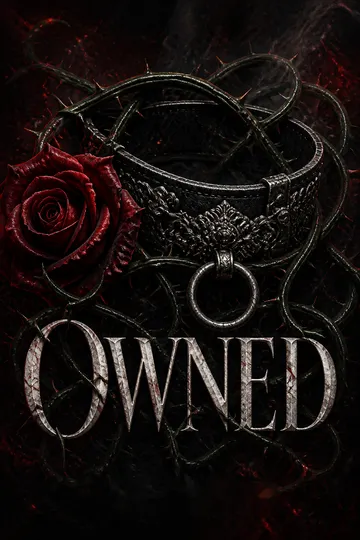
OWNED is a dark, unflinching exploration of power, trauma, and the desperate search for agency in a world built on violence and exploitation. Through the lens of mafia and captivity romance, the novel interrogates the commodification of women, the legacy of abuse, and the possibility of redemption through chosen family. The story's emotional arc is one of reclamation: Vivienne's journey from property to player, from victim to agent, is both harrowing and empowering. The relationships at the heart of the novel—between Vivienne, London, and the sons—are fraught with violence, desire, and reluctant trust, reflecting the complexities of love and survival in a world where safety is always temporary. The use of contracts, surveillance, and cycles of trauma as plot devices underscores the inescapability of systemic violence, while the moments of tenderness and solidarity offer hope for healing and transformation. Ultimately, OWNED is a story about the cost of freedom, the power of agency, and the enduring strength of those who refuse to be broken. Its lessons are both cautionary and inspiring: even in the darkest circumstances, the fight for dignity, connection, and self-determination is never in vain.
Characters
Vivienne Evans
Vivienne is the heart of the story—a woman forged in trauma, defiance, and longing for belonging. Her journey is one of reclamation: from property to player, from victim to agent of her own fate. Her relationships with London and the sons are fraught with violence, desire, and reluctant trust. Psychologically, Vivienne is both resilient and vulnerable, her rage and need for connection driving the narrative. Her development is a testament to the power of agency, even in the darkest circumstances.
London St. James
London is both captor and savior, his obsession with control masking deep guilt and longing. His relationship with Vivienne is a battleground of power, desire, and redemption. Psychologically, London is a study in contradictions: ruthless yet caring, dominant yet desperate for love. His development is shaped by his need to atone for past sins and his fear of vulnerability. The arc from cold manipulator to desperate lover is both tragic and compelling.
Carven
Carven is the embodiment of trauma turned to violence. His rage is both weapon and shield, his loyalty to his brother and Vivienne absolute. Psychologically, Carven is driven by a need for control and a terror of loss. His development is marked by moments of unexpected tenderness and a growing willingness to trust. The tension between his brutality and his capacity for love is central to his character.
Colt
Colt's silence is both a symptom of trauma and a source of strength. His protectiveness toward Vivienne is rooted in his own history of abuse and survival. Psychologically, Colt is deeply damaged but capable of profound tenderness. His development is a journey from mute violence to vulnerable intimacy, his love for Vivienne a source of healing for them both.
Ophelia
Ophelia is the story's most chilling antagonist—a woman who wields power through pain and blackmail. Her obsession with London and her role in the sons' trauma make her both personal and systemic evil. Psychologically, Ophelia is a narcissist, her need for control and domination masking her own wounds. Her development is a study in the corrupting influence of unchecked power.
Haelstrom Hale
Hale is the shadowy force behind The Order—a man whose wealth and influence enable the exploitation of countless victims. Psychologically, Hale is a sociopath, his lack of empathy matched only by his cunning. His development is less about change than revelation: the true extent of his depravity is slowly unveiled.
Macoy Daniels
Daniels is the story's final twist—a man who purchases Vivienne's contract and orchestrates her abduction. Psychologically, Daniels is driven by greed and resentment, his actions motivated by a desire for power and revenge. His development is a cautionary tale: the dangers of unchecked ambition and the ease with which loyalty can be bought and sold.
Jack Castlemaine
Jack is both victim and player—a man whose love for his daughter is weaponized by The Order. Psychologically, Jack is broken by guilt and loss, his development marked by moments of resistance and despair. His relationship with Vivienne and London is fraught with betrayal and reluctant trust.
Ryth Castlemaine
Ryth is both ally and symbol—a woman who escapes The Order but remains haunted by its legacy. Psychologically, Ryth is resilient but scarred, her development paralleling Vivienne's journey from victim to agent. Her presence is a reminder of what is at stake: freedom, dignity, and the possibility of a life beyond violence.
Guild
Guild is more than a butler—he is a former assassin, his loyalty to London and the family absolute. Psychologically, Guild is a study in restraint: his violence is controlled, his care genuine. His development is marked by moments of quiet heroism and the burden of secrets kept.
Plot Devices
Ownership and Contracts
The story's central plot device is the contract—Vivienne's body and fate reduced to a legal transaction. The contract is both literal and symbolic, representing the commodification of women and the illusion of consent in a world ruled by violence. The shifting terms of ownership drive the narrative, each signature a new betrayal or hope for liberation.
Surveillance and Control
London's surveillance of Vivienne is a tool of control, but also a source of connection. Cameras, trackers, and locked doors create a sense of claustrophobia and paranoia, heightening the psychological tension. The constant observation blurs the line between protection and possession, love and domination.
Trauma and Repetition
The characters are shaped by trauma—abuse, captivity, and betrayal. The narrative structure mirrors this, with cycles of violence, submission, and rebellion repeating in ever-escalating stakes. The struggle to break free from these cycles is both personal and collective, each character's arc a battle for agency and healing.
Family and Found Bonds
The household's evolution from captor and captives to a twisted form of family is central to the story. Loyalty, love, and shared trauma bind the characters together, offering both strength and vulnerability. The concept of family is redefined—not by blood, but by survival and the willingness to fight for one another.
Foreshadowing and Cliffhangers
The narrative is rich with foreshadowing—contracts unsigned, enemies lurking, secrets hinted at but not revealed. Each victory is shadowed by new dangers, and the story ends on a devastating cliffhanger: Vivienne's ownership stolen, the cycle of violence unbroken. The use of cliffhangers keeps the emotional stakes high and the reader invested in the outcome.
Blood Ties Series


Download PDF
Download EPUB
.epub digital book format is ideal for reading ebooks on phones, tablets, and e-readers.








































