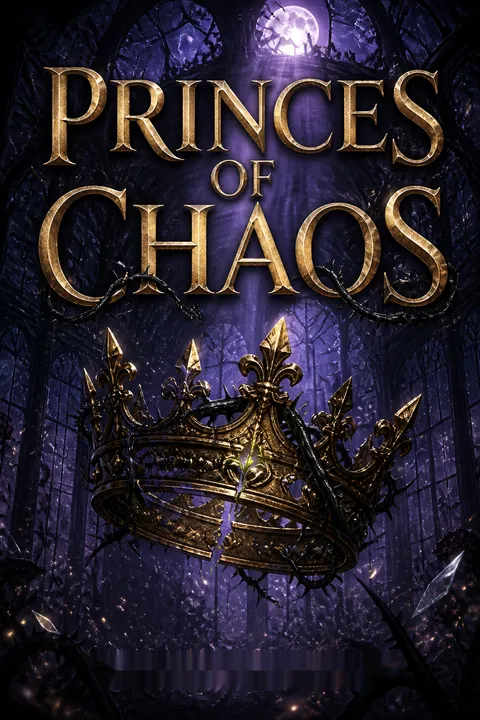

Plot Summary
Over the Bridge, Alone
Verity Sinclaire, a West End girl, is driven across the bridge into East End, Forsyth's most exclusive and dangerous kingdom. She's been invited to the Princes' masquerade, a rare event where a new Princess is chosen. Isolated and anxious, Verity steels herself for the challenge, knowing she's entering a world where she's an outsider. The Purple Palace looms, beautiful but foreboding, and the sense of being watched is immediate. Verity's only comfort is her connection to her West End friends, but she's acutely aware that she's on her own, about to face a trial that will test her body, mind, and loyalty.
Princes' Masquerade Selection
Inside the palace, Verity joins eleven other girls, all vying for the coveted role of Princess. The atmosphere is tense, competitive, and laced with cruelty. The girls are scrutinized for their beauty, fertility, and pedigree, but Verity stands out as an outsider—her only "qualification" being her medical records and her mother's reputation. The masquerade is a spectacle of wealth and tradition, but beneath the surface, it's a brutal selection process. The Princes—Wicker, Pace, and Lex—watch from behind the scenes, objectifying the candidates and making their own judgments, while Verity tries to remember her purpose: to infiltrate, survive, and report back to her true allies.
The Throne and the Covenant
Verity is chosen as Princess, but the honor is a façade. The initiation is a public, ritualized violation: she's forced to "break in" on a golden phallus attached to the throne, surrounded by the entire fraternity. Her blood is collected as proof of purity, and she's compelled to sign a thick, unreadable contract in her own blood. The Princes—resentful, angry, and bound by their own traumas—are forced to participate, and the ceremony is as much a punishment for them as for her. The covenant is clear: Verity's body is no longer her own, and her only value is as a vessel for the next heir.
The First Night's Ordeal
The night continues with a brutal, humiliating consummation. Verity is publicly "claimed" by Wicker, forced to endure sex in front of the entire fraternity as proof of her new status. The act is cold, violent, and devoid of intimacy, leaving her physically and emotionally shattered. The Princes are not willing participants—they're as trapped by the system as she is, each carrying their own wounds and resentments. Verity is left alone, bleeding and humiliated, but determined to survive and find a way to turn her suffering into power.
Brothers Bound by Trauma
The Ashby brothers—Wicker, Pace, and Lex—are not true Royals by blood, but adopted and molded by their ruthless father, King Ashby. Each is marked by trauma: Wicker is the charming, promiscuous one hiding deep wounds; Pace is haunted by prison and paranoia; Lex is the perfectionist, broken by addiction and his father's punishments. Their bond is fierce, forged in shared pain and survival, but their new roles as Princes force them into competition and complicity in the palace's cruel traditions. They resent their father, the system, and even Verity, but are unable to escape.
The Princess as Hostage
Verity's selection is revealed to be a calculated move in a larger game between the kingdoms. She is not a prize, but a hostage—her presence a means to control West End and keep the peace. Negotiations with the Dukes are tense, with threats of war and demands for blood. Verity is forced to confront her own expendability, realizing that her body is a bargaining chip, and her suffering is currency. The Princes, too, are pawns, manipulated by their father and the expectations of legacy.
Negotiations and Blood Debts
The power struggle between East and West intensifies. The Dukes demand compensation for Verity's loss, and the Princes are forced to carry out a brutal task: disposing of a traitor from West End. The act is both a test of loyalty and a reminder of the violence that underpins Forsyth's hierarchy. The brothers' complicity in torture and murder deepens their trauma, while Verity is left to navigate the shifting alliances and threats that surround her. The palace is a house of secrets, and every relationship is a potential betrayal.
The Medical Rituals
Verity's life becomes a cycle of medical exams, forced inseminations, and scheduled "deposits." Lex, the most clinical of the brothers, oversees her health and fertility with cold detachment, using syringes and procedures to maximize her chances of conception. The process is dehumanizing, reducing Verity to a vessel and the Princes to breeders. The rituals are invasive and painful, but also reveal moments of vulnerability and unexpected connection, as Verity and the brothers struggle with their roles and desires.
The Cycle of Deposits
The daily schedule of sexual "deposits" becomes a battleground for control and resistance. Each brother approaches Verity differently: Wicker with aggression and denial, Pace with manipulation and mind games, Lex with clinical detachment and suppressed longing. Verity learns to navigate their moods, using her own sexuality as both shield and weapon. The lines between consent and coercion blur, and the palace becomes a crucible where pain and pleasure are inseparable. The threat of failure—of not conceiving—hangs over them all.
The Solarium's Secret
Amidst the brutality, Verity finds solace in the palace's neglected solarium—a glass-walled garden choked with dead vines and memories. She begins to restore it, finding purpose in nurturing new life where none should grow. The solarium becomes a symbol of resistance and hope, a place where Verity can reclaim a piece of herself. It's also a site of secrets, where alliances are formed and truths are uncovered. The garden's struggle mirrors Verity's own, as she fights to survive and create meaning in a world designed to destroy her.
Family, Betrayal, and Loyalty
The boundaries between family and enemy blur as Verity's past collides with her present. Her mother, the legendary Mama B, confronts her choices, and the Dukes struggle with their own guilt and anger. The Ashby brothers' loyalty to each other is tested by their father's cruelty and the demands of legacy. Betrayals are revealed—Verity's secret communications with the Monarchs, the brothers' own secrets and failures—and the cost of loyalty becomes clear. In Forsyth, love is always conditional, and trust is a weapon.
The Fury and the Fight
The Friday Night Fury, Forsyth's legendary underground fight, becomes a stage for the Princes and their rivals to prove their worth. Pace's victory is tainted by violence and controversy, while Wicker's calculated self-destruction is a desperate bid for escape. The brothers' bodies and souls are battered, and Verity is forced to witness the consequences of their choices. The fight is both literal and metaphorical—a struggle for survival, power, and the right to define one's own fate.
The Royal Cleansing
When Verity's secret alliance with the Monarchs is exposed, the Princes enact the ultimate punishment: the Royal Cleansing. In a ritual of public degradation, Verity is sexually violated by the brothers and then by the entire fraternity, her body used as a canvas for their anger and shame. The act is filmed and sent to her family, ensuring her total isolation and humiliation. The Princes, high on drugs and rage, are both perpetrators and victims, their own humanity eroded by the system they serve.
The Aftermath of Ruin
In the days following the cleansing, Verity is a shell of herself, unable to eat, move, or feel. Stella, her handmaiden and secret ally, tries to coax her back to life, but the trauma is overwhelming. The Princes, too, are haunted by what they've done, their victory hollow and their relationships fractured. The palace is a mausoleum, filled with ghosts and regrets. The only question that remains is whether Verity will run, fight, or find a way to reclaim her power.
The Test of Creation
In the solarium, Verity faces a choice: to flee Forsyth and abandon her mission, or to stay and fight for a future where the cycle of violence can be broken. Stella reminds her that creation is an act of resistance, and Verity takes the ultimate test—a pregnancy test. The result will determine not only her fate, but the fate of the entire kingdom. The solarium, once dead, shows the first sign of new life, mirroring Verity's own fragile hope.
The Valentine's Day Reckoning
At the Valentine's Day ball, Verity enacts her own form of justice. In front of the entire kingdom, she exposes the Princes' secrets, playing footage of Lex's brutal punishment at the hands of his father. The act is both vengeance and confession, a public reckoning for all the pain she's endured. The Princes' power is shattered, and the truth of their own victimhood is laid bare. But Verity's final revelation—that she is pregnant—changes everything, shifting the balance of power once again.
Legacy Revealed
In the aftermath, King Ashby reveals the ultimate secret: Verity is his biological daughter, and the child she carries is the true heir to East End. The revelation redefines every relationship, every betrayal, and every act of violence. The cycle of legacy and trauma is both broken and perpetuated, as Verity's body becomes the battleground for the future of Forsyth. The story ends with the promise of new beginnings, but the scars of the past remain, etched into every character and every corner of the palace.
Analysis
Princes of Chaos is a harrowing, unflinching exploration of power, trauma, and survival in a world where tradition is weaponized and bodies are currency. The novel interrogates the ways in which systems of violence perpetuate themselves, using ritual, spectacle, and the language of legacy to justify cruelty and control. At its core, the story is about the struggle to reclaim agency in the face of dehumanization—about the possibility of creating meaning, hope, and even love in a world designed to destroy them. The characters are deeply flawed, shaped by their own wounds and the expectations of others, but their arcs are defined by moments of resistance, vulnerability, and connection. The novel refuses easy answers or redemption, instead insisting that survival is itself an act of defiance, and that creation—of life, of beauty, of new futures—is the ultimate form of power. In a modern context, Princes of Chaos is a dark mirror for conversations about consent, patriarchy, and the cost of complicity, challenging readers to confront the ways in which we are all shaped by the systems we inhabit, and to imagine what it might mean to break free.
People Also Read








Characters
Verity Sinclaire
Verity is the red-haired, strong-willed daughter of West End's infamous Mama B, raised to be a Royal but always an outsider. Her journey is one of forced transformation: from hopeful candidate to dehumanized vessel, from pawn to reluctant player. Verity's psychological arc is defined by trauma, resilience, and the struggle to reclaim agency in a world that commodifies her body and soul. Her relationships—with the Princes, her mother, and her friends—are fraught with betrayal and longing. Ultimately, Verity's greatest act of defiance is her refusal to be broken, and her choice to create meaning from suffering.
Whitaker "Wicker" Ashby
Wicker is the most outwardly charismatic of the Princes, using sex, humor, and bravado to mask deep wounds. Adopted into the Ashby family, he is secretly the last heir of the Baron bloodline, making him both a target and a prize. Wicker's promiscuity and aggression are coping mechanisms for trauma, and his relationship with Verity is a battleground for control and vulnerability. He craves love but fears it, and his complicity in the palace's violence is both a survival strategy and a source of shame. Wicker's arc is one of self-recognition, as he confronts the cost of his own actions and the possibility of redemption.
Pace Ashby
Pace is the most damaged of the brothers, shaped by a childhood in foster care, a stint in prison, and a deep-seated need for control. His relationship with Verity is marked by manipulation, surveillance, and a desperate hunger for connection. Pace's paranoia and possessiveness are both his armor and his undoing, and his love for his brothers is fierce but fraught. He is both victim and perpetrator, unable to break free from the cycles of violence and abuse that define his world. Pace's arc is one of reckoning—with his own darkness, his family's legacy, and the possibility of change.
Lagan "Lex" Ashby
Lex is the most intelligent and disciplined of the Princes, a pre-med student whose life is ruled by routine, achievement, and the need to please his father. His addiction to Viper Scratch and the scars on his back are testaments to the cost of perfection. Lex's relationship with Verity is complex: he is both her tormentor and her only source of tenderness, capable of both clinical detachment and primal passion. Lex's struggle is with impotence—literal and metaphorical—and his arc is one of learning to accept his own humanity, flaws and all.
King Rufus Ashby
The King of East End is a master of control, using tradition, ritual, and violence to maintain his power. He adopts the brothers not out of love, but as tools to secure his legacy. Ashby's cruelty is both systemic and personal, and his obsession with creation is a mask for his own emptiness. He is both the architect and the prisoner of Forsyth's brutal hierarchy, and his final revelation—that Verity is his daughter—recasts every act of violence as both personal and political.
Stella
Stella is Verity's handmaiden, assigned to care for her but secretly working for the Monarchs. Her chipper exterior hides a steely resolve and a deep understanding of Forsyth's dangers. Stella is both confidante and co-conspirator, helping Verity survive and ultimately reclaim her agency. Her presence is a reminder that resistance is possible, even in the darkest places.
Mama B
Verity's mother is a legend in West End, known for her strength, sexuality, and loyalty. Her relationship with Verity is fraught with expectation and disappointment, as she struggles to reconcile her own choices with her daughter's suffering. Mama B is both protector and judge, embodying the contradictions of Forsyth's women: powerful but constrained, loving but ruthless.
Lavinia Lucia
Lavinia is the Duchess of West End and Verity's closest ally. A survivor of her own traumas, Lavinia is both a source of support and a reminder of the cost of resistance. Her alliance with Verity is built on shared pain and the hope of change, but is tested by betrayal and the demands of loyalty. Lavinia's arc is one of leadership, as she fights to create a new future for Forsyth's women.
The Dukes (Sy, Nick, Remy)
The Dukes are Verity's family, friends, and would-be saviors. Their loyalty is fierce, but their own traumas and ambitions complicate their relationships with her. They are both victims and enforcers of Forsyth's system, struggling to balance love, power, and survival. Their arc is one of reckoning—with their own complicity and the limits of their protection.
The Fraternity (PNZ)
The fraternity is both a character and a force, embodying the collective will and violence of Forsyth's elite. They are the audience for Verity's suffering, the enforcers of tradition, and the beneficiaries of the system. Their presence is a constant reminder that in Forsyth, the personal is always political, and no one suffers alone.
Plot Devices
Ritualized Violence and Public Spectacle
The narrative is structured around a series of ritualized events—masquerades, thronings, cleansings, and ceremonies—that serve to enforce the hierarchy and dehumanize the participants. These spectacles are both personal and political, using the body as a site of power, punishment, and control. The public nature of the violence ensures complicity and silence, while the rituals themselves are designed to break the spirit and reinforce the system.
The Covenant and the Cycle of Deposits
The covenant is both a literal contract and a metaphor for the ways in which bodies are commodified and controlled. The cycle of sexual "deposits" is a relentless, dehumanizing routine, reducing sex to a mechanical act and conception to a duty. The contract is unreadable, signed in blood, and enforced through surveillance, punishment, and shame. The threat of failure—of not conceiving—is both a personal and collective anxiety, driving the characters to ever greater extremes.
Surveillance, Paranoia, and Power
The palace is saturated with surveillance—cameras, trackers, and spies—creating an atmosphere of constant paranoia. Every action is watched, recorded, and judged, and secrets are both currency and liability. The power dynamics are fluid, with every character both watcher and watched, betrayer and betrayed. The narrative uses foreshadowing and dramatic irony to heighten the sense of danger and inevitability.
Trauma, Addiction, and Psychological Warfare
The characters are shaped by trauma—physical, sexual, emotional—and their coping mechanisms are both destructive and adaptive. Addiction (to drugs, sex, power) is both a symptom and a weapon, used to control and to escape. The psychological warfare between characters is as brutal as the physical violence, with manipulation, gaslighting, and self-destruction as constant themes. The narrative structure mirrors this, using shifting perspectives and unreliable narration to keep the reader off balance.
The Solarium and the Garden
The solarium is a recurring symbol of hope, resilience, and the possibility of new life. Its restoration mirrors Verity's own struggle to reclaim agency and meaning. The garden is both a site of memory and a battleground for the future, where the possibility of creation is both a threat and a promise. The solarium's first green shoot is a moment of foreshadowing, signaling that even in the most barren places, life can take root.
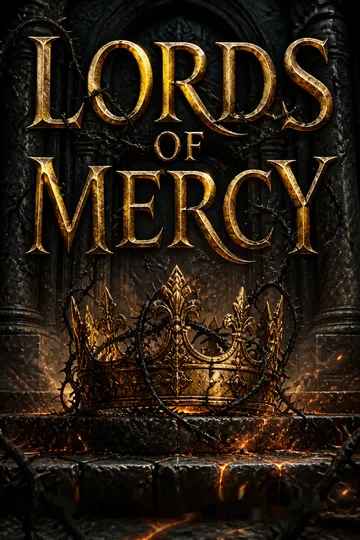
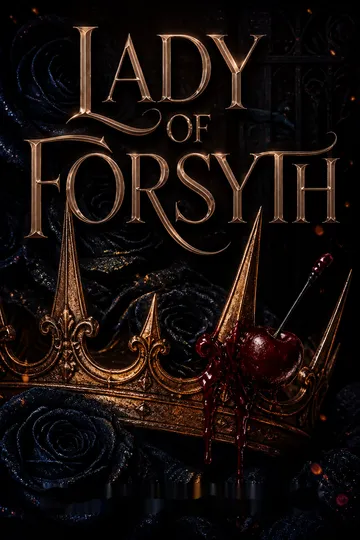
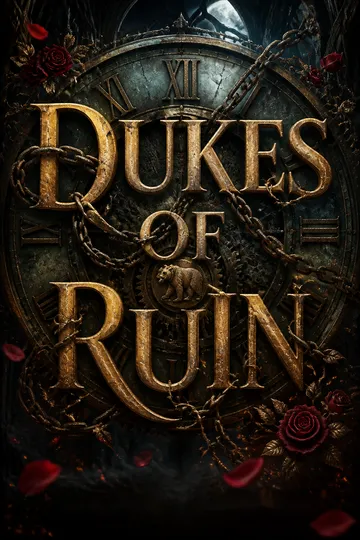
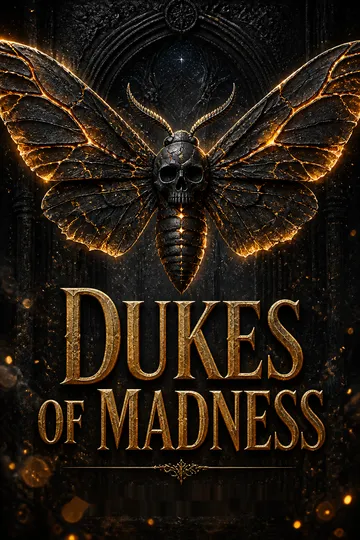
Royals of Forsyth University Series


Download PDF
Download EPUB
.epub digital book format is ideal for reading ebooks on phones, tablets, and e-readers.








































