
Plot Summary
Chains and Deceptions
Elle Charlston, heiress and CEO, is kidnapped by Greg, a childhood friend turned obsessive adversary. Bound and threatened, she's forced to confront the reality that those closest to her can be the most dangerous. Greg's delusions of love and power are revealed as he tries to coerce Elle into submission, using her company and body as leverage. Meanwhile, Elle's mind races with escape plans, her spirit refusing to break even as her body is bruised. The emotional weight of betrayal by someone she once trusted is compounded by the recent heartbreak from Penn, the enigmatic man who's both her savior and deceiver. The chapter sets the stage for a battle of wills, where Elle's resilience is tested against Greg's unraveling sanity.
The Abduction Game
As Greg drags Elle deeper into isolation, his intentions become more sinister. He chains her, strips her of dignity, and oscillates between threats and false tenderness. Elle's attempts at negotiation and resistance are met with violence and manipulation. The psychological warfare intensifies as Greg tries to rewrite their shared history, insisting on a future together that Elle vehemently rejects. The cabin becomes a prison, and Elle's only hope lies in her ability to outthink her captor. The emotional toll mounts, blending fear, anger, and a desperate longing for rescue. Greg's obsession is laid bare, revealing a man driven by jealousy and entitlement, blind to the reality of Elle's hatred and determination.
Penn's Pursuit
Penn Everett, haunted by his own lies and failures, discovers Elle's disappearance and is propelled into action. Beaten and threatened by Greg's hired thugs, Penn's guilt and desperation fuel his relentless search. He enlists the help of Larry, his loyal friend and lawyer, and Elle's father, piecing together clues that lead him from city streets to remote cabins. The narrative shifts between Penn's internal struggle—his love for Elle and his belief in his own unworthiness—and his external quest to save her. The urgency is palpable, as every delay could mean disaster. Penn's past as a survivor and fighter resurfaces, driving him to risk everything for the woman he can't let go.
Captive Hearts, Fractured Trust
Trapped and chained, Elle endures Greg's escalating abuse, clinging to hope and her own inner strength. Her thoughts drift to Penn, the man who betrayed her trust but remains her only hope for salvation. When Penn finally locates the hidden cabin, he witnesses the horror of Elle's captivity and Greg's imminent assault. A violent confrontation ensues, with Penn unleashing his rage and protective instincts. The rescue is brutal and cathartic, but the aftermath is fraught with unresolved pain. Elle is freed physically, but the emotional scars—her mistrust of Penn, her trauma from Greg—linger. The chapter ends with the promise of answers, but also the threat of new wounds.
The Rescue and the Reckoning
With Greg subdued and authorities on their way, Elle and Penn are forced into a reckoning. David, Elle's bodyguard, and Larry arrive, each with their own judgments and priorities. The chaos of the rescue gives way to a tense standoff—Penn wants to explain, Elle wants distance, and the law demands statements. The truth of Penn's past, his connection to Elle's original trauma, and the lies that have defined their relationship come to the surface. The emotional stakes are heightened as Penn is arrested for his violence against Greg, despite having saved Elle. The lines between victim and perpetrator blur, and both Elle and Penn are left questioning whether love can survive so many betrayals.
Prisoners of the Past
Penn is thrust back into the prison system, a place all too familiar. The narrative delves into his history of wrongful convictions, his battles with corrupt authorities—especially Chief Arnold Twig—and the friendships and betrayals that shaped him. Letters and memories reveal the depth of Penn's isolation and his struggle to maintain hope. Meanwhile, Elle grapples with guilt and helplessness, determined to fight for Penn's freedom but unsure how. The chapter explores themes of justice, redemption, and the enduring impact of trauma. Both protagonists are prisoners—Penn literally, Elle emotionally—bound by the past and uncertain of the future.
Bargains and Betrayals
As Penn languishes in jail, Elle and Larry work tirelessly to build a case for his innocence. The legal system proves slow and unforgiving, with Greg's testimony threatening to seal Penn's fate. Elle, refusing to be powerless, confronts Greg in the hospital, offering him a fortune to recant his lies. The moral cost of this bargain weighs heavily, but Elle's love for Penn overrides her scruples. The chapter is a study in sacrifice—Elle's willingness to risk her reputation and fortune, Penn's struggle to accept help, and the corrosive effects of betrayal. The stakes are raised as the trial approaches, with everyone's future hanging in the balance.
Truths on Trial
The trial becomes a crucible for truth and lies. Larry's defense exposes the corruption of Chief Twig, the manipulations of Greg, and the injustices Penn has suffered. Elle testifies, revealing her ordeal and her unwavering love for Penn. Greg, under pressure and motivated by Elle's bribe, unexpectedly recants his accusation, shifting the momentum of the case. The courtroom drama is intense, with shifting allegiances, emotional testimonies, and the ever-present threat of injustice. The chapter captures the agony of waiting for a verdict, the catharsis of truth revealed, and the bittersweet realization that even victory comes at a cost.
Letters Across Barriers
During Penn's imprisonment and the trial's delays, he and Elle exchange letters that become lifelines. These missives are raw, intimate, and confessional, bridging the physical and emotional distance between them. Through their words, they confront their fears, confess their love, and find solace in shared vulnerability. The letters reveal the depth of their bond, the pain of separation, and the hope that sustains them. This chapter is quieter, more introspective, but no less powerful—showing that love endures even when bodies are caged and futures are uncertain.
The Price of Freedom
With Greg's testimony changed and the case against Penn collapsing, he is finally released. The joy of freedom is tempered by the scars left behind—on Penn's body, on Elle's heart, and on their reputations. The media frenzy, public judgment, and lingering trauma threaten to pull them apart even as they yearn to be together. Penn, feeling unworthy and fearing he will ruin Elle's life, contemplates leaving her for her own good. Elle, devastated by the prospect of losing him, must decide whether to fight for their love or let him go. The chapter is a meditation on what freedom truly costs and whether love can survive its price.
Love in Lockdown
Refusing to accept Penn's self-sacrifice, Elle chases after him, determined to reclaim their future. Their reunion is explosive—full of anger, confession, forgiveness, and finally, surrender. They confront the pain they've caused each other, the lies they've told, and the fears that have kept them apart. In a night of passion and vulnerability, they rediscover each other, healing old wounds and forging a new bond. The world outside may still judge them, but within the sanctuary of their love, they find peace. The chapter is a celebration of resilience, intimacy, and the power of choosing each other against all odds.
The Final Verdict
The aftermath of the trial brings both closure and new challenges. Chief Twig's corruption is exposed, Greg faces his own reckoning, and Penn's name is finally cleared. Elle and Penn navigate the complexities of public scrutiny, family expectations, and the lingering effects of trauma. Their love, tested by fire, emerges stronger—tempered by honesty and mutual respect. The chapter is both an ending and a beginning, as they step into a future shaped by hard-won freedom and the promise of a life together.
Sacrifice and Separation
Despite their victory, Penn is haunted by the damage his presence brings to Elle's life and legacy. In a moment of painful clarity, he decides to leave, believing it's the only way to protect her and Belle Elle. Elle is shattered by his departure, forced to confront the reality that love sometimes means letting go. Her father, witnessing her heartbreak, has a change of heart and urges her to fight for what truly matters. The chapter is a poignant exploration of sacrifice, pride, and the courage it takes to choose love over fear.
The Chase for Forgiveness
Refusing to accept Penn's decision, Elle tracks him down, armed with the truth of her own heart and the conviction that they belong together. Their confrontation is raw and cathartic—Elle demands that Penn stop trying to protect her by pushing her away, and Penn finally admits his own fears and vulnerabilities. The barriers between them crumble as they realize that their love is worth any risk. Forgiveness is granted, wounds are acknowledged, and the promise of a shared future is renewed. The chapter is a testament to the power of persistence and the necessity of forgiveness in love.
Reunion and Redemption
Reunited, Elle and Penn refuse to let the past dictate their future. They embrace their love openly, facing down public scrutiny and family concerns. Their relationship, once built on lies and misunderstandings, is now founded on honesty, trust, and mutual support. Together, they confront the challenges ahead—rebuilding reputations, healing from trauma, and planning a life together. The chapter is filled with hope, laughter, and the quiet joy of ordinary moments shared. Redemption is not just legal, but personal—a reclamation of self and love.
Love's New Beginning
In the aftermath of so much turmoil, Elle and Penn find peace in each other. Their engagement becomes real, their families unite, and their shared dreams take shape. The scars of the past remain, but they are no longer wounds—just reminders of battles fought and won. The story closes on a note of celebration and anticipation, as Elle and Penn look forward to a future defined not by chains or lies, but by the truth and freedom they fought so hard to claim. Love, at last, is their throne of truth.
Analysis
A modern dark romance about truth, trauma, and the redemptive power of loveThrone of Truth is a gripping exploration of how lies—both those told to others and those we tell ourselves—can imprison us as surely as any chain. Through the harrowing ordeal of Elle's abduction and Penn's wrongful imprisonment, the novel interrogates the nature of trust, the corrosive effects of shame, and the courage required to claim one's own story. Winters crafts a narrative that is both a psychological thriller and a deeply emotional love story, refusing to shy away from the complexities of trauma, consent, and forgiveness. The legal and social obstacles faced by the protagonists are not merely plot devices, but reflections of real-world injustices—reminding readers that freedom is often hard-won, and that love, to endure, must be built on truth. Ultimately, the novel's message is one of hope: that even the most broken can be made whole, that redemption is possible, and that love—when chosen and fought for—can be both throne and sanctuary.
Review Summary
Throne of Truth received mostly positive reviews, with readers praising its emotional depth, character development, and satisfying conclusion to the duet. Many enjoyed the revelations about Penn's past and the intense chemistry between the main characters. Some felt the pacing was slow at times and that certain plot elements were far-fetched. Overall, reviewers found it an engaging, suspenseful romance with compelling twists and a satisfying ending, though a few were disappointed by aspects of the story or character portrayals.
People Also Read



Characters
Elle Charlston
Elle is the CEO of Belle Elle, a woman born into privilege but shaped by adversity. Her journey is one of transformation—from sheltered heiress to a woman who confronts violence, betrayal, and her own vulnerabilities. Elle's relationships are complex: she is both victim and fighter, torn between the expectations of her family and the demands of her heart. Her love for Penn is both her greatest strength and her deepest wound, forcing her to confront the limits of forgiveness and the cost of trust. Elle's psychological arc is defined by her refusal to be defined by others—she claims agency even in captivity, negotiates with her enemies, and ultimately chooses love on her own terms. Her development is a testament to resilience, courage, and the power of self-determination.
Penn Everett
Penn is a man marked by trauma, injustice, and a lifetime of survival. Wrongly convicted, shaped by the streets, and burdened by secrets, he is both fiercely protective and deeply insecure. His love for Elle is transformative but also self-destructive—he believes himself unworthy, fears ruining her life, and struggles to accept happiness. Penn's psychological journey is one of redemption: he must confront his own capacity for violence, his history of lies, and his fear of intimacy. His relationship with Elle is both a source of salvation and a crucible for his deepest wounds. Through love, Penn learns to trust, to forgive, and to claim a future he never believed possible. His arc is a study in vulnerability, masculinity, and the long road to self-acceptance.
Greg Hobson
Greg is the embodiment of toxic entitlement and unrequited obsession. Raised alongside Elle, he believes himself owed her love, her company, and her future. His psychological unraveling is marked by delusion, violence, and a refusal to accept reality. Greg's actions—kidnapping, abuse, and betrayal—are driven by a desperate need for validation and control. He is both pitiable and monstrous, a man destroyed by his own inability to let go. His eventual downfall is a cautionary tale about the dangers of unchecked desire and the corrosive effects of envy.
Larry Barns
Larry is Penn's anchor in a world of chaos—a lawyer who becomes family, offering not just legal aid but unconditional support. He is wise, resourceful, and unflinchingly honest, guiding both Penn and Elle through the labyrinth of the justice system. Larry's own history of loss and redemption informs his empathy and tenacity. He is a stabilizing force, a voice of reason, and a champion for second chances. His relationship with Penn is paternal, marked by tough love and deep respect, while his bond with Elle is one of mutual trust and shared purpose.
Joseph Charlston
Elle's father is a man torn between love for his daughter and loyalty to the family legacy. His initial resistance to Penn is rooted in fear—of scandal, of loss, of change. Yet, witnessing Elle's suffering and Penn's devotion, he evolves, ultimately supporting their union. Joseph's arc is one of letting go—of control, of prejudice, and of the past. His journey mirrors the generational tensions at the heart of the story, as he learns that true protection sometimes means stepping aside.
Stewie Steel
Stewie is a young boy caught in the crossfire of adult conflicts. His relationship with Penn is one of trust and admiration, while his connection to Elle is marked by loyalty and a desire to help. Stewie's innocence and resilience provide a counterpoint to the darkness of the adult world. He is a reminder of what is at stake—the possibility of a better future, the importance of kindness, and the enduring power of found family.
Chief Arnold Twig
Chief Twig is the architect of Penn's suffering—a man who wields power without conscience. His manipulation of the legal system, willingness to frame the innocent, and protection of his own son make him a formidable antagonist. Twig's psychological profile is one of entitlement, paranoia, and moral decay. He represents the systemic barriers to justice and the personal vendettas that can destroy lives. His eventual exposure is both a personal and societal reckoning.
David
As Elle's bodyguard, David is a constant presence—calm, competent, and fiercely loyal. He navigates the line between professional duty and personal care, often acting as a surrogate family member. David's perspective is pragmatic, offering grounding advice and physical protection. His development is subtle but significant, as he learns to trust Elle's judgment and support her choices, even when they defy convention.
Fleur
Fleur is Elle's assistant and confidante, providing both emotional support and practical help. She is resourceful, witty, and unafraid to challenge Elle when necessary. Fleur's loyalty is unwavering, and her presence offers moments of levity and normalcy amidst chaos. She represents the importance of friendship and the value of having someone in your corner.
Gio Steel
Once an enemy, Gio's journey mirrors Penn's—wrongly accused, shaped by hardship, and ultimately seeking a better path. His relationship with Stewie and eventual alliance with Penn and Elle underscore the novel's themes of forgiveness and transformation. Gio's arc is a testament to the possibility of change, even for those most lost.
Plot Devices
Dual Narratives and Shifting Perspectives
The novel employs a dual narrative structure, alternating between Elle and Penn's perspectives. This device allows readers to inhabit both protagonists' inner worlds, experiencing events through their unique lenses. The shifting viewpoints heighten tension, reveal misunderstandings, and create dramatic irony—readers know more than the characters, amplifying suspense and empathy. The structure also mirrors the central theme: two people, separated by lies and circumstance, struggling to find common ground.
Letters and Nonlinear Storytelling
The use of letters during Penn's incarceration serves as both a narrative bridge and an emotional lifeline. These missives provide insight into the characters' deepest fears, hopes, and regrets, offering a raw intimacy that dialogue alone cannot achieve. The nonlinear inclusion of past events—flashbacks to Penn's earlier imprisonments, the original alley encounter—enriches the present narrative, revealing how history shapes identity and choice.
Symbolism and Motifs
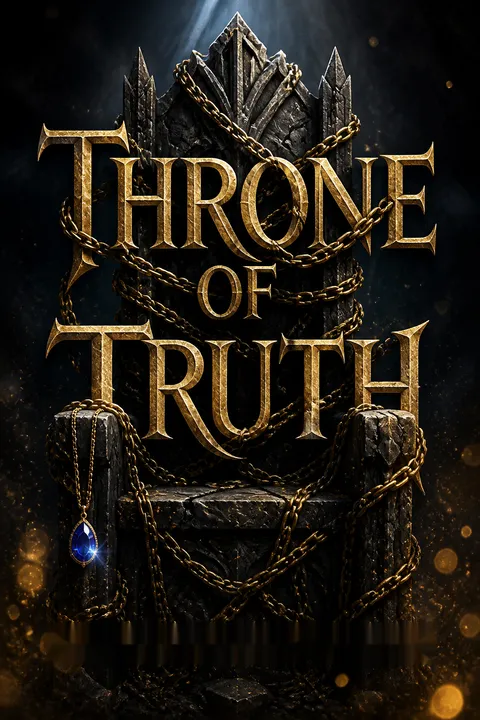
The sapphire star necklace is a recurring symbol—of innocence lost, debts unpaid, and the possibility of redemption. Chains and cuffs represent both literal and metaphorical bondage, while acts of rescue and sacrifice underscore the novel's exploration of agency and power. The motif of running—whether from danger, the law, or the truth—echoes throughout, culminating in the characters' decision to stop running and face their pasts together.
Legal and Social Realism
The plot is driven by the realities of the legal system—slow, biased, and often unjust. The courtroom scenes are meticulously crafted, using cross-examination, evidence, and witness testimony to unravel the central mysteries. The impact of media and public opinion is woven throughout, illustrating how reputation can be weaponized and how love must sometimes be defended in the court of public opinion as much as in law.
Redemption and Second Chances
The narrative is structured around the possibility of change—both personal and systemic. Characters are given opportunities to atone, to forgive, and to rebuild. The plot's resolution hinges not just on legal vindication, but on the willingness of Elle and Penn to forgive themselves and each other, to claim happiness despite scars.
Truth and Lies Duet Series Series


About the Author







Download PDF
Download EPUB
.epub digital book format is ideal for reading ebooks on phones, tablets, and e-readers.








































