
Key Takeaways
1. The Zorg: Unveiling History's Hidden Atrocity
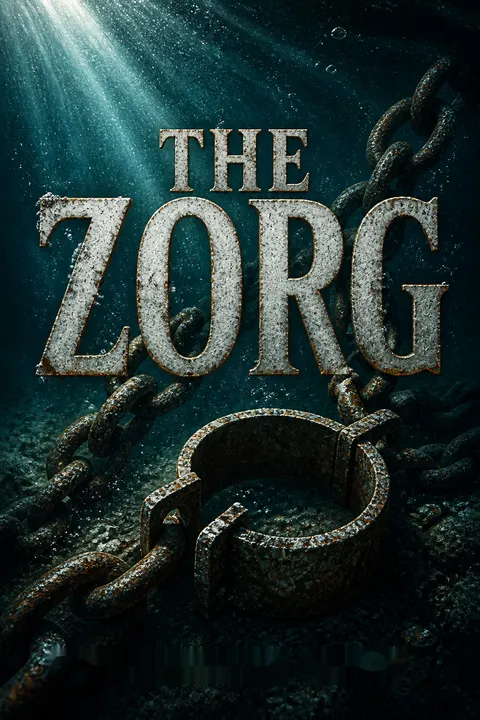
The truth is, there was never any British slave ship by the name of Zong. It was a Dutch ship, the Zorg, which means “care” in Dutch—an unintended irony.
A historical misnomer. For over 240 years, the infamous slave ship responsible for a mass murder of Africans was known as the "Zong." However, meticulous research reveals this to be a transcription error; the vessel was actually Dutch, named the "Zorg," meaning "care." This initial inaccuracy foreshadows deeper truths obscured by time, bias, and silenced voices, highlighting how easily historical narratives can be distorted.
Beyond a name. The correction of the ship's name from Zong to Zorg is more than a semantic detail; it's the first step in uncovering the full, brutal story. This Dutch ship, later captured by the British, became the stage for an atrocity that, once exposed, would ignite the nascent abolitionist movement. The irony of a ship named "Care" becoming synonymous with such profound inhumanity underscores the moral bankruptcy of the Atlantic slave trade.
A catalyst for change. The Zorg's journey, fraught with violence and greed, inadvertently showed the world the true nature of the slave trade. It became a symbol, demonstrating for the first time that the system was morally indefensible. The subsequent exposure of the Zorg murders directly led to the first organized movement to abolish slavery in England, setting in motion a chain of events that would eventually lead to emancipation across the British Empire and beyond.
2. Liverpool's Empire: Built on the Blood of Slaves
“Beyond doubt,” wrote one historian, “it was the slave trade which raised Liverpool from a struggling port to be one of the richest and most prosperous trading centres in the world.”
Economic engine. The Atlantic slave trade was the undisputed engine of Liverpool's meteoric rise to global economic prominence. What began as a modest port transformed into a superpower, largely fueled by the immense profits generated from trafficking Africans. This wealth permeated nearly every aspect of British society, making slave merchants extraordinarily rich and financing further voyages.
Triangular trade. Liverpool became the dominant force in the globalized "triangular trade" system:
- British ships sailed to Africa, bartering goods for slaves.
- Slaves were transported across the Atlantic to the Caribbean.
- Survivors were sold for proceeds used to buy sugar, rum, cotton, and tobacco produced by slave labor.
- These goods were then transported back to England for profit.
This cycle generated "the great annual return of wealth" that dazzled modest earners and fueled dreams of riches.
Infrastructure and influence. The city's innovative dock system, starting with the Old Dock in 1715, dramatically reduced unloading times, giving Liverpool a competitive edge over other British ports. This infrastructure attracted massive investment into the slave trade, allowing Liverpool to eventually account for 82% of all slaves trafficked by the British and an astonishing 40% of the entire European slave trade. The city's elite, like William Gregson, rose from humble beginnings to positions of immense power and prestige, their fortunes inextricably linked to human bondage.
3. The Middle Passage: A Calculated Hell
“The stench of the hold while we were on the coast was so intolerably loathsome, that it was dangerous to remain there for any time, and some of us had been permitted to stay on the deck for the fresh air; but now that the whole ship’s cargo were confined together, it became absolutely pestilential.”
Floating prisons. The Zorg, like all slave ships, was meticulously designed to maximize human cargo, transforming its 'tween deck into a suffocating, sewage-crusted prison. Slaves were crammed "like books upon a shelf," with insufficient space to sit upright, enduring unimaginable heat, humidity, and the constant pitching of the vessel. This calculated overcrowding, combined with abysmal sanitation, created a "scene of horror almost inconceivable."
Daily torment. The routine of the Middle Passage was a relentless cycle of dehumanization and suffering. Slaves were brought to deck for brief periods of washing, forced feeding (often with the brutal speculum oris), and coerced "dancing" for exercise, all under the constant threat of the cat-o'-nine-tails. Women and children, though sometimes unshackled, faced the additional horror of rape by the crew.
Disease and despair. Dysentery, scurvy, and other crowd diseases ravaged the tightly packed holds, turning the 'tween deck into a "slaughterhouse" filled with "blood, filth, misery, and disease." The high mortality rate was a constant concern for captains, who sought to keep enough slaves alive to turn a profit. For the Africans, the journey was a descent into "fixed melancholy," where death often seemed preferable to continued existence in such a "horrid portion of the voyage."
4. A Captain's Delirium, A Passenger's Plot
For some reason, Luke Collingwood appointed Robert Stubbs to take command of the Zorg. It was a highly unorthodox decision.
Leadership vacuum. As the Zorg endured its extended Middle Passage, Captain Luke Collingwood succumbed to illness, likely dysentery, falling into a state of "delirium, or a fit of lunacy." This incapacitated the ship's commander and surgeon, leaving a diminished and sickly crew vulnerable. Standard maritime procedure dictated that First Mate James Kelsall, the ship's most experienced navigator, should assume command.
Stubbs's ascent. Instead, Collingwood appointed Robert Stubbs, a mere passenger, as captain. Stubbs, a disgraced former governor of Anomabu fort with a history of self-dealing and bankruptcy, had boarded the Zorg after failing to secure passage home on other ships. This "wicked and treacherous character," who had abandoned his own son in Africa, now found himself in command, a decision likely influenced by his ambition and Collingwood's impaired judgment.
Kelsall sidelined. Kelsall, the ablest navigator, was not only passed over but subsequently relieved of duty and confined to quarters by Collingwood, possibly at Stubbs's instigation. This move effectively silenced Kelsall's journal, which documented the ship's blunders and the captain's deteriorating state. With Stubbs at the helm and Kelsall sidelined, the Zorg was steered towards a catastrophic decision, unburdened by experienced navigation or moral restraint.
5. The Zorg Massacre: Murder for Insurance
“It was then determined by the general voice of the crew that part of the slaves should be destroyed to save the rest, and the remainder of the slaves and crew put on short allowance to save them from perishing.”
A fatal miscalculation. After an extended Middle Passage, Robert Stubbs's botched longitude reading led the Zorg hundreds of miles past Jamaica, leaving the ship with only a four-day water supply. Faced with a dire situation, the crew, under Stubbs's command, made a chilling decision: to jettison slaves to conserve water and claim insurance for their loss. This was an unprecedented act, as insurance typically covered only deaths from insurrection, not deliberate murder.
The horror unfolds. The massacre began on November 29, 1781.
- 55 women and children, including Sia and her baby, were thrown "alive singly through the cabin windows... into the sea and drowned."
- On December 1, 42 men, "handcuffed and in irons," were dragged from the hold and thrown overboard from the quarterdeck.
- Kojo, an English-speaking slave, pleaded with Kelsall, offering to forgo food and water if spared, but was thrown overboard.
- Another 26-36 Africans were subsequently jettisoned.
The crew continued the killings even after it rained, collecting "6 casks of rain" on December 1st, revealing the true motive was not solely water scarcity.
A calculated fraud. The Zorg eventually reached Jamaica with water still on board, exposing the "deplorable necessity" as a lie. The fact that women, children, and likely the sickest slaves were thrown overboard first suggests a calculated scheme to maximize insurance claims for less valuable "property." This act of "complicated guilt" transformed the tragedy from a maritime accident into a cold-blooded insurance fraud, setting the stage for a legal battle that would expose the slave trade's inherent barbarity.
6. The Guildhall Trial: Slaves as Property, Not People
The matter left to the jury was, whether it was from necessity, for they had no doubt (though it shocks one very much) the case of the slaves was the same as if horses had been thrown over board; it is a very shocking case.
An unprecedented claim. William Gregson, the Zorg's owner, filed an insurance claim for the 150 slaves thrown overboard, an act never before covered by maritime insurance. The trial, Gregson v. Gilbert, took place in London's Guildhall in March 1783, presided over by Chief Justice Lord Mansfield. Gregson's declaration framed the massacre as an unavoidable calamity caused by "perils of the sea" and an unforeseeable lack of water, necessitating the jettison.
Stubbs's testimony. Robert Stubbs, the passenger-turned-captain, was the sole witness for Gregson, testifying to the "absolute necessity" of the jettison. However, his account contained discrepancies regarding the timeline and number of deaths, raising suspicions among the underwriters. Mansfield's infamous statement, equating the lives of slaves to "horses thrown overboard," underscored the legal perception of Africans as mere property, not human beings with rights.
A verdict of convenience. The jury, after a brief deliberation, sided with Gregson, ordering the underwriters to pay £30 per slave. This decision, made without document discovery or thorough scrutiny, allowed the perpetrators to "glory in the infamy" of their actions. The underwriters, sensing fraud and unable to challenge Stubbs's testimony effectively, were determined to fight back, setting the stage for a crucial re-examination of the case.
7. The Anonymous Catalyst: A Letter That Changed History
To the Printer of the Morning Chronicle. Sir, I had the pleasure of hearing a sermon preached lately before the Society for Propagating Christian Knowledge, at Bow church.
A voice in the darkness. Twelve days after the Guildhall trial, an anonymous letter appeared in the Morning Chronicle, and London Advertiser, exposing the horrific details of the Zorg massacre to the British public. The author, deeply troubled by the trial's outcome, meticulously recounted the events: the ship's navigational errors, the ample water supply, and the cold-blooded jettison of 132 Africans, including women and children.
Moral outrage. The letter challenged the legal premise that the crew was merely following orders, especially from a captain in "a fit of lunacy." It reframed the case from a mercenary insurance dispute to one of "horrid deed" and "murther," appealing to the public's conscience. The author's poignant call for empathy, asking readers to imagine the slaves' despair, was a revolutionary idea in 1783, shifting the narrative from property loss to human tragedy.
Igniting a movement. This single act of conscience proved to be the catalyst for the abolitionist movement. Olaudah Equiano, a former slave, read the letter and immediately brought it to Granville Sharp, the tireless advocate for African rights. The letter's revelations spurred Sharp to action, leading to a motion for a new trial that would force a deeper, public examination of the Zorg's atrocities and the inherent evils of the slave trade.
8. Granville Sharp: The Unyielding Champion of Liberty
“Gustavas Vasa,” Sharp wrote in his diary, “called on me, with an account of one hundred and thirty negroes being thrown alive into the sea, from on board an English slave ship.”
A life dedicated to justice. Granville Sharp, a self-taught legal scholar, had already spent years fighting for African rights, notably securing the freedom of James Somerset in 1772, a landmark case that challenged the legality of slavery on British soil. When Olaudah Equiano (Gustavus Vassa) brought him the anonymous letter detailing the Zorg massacre, Sharp immediately recognized its profound significance.
Relentless pursuit. Sharp sprang into action, seeing the Zorg case as an undeniable argument against slavery. He:
- Fired off letters to the Admiralty, demanding murder charges against the crew.
- Met with the insurers' counsel to plan a new legal strategy.
- Filed a motion for a new trial in the Court of King's Bench, seeking document discovery.
- Employed a shorthand writer to transcribe the proceedings, creating a vital public record.
Sharp's meticulous efforts ensured that the Zorg's horrors would not be buried, but rather exposed to the full light of public scrutiny.
Moral imperative. Sharp's advocacy transcended legal technicalities; he framed slavery as a violation of both human and divine law. He warned England of God's wrath for its participation in the slave trade, viewing calamities like the American Revolutionary War as divine punishment. His unwavering commitment to the "rights & essential interest of humanity" transformed the Zorg case from a mere insurance dispute into a powerful moral indictment of the entire system of human bondage.
9. Thomas Clarkson's Crusade: Documenting the Indefensible
“In this precious book,” Clarkson wrote, “I found almost all I wanted.”
A scholarly awakening. Thomas Clarkson, a brilliant divinity student, was initially "wholly ignorant" of the slave trade until he undertook an essay contest on its lawfulness. Anthony Benezet's abolitionist tract, "Some Historical Account of Guinea," proved to be his "precious book," igniting a profound sense of moral outrage. Clarkson's essay, which explicitly cited the Zorg massacre, won first prize and marked his commitment to ending slavery.
The investigator. Clarkson dedicated his life to gathering irrefutable evidence against the slave trade. He embarked on an ambitious human rights investigation, traveling thousands of miles across England to:
- Interview sailors, captains, and surgeons, including Alexander Falconbridge.
- Document the horrific conditions inside slave holds.
- Collect instruments of torture: manacles, thumbscrews, the speculum oris.
- Analyze muster rolls, revealing high mortality rates for both Africans and British seamen.
His meticulous research provided the empirical foundation for the abolitionist cause.
Visualizing horror. Clarkson's most impactful contribution was the schematic of the Brookes slave ship, illustrating how slaves were packed "like sardines in a box." This image, printed and distributed widely, made an "instantaneous impression of horror upon all who saw it," providing undeniable proof of the trade's barbarity. Alongside pamphlets, petitions, and the iconic "Am I not a man and a brother?" medallion, Clarkson's work transformed public opinion and armed Parliament with the evidence needed to challenge the entrenched system.
10. The Dolben Act: First Steps to Curb Barbarity
The Dolben Act became the “first bill that ever put fetters upon the barbarous and destructive monster, the slave-trade.”
Legislative response. The shocking revelations of the Zorg massacre, amplified by Granville Sharp's relentless advocacy and Thomas Clarkson's burgeoning evidence, forced Parliament to confront the realities of the slave trade. In 1788, Sir William Dolben, an ally of William Wilberforce, introduced a bill aimed at improving conditions on slave ships, marking the first legislative attempt to regulate the "barbarous and destructive monster."
Curbing excesses. The Dolben Act directly addressed the overcrowding and insurance fraud exposed by the Zorg case. It stipulated:
- Maximum capacity: two slaves per ton for the first 200 tons, and one slave per ton thereafter. (The Zorg had four slaves per ton).
- Elimination of the "all other perils, losses, and misfortunes" clause in insurance policies.
- No recovery for mortality due to "natural death or ill treatment," or for "throwing overboard of slaves, on any account whatsoever."
This act aimed to prevent future atrocities like the Zorg massacre from being profitable, significantly reducing the incentive for captains to jettison slaves for insurance claims.
A partial victory. While the Dolben Act did not abolish the slave trade, it was a crucial first step, improving conditions and reducing mortality rates on British slave ships. It demonstrated that Parliament could, and would, intervene in the trade, laying the groundwork for future abolitionist legislation. The act effectively closed the loophole that William Gregson had attempted to exploit, ensuring that no slave merchant would again profit from the deliberate murder of human beings.
11. From Zorg to Freedom: The Empire's Long Abolition
The downfall of slavery under British power meant the downfall of slavery, ultimately, under American power, and the downfall of negro slavery everywhere.
A protracted struggle. The Zorg massacre and the subsequent abolitionist movement initiated by Sharp and Clarkson sparked a decades-long battle against the deeply entrenched system of slavery. Despite initial setbacks, including parliamentary defeats and the French Revolutionary Wars, the movement gained momentum through tireless advocacy, public campaigns, and the growing moral outrage of the British populace.
Key milestones:
- 1806 Foreign Slave Trade Act: Prohibited slave trading with French allies, effectively negating over half of the British slave trade.
- 1807 Act for the Abolition of the Slave Trade: Outlawed the slave trade, making Britain the first slaveholding nation to do so. This was a direct result of the Zorg's exposure.
- 1832 Representation of the People Act: Expanded male suffrage, reducing the influence of pro-slavery MPs.
- 1833 Slavery Abolition Act: Abolished slavery throughout the British Empire, though with concessions like compensation to slave owners and a period of "apprenticeship" for slaves.
This culminated in full emancipation on August 1, 1838, a date celebrated by Frederick Douglass as a "victory for the whole human race."
A global ripple. The British abolition of slavery had profound global implications, inspiring movements in America and beyond. The Zorg, initially a symbol of unimaginable cruelty, became a powerful testament to the human capacity for conscience and the relentless pursuit of justice. Its story, brought to light by courageous individuals, ultimately contributed to the dismantling of a barbaric institution that had thrived for centuries.
12. James Ramsay: The Voice Behind the Veil
I believe there is sufficient evidence to conclude that Bishop Porteus’s friend in Kent, who told him about the Gregson v. Gilbert trial, and who was working on a book in 1783 that was soon to be released—is James Ramsay.
The anonymous author. The anonymous letter published in the Morning Chronicle, which galvanized Granville Sharp and the abolitionist movement, remained a mystery for centuries. However, a careful examination of historical records and cross-referencing reveals compelling evidence that its author was James Ramsay, a vicar in Kent and a pioneering abolitionist.
Ramsay's journey. Ramsay's life experiences uniquely positioned him to expose the Zorg's horrors:
- Naval surgeon: He volunteered on a slave ship in distress, witnessing the "bloody flux" and appalling conditions firsthand.
- Caribbean vicar: He served on Saint Kitts for 14 years, observing and criticizing the brutal treatment of slaves on sugar plantations, earning the ire of planters.
- Abolitionist ally: He became a key member of the "Testonites" abolitionist group, alongside Bishop Beilby Porteus and Charles Middleton.
His forthcoming book, "An Essay on the Treatment and Conversion of African Slaves," was mentioned by Porteus in a sermon, further linking him to the anonymous letter's opening reference.
Courageous truth-teller. Ramsay's decision to publish anonymously was likely driven by fear of reprisal from powerful pro-slavery forces, having already faced severe harassment in Saint Kitts. His book, published in 1784, provided the first eyewitness accounts of Caribbean slavery's brutalities, drawing further attacks. Despite the personal cost, Ramsay's "complicated guilt" over his past and his unwavering commitment to justice ensured the Zorg massacre was revealed, igniting a fire that would not be extinguished until an Empire's slaves were free.
Review Summary
The Zorg by Siddharth Kara receives overwhelmingly positive reviews (4.26/5) for its meticulous research into the 1781 slave ship disaster that helped spark abolition. Readers praise Kara's detailed account of how 132+ enslaved Africans were murdered during a catastrophic voyage, and the subsequent insurance trial that exposed slavery's horrors to the British public. While some found the extensive detail occasionally dry or overwhelming, most commend the book's unflinching examination of the slave trade's brutality and the activism it inspired, calling it essential, timely, and powerfully written history.
People Also Read


Download PDF
Download EPUB
.epub digital book format is ideal for reading ebooks on phones, tablets, and e-readers.








































