
Plot Summary
Nightmare Returns: White Nothingness
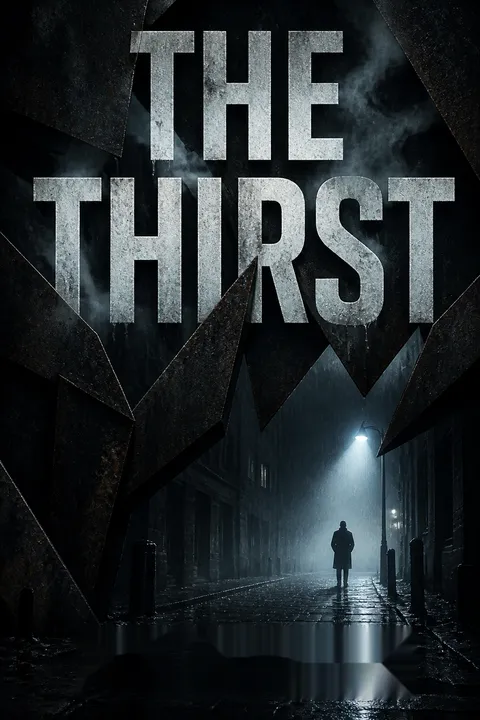
After years of fragile domestic happiness, Harry Hole is startled awake by a nightmare that merges his past with his present. A shadow from a failed case lingers in his subconscious, and his night terrors now blend with memories of old hunts, loss, and the relentless presence of the killer he never caught. Meanwhile, far from Harry's domestic bliss, a mysterious figure emerges from a Turkish bath, his body bearing scars and a demonic tattoo, preparing to return to life's "well"—to kill again. With an unsettling sense of déjà vu, Harry continues to both fear and crave the dark dance that once made him whole, even as his wife Rakel tries to draw him back to the world of the living. The city and its detective are about to be awakened.
Tinder Promises, Bloody Shadows
In Oslo's hip Jealousy Bar, Elise Hermansen endures an awkward Tinder date, eventually choosing to walk home alone. On her way, she brushes by two drunk men—minor threats compared to the true danger lurking close. As Elise goes through the motions of ending her digital dating life, she's stalked, confronted, and ultimately murdered in her own home by a man with iron, animal-like teeth. Her death is brutal, leaving behind gruesome evidence and a city on edge. This killing announces a new kind of monster stalking women, one that preys upon loneliness and the calculated vulnerabilities of dating apps, quietly blending into the urban shadows.
Thirst for Justice Awakens
Detective Katrine Bratt leads the Crime Squad's initial probe into Elise's murder. The evidence reveals a chilling technique—the killer drank her blood, using a contraption of iron teeth and leaving behind only puzzle pieces. Team dynamics are tense: egos clash, old resentments simmer, and Bratt feels the pressure of leading a team suspicious of her leadership. As more details emerge—including the likelihood that the killer stalked his victim in her supposedly safe home—Harry's name is whispered as the only one who can understand this predator. Meanwhile, city politics weave in: power struggles, press hounds, and ambitions shape every move.
Blood Rituals and Locked Doors
With the press, public, and their own doubts pressing in, the Crime Squad pursues theories and conducts witness interviews that unveil a killer both meticulous and theatrical. The wounds, the iron teeth, the missed blood—all point to something ritualistic and uncanny. Harry, reluctantly drawn back in by threats to those he loves and the lure of unfinished justice, pieces together links between the new crime and an old nemesis. As the killer leaves no DNA and dismantles every trace, it becomes clear this is a battle not only of forensics but of dark minds. The predator is never far.
Predator and Prey Unite
As a second victim is drained and left with a "V" scrawled in blood, Oslo is plunged into panic. Investigators' personal lives fray under the strain: love fractures, betrayals are exposed, and hidden traumas surface. Motivated by both guilt from the past and political pressure, Harry reconstructs the killer's psychology—obsession with purity, compulsion, and deep rage. Each murder scene is a twisted echo of prior crime, but more refined, more confident. Meanwhile, the murderer watches the investigation's every move, playing predator and prey in equal measure, forcing Harry to confront his own darkness.
The Vampire's Challenge Revealed
The task force leans on modern tech and old-school legwork. Analysts review digital footprints—Tinder matches, Facebook pals—and clever hacking cracks open previously private data. Multiple leads emerge: sex offenders, stalkers, failed relationships with the victims. Yet the team finds itself manipulated by media leaks and the killer's own messages. Harry reassembles his "boiler room" group—outlier thinkers and loyal friends—to challenge orthodoxy. The "vampirist" emerges as a figure with both psychological motive and outside assistance, possibly a copycat or a puppet-master. The stakes and tension compound, with each investigator's flaws uncovered by the chase.
Harry Reluctantly Rejoins the Hunt
Mikael Bellman, ambitious and ruthless, blackmails Harry into formally rejoining the investigation. The threat: Harry's stepson Oleg's future is in jeopardy. Torn between loyalty and trauma, Harry plunges back in, now certain the killer is Valentin Gjertsen, a ghost who has played with many identities and faces. Meanwhile, team member Truls Berntsen is tempted into leaking secrets for money and revenge—powerful undercurrents of personal ambition, spite, and betrayal run beneath the hunt. Harry's old method—trusting intuition over protocol—returns center stage as he collides with both the killer and the system set against him.
Murderer in Plain Sight
Two more murders follow—the killer shifting his modus operandi, mixing blood, brutality, and sexual humiliation. Technology fails the police; even new digital methods and DNA analysis lag behind the killer's cunning improvisations. He seems to anticipate each move, feeding off media coverage and escalating his violence to taunt Oslo. Victims now include the vulnerable and the significant—each murder encroaches more on Harry's world. Internal power struggles, political preening, and the killer's own need for spectacle expose key weaknesses in the team's approach. Harry's past failures and personal guilt mingle with the city's dread.
Tooth and Claw Evidence
Breakthroughs hinge on understanding the killer's rituals and the unlikely fingerprints he leaves—stray hairs, traces of Japanese blackened teeth dye, rare locks and meticulously replicated keys. Forensics connect the iron teeth to a rare Turkish/Japanese origin, implicating an artist of death and a network of accomplices. The investigation turns when Harry recognizes deliberate echoes to previous infamous murder scenes, signaling that the killer is more than a lone wolf—he might be a puppet. Allies and bystanders become endangered, prompting the police to protect their own as ruthlessly as they pursue the criminal.
The Copycat's Unraveling Game
The net tightens with the kidnapping of a witness and a bartender who could identify the killer. Harry, forced to make impossible choices, watches as his own world unravels. Every action is shadowed by the killer's uncanny ability to predict or respond. The investigation exposes an email and tech chain, pointing to a mastermind who is both directing the vampirist and using the chaos for academic gain. When the puppet-master's identity and academic ambitions surface—disguised as the investigation's trusted expert—the ethical and emotional cost of the hunt erupts: death, guilt, and betrayal.
The Doppelgänger's Cage
Just as Harry seems to have cornered Valentin, evidence—and a lifeless body—point in a new, sickening direction. The real controller is not the "Vampirist" at all, but a psychologist manipulating the maniac for his own ego and research. The psychologically astute "helper" has used professional access and duplicity to enable crimes and cover his tracks, dubbing the operation a necessary sacrifice for greater understanding. The narrative doubles back on itself, as motives for murder blur into ambition, resentment, and pathological envy. The question of moral responsibility is thrown wide open.
Bloody Sins of the Father
The investigation into the mastermind uncovers deeper histories—family abuse, hidden paternity, and a legacy of trauma that winds through the perpetrators and detectives alike. Harry is forced to confront the mirror images of himself in both killer and puppeteer. Meanwhile, Rakel, Harry's wife, falls mysteriously ill—a possible victim of the mastermind's schemes. Both police and criminals are caught in generational cycles: the sins of fathers, literal and figurative, are revisited on their children. The narrative asks if evil is inherited, or constructed by society, environment, and the desire to be "special."
Streetlights and Stalemates
As political machinations reach their apex and the pursuit goes public, the squad faces internal betrayal, media sensationalism, and the threat of more deaths. A public academic defense—ostensibly about vampirism—turns into a stage for both confession and hostage drama, pushing every character to breaking point. Police officers, politicians, and loved ones are all drawn into a showdown that exposes both cowardice and courage in unexpected places. Harry, handcuffed and facing death, wrestles not only the villain but his own compulsion to pursue justice at any price.
Traps Set in the Shadows
Using psychological "monkey traps," Harry and Ståle Aune lure the true architect into revealing himself, in the process exposing how ambition, envy, and thirst—for both blood and recognition—drive evil. The mastermind's confession is as much about ego as guilt. In the culminating escape and struggle, Smith, the killer's enabler, nearly takes Harry with him, but the truth, luck, and Harry's own ruthlessness prevail. It is a victory that feels pyrrhic, as innocence is forever lost and the boundaries between hunter and hunted, justice and compulsion, are blurred.
Humanity's Monster Within
In the aftermath, Oslo's wounds and those of its hunters and victims slowly begin to mend. Forgiveness, confession, and small acts of love bring moments of grace, but no one escapes unchanged. Harry's wife recovers; old lovers and rivals find unexpected kinship or closure. The system—police and media—absorb the narrative into legend, rewriting history to suit political needs. Harry, scarred and uncertain, considers leaving the hunt for good, but is haunted by the realization that monsters are not only hunted but created—sometimes by those who set the traps.
Final Reckonings: Broken Bonds
Those left behind—survivors, cohorts, and even redeemed betrayers—seek meaning and new beginnings. Heroic and tragic deeds are recast in public memory, while those most changed by the events wrestle with forgiveness, ambition, and their own redemption. Celebrations and promotions feel hollow against the loss and pain that linger. Old alliances are reaffirmed, fraught relationships fade away, and the next generation is both warned and inspired by the story. Underneath, new threats stir, hinting that peace is only a pause before the next storm.
Burials, Beginnings, Resurrections
In the last act, Harry and those closest to him attempt to rebuild—opening their bar, finding solace in simple joys, committing to love despite all. But as one case closes, another threat emerges from the shadows: a figure from the past, empowered by both envy and opportunity, poised to unleash new chaos. The cycle of hunter, hunted, and creator of monsters inevitably restarts. Harry, at peace and content, at last faces the truth—"we all get fooled in the end"—but chooses, for now, to live with love and hope, even as darkness stirs once more.
Analysis
Modern monsters, mirror selves, and the price of thirst"The Thirst" is both a propulsive thriller and a meditation on the darkness at the heart of modern life. At its core, the novel asks what drives people to become hunters—of justice, of love, of recognition—or predators. Nesbø's narrative blurs the line between detective and killer; both are defined by their compulsions, their "thirsts." The vampirist is the literal monster, but the real danger is the willingness of others—the puppet-masters, the enablers, the ambitious, the jealous—to rationalize or exploit evil for personal gain, be it academic, political, or emotional. Through devices like the "monkey trap," Nesbø demonstrates how obsession, envy, and "the desire to be special" can breed new forms of evil, with institutions often abetting rather than containing the cycle. Technology heightens both vulnerability (dating apps, data leaks, 3D-printed keys) and the hunger for connection, but it is humanity's psychological traps—envy, ambition, the inability to let go—that create the monsters. Ultimately, the book is about thirst—for blood, for meaning, for absolution—and the danger of believing one might ever be satiated. The novel's lesson is that cycles of violence, envy, and compulsion never end—they simply mutate and return, as old sins become the seeds for new predators. What hope there is, Nesbø suggests, lies in fleeting moments of connection, forgiveness, and the willingness, however brief, to step out of the shadows.
Review Summary
The Thirst receives mostly positive reviews, averaging 4.18/5. Fans praise Nesbø's masterful plotting, relentless tension, and compelling character development, particularly Harry Hole's evolution as a sober, happily married man reluctantly drawn back into detective work to chase a blood-drinking serial killer. Many consider it among the series' best entries. Critics note the plot can feel overly convoluted, with excessive twists losing effectiveness, and some find the violence gratuitous. Most agree it's a gripping page-turner that rewards longtime series readers while potentially working as a standalone.
People Also Read
Characters
Harry Hole
Harry is a legendary Oslo detective deeply scarred by his past. Haunted by a "failed" case and chronic nightmares, he has withdrawn to a fragile happiness with his wife Rakel, only to be drawn back into the fray by political blackmail, a thirst for unfinished justice, and his own compulsions. His methods—rooted as much in intuition as in textbook procedure—put him at odds with authority and with himself. Throughout the investigation, Harry's strength and brilliance often eclipse his self-sabotage, but his greatest battle is always within: wresting meaning from loss, love from violence, and humanity from the darkness he hunts. He is defined by his capacity to both see his own reflection in monsters, and yet resist becoming what he pursues.
Rakel Fauke
As Harry's wife, Rakel epitomizes warmth, principle, and hard-won happiness. Her relationship with Harry is a touchstone—passionate but marked by past trauma. She serves both as a reason for Harry's return to the "real world" and a primary vulnerability: her mysterious illness becomes a plot catalyst and symbol of the collateral damage that Harry's battles can inflict. Rakel's survival, emotional intelligence, and capacity for forgiveness ultimately underpin the story's possibility of renewal. As both a victim and a survivor, she highlights the emotional cost and the rare rewards of loving someone damaged by obsessions.
Katrine Bratt
Katrine rises to lead the investigation despite skepticism and embedded sexism. Her analytical sharpness and emotional volatility make her alternately inspiring and isolated—struggling to prove herself, wrestling with bipolar disorder, and finding solace (and pain) in love affairs. Her arc—marked by moments of heroism, rage, and rare tenderness—mirrors Harry's, but with the added filter of gendered expectation in the police force. Her ability to marshal competing personalities, think outside the box, and ultimately reject self-destruction speaks to the story's hope for transformation through struggle.
Mikael Bellman
As Oslo's Chief of Police and an aspiring politician, Bellman is suave, ruthless, and self-serving. He maneuvers people and the media for advancement, exploiting both friends and enemies. Bellman's leadership is a lie—he is more concerned with optics than substance, and reveals cowardice when action is required. His relationships, especially with his wife Ulla and lover Isabelle Skøyen, are transactional and fraught. Bellman symbolizes both the necessity and the danger of political power within institutions meant to serve justice; his career arc is a dark parallel to Harry's commitment to truth over ambition.
Valentin Gjertsen ("the Vampirist")
The central killer, Valentin, is more than a monster: he is deeply damaged, obsessed, compulsive, and manipulated by both circumstance and a puppet-master. His ritualistic murders, fondness for blood, and iron teeth are surface manifestations of deeper needs for power, control, and meaning. Valentin is both victim and villain; his trauma, family legacy, and manipulation by others position him as a mirror for the dark potential within society and within Harry. He haunts the narrative as both a literal and metaphorical demon—the "one who got away" and the inescapable "monster within."
Hallstein Smith
Hallstein, introduced as an eccentric expert, ultimately reveals himself as the enabler and orchestrator behind the vampirist killings. Driven by academic jealousy, a craving for recognition, and professional resentment, Smith's manipulation of Valentin and his willingness to oversee or directly cause murders in the name of "science" marks him as the most insidious villain. He represents the danger of unchecked ego, the rationalization of evil through intellect, and the destructive potential of envy. His arc—from respected expert to unveiled villain—serves as both a cautionary tale and a challenge to the ethical pretensions of the system.
Truls Berntsen
Once seen as a weak link and perennial outsider, Truls embodies both the corrosive power of envy and the possibility for unexpected redemption. Throughout the investigation, his self-worth is battered by career stagnation, the manipulations of Bellman, and his unrequited love for Ulla. Seduced into leaking information, he causes immense harm, but in the end responds with heroism and sacrifice. Truls is a study in how institutions create both betrayers and heroes and shows that the line between the two is perilously thin.
Anders Wyller
As a young detective and Harry's protégé, Anders exhibits ambition, raw intelligence, and a persistent need for approval—from his father and from his role models. Caught between rival father figures (Steffens and Harry), a complex romantic life, and the political games of the force, Anders represents the future—his choices define the kind of hunter, or human, he will become. His storyline interrogates the transmission of trauma, knowledge, and the fraught inheritance of both wisdom and guilt.
Ståle Aune
Aune is both voice of wisdom and embodiment of the scars that obsessive engagement with evil can leave. His analysis, support, and strategies mean he is crucial in both psychological and tactical terms. Yet his own failures—as a father, as a mentor—give depth to his sage persona. He stands as a warning of the costs of pursuing monsters too closely and the importance of learning when to let go, even if "letting go" is nearly impossible.
Svein Finne ("the Fiancé")
Finne, an earlier monster and the killer's secret father, stands as a symbol that evil is both inherited and endlessly renewable. Manipulative and charismatic, he threads through the narrative as a source of past and future danger, embodying cyclic violence and the persistence of predation. The threat of his return—and his manipulations of others—are a chilling reminder that old monsters are never truly defeated, and that evil adapts, reincarnates, and waits for new opportunities.
Plot Devices
Parallel Predator-Prey Relationships
Central to the novel is the trope of duality—hunter and hunted, detective and killer, and their shifting roles. The narrative structure pairs Harry's psychological journey with that of the killer(s): dreams, obsessions, and compulsions are reflected in both, suggesting that the boundary between good and evil is permeable. Flashbacks, dreams, and nightmares interweave with present action, blurring reality and memory. The investigation is not only literal but existential, mining the psychology of compulsion and the "thirst" that drives both murderer and detective.
Red Herrings, Misdirection, and Manipulation
The investigation is littered with red herrings—leads pointing alternately to sex offenders, ex-lovers, jealous exes—while the killer manipulates both team and media. Leaks, political interference, and even "friendly" psychologists sow discord and confusion. Revelations are staged for dramatic irony, as when the true mastermind is revealed to be the expert guiding the Squad. Multiple timelines, unreliable narrators, and competing "boiler room" theories maintain suspense and reflect the uncertainty of all perception.
Technology as Double-Edged Sword
The use of dating apps, 3D printing for keys, and stylometry for text analysis allows modern technology to both empower police and arm the killers. Forensics, DNA, and location tracking repeatedly run into dead ends—the killer exploits digital anonymity and bureaucratic inertia. Old methods—intuition, gut feeling, and psychological traps—ultimately prove more effective, echoing the novel's tension between old and new, instinct and calculation.
Monkey Traps and Moral Dilemmas
The recurring theme of the "monkey trap"—a psychological experiment in which subjects are trapped by their inability to let go—serves as both literal investigative strategy and metaphor for the characters' obsessions. Nearly every major character is "trapped" by their need for recognition, justice, love, or escape from the past. Repeated motifs (water, blood, signatures, parental sins) foreshadow later revelations. The story is structured to deliver moral dilemmas that have no clean outcome, challenging both characters and readers.
Political Ambition and Media Spectacle
Rivalries—between Harry and Bellman, Bratt and her skeptics, media and police—drive the plot as much as the crimes themselves. Careers are built and destroyed on narrative control, leaks, and manipulation of information. Public spectacles (press conferences, TV appearances, academic disputation turned hostage scene) serve as both plot engines and commentaries on society's complicity in creating and destroying legends, both heroes and monsters.
Harry Hole Series

About the Author
Other books by Jo Nesbø
Download PDF
Download EPUB
.epub digital book format is ideal for reading ebooks on phones, tablets, and e-readers.








































