
Plot Summary
Trauma's Awakening
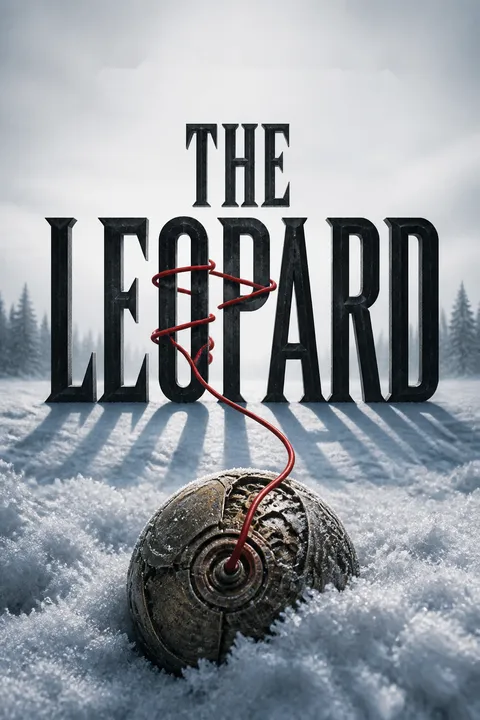
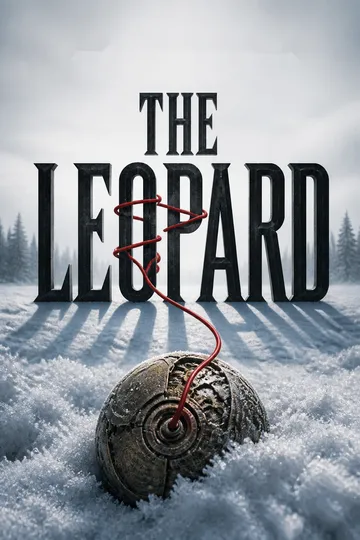
The story opens with an unnamed woman regaining consciousness in suffocating darkness, her mouth filled with excruciating pain—a metal sphere forced inside, the beginnings of a brutal game between predator and prey. The killer lingers silently, a leopard in the night, relishing her panic. He warns her not to touch the red wire, fueling her indecision between following orders and succumbing to agony. When the pain grows unbearable, she pulls the wire—needles fire into her brain and throat. She drowns in her own blood, the first victim in a series that will enthrall and terrify Oslo, setting the stage for the predator's hunt and the emotional and psychological devastation to come.
Exile and Return
Harry, traumatized by past failures and loss, self-exiles to Hong Kong. Addicted and aimless, he's tracked down by Kaja Solness, a determined young Oslo detective. Kaja's persistence and news of a new sadistic serial killer draw him reluctantly back. Haunted by his father's illness and unresolved pain from the Snjegović case (The Snowman), he's an expert on horror, a broken man pulled home by familial and professional duty. The return journey, with Kaja pushing, becomes a reluctant homecoming. Guilt, shame, and bleak Norwegian winter await, bearing more deaths and testaments to Harry's own panther-like darkness.
Impossible Murders Unveiled
The Oslo police face perplexing murders: women die from drowning in their own blood, metallic spheres and needles involved. There's no trace, no sexual motive, no connection—save the killer's signature: untraceable cruelty and a twisted sense of gamesmanship. Pressure mounts as fear and media outrage grow. Harry's unique wounds and instincts make him the only hope. A rival police unit led by Mikael Bellman, ambitious and ruthless, maneuvers for control, weaponizing public panic. The case seems impossible, the clues a mockery. Harry's enemies—and his own self-loathing—circle tighter.
Shadows of Havass Cabin
The investigation uncovers a link to a remote mountain cabin, Havass, during a November night shared by several future victims. There, under the anonymity of Norwegian snow, relationships, betrayals, and secret violence brew—some consensual, some coerced. Memories become vital clues as investigators battle missing guest lists, erased evidence, and the killer's cunning. The ghostly, predatory presence that haunted the cabin now stalks the survivors, eliminating witnesses on a secret "hit list." The past cannot remain buried; each clue is paid for in trauma.
Inheritance of Violence
As patterns emerge, it's revealed that the root of the killer's violence comes from abuse and hatred forged in childhood—a pattern mirrored and subverted between fathers and sons, lovers and victims. The investigation tracks the inheritance of violence from one generation to the next, as seen in the tragic story of the Utmo family and the haunted Leike. Both predator and detective must confront the forces of fate, parentage, and a society that sometimes breeds its own monsters.
Forced to Hunt Again
Pushed back into the hunt by necessity and the love for those still left in his life, Harry assembles a trusted, secretive team—Kaja Solness and forensics master Bjørn Holm. They're forced to investigate "outside the law," avoiding the ambitious Bellman and his Kripos unit, whose political games threaten to sabotage the pursuit. The investigation immerses Harry and his allies deeper into the abyss, with each found victim a step closer to both the killer and the darkness inside themselves.
Wolves at the Threshold
Bellman's Kripos undermines Harry's fragile alliance, leaking secrets, grabbing victories, and spreading paranoia. Kaja, torn by loyalties and her affair with Bellman, becomes a vulnerable pawn. Betrayals multiply. Harry realizes that the killer knows how to manipulate both police politics and the emotional fault lines in his own team. As alibis, tracks, and human connections fray, the hunt's true cost becomes clear, and the wolves circle ever closer to Harry, Kaja, and each other.
The Game of Ghosts
The murderer toys with his pursuers, planting false evidence and red herrings to distract from his own motivations. He leaves letters, gifts, and even body parts to Harry, taunting him—challenging him as one hunter to another. The investigation becomes a metaphysical duel: who is the true predator, who the prey? As the killer enacts his macabre play for attention and vengeance, Harry must reckon with his own ghostly obsessions and his uncanny, even dangerous, resemblance to the killer.
Seduction and Betrayal
Passion and betrayal corrupt both the murder investigation and the lives of those involved. Mikael Bellman seduces Kaja, exploiting her for information. Her divided heart almost destroys Harry's team from within. Meanwhile, the killer's own relationships—romantic and familial, especially with Lene Galtung—turn deadly. Love proves as fatal and entangling as hate. The closest bonds—between lovers, brothers, fathers, and friends—become traps; every seduction, a step toward ruin.
Assembling the Puzzle
Despite sabotage and overwhelming odds, Harry's team reconstructs the fatal night at Havass Cabin and subsequent murders. Lab work, digital searches, and psychological insight stitch together the killer's motivations—revenge, humiliation, and a need to control fate. The overlapping stories of survivors, witnesses, and accomplices emerge, revealing how trauma begets trauma, and how even the hunt for justice can become a mirror for all involved. Every answer spawns new questions; the solution lies at the tangled intersection of fact and emotional truth.
Death in the Snow
The team sets a desperate trap in the snowy wilderness, luring the killer with the promise of an exposed survivor. Instead, the murderer's cunning sets off an avalanche—burying Harry, Kaja, and their ally under deadly tons of snow. The experience is a literal and symbolic burial of trauma and self, an ultimate game between predator and prey. Survival means confronting death, both physically and existentially: who will dig free, and at what cost? And when the killer rises from the snow—disguised, protean—he disappears, leaving devastation.
The Invisible Killer
The killer, revealed to be Tony Leike, master of alibis, masks, and manipulated identity, disappears—taking Lene Galtung with him to the edge of the world: Congo, land of ghosts and endless violence. The ultimate predator, Tony exploits every emotional aperture, every failing of love and loyalty. Lene's devotion is twisted into the final act of the killer's play. He is the child of trauma, the heir of violence, and now the most dangerous ghost of all: an invisible, mythic monster. Harry races the clock, the jungle, and his own breaking heart.
Masked Confrontations
The pursuit leads across continents to Congo, into the killer's final sanctuary—a house by a volcano, a cathedral of violence and grandeur. In true mythic style, the killer stages a grotesque "wedding" at the lip of a volcano, promising Lene and Kaja to death. The last act is a showdown between damaged hunter and damaged prey, each only too human beneath their masks. For Harry, it's a reckoning with every failure and guilt, with trauma he can never fully escape, and with the knowledge that saving one life cannot expiate all debts.
Old Crimes, New Victims
Past sins—ruined love, violence between men, family betrayals—return with a vengeance. Secrets from decades before, involving an abusive father, a murdered mother, and the invention of a killer, become inextricable from the present murders. The story uncovers how justice can never quite untangle itself from vengeance, and how evil, once unleashed, creates only new victims. The conclusion is both pitiless and mournful, as survivors try to redefine themselves amid the wreckage of so much hate.
All That Remains Is Hate
When all personal bonds are broken, all that remains to drive the murderer—and even the dogged detective—is hate: hate of betrayal, of shame, of the original wound. Even triumph in the case yields only ruin. The novel contemplates the limits of forgiveness and the cost of violence passed down like a curse. Hate, it's suggested, is not the opposite of love but its shadow, the side that endures when every bond of trust has broken.
Alibis and Illusions
What appears as clear guilt or innocence is revealed as performance, built on illusions, false confessions, and stage-managed alibis. Even police victories are pyrrhic, as politics, ego, and rivalry supersede truth and justice. The difference between murderer and lawman grows thin; both are manipulated by trauma and by abuse, both are forced into roles by systems they can only partly control.
Under the Shadow of Kongo
The hunt ends in Congo, heart of darkness, haunted volcanoes and blood-soaked earth. Harry, battered and broken, is forced to make impossible choices, shooting not just to kill but to prevent worse. The surviving victims—Lene and Kaja—are changed forever. Harry, too, cannot escape his ghosts: he resigns, flees, seeking forgetting that may never come. As Congo swallows killers and justice alike, the novel's crimes are buried, never wholly paid for or avenged.
Edge of the Volcano
In the wake of volcanic violence and unhealed wounds, survivors are left to puzzle whether any redemption is possible. Love and hate, predator and prey, victim and survivor: these categories blur. Harry, Kaja, the dead and nearly dead, the living and forever haunted, each must find their own fragile place in a world that does not mend. The story closes not on triumph but restless exile—Harry in distant Hong Kong, trauma unresolved, still dreaming of impossible reconciliations as the world continues its cruel, indifferent game.
Analysis
The Leopardby Jo Nesbø is a labyrinthine descent into the devouring logic of trauma—personal, historical, and social—that persists even when justice is achieved. The novel places the brute horror of serial murder within a broader context of generational woundings, institutional failures, and the inability of narrative (be it police work, family story, or personal myth) to deliver true closure or redemption. Nesbø interrogates the allure and danger of seeing violence as both curse and game: a spectacle in which each player is marked by the "inheritance" of suffering and by the drive to rewrite the past through acts of love, betrayal, or destruction. The novel's greatest moral terror is not the killer's cruelty—which is monstrous but explicable—but the slow, inevitable accrual of guilt, shame, and longing that traps everyone within the system (cop, victim, bystander, bureaucracy) in cycles where no one truly escapes. Love in The Leopard
is never clean of hatred or violence; revenge perpetuates legacy; to try to heal is to risk infection. The final, uncertain exile—Harry wandering Hong Kong, running from and to memory—asks whether survival is ever enough, and whether the possibility of beginning again, for any of us, is anything more than a hopeful bet against the odds.
Review Summary
The Leopard is the eighth book in Jo Nesbø's Harry Hole series, receiving an overall rating of 4.1/5. Most reviewers praised its intricate, twist-filled plot, vivid settings spanning Norway, Hong Kong, and the Congo, and the compelling, flawed character of Harry Hole. Many called it their favorite in the series, highlighting its addictive pacing and emotional depth. Some criticisms noted excessive length, too many characters, and an overabundance of red herrings. The gruesome violence was polarizing, though most agreed it served the story effectively.
People Also Read
Characters
Harry Hole
Harry is the quintessential burnt-out investigator: brilliant, obsessed, and driven by the ghosts of his failures—personal, professional, and moral. Grieving past losses (especially Rakel and her son), traumatized by the horrors he's seen and sometimes caused, he flees to Hong Kong for self-destruction amid addiction and apathy. Drawn forcibly back to Norway, he is at once the best hope for stopping a monstrous predator and always in danger of becoming prey to his own darkness. Psychologically, he is a study in self-loathing—compelled to atone, yet unable ever to forgive himself; between his need for justice and his own survivor's guilt lies only the hunt, an endless cycle of running from, and toward, pain. Harry's arc is a meditation on addiction, trauma inheritance, and the possibility—and limits—of redemption.
Kaja Solness
Kaja is young, clever, and both attracted to Harry's legend and unable to resist the gravity of her own traumatic past. Her relationships—professional and romantic—are heavily colored by vulnerability: she yearns for affection and validation, making her ripe for the emotional manipulations of both Harry and (fatally) Bellman. Her brother's suicide haunts her, informing her empathy and her reflexive need to rescue, but these impulses easily veer into self-sabotage. Over the course of the novel, Kaja is forced to choose between competing truths, betraying and then finally rejoining Harry, and ultimately enduring the story's worst emotional devastations. Her arc mirrors Harry's: both damaged, both seeking something that cannot be had, both, in the end, refusing to be mere victims.
Mikael Bellman
Bellman embodies the seductive side of power: outwardly brilliant, charming, attractive, and politically astute, but inwardly ruthless, self-serving, and each bit as capable of cruelty as the killers he pursues. His rivalry with Harry is both professional and personal, fueled by ego, jealousy, and a need for control. Bellman exploits others without compunction—using Kaja's desire, public panic, and the machinery of the police to further his ambitions. Underneath his well-managed facade, he represents toxic masculinity, the dangers of careerism over justice, and the thin line between lawful authority and amoral self-interest.
Tony Leike
Tony is both victim and monster: a man whose childhood, ruled by an abusive father and an unloving, complicit mother, breeds both enchantment and destruction. Prodigiously charming and handsome, he moves through the world with a predator's instinct for vulnerability and opportunity, creating (and exploiting) love and hate in equal measure. His turn to murder is fueled by humiliation, fear of exposure, and a need to dominate fate itself—a need inseparable from his traumatic origins. As master of alibi and manipulation, Tony is the ultimate "leopard," invisible until his killing jaws close. His psychology reads as a dark double to Harry's own: each is both hunter and hunted, both defined by the traumas that others inflicted.
Sigurd Altman / Ole Hansen
Ole Sigurd Altman is the "secondary killer," a man twisted by his own childhood humiliation, whose own inability to cope with shame and betrayal turns him into a long-game manipulator—at first blackmailing, then enabling, finally becoming entangled in his target's rage. He demonstrates how trauma can metastasize: from victim to accomplice, from bystander to shadow killer. Altman's journey is a study in envy, the inmate mentality, and the dangers of living through others' wounds rather than healing one's own. His eventual attempt to cut a deal for his own safety and glory highlights the moral morass at the novel's heart.
Lene Galtung
Lene is both princess and pawn: raised in privilege, shaped by childhood secrecy and the shadow of her biological mother's class, she becomes easy prey for Tony Leike's manipulation. Desperate to be seen and loved, Lene ultimately follows Tony to her destruction, a mirror to the devotion and self-annihilation that haunts so many of the book's women. As a character, she explores themes of female agency, class, and how generational trauma and longing can obliterate identity.
Bjørn Holm
Holm, Harry's old friend, is a key anchor for both the investigation and Harry's sense of connection to life and purpose. Resourceful, grounded, and unfailingly loyal, Holm provides much-needed stability amid chaos but harbors his own doubts and temptations. His relationship with Harry—tested by suspicion, blame, and guilt—illustrates the fragile foundation of friendship and the wear trauma inflicts on even the strongest bonds.
Beate Lønn
Beate is quietly brilliant, profoundly reliable, and a rarity within her world as both an outstanding technician and a deeply moral leader. As head of forensics, she consistently keeps the investigation from flying off the rails, and her understated kindness and perseverance serve as counterpoint to the more flamboyant or damaged detectives. Her own losses and anxieties are seldom on display, but shape her determination to find order in a world of pain.
Rakel Fauke
Though she appears mostly in memory and in rare meetings, Rakel exerts immense influence over Harry's psychological landscape. She is the unreachable ideal—once lover, always echo. Her absence and perceived rejection drive Harry's addiction, guilt, and inability to settle. If Harry is always haunted by ghosts, Rakel is the one who whispers loudest, pressing on the wound that never heals.
Sis Hole
Harry's sister, Sis, is developmentally delayed but emotionally wise—a figure of simplicity and endurance in a world spun to confusion. Her unwavering belief in Harry, her capacity for love and her self-sufficiency, represent a possible—if fragile—redemptive model that eludes most of the novel's more "normal" adults. To Harry, she is both unbreakable and the last person he imagines disappointing.
Plot Devices
Game Structure & Metafictional Play
The narrative, like the murderer's methods, is constructed as a game—a series of increasingly desperate and dangerous moves between hunter (Harry) and hunted (Tony Leike and, to an extent, Altman). Footsteps echo through empty cabins, letters are left as provocations, and deaths are staged as grotesque puzzles. These games extend to police and institutional rivalries, as the pursuit of justice degrades into personal contests, betrayals, and media performances.
Trauma Echo / Inheritance
Trauma is inherited as surely as blue eyes or crooked teeth: the abusive father becomes the abusive son, secrets are passed on as curses, and every attempt to escape the past only tightens the snare. Both crime and investigation are infected by old wounds—of Harry, Tony, Altman, and Lene—blurring any moral lines between vengeance, self-defense, and plain evil.
Mirror Imagery and Doubling
The narrative is suffused with doubles—Harry and Tony, Altman and Harry, the predator and the prey. The "Leopard" is both metaphor and method, stalking in and out of view. Throughout, characters echo one another's damage, and empathy is dangerous: seeing "the self" in "the other" invites annihilation.
Masking, Disguise and Identity Erasure
Both killer and investigators shift masks—literally and figuratively. Aliases, forged documents, stolen lives, and the calculated erasure of digital/self traces are plot engines. Trust is always provisional: today's ally is tomorrow's betrayer.
Bureaucratic and Institutional Fracture
The murder case is not merely a technical challenge but a theater for police politics, with units vying for prominence, evidence being manipulated, and career advancement threatening justice. The structure of investigation, with shifting jurisdiction, double-agents, and political sabotage, is as fraught and dangerous as the murder plot itself.
Foreshadowing Through Myth and Fairytale
Recurrent allusions to Norwegian folklore, myth, and the motif of the "prince," "ghosts," and "wolves" cast the murders as both crime and fairy tale—dark, inevitable, cyclical. The volcano/abyss at the story's end literalizes the "heart of darkness."
Harry Hole Series

About the Author
Other books by Jo Nesbø
Download PDF
Download EPUB
.epub digital book format is ideal for reading ebooks on phones, tablets, and e-readers.








































