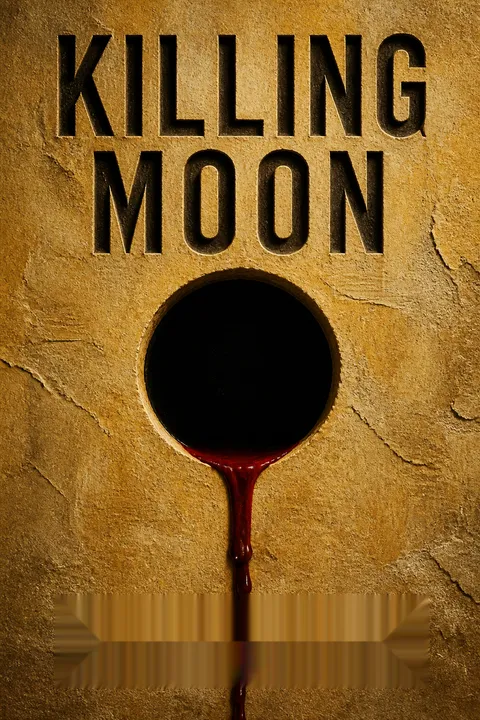

Plot Summary
Prologue: Sun, Moon, Blood
In a seedy Los Angeles bar, an aging actress and a broken ex-cop named Harry Hole talk about love, loss, and running from the past. Both are wounded—her by bad marriages and debts, him by the murder of his wife—and both know the world only loves those who don't love them back. When she is threatened over debts, Harry intervenes, kicking off events that will force him from hiding. As L.A. broils in facades and desperation, Oslo begins to darken: two young women have vanished, last seen at the same party, and the moon turns red above them. The prologue sets the novel's existential stage: "The sun shall be turned into darkness, the moon into blood," foreshadowing the evil to come.
Oslo's Nightmares Begin
In September's cold, Inspector Katrine Bratt investigates a grim scene in the woods: the body of a woman, throat slit, lower half exposed, a wound in her neck. Forensics finds fresh stitches along her scalp, a grotesque signature. Susanne Andersen had been missing for weeks; her friend Bertine remains gone. Both are connected to Markus Røed, a powerful property mogul known for nourishing young women's lives with money and favors. The case grows beyond a routine murder: wounds, absence, and the looming threat of a killer who takes not just life, but something more.
A Killer's Signature Found
Forensic analysis reveals the victim's scalp was removed and crudely stitched back. There are no classic signs of rape, but chilling mutilation: an eye is missing, nerves cut with surgical precision, and a mystery fluid on her breast resists identification. The police bicker about jurisdiction, and media attention explodes, focusing suspicion on Røed, their only visible connection. The discovery of fresh stitches and deliberate evidence‐cleaning steps the case into serial killer territory—someone with a plan, a purpose, and an appetite for more than killing.
Harry Hole in Exile
Across the world, Harry Hole drinks himself toward oblivion in L.A., guilt‐ridden and ready for his end, when fate and threats yank him back. Røed, fearing for his company and name, offers Harry huge money to clear his name—nearly a million dollars, the same sum that will buy Lucille's safety from cartel thugs. Harry makes a devil's bargain: return to Oslo as a private investigator, solve the murders, and save the few people who still matter. Bleak humor, reluctant courage, and quiet desperation color Harry's fateful homecoming.
Return to the Fray
Back in Oslo, Harry assembles a mismatched team: a disgraced cop (Truls), his loyal if degenerate friend (Øystein), a terminally ill psychologist (Aune), and a criminal forensics insider. Police and the public bristle at Harry's intrusion, but he brings insight no one else can: ritual, pattern, and the psychology of predators. Secrets percolate around him—a child that may be his, divided loyalties among friends and colleagues, and the ever-ticking clock of the borrowed time bought with blood money.
Victims' Worlds Collide
The narrative tightens on the victims and their world: young women lured by glamour and wealth, men like Røed offering money with strings, the media's leering appetite for the beautiful dead. The relationships are transactional—sugar daddies, jealous wives, betraying lovers. Harry's investigation reveals the two victims were not just random, but chosen, linked by vulnerability and perhaps by Stockholm syndrome toward their killer—someone who sees people as hosts for his own needs.
Private and Police Pursuits
The police pursue suspects methodically, but Harry cuts sideways, following marginalia, motives behind motives. He chases shadows: a mysterious masked figure who distributed uncommonly pure green cocaine at the fatal party; the ritualist who removes brains. The media leaks, internal rivalries, and public pressure cloud everything, but death's signature shines through: careful misdirection, meticulously planted evidence, and a growing sense that the killer is manipulating police, press, and victims alike.
Forensics Reveal Stitched Horror
A full autopsy on the first victim reveals the murderer's grisly trophy: the entire brain has been extracted through a cranial incision and the scalp sewn back. Later, Bertine's decapitated body is found—her head missing, the mutilation escalating, the killer refining his art. The police uncover microscopic foreign DNA between Bertine's teeth—later matched to the wrong suspect—showing the killer's craft in planting false evidence. It's not just death, but defilement, desecration, and high-level forensic gamesmanship.
The Predator Among Us
Investigators suspect a "classic" psychopath or predator, but Harry and psychologist Aune posit something different: someone whose motives and methods are post-human, almost medical in their precision. Harry learns of a theory—parasites that manipulate their host's behavior (like toxoplasma in rodents)—and wonders if a human killer could mimic or harness such mechanisms. Paranoia spreads in both the city and investigation: who is being used, who is using, and what is the real "disease"?
The Parasite Principle
As more evidence emerges, Harry realizes the killer is not just a sadist or sex criminal, but a scientist—someone who can manipulate emotions, induce attraction, and remove fear, turning victims into willingly complicit partners in their demise. The green cocaine contained Toxoplasma gondii, and the killer has bred a variant that affects humans, especially when distributed via drugs or bodily fluids. This occludes motive: are the victims seduced, bewitched, or simply erased of their survival instinct?
False Leads and Old Wounds
The net closes around Røed, who panics as blame amplifies. Harry's team discover the evidence against Røed—a drop of saliva—has been planted. As police arrest the wrong man and then a dealer who dies in custody, Harry, haunted by his own losses, faces a string of failures. Betrayals among police and press, old crimes and family wounds, and the unhealed deaths of loved ones return to complicate and confuse. Aune, dying, pleads for purpose, and Harry must decide if he can bear one more loss for justice.
The Blood Moon Approaches
The real killer, Helge "Prim" Forfang—a forensic specialist, scientist, and secret child of incest and abuse—has outplayed everyone. Driven by a lifelong need for revenge against his stepfather—the powerful Røed—he crafts a plan both scientific and Shakespearean: infect, seduce, frame, and destroy. The "Blood Moon" eclipse is both literal climax and metaphor: revenge shadowing reason, blood shadowing every answer. Friends and adversaries converge on a fatal rooftop, racing time, smoke, and fate.
The Final Exchange
In a rooftop standoff, Prim takes Alexandra, Harry's old flame, hostage, demanding a trade. Harry, Aune, and colleagues stage an exchange under the bloody moon. Aune, knowing his death is inevitable, sacrifices himself to create confusion and save Alexandra. Harry and Alexandra together disable Prim at the last second, but not before truth and agony are fully revealed: Prim's crimes, his "parasite psychology," and the abyss at the heart of the case.
Vengeance, Redemption, Despair
The story unwinds Prim's motivation: the abused turning abuser, the experiments in the lab—creating human "mice"—and the tortured, invisible cycles tying families, violence, and desire. Røed's monstrous crimes are broadcast to the world, his name ruing a legacy of power and shame. Harry faces the burnt cost of living for justice: death, grief, and the emptiness of victories that replace nothing lost, and do not reconcile the guilt that remains.
The Cost of Justice
After the storm, justice and healing come with bitter aftertaste. Colleagues bury Aune, their anchor, and Harry faces both his own alienation from normal life and the lives he's broken, saved, or both. Oslo returns to daily life, but nothing is untouched. New murders await, new secrets churn, but Harry—offered a new start—refuses, knowing his place is always on the edge of society, between justice and its costs.
Death Under the Red Sky
Even as the city fades back into routine, the lines between hunter and hunted blur. The ripple of one killer's warping of biology, trust, and love are left to fester in the minds of those left standing. The eclipse—moon as blood—marks both an ending and a warning: the next horror begins one minute past midnight, all the world's wounds always ready to open anew. Somewhere, someone is still searching for love or revenge, and both can kill.
Analysis
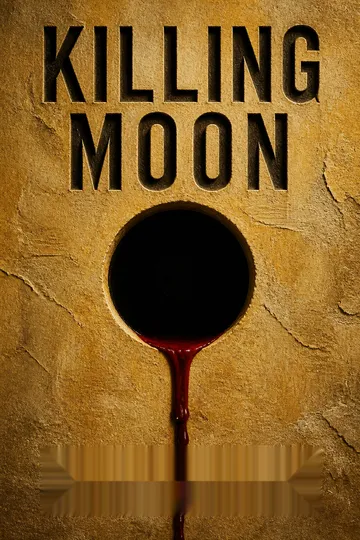
Killing Moonis Jo Nesbø's most intricate meditation on the anatomy of violence, trauma, and the innate human hunger for connection—inverting the logic of the crime novel by both literal and psychological means. The parasite motif, explored at the intersection of forensics and metaphor, probes the unnerving question: are we ever masters of our actions, or do desire, trauma, and legacy work inside us, like invisible infections? Nesbø's Oslo is a necrotic city: apathy, privilege, and longing feeding on one another, until need—the need to be loved, to avenge, to matter—overpowers all rationality. The most dangerous parasites are the wounds we ignore: shame, loss, and the vengeance that trauma breeds. Justice, here, is messy—achieved with betrayals, sacrifice, collateral pain, and the knowledge that the true cost is borne by survivors, who must go on. In the end, the blood moon passes; truth is both revealed and eclipsed, and even the most "solved" case leaves scars. Harry Hole, unable to rest in either justice or oblivion, endures as the archetype of the haunted seeker: living not for closure, but for the struggle itself. The lesson for the modern reader is clear: our darknesses are not things to be eradicated, but to be understood—and, perhaps, survived.
Review Summary
Killing Moon, the 13th Harry Hole novel, receives strong praise from most readers, who appreciate its gripping plot, complex characters, and satisfying twists. Harry's journey from self-destruction in Los Angeles back to Oslo resonates emotionally, while supporting characters like Truls, Oystein, and Katrine add depth. Many highlight the book's dark themes, including parasites and cannibalism, warning it's not for the squeamish. Some critics found it overlong or implausible, and a few abandoned the series entirely, but the majority agree it keeps the franchise fresh and exciting.
People Also Read

Characters
Harry Hole
Harry is the archetypal damaged detective—brilliant, intuitive, yet crushed by grief, guilt, and addiction. After the murder of his wife, Hole flees to L.A., bordering on suicide. Drawn back to Oslo by threats, revenge, and a desperate rescue mission, his rage is both weapon and weakness. Psychologically, Harry is torn between a solitary, rational isolation and a compulsive, self-sacrificing empathy. He attracts broken people, and cycles of violence return to him, mirroring his dread that he ruins what he loves. His love for justice is pitted against his longing for oblivion, making each victory pyrrhic but true.
Helge Forfang ("Prim")
Helge is the true villain: a genius in parasitology, social misfit, child of incest and trauma. His psychological wound becomes his purpose—revenge against his abusive stepfather, Røed, but also a twisted longing for connection, love, and visibility. Prim uses science to weaponize both human biology and human longing, transforming murder from rage into experiment, from violence into ritual. His lack of ordinary empathy is offset by wild, logic-driven passion; as a killer, he seeks both annihilation and union, both death and the intimacy of the parasite and host. His manipulations are surgical and symbolic, but ultimately mirror his self-loathing and longing to belong.
Katrine Bratt
Katrine is Harry's closest professional ally and antagonist; fiercely intelligent, self-reliant, but burdened by secrets (a child fathered by Harry, unconfessed). She embodies women surviving in patriarchal systems—tough, self-aware, able to compartmentalize love and duty yet brought low by guilt and unfulfilled longing. Her relationship with Harry is unresolved—desire, allegiance, rivalry, and maternal protectiveness intertwine. As a leader, she seeks control in chaos, but must rely on outsiders to solve what stymies the system.
Markus Røed
At the heart a classic Nesbø villain: charming, leonine, but hollowed by insecurity, predation, and privilege. Røed's role as sugar daddy, mogul, secret bisexual predator, and (eventually) scapegoat drives the novel's social critique. Publicly envied and resented, he is both suspect and victim, ultimately destroyed not by crime but by exposure. Psychologically, he is driven by suppressed desire, pathological need for validation, and a legacy of family honor that proves both toxic and futile.
Alexandra Sturdza
Alexandra is the novel's most mordant, self-aware character—sharp-witted, sexually open, and professionally brilliant. She is both observer and potential victim, drawn to Harry yet refusing romantic illusions. Her directness is defensive, masking loneliness and fear, but under pressure she reveals agency and vengeance, ultimately surviving by her own cunning and capability.
Øystein Eikeland
Øystein is Harry's longest-standing companion: an eccentric, substance-abusing "Keef Richards" type, offering humor, streetwise perspective, and a conscience outside officialdom. He is a mirror to Harry's potential futures—the survivor who stays alive by lowering expectations and betraying nothing of himself but humor.
Truls Berntsen
Once a standard-issue "bad cop," Truls is now adrift: suspended, indebted, but still clings to loyalty, paradoxically "sold out" but also paradoxically trustworthy. His self-analysis is crude but accurate: he is expendable, but Harry seeks out his conscience, acknowledging the messy boundaries where the law's servants become its mercy.
Ståle Aune
Aune is Harry's anchor to meaning: witty, analytic, dying of cancer, but the glue that holds the investigation's "dark thinkers" together. His final act—offering himself in the hostage exchange—evokes the best of humanity's drive for altruism, even as he admits the math of meaning in a meaningless cosmos.
Sung-min Larsen
As a gay, Korean-Norwegian officer, Sung-min provides both a minority perspective and contrasts Harry's messy boldness with procedural rigor and social awareness. His identity informs both his reading of Røed and the team dynamic—he is proof that outsider status both hinders and sharpens investigative insight.
Lucille Owens
A faded actress and alcoholic, Lucille parallels Harry's mother and Oslo's other lost souls—her debts, isolation, and longing for love are microcosms of the city's underclass. Bound by the logic of those who want what they cannot have, her survival and rescue are the ultimate stakes of Harry's journey; her fate offers a glimpse of grace amid violence.
Plot Devices
Ritualistic Violence and Misdirection
Instead of random acts, the killer employs surgical mutilation—brain removal, stitched scalps, planted DNA—all both as functional means (to continue his "parasite" experiment) and as storytelling to the police. Every clue is potentially a red herring: saliva and skin samples purposely misplaced, forensic anomalies, and evolution of ritual (decapitation, escalation) challenge both narrative and investigative logic.
Parasite as Motif and Plot Engine
The novel's central conceit—that a killer can manipulate the brain and emotion through a mutated parasite—becomes both literal (science-driven murder) and metaphorical: what do we "host" in our desires, fears, dependencies? The parasite is a vehicle for themes of seduction, self-destruction, and the perverse intimacy of killer and victim.
Mirrors and Reversed Order
The story inverts expectations: the apparent serial killer is an avenger, the first suspects are red herrings, and the logic of events is shown to work backward as often as forward. The "author" (the killer) rearranges the sequence—events appear as consequences of what will happen, not what has. This philosophical device recurs in conversations, forensics, and in the denouement.
Red Moon (Eclipse) Foreshadowing
The approaching "blood moon" signals time running out, portending climactic violence, and coloring much of the psychological state: cycles, the inescapable return of violence, the mythic weight of blood and celestial indifference. The eclipse serves as both literal ticking clock and a metaphor for fate darkening reason.
Outsiders as Truth-Seekers
Both the killer and the detective are exiles, broken by systems and seeking meaning in the margins. Harry's ragtag team of suspended cops, dying friends, and addicts occupy the space unserved by officialdom. This democratizes justice while complicating its cost, as only the wounded can or will do what is needed.
False Confessions and Evidence Planting
The killer's planting of evidence—saliva, skin, DNA at crime scenes—orchestrates police and public opinion, creating scapegoats and ensuring false arrests. Characters confess or cover up not for guilt but to manipulate perception and buy time (Røed's false stories, media leaks, Truls' admissions).
Sacrifice and Exchange
In the climax, Aune swaps himself for Alexandra, knowing it means his death but will buy the time for Harry's intervention. This literalizes the story's central question: whose life has value, and who bears responsibility for another's survival? Sacrifice, love, and murder become indistinguishable currencies.
Harry Hole Series


About the Author
Other books by Jo Nesbø
Download PDF
Download EPUB
.epub digital book format is ideal for reading ebooks on phones, tablets, and e-readers.








































