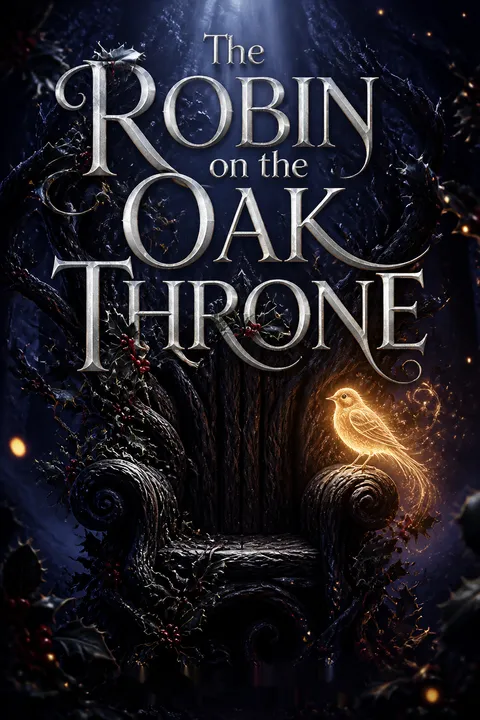

Plot Summary
Thief Among Monsters
Kierse, a skilled thief with a hidden Fae heritage, navigates a world where monsters and humans coexist uneasily after a devastating war. At the Beltane festival in Versailles, she blends in among nymphs, vampires, and shifters, her sights set on stealing a powerful bracelet from the Queen of the Nymphs. Kierse's life is a balancing act between her human upbringing and the magical legacy she's only beginning to understand. The festival's revelry masks her anxiety and longing for answers about her past, her powers, and the warlock Graves, who once upended her life. The thrill of the heist is both a distraction and a compulsion, a way to reclaim agency in a world that's always threatened to consume her.
The Warlock's Return
Just as Kierse's heist goes awry, Graves—her enigmatic, dangerous former lover—intervenes, claiming her as his "wife" to extricate her from trouble. Their reunion is electric, fraught with unresolved anger, longing, and mistrust. Graves's presence is both a lifeline and a threat, reminding Kierse of the betrayals that drove her away. Their banter is sharp, their chemistry undeniable, but the wounds between them are fresh. Graves's motives are never clear, and Kierse is forced to question whether she can ever truly trust him again, even as she's drawn back into his orbit and the dangerous games he plays.
Dance of Deceit
Graves and Kierse join forces to steal the bracelet directly from the Queen during a lavish ball. Their partnership is a dance of mutual manipulation, each using the other as both shield and distraction. The Queen is charmed, the court is dazzled, and Kierse's sleight of hand is flawless. Yet beneath the surface, old resentments simmer. Graves's help comes with strings, and Kierse knows every favor has a price. The success of the heist is bittersweet, as it binds her fate to Graves once more and sets them on a collision course with even greater dangers.
Queen's Bracelet Heist
The stolen bracelet is more than a trinket—it's Kierse's ticket into the infamous goblin market, a place of dark bargains and deeper secrets. But the heist's aftermath is chaotic: a desperate escape, a violent confrontation with a troll, and a narrow getaway in Graves's warded limo. The adrenaline rush is tempered by the realization that every victory in this world comes at a cost. Kierse's powers are both asset and liability, and her partnership with Graves is as perilous as it is intoxicating. The bracelet is only the beginning; the true price of magic and memory is yet to be paid.
Parisian Games Begin
Graves leads Kierse to the home of Estelle, the master warlock of Paris, whose games are as deadly as they are seductive. Estelle's illusions blur reality, forcing Kierse to confront her own vulnerabilities and the limits of her magic. The quest for the cauldron—a legendary magical artifact—becomes a test of wit, will, and trust. Estelle's riddles and manipulations reveal the dangers of playing with those who make the rules. Kierse's victory is hard-won, but the truths she uncovers about herself, Graves, and the nature of power leave her shaken and changed.
The Cauldron's Temptation
The search for the cauldron draws Kierse and Graves into a web of old alliances, rivalries, and betrayals. The artifact promises healing, transformation, and the fulfillment of deepest desires—but at a price. Graves's obsession with collecting the magical objects of legend is revealed to be both personal and world-altering. Kierse is forced to weigh her own needs against the greater good, and to question what she's willing to sacrifice for answers, love, and agency. The cauldron is a symbol of hope and danger, its true power and cost still shrouded in mystery.
Market of Nightmares
Kierse, Graves, and their uneasy allies brave the goblin market, a place where every bargain is a trap and every gift has a hidden price. The market is a labyrinth of temptation, addiction, and violence, its denizens as monstrous as any legend. Kierse's quest for a memory potion to unlock her past becomes a harrowing ordeal, testing her courage, cunning, and the limits of her magic. The market's dangers are physical and psychological, and the cost of knowledge is steep. Kierse emerges scarred but determined, her memories and identity more elusive than ever.
Memory's Hidden Door
Armed with a memory potion, Kierse attempts to recover the truth about her parents and the spell that erased her past. The journey inward is fraught with pain, fear, and resistance. Graves's powers as a mind-reader are both help and threat, as he guides her through the labyrinth of her own mind. The memories that surface are fragmented and traumatic: a childhood marked by love, loss, and betrayal; a spell cast to save her that became a prison. The truth is obscured by magical and psychological blocks, and Kierse must confront the possibility that some wounds may never fully heal.
The Curator's Trap
The enigmatic Curator, mastermind of the Sansara cult and the market's power, is unmasked as Jason—Kierse's abusive former mentor and the rogue Druid Cillian Ryan. The revelation is a gut punch, forcing Kierse to relive the trauma of her childhood and the manipulation that shaped her. Jason's motives are as twisted as ever: he siphoned magic from children to fuel his own power, erasing their memories and identities. Kierse's confrontation with him is a battle of wills, magic, and survival. She escapes only by unlocking a new, dangerous facet of her power—phasing through time and space.
Binding and Betrayal
In the aftermath of her escape, Kierse is captured by Lorcan, the Oak King and leader of the Druids, who claims her as his soulmate and forcibly binds her magic to his own. The ritual is a violation, stripping Kierse of her autonomy and powers. Friends and allies are powerless to intervene, and even Graves's rescue comes too late to prevent the binding. The trauma of the ceremony is compounded by the realization that love, trust, and choice have been weaponized against her. Kierse is left hollowed out, her future uncertain, her agency stolen by those who claim to love her.
The Oak Throne's Price
The aftermath of the binding ceremony sees a seismic shift in the balance of power. Niamh, the robin and High Priestess, challenges Lorcan for leadership of the Druids, seizing the Oak Throne and exiling him. The sacred bonds of family, love, and loyalty are tested and broken. Kierse, stripped of her magic and autonomy, must navigate a new world order where old alliances are shattered and new threats loom. The price of power is steep, and the wounds of betrayal run deep.
The Cauldron's Gift
The legendary cauldron, finally in Graves's possession after a daring heist, becomes Kierse's last hope for breaking the binding and reclaiming her magic. The artifact's power is awe-inspiring and terrifying, offering miracles at a cost. Kierse's plea to the cauldron is answered in an unexpected way: she is granted new powers, but the binding remains. The gift is a loophole, a chance to fight back, but also a reminder that magic is never free. The cauldron's true nature is both blessing and curse, and Kierse's struggle for agency is far from over.
The Monster Con Heist
The Monster Con, a gathering of the world's most powerful monsters, becomes the stage for a high-stakes heist. Kierse and her team execute a daring plan to steal the cauldron from under the Curator's nose, navigating layers of security, betrayal, and violence. The heist is a triumph, but the victory is short-lived: Kierse is kidnapped, Gen is gravely wounded, and the Men of Valor—an anti-human monster faction—make their move. The fragile peace is shattered, and the specter of a second monster war looms.
The Summer Solstice
The summer solstice brings a convergence of magic, power, and violence. Lorcan's binding of Kierse is completed, stripping her of her agency and powers. Graves, wielding the spear, storms the Oak Throne to rescue her, but the damage is done. Niamh seizes leadership of the Druids, exiling Lorcan. The cost of power is paid in blood and betrayal. The world is on the brink of chaos, and Kierse is left to pick up the pieces of her shattered self.
The Soulmate's Chains
Kierse struggles to adapt to life with her magic bound and her autonomy stolen. The soulmate bond with Lorcan is a chain she cannot break, a constant reminder of her violation. Her relationships with Graves, Gen, and Ethan are strained by guilt, anger, and the trauma of betrayal. The hope of using the cauldron to break the binding is dashed, and Kierse is forced to confront the limits of magic, love, and forgiveness. The scars of the past are visible and invisible, and healing is a distant dream.
The Robin's Challenge
Niamh's ascension to the Oak Throne marks a new era for the Druids, but the wounds of the past are slow to heal. Kierse, still bound and powerless, must find new ways to assert her agency and reclaim her identity. The team's victory in the heist is tempered by the loss of friends and the looming threat of war. The struggle for power, autonomy, and justice continues, with old enemies plotting in the shadows and new alliances forming in the light.
The Second Monster War
The Men of Valor, emboldened by their new leadership and alliances, launch a violent attack on Nate and Maura's wedding, killing Nate and signaling the start of a new monster war. The fragile peace is broken, and the city descends into chaos. Kierse, Graves, and their allies are forced to confront the reality that the fight for survival, justice, and love is never truly over. The cost of victory is high, and the future is uncertain.
Choosing the Darkness
In the aftermath of war, betrayal, and loss, Kierse must choose who she will become. The darkness within her is both curse and strength, a legacy of trauma and a source of power. Her love for Graves is tested by secrets, manipulation, and the scars of the past. The fight for agency, identity, and hope continues, as Kierse learns that sometimes the only way to survive is to become the monster the world fears—and to choose her own path, no matter the cost.
Analysis
A modern fantasy of trauma, agency, and the cost of power
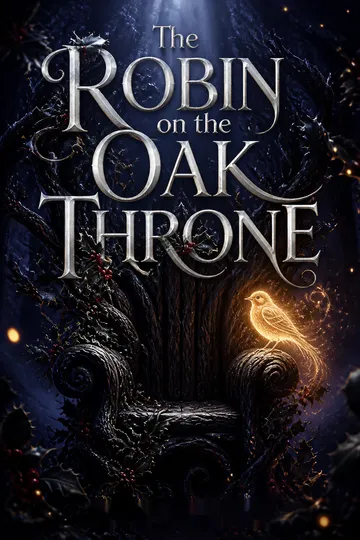
The Robin on the Oak Throne is a dark, romantic urban fantasy that uses the trappings of heist fiction, magical politics, and monster lore to explore deep psychological themes. At its heart, the novel is about the struggle for agency in a world that constantly seeks to define, control, and consume the individual—especially women. Kierse's journey is a powerful metaphor for surviving abuse, reclaiming identity, and learning to trust after betrayal. The story interrogates the seductive allure of power, the dangers of destiny and soulmate myths, and the ways in which love can be both healing and harmful. The narrative refuses easy answers: magic is never free, love is never simple, and the past is never truly past. The book's lessons are hard-won: agency must be fought for, healing is a process, and sometimes the only way to survive is to embrace the darkness within. In a world where monsters are real and the line between hero and villain is always shifting, The Robin on the Oak Throne asks what it means to choose your own story—and what you're willing to risk to do so.
Review Summary
People Also Read
Characters
Kierse McKenna
Kierse is a complex, fiercely independent woman shaped by trauma, abandonment, and the violence of a world where monsters and humans coexist uneasily. Raised as a human, she discovers her Fae heritage and unique wisp powers only in adulthood, forcing her to reconcile her identity with a legacy she never asked for. Kierse's relationships—with Graves, Lorcan, Gen, and Ethan—are fraught with longing, betrayal, and the desperate need for trust. Her psychological journey is one of reclaiming agency in a world that constantly seeks to control her, whether through love, magic, or violence. Kierse's arc is defined by her refusal to be a pawn, her hunger for answers, and her willingness to embrace darkness to survive.
Graves (The Holly King)
Graves is a centuries-old warlock whose powers center on knowledge, mind-reading, and manipulation. He is both Kierse's greatest ally and her most dangerous temptation, a man who has built his life on secrets, bargains, and the careful control of information. Graves's relationship with Kierse is a study in power dynamics, vulnerability, and the possibility of redemption. He is haunted by past mistakes—especially the death of Emilie, his first love—and is driven by a need to collect the magical objects of legend, both for personal reasons and to shape the world's fate. Graves's development is marked by his struggle to open up, to trust, and to choose love over control.
Lorcan (The Oak King)
Lorcan is the Oak King, leader of the Druids, and Kierse's fated soulmate. His charm and power are matched by a deep well of grief and obsession, particularly over the loss of his wife, Saoirse. Lorcan's need for control and his belief in destiny lead him to violate Kierse's autonomy, binding her magic to his own in a desperate attempt to save her—and himself. His rivalry with Graves is both personal and cosmic, a battle for power, love, and the future of their world. Lorcan's arc is one of tragic hubris, as his inability to let go of the past and his willingness to sacrifice others for his vision of the greater good ultimately lead to his downfall.
Gen (Genesis)
Gen is Kierse's best friend and found family, a High Priestess with burgeoning magical abilities. Her compassion, loyalty, and quiet strength ground Kierse through trauma and chaos. Gen's journey is one of self-discovery, as she learns to wield her healing powers and navigate the complexities of love, friendship, and agency. Her relationship with Niamh and her role in the triskel bond are central to her development, as she moves from caretaker to empowered participant in the fight for justice and survival.
Ethan
Ethan is Kierse's other best friend, a gentle soul caught between loyalty to his friends and the seductive power of the Druids. His journey is one of indoctrination, guilt, and redemption, as he grapples with the consequences of his choices and the pain of betraying those he loves. Ethan's magic is tied to nature and the triskel bond, and his struggle to reconcile his ideals with reality mirrors the larger conflicts of the story. His arc is a testament to the difficulty of forgiveness, both of others and oneself.
Niamh (The Robin)
Niamh is the robin to Lorcan's Oak King, a High Priestess with a complicated history and a deep connection to both Kierse and the Druids. Her role as mentor, friend, and eventual challenger to Lorcan's rule is marked by courage, empathy, and a willingness to defy tradition for the sake of justice. Niamh's arc is one of reclaiming agency, challenging patriarchal power, and forging a new path for her people. Her relationship with Gen adds layers of vulnerability and hope to her character.
Jason / Cillian Ryan / The Curator
Jason is the story's most insidious villain, a rogue Druid who masquerades as Kierse's mentor, siphoning magic from children to fuel his own power. His ability to erase memories and identities makes him a symbol of trauma and the abuse of power. Jason's psychological hold over Kierse is profound, and his reemergence as the Curator forces her to confront the darkest parts of her past. His arc is a chilling exploration of narcissism, exploitation, and the long shadow of abuse.
Amberdash
Amberdash is a wraith businessman who shifts from ally to enemy, ultimately leading the Men of Valor, an anti-human monster faction. His opportunism and willingness to exploit chaos for personal gain make him a dangerous player in the looming second monster war. Amberdash embodies the seductive allure of power and the ease with which old wounds can be weaponized for new conflicts.
Lyra Anderson
Lyra is a rising star in the monster world, a vampire with connections to powerful families and a talent for performance and deception. Her alliance with Kierse is born of mutual respect and shared danger. Lyra's arc is one of self-assertion, as she navigates the expectations of her lineage and the perils of involvement in the heist. She represents the possibility of new alliances and the importance of agency in a world of manipulation.
Nate O'Connor
Nate is the leader of the Dreadlords and a pillar of support for Kierse and her friends. His loyalty, humor, and pragmatism ground the story's more fantastical elements. Nate's tragic death at the hands of the Men of Valor is a turning point, signaling the end of peace and the beginning of a new war. His arc is a reminder of the cost of leadership and the fragility of hope.
Plot Devices
Duality of Power and Agency
The narrative is structured around the tension between power and agency—who wields magic, who is controlled, and who gets to choose. Kierse's journey is a constant negotiation of autonomy, as every relationship, magical object, and ritual threatens to subsume her will. The soulmate bond, the triskel, and the magical artifacts are all devices that explore the costs and consequences of power. The story uses foreshadowing—through dreams, memories, and prophecies—to build suspense and deepen the psychological stakes. The heist structure provides momentum, while the interludes and flashbacks offer insight into character motivations and the cyclical nature of trauma and violence.
Memory as Mystery and Weapon
The central mystery of Kierse's past is unraveled through a combination of magical memory work, psychological therapy, and dangerous bargains. The use of memory potions, mind-reading, and magical blocks creates a layered narrative where truth is always contested and the past is both weapon and wound. The revelation that Jason/Cillian Ryan has been siphoning magic and erasing identities reframes the entire story, making memory itself a site of struggle and resistance.
The Heist and the Game
The recurring motif of the heist—whether stealing the bracelet, the cauldron, or memories themselves—serves as both plot engine and metaphor for Kierse's fight for agency. Every theft is a negotiation of risk, trust, and identity. The games played by Estelle, Graves, and the Curator mirror the larger games of power and survival in the monster world. The narrative structure is episodic, with each "job" revealing new layers of character and world, while the overarching quest for the magical objects ties the story together.
Cycles of Betrayal and Redemption
The story is built on cycles—of war, love, betrayal, and healing. The Oak and Holly Kings' eternal rivalry, the repeated loss and reclamation of agency, and the resurgence of the Men of Valor all underscore the difficulty of breaking free from the past. Yet the possibility of redemption—through love, friendship, and the hard work of trust—offers hope. The narrative uses parallelism (between Kierse and Graves, Lorcan and Niamh, past and present) to explore how characters can choose to break or repeat the cycles that bind them.
The Oak and Holly Cycle Series
About the Author
Download PDF
Download EPUB
.epub digital book format is ideal for reading ebooks on phones, tablets, and e-readers.








































