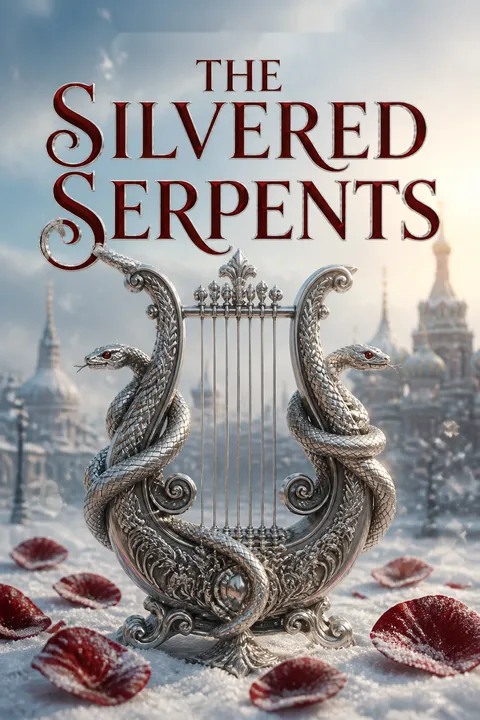

Plot Summary
Winter's Ghosts and Promises
Thirteen years before, the matriarch of House Kore brings a Christmas gift for young Séverin, a boy of mixed heritage and sharp perception. In the cold grandeur of the Order of Babel's Winter Conclave, she is confronted by Séverin's birth mother, Kahina, who pleads for her son's protection. Power and love are tangled: the matriarch, denied children, is granted authority; Kahina, who gave birth, is denied recognition. Both women love Séverin, but only one can claim him. This prologue sets the stage for a story where promises, power, and the longing for belonging will haunt every character. The matriarch's promise to protect Séverin is a thread that will unravel and reweave through every act of betrayal and sacrifice to come.
Fractured Family, Fractured Hearts
Séverin, now a young man, mourns his brother Tristan's death, feeling the weight of promises broken and paths not taken. The Seven Sins Garden, once lush under Tristan's care, is now barren—a symbol of Séverin's grief and guilt. He is haunted by the sense that he failed to protect not only Tristan but all those he loves. The group he once led—Laila, Enrique, Zofia, Hypnos—has splintered, each member carrying their own wounds and secrets. Séverin's drive to find the legendary Divine Lyrics is fueled by a desperate hope: to become something more than human, to shield his friends from pain, and to numb his own. But the cost of this quest, and the emotional distance it creates, threatens to destroy what little remains of their found family.
Guilt's Garden, Grief's Shadow
Laila, forged rather than born, faces her own mortality: she has only days left to live unless she can find the Divine Lyrics. Her secret—her unnatural creation and impending death—isolates her, even from those she loves. Enrique, rejected by the Ilustrados and feeling unworthy, seeks validation in history and in love, but is haunted by the sense that he is always overlooked. Zofia, brilliant but socially anxious, lies about her sister's illness and struggles with the burden of being a "burden." Each character's grief and guilt are mirrored in their relationships, their longing for connection, and their fear of being left behind. The group's reunion is fraught with tension, old wounds, and the hope that this one last quest might heal what's been broken.
Oaths, Secrets, and Survival
Séverin manipulates his friends, binding them with promises and oaths—some literal, some emotional. Laila is forced to act as his mistress, a role that both protects and humiliates her. Zofia bargains for her sister's life, accepting Séverin's terms in exchange for financial security. Hypnos, ever the outsider, yearns for acceptance and love, but is kept at arm's length. The group's dynamic is a web of secrets, unspoken desires, and the constant threat of betrayal. As they prepare to hunt for the Divine Lyrics, each character must decide what they are willing to sacrifice—and whether the bonds between them can survive the weight of their secrets.
The Hunt for Divinity
The search for the Divine Lyrics leads the group to Russia, where they must infiltrate the home of an art dealer and retrieve the Tezcat spectacles—magical lenses that reveal the location of the Sleeping Palace, the Fallen House's legendary hoard. The journey is a test of their skills and trust: Zofia's engineering, Enrique's historical knowledge, Laila's ability to read objects, and Séverin's talent for understanding the minds of those who hide secrets. The Chamber of Goddesses, a room of shifting statues and riddles, challenges them to combine logic, myth, and emotion. The clues they uncover point to a deeper mystery: the Divine Lyrics is not just a book, but a key to godlike power—and its true nature is more dangerous than any of them realize.
Masks, Mistresses, and Motives
In St. Petersburg, the group navigates a world of opulence and intrigue, where every mask hides a motive and every gesture is a performance. Laila and Séverin's relationship is a dance of longing and resentment, each using the other as both shield and weapon. Hypnos and Enrique's flirtation is tinged with insecurity and the fear of not being enough. Eva, a blood Forging artist with her own secrets, enters their orbit, challenging Laila's place and exposing the group's vulnerabilities. The lines between ally and enemy blur, and the cost of trust grows ever higher. As they draw closer to the Sleeping Palace, the group must confront not only external threats but the betrayals within their own hearts.
St. Petersburg's Frozen Labyrinth
The group's infiltration of the art dealer's mansion is a masterclass in tension and teamwork. Disguises, distractions, and quick thinking allow them to access the Chamber of Goddesses, where Zofia's scientific ingenuity and Enrique's mythological insight combine to solve the riddle of the hidden Tezcat spectacles. The success is hard-won, and the escape is harrowing—pursued by guards and magical beasts, the group barely makes it out alive. The victory is bittersweet, as the dangers they face are not only physical but emotional: every triumph is shadowed by the knowledge that the Divine Lyrics, and the power it promises, may demand a price none of them are willing to pay.
The Chamber of Goddesses
Inside the Chamber, the group confronts the legacy of the Lost Muses—women whose bloodline is said to be the key to reading the Divine Lyrics. The statues, the riddles, and the hidden symbols all point to a history of sacrifice: women chosen, used, and discarded in the pursuit of power. The group's own dynamics echo this pattern, as Laila's value is tied to her ability to unlock the book, and Zofia's worth is measured by her usefulness. The discovery of the Tezcat spectacles is a triumph, but it is also a warning: the pursuit of godhood is built on the suffering of those deemed expendable. The group must decide whether they will repeat the sins of the past or forge a new path.
Siberian Shadows, Sacred Blood
The journey to the Sleeping Palace takes the group deep into Siberia, where the landscape is haunted by the ghosts of murdered girls and the legacy of colonial violence. The palace itself is a marvel of Forging, but its beauty is built on blood: the bodies of sacrificed women, their hands severed, their voices silenced. The group's search for the Divine Lyrics becomes a confrontation with the darkest parts of history—and themselves. Laila's ability to read the memories of objects reveals the horror of the sacrifices made, and the group is forced to reckon with the reality that the power they seek is inseparable from the pain it has caused.
The Sleeping Palace Awakes
Inside the Sleeping Palace, the group faces a series of deadly trials: mechanical beasts, riddled doors, and the ever-present threat of betrayal. The palace is a cathedral to ambition and cruelty, its every detail a testament to the Fallen House's obsession with godhood. The group's skills are tested to their limits, and the cost of failure is death. As they navigate the palace's traps, the lines between friend and foe blur, and the true nature of the Divine Lyrics begins to emerge. The palace is not just a treasure trove, but a tomb—and the group must decide whether they are its conquerors or its next victims.
Sacrifice and the Lost Muses
The truth of the Divine Lyrics is revealed: it is not a book, but a lyre—an instrument that can unmake the world's magic. Only someone of the Lost Muses' bloodline can play it, and the cost of its power is the destruction of all that is Forged—including Laila herself. Ruslan, revealed as the true villain, manipulates the group, forcing them to choose between their own survival and the life of one of their own. Séverin, carrying the bloodline, is faced with an impossible choice: to become a god and save his friends, or to remain human and risk losing everything. The group's bonds are tested as never before, and the meaning of sacrifice is rewritten in blood.
The Devil's Lyre
As the palace collapses around them, Séverin must play the role of both monster and savior. He fakes the deaths of Zofia and Enrique, using Tristan's paralyzing knife and the illusion of blood to buy time and protect them from Ruslan's wrath. Laila, believing her friends dead and Séverin lost to ambition, is left alone with her grief and rage. The lyre's power is both promise and threat: to play it is to risk unmaking the world, but to refuse is to let evil triumph. The group's survival depends on trust, cunning, and the willingness to become what they most fear. In the end, the line between god and monster is drawn not by power, but by love.
Betrayal, Blood, and Unmaking
The final confrontation is a maelstrom of betrayal and revelation. Ruslan's true identity as the doctor of the Fallen House is exposed, and his quest for godhood is revealed as a desperate attempt to escape his own mortality. Eva's complicity is rooted in her own pain and longing for freedom. Séverin's monstrous act is revealed as a sacrifice: by faking the deaths of his friends, he saves them from Ruslan's wrath and buys time for a final gambit. Delphine, the matriarch, sacrifices herself to give Séverin a chance to save the others. The cost of love is written in blood, and the meaning of family is redefined in the crucible of loss.
The Price of Godhood
As the dust settles, the survivors are left to pick up the pieces. Laila, Zofia, Enrique, and Hypnos are alive, but forever changed. Séverin, burdened by the knowledge of his bloodline and the choices he has made, is both more and less than human. The group's bonds are scarred but unbroken, and the hope of redemption lingers. The Divine Lyrics remains a threat and a promise, its power still out of reach. The story ends not with triumph, but with the knowledge that survival is its own kind of victory—and that the price of godhood is the willingness to bear the weight of love, loss, and the monstrous choices that come with both.
Love's Monstrous Face
In the aftermath, the survivors must confront the consequences of their actions. Laila, betrayed and bereft, must decide whether to forgive Séverin—or herself. Zofia and Enrique, scarred but alive, find solace in each other and in the knowledge that they are not alone. Hypnos, once an outsider, is now an essential part of the group's fragile family. The matriarch's sacrifice is both a wound and a blessing, a reminder that love is not always beautiful, but it is always powerful. The story ends with the hope that, even in the face of monstrous choices, healing is possible—and that the bonds of chosen family can endure even the unmaking of the world.
The Unmaking Begins
The survivors are left with more questions than answers. The Divine Lyrics—the devil's lyre—remains a threat, its power still sought by those who would use it for destruction or salvation. Séverin, now aware of his own monstrous capacity for love and sacrifice, must decide what kind of god—or man—he will become. The group, battered but unbroken, prepares for the next stage of their journey. The story ends on the cusp of a new beginning, with the hope that, even in a world built on sacrifice and betrayal, love can still be a force for creation rather than unmaking.
Analysis
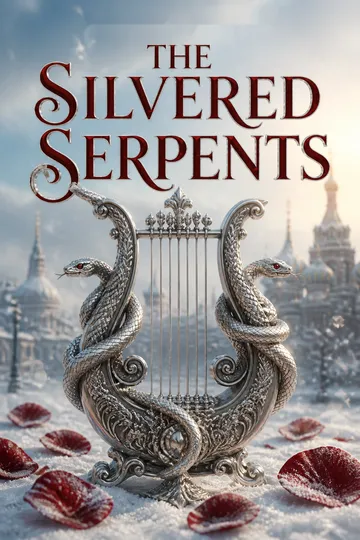
Roshani Chokshi's The Silvered Serpents is a lush, emotionally charged exploration of grief, ambition, and the cost of love. Set against a backdrop of magical heists, riddles, and historical intrigue, the novel interrogates the nature of power and the legacy of trauma—both personal and collective. The quest for the Divine Lyrics/lyre is a brilliant metaphor for the dangers of unchecked ambition: the desire to become more than human, to escape pain, and to control fate. Yet the story insists that true strength lies not in godhood, but in the willingness to bear the weight of love, loss, and imperfection. The characters' struggles with identity, belonging, and self-worth are deeply resonant in a modern context, reflecting the anxieties of a world fractured by exclusion and longing for connection. The novel's use of found family, sacrifice, and the inversion of the magical MacGuffin (the lyre as a tool of unmaking rather than creation) challenges readers to reconsider the meaning of heroism and the price of survival. Ultimately, The Silvered Serpents is a story about the monstrous beauty of love: that to care deeply is to risk pain, but also to create the possibility of healing and hope.
Review Summary
The Silvered Serpents receives mixed reviews, with ratings ranging from 3 to 5 stars. Readers praise Roshani Chokshi's beautiful writing and character development, particularly the realistic portrayal of grief following Tristan's death. The diverse cast remains beloved, though some found the middle-book pacing slow. Many appreciated the darker tone and deeper exploration of relationships, especially between Séverin and Laila. The Russian setting received mixed feedback, with less atmosphere than Paris. The shocking ending left readers emotionally devastated yet eager for book three, despite some predictable villain reveals and confusing magic system elements.
People Also Read
Characters
Séverin Montagnet-Alarie
Séverin is the charismatic, tormented leader of the group, driven by guilt over his brother Tristan's death and a desperate need to protect his found family. His mixed heritage and history of abandonment have left him with deep wounds and a hunger for belonging. Séverin's brilliance lies in his ability to read people and situations, but his emotional distance and manipulative tendencies often alienate those he loves. His quest for the Divine Lyrics is both a search for godlike power—to shield his friends from pain—and an escape from his own humanity. Séverin's journey is one of monstrous love: he is willing to become a monster to save those he loves, even if it means sacrificing their trust. His relationship with Laila is fraught with longing, resentment, and the fear that he is unworthy of love. In the end, Séverin's greatest strength and weakness is his capacity for sacrifice—a love that is as destructive as it is redemptive.
Laila
Laila is a woman literally built rather than born, her existence a secret and a curse. She is sensual, compassionate, and fiercely intelligent, with the ability to read the memories of objects. Laila's impending death—her body will not last past her twentieth birthday—drives her to seek the Divine Lyrics, hoping it will grant her more time. Her relationships are marked by both intimacy and distance: she longs for connection but fears rejection if her secret is known. Laila's dynamic with Séverin is a dance of desire and pain, each using the other as both shield and weapon. Her journey is one of self-acceptance: learning that her worth is not defined by her origins or her usefulness, but by her capacity to love and be loved. Laila's greatest fear is to be left behind, but her greatest strength is her refusal to let that fear define her.
Enrique Mercado-Lopez
Enrique is a brilliant historian and linguist, caught between cultures as a mestizo Filipino-Spanish man. He is witty, passionate, and deeply insecure, always feeling overlooked and undervalued. Rejected by the Ilustrados and uncertain of his place in the world, Enrique seeks meaning in history, love, and friendship. His relationship with Hypnos is marked by longing and the fear of not being enough, while his bond with Zofia is one of mutual understanding and support. Enrique's journey is one of self-worth: learning that his value is not determined by others' recognition, but by his own courage and compassion. His greatest strength is his ability to see connections—between people, stories, and symbols—and his greatest weakness is his tendency to doubt his own importance.
Zofia Boguska
Zofia is a Jewish Polish engineer with a mind as sharp as her social skills are blunt. She is logical, literal, and often struggles to navigate the complexities of emotion and social interaction. Zofia's love for her sister Hela is her anchor, and her fear of being a burden shapes her every decision. Her relationship with Enrique is a source of both comfort and confusion, as she learns to trust in her own worth. Zofia's journey is one of self-acceptance: realizing that her differences are not deficiencies, but strengths. Her greatest fear is abandonment, but her greatest strength is her unwavering loyalty and courage. Zofia's ability to create and destroy is a metaphor for her own struggle to find her place in a world that often misunderstands her.
Hypnos
Hypnos is the flamboyant, witty patriarch of House Nyx, always on the periphery of the group. His charm and bravado mask a deep loneliness and a longing for acceptance. Hypnos's relationship with Enrique is playful but fraught with insecurity, as both men fear being unwanted. His connection to Séverin is rooted in shared childhood trauma and the pain of being left behind. Hypnos's journey is one of vulnerability: learning that true belonging comes not from performance, but from authenticity. His greatest strength is his ability to bring levity and connection to the group, and his greatest weakness is his fear of being excluded.
Delphine Desrosiers (Matriarch of House Kore)
Delphine is a woman of power and contradiction: denied children by fate, she becomes a matriarch by force of will. Her love for Séverin is both a blessing and a curse, shaping his destiny and her own. Delphine's actions are driven by a promise to protect, but her methods are often cold and ruthless. She is haunted by regret and the knowledge that love sometimes demands monstrous choices. Delphine's ultimate sacrifice is a testament to the complexity of love: she gives her life to buy Séverin time, proving that love is not always beautiful, but it is always powerful.
Ruslan (Doctor, Patriarch of House Dazbog)
Ruslan is the story's central antagonist, a man driven by the desire to transcend mortality and remake the world. His charm and eccentricity mask a ruthless ambition and a willingness to sacrifice anyone for his vision. Ruslan's manipulation of the group is rooted in his own pain and longing for belonging. His use of the Midas Knife and the pursuit of godhood are metaphors for the dangers of unchecked ambition. Ruslan's greatest strength is his intelligence and charisma; his greatest weakness is his inability to see the humanity in others. In the end, his quest for divinity is his undoing.
Eva
Eva is a blood Forging artist with a tragic past: the daughter of a ballerina and an art dealer, her body and spirit are both scarred by abuse and manipulation. Her alliance with Ruslan and the Fallen House is born of desperation and the hope for freedom. Eva's jealousy of Laila and her longing for acceptance drive her to betray the group, but her actions are rooted in pain rather than malice. Eva's journey is one of self-destruction and, ultimately, regret. Her greatest strength is her resilience; her greatest weakness is her inability to trust.
Tristan
Tristan, though dead before the story begins, is the emotional heart of Séverin's guilt and grief. His love for Séverin and his own hidden darkness haunt every character, shaping their choices and their pain. Tristan's death is the catalyst for the group's fragmentation and the driving force behind Séverin's quest for godhood. He is both a symbol of innocence lost and the reminder that love can be both healing and destructive.
Kahina
Kahina is a figure of mystery and strength, her love for Séverin denied by the world but unwavering. Her plea for his protection sets the story in motion, and her legacy shapes Séverin's destiny. Kahina's presence is felt in every act of sacrifice and every longing for belonging. She is a reminder that love, though often silent and unseen, is the force that binds and redeems.
Plot Devices
The Divine Lyrics / Lyre
The Divine Lyrics, initially believed to be a book, is revealed as a lyre—an instrument capable of unmaking all Forged magic. Its true power can only be accessed by someone of the Lost Muses' bloodline, making it both a prize and a curse. The quest for the lyre drives the plot, serving as a metaphor for the dangers of unchecked ambition and the cost of power. The lyre's ability to destroy rather than create forces the characters to confront the consequences of their desires and the meaning of sacrifice. The device is a brilliant inversion of the typical magical MacGuffin: instead of granting wishes, it demands a reckoning with the past and the willingness to bear the weight of love and loss.
Forging and Bloodlines
Forging—the magical manipulation of matter and mind—is both a gift and a curse, tied to bloodlines and the legacy of colonial violence. The story's central mystery revolves around who can access the lyre's power, and at what cost. The theme of bloodlines is explored through the Lost Muses, the sacrifices of women, and the group's own tangled relationships. The device of inherited magic serves as a metaphor for the burdens of history, the pain of exclusion, and the longing for belonging. It also raises questions about agency, consent, and the ethics of power.
Riddles, Codes, and Symbolism
The story is structured around a series of riddles, codes, and symbolic objects: the Chamber of Goddesses, the Tezcat spectacles, the mechanical leviathan, and the lyre itself. Each puzzle requires the group to combine logic, myth, and emotion, reflecting their own struggles to understand themselves and each other. The use of riddles as plot devices reinforces the theme that knowledge is both power and danger, and that the answers we seek may not be the ones we need.
Betrayal and Sacrifice
The narrative is built on betrayals—both real and perceived—and the willingness to sacrifice for those we love. Séverin's faked murders of Zofia and Enrique, Delphine's ultimate sacrifice, and Eva's betrayal all serve to test the group's bonds and redefine the meaning of family. The device of sacrifice is used to explore the limits of love, the dangers of ambition, and the possibility of redemption. The story's structure—alternating perspectives, shifting alliances, and constant reversals—keeps the reader off-balance and heightens the emotional stakes.
Found Family and Chosen Bonds
At its heart, the story is about the creation of family in the face of loss, exclusion, and trauma. The group's bonds are forged in pain but tempered by love, and their survival is an act of resistance against a world that would unmake them. The device of found family is used to challenge traditional notions of belonging and to assert that love—however monstrous or flawed—is the force that can create as well as destroy.
The Gilded Wolves Series
About the Author
Other books by Roshani Chokshi
Download PDF
Download EPUB
.epub digital book format is ideal for reading ebooks on phones, tablets, and e-readers.








































