
Plot Summary
Prologue: Gates of Godhood
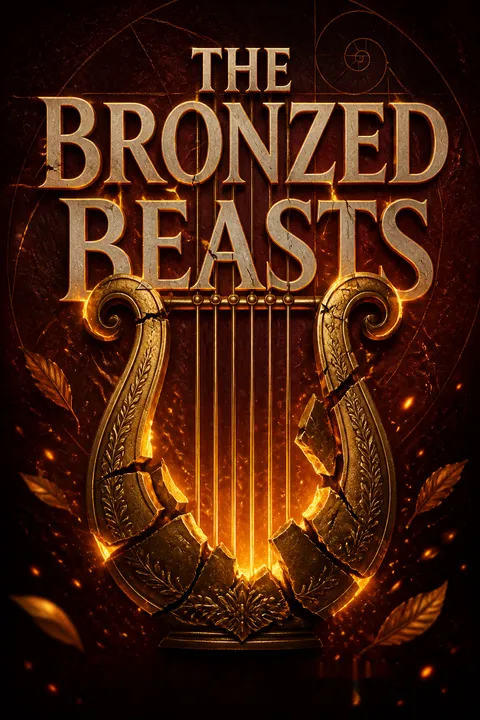
The story opens with Kahina, Séverin's mother, soothing her son and reflecting on their lineage's sacred charge: to guard the gates of godhood, embodied in a divine instrument capable of unleashing or uniting slivers of divinity. Kahina's childhood vision reveals the catastrophic potential of this power and the burden passed through generations. Her love for Séverin is tinged with fear for his future and the world's fate. This prologue sets the mythic stakes and emotional core: the tension between love, legacy, and the temptation of godlike power. The world's beauty and fragility are palpable, and the reader is drawn into a tale where ancient secrets and personal bonds will collide with destiny.
Blood and Betrayal
Séverin, now a young man, is forced into a deadly game by Ruslan, patriarch of the Fallen House, who seeks godhood through the divine lyre. Blood is spilled to open forbidden doors, and Séverin must feign loyalty while plotting to protect his friends. The group is fractured by apparent betrayal, as Séverin's actions—seemingly murderous—are revealed to be a ruse to save his companions. The emotional cost is high: trust is shattered, and the line between hero and monster blurs. The chapter pulses with tension, as Séverin's resolve to do "anything" to protect his found family is tested against the seductive, destructive promise of power.
Resurrection and Reunion
Laila, believing her friends dead by Séverin's hand, is paralyzed by grief and guilt. But as the effects of Séverin's plan wear off, Zofia and Enrique awaken, and Hypnos joins them. The reunion is bittersweet—relief is tempered by the knowledge of Laila's impending death and the group's fractured trust. Each character's vulnerabilities are exposed: Zofia clings to hope for her sister, Laila faces her mortality, and Enrique's pain is both physical and emotional. The group's unity is fragile, but necessity forces them to move forward, seeking answers and a way to save Laila.
Riddles in Venice
The group, now fugitives, follows cryptic clues left by the matriarch of House Kore to Venice. They must solve a riddle to find the safehouse and the map to the temple beneath Poveglia, where the lyre's true power can be harnessed. Old wounds and new suspicions simmer: Laila's trust in Séverin is shaken, Enrique's sense of belonging is tested, and Zofia's anxiety mounts. The city's beauty is a stark contrast to their desperation. The chapter is a dance of intellect and emotion, as the group's survival depends on their ability to work together despite heartbreak and doubt.
The Island of the Dead
The search leads to Isola di San Michele, Venice's cemetery island, where the group must interpret the matriarch's riddle. The setting is haunting, and the task forces each character to confront mortality—Laila's most of all. The safehouse key is hidden among symbols of gods and death, and the group's dynamic is strained by grief, fear, and the ticking clock of Laila's life. The island's silence amplifies their inner turmoil, and the chapter is suffused with longing for lost loved ones and the ache of impending separation.
Masks and Motives
The group infiltrates Venetian society, donning masks both literal and figurative. Laila's dual identity as L'Énigme and herself is explored, as is Enrique's struggle with his heritage and place in the world. Séverin's past and the trauma of his upbringing are revealed, deepening the psychological complexity. Hypnos emerges as both ally and enigma, his own pain and ambition mirroring Séverin's. The chapter is a kaleidoscope of motivations, as each character's desires and fears are laid bare beneath the glittering surface of the masquerade.
Oaths and Alliances
Séverin is forced into an oath-bound alliance with Hypnos, who demands the group's help in exchange for restoring Séverin's inheritance. The cost is high: Séverin's autonomy, the group's safety, and the risk of further betrayal. The group must plan a heist to steal the Horus Eye, a powerful artifact, from House Kore. Old wounds are reopened, and the bonds of found family are tested. The chapter is a crucible of trust, as each character must decide what—and whom—they are willing to risk for the sake of the others.
The Poison Garden
The heist leads the group into House Kore's greenhouse, a deadly garden of poisons and secrets. Tristan and Enrique narrowly survive a brush with death, saved by Laila's quick thinking. The group's ingenuity and loyalty are on display, but so are their vulnerabilities. The garden is a microcosm of the world they inhabit: beautiful, treacherous, and indifferent to suffering. The chapter is a breathless sequence of action and emotion, as survival depends on trust, skill, and a little luck.
The Safehouse Key
Zofia and Enrique crack the code of the Sator Square, unlocking the safehouse and securing the verit stone needed to bypass House Kore's security. The intellectual triumph is hard-won, and the process reveals the depth of their partnership. The chapter is a celebration of intellect and collaboration, but also a reminder of the stakes: every victory brings them closer to the heart of danger, and the cost of failure is death or worse.
The Horus Eye Heist
The group executes a daring plan to steal the Horus Eye during House Kore's Spring Festival. Disguises, forged invitations, and Laila's performance as a nautch dancer are all part of the elaborate ruse. The tension is electric, as every move is fraught with risk. The heist is a test of trust and skill, and the group's unity is both their greatest strength and most vulnerable point. The chapter is a high-wire act, balancing spectacle and suspense.
The Greenhouse Gambit
The plan to access the underground vault beneath the greenhouse is set in motion, involving chemical sabotage and split-second timing. The group is separated, and each must rely on their wits and courage to survive. The greenhouse becomes a crucible, burning away pretense and forcing each character to confront their fears. The chapter is a symphony of tension, as the group's fate hangs by a thread.
The Spiral Vault
The group descends into the spiral vault, facing deadly traps and puzzles based on the Fibonacci sequence and sacred geometry. The vault is both a tomb and a test, demanding intellect, bravery, and sacrifice. The group's collaboration is their salvation, but the cost is high: exhaustion, injury, and the ever-present threat of betrayal. The chapter is a meditation on the interplay of logic and faith, as the group seeks the Horus Eye at the heart of the spiral.
The Fallen House Rises
The group uncovers the truth: the Fallen House, long thought destroyed, has survived and is orchestrating a plot to awaken the Babel Fragment and seize godlike power. Roux-Joubert, their enigmatic adversary, is revealed as a fanatic willing to sacrifice anything—and anyone—for his vision. The group's triumph in the vault is short-lived, as they are plunged into a new, more dangerous game. The chapter is a turning point, as the stakes escalate from personal survival to the fate of the world.
The Catacombs' Secret
The group pursues the Fallen House into the catacombs beneath Paris, a labyrinth of bones and secrets. Séverin and Laila risk everything to rescue Tristan and stop Roux-Joubert from awakening the Babel Fragment. The catacombs are a place of horror and revelation, where the boundaries between life and death, reality and nightmare, blur. The chapter is a fever dream of fear, love, and sacrifice, as the group faces their darkest hour.
The Babel Fragment Awakens
Roux-Joubert succeeds in awakening the Babel Fragment, unleashing a wave of power that threatens to unmake the world. The group is beset by the risen Fallen House, animated skeletons, and the doctor—a mysterious figure with godlike ambitions. The only hope lies in using the Horus Eye to put the Fragment back to sleep. The chapter is a crescendo of action and emotion, as the group's unity and courage are tested to the breaking point.
Sacrifice and Survival
In the chaos, Hypnos risks everything to save his friends, using deception and courage to buy time. Laila, Zofia, and Enrique work together to activate the Horus Eye and quell the Fragment's power. The cost is devastating: Tristan is mortally wounded, and the group is forever changed. The chapter is a requiem for innocence, as the survivors grapple with grief, guilt, and the knowledge that victory has come at a terrible price.
Aftermath and Grief
In the wake of the cataclysm, the group is shattered by Tristan's death. Séverin, offered the restoration of his House, refuses, consumed by guilt and loss. Laila, haunted by secrets and sorrow, withdraws. Each character is left to mourn in their own way, and the bonds that once held them together are frayed. The chapter is a meditation on grief, the limits of love, and the cost of survival.
Promises and Departures
Months pass. The group drifts apart, each seeking solace or purpose in their own way. Laila and Séverin, separated by pain and pride, circle each other warily, their love unresolved. The threat of the Fallen House lingers, and new mysteries beckon. The story ends on a note of bittersweet hope: the promise of reunion, the ache of what's been lost, and the possibility of redemption. The gates of godhood remain guarded, but the price of that vigilance is written in blood and longing.
Analysis
A meditation on power, love, and the cost of ambitionThe Bronzed Beasts is a lush, emotionally charged exploration of what it means to be human in the face of godlike temptation. Through its diverse, deeply flawed characters, the novel interrogates the allure of power and the price of pursuing it. The story is as much about the bonds of found family as it is about the dangers of unchecked ambition. The narrative's mythic structure—echoing ancient tales of forbidden knowledge and tragic hubris—serves as a warning: that the pursuit of divinity, whether personal or collective, can lead to ruin if it is not tempered by love, humility, and sacrifice. The novel's modern resonance lies in its refusal to offer easy answers: grief is not easily healed, love is not always enough, and the world's wounds cannot be mended by power alone. Instead, the story offers a hard-won hope: that in the face of loss and longing, the courage to choose connection over conquest is itself a kind of salvation.
Review Summary
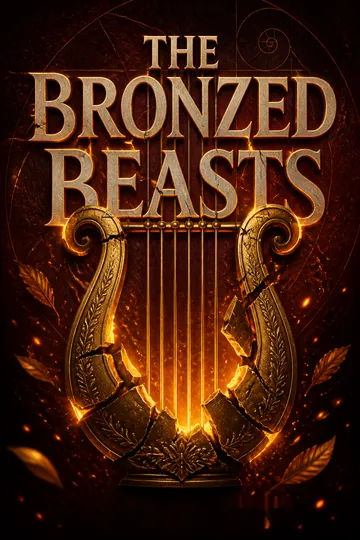
The Bronzed Beasts concludes The Gilded Wolves trilogy with the crew pursuing Séverin to Venice to save Laila's life. Reviews are mixed, averaging 4.04/5 stars. Many praise Chokshi's lush writing, character development, and found family dynamics, calling the ending emotionally devastating. However, critics cite a weak plot with predictable twists, confusing worldbuilding, inadequate explanations, and a rushed, bittersweet conclusion that left loose ends. The epilogue particularly polarized readers. While the characters resonated deeply, some felt disappointed by the finale's execution despite the trilogy's strengths in diversity and relationships.
People Also Read
Characters
Séverin Montagnet-Alarie
Séverin is the central figure, a brilliant, tormented young man shaped by abandonment, trauma, and the weight of impossible expectations. His drive to reclaim his stolen inheritance and protect his found family is both his strength and his undoing. Séverin's relationships are fraught: he loves Laila but is paralyzed by guilt and fear; he is fiercely loyal to Tristan, yet fails to save him; he is both leader and outsider, never fully belonging. Psychologically, Séverin is marked by a deep sense of unworthiness and a terror of vulnerability. His arc is one of sacrifice, self-destruction, and the painful realization that power cannot heal the wounds of the heart.
Laila
Laila is a living enigma: a girl forged by magic, haunted by an expiration date, and desperate to find the ancient book that holds the secret to her existence. Her dual identity as L'Énigme and herself reflects her struggle to reconcile performance and authenticity. Laila's love for Séverin is passionate but fraught, complicated by secrets and the knowledge that her time is running out. She is nurturing, sensual, and fiercely intelligent, but also deeply lonely. Her journey is one of self-acceptance, the quest for agency, and the courage to love and be loved despite the certainty of loss.
Enrique Mercado-Lopez
Enrique is a scholar, a dreamer, and a man caught between worlds—Filipino and Spanish, insider and outsider, lover and friend. His wit and erudition mask deep insecurities about his place in the group and the world. Enrique's longing for recognition and connection drives him to risk everything, but he is often haunted by the sense that he is never enough. His relationships with Zofia and Hypnos reveal his vulnerability and capacity for love. Psychologically, Enrique is marked by a hunger for meaning and a fear of invisibility. His arc is one of self-discovery, courage, and the bittersweet acceptance of imperfection.
Zofia
Zofia is a brilliant engineer and chemist, whose mind works in patterns and numbers. Socially awkward and often misunderstood, she finds solace in logic and the certainty of mathematics. Her love for her sister Hela and her loyalty to her friends are her anchors. Zofia's journey is one of learning to trust, to risk connection, and to find value in her own unique way of being. Her relationship with Enrique is tender and tentative, marked by mutual respect and unspoken longing. Psychologically, Zofia is driven by a need for order in a chaotic world, and her arc is one of quiet bravery and self-acceptance.
Tristan
Tristan is Séverin's foster brother and the group's gentle heart. Traumatized by abuse and haunted by nightmares, he finds comfort in plants, animals, and the small worlds he creates. Tristan's love for Séverin is unconditional, but his own fragility makes him vulnerable to manipulation. His tragic arc—culminating in betrayal and death—serves as the emotional fulcrum of the story, a reminder of the cost of love and the cruelty of fate. Psychologically, Tristan embodies innocence corrupted, and his loss reverberates through every character.
Hypnos
Hypnos is the flamboyant, lonely patriarch of House Nyx, whose wit and bravado mask a deep longing for acceptance. As a biracial man in a racist society, he is both privileged and marginalized, wielding power but always aware of its limits. Hypnos's relationship with Séverin is complex—rival, ally, and mirror. His arc is one of vulnerability, courage, and the hope that friendship can be a form of salvation. Psychologically, Hypnos is marked by a fear of abandonment and a hunger for belonging, making his loyalty both fierce and fragile.
Roux-Joubert
Roux-Joubert is the enigmatic leader of the resurgent Fallen House, obsessed with awakening the Babel Fragment and remaking the world. His charisma is matched by his cruelty, and his willingness to sacrifice anything for his vision makes him a terrifying adversary. Psychologically, Roux-Joubert is marked by delusions of grandeur, a messianic complex, and a profound disregard for individual suffering. He is both a symbol of the dangers of unchecked ambition and a cautionary tale about the cost of playing god.
The Doctor
The Doctor is the true mastermind behind the Fallen House's plot, a figure shrouded in mystery and power. His ability to manipulate minds and matter makes him nearly godlike, and his vision of a new world is both seductive and horrifying. Psychologically, the Doctor is a study in sociopathy: brilliant, ruthless, and utterly devoid of empathy. He is the embodiment of the story's central warning: that the pursuit of divinity can lead to the destruction of all that is human.
Matriarch of House Kore
The matriarch is both ally and obstacle, a woman whose duty to protect the Babel Fragment is matched by her own ambition and fear. Her relationship with Séverin is fraught with betrayal and regret, and her actions are driven by a complex mix of loyalty, guilt, and self-preservation. Psychologically, she is a study in the burdens of leadership and the corrosive effects of secrecy.
Kahina
Kahina, Séverin's mother, is the story's spiritual heart. Her love, sacrifice, and the legacy she passes to her son frame the narrative's central questions about duty, love, and the cost of power. Though absent for much of the story, her presence is felt in every choice Séverin makes, and her memory is both a comfort and a curse.
Plot Devices
Duality of Power and Sacrifice
The narrative is structured around the tension between the desire for power—embodied in the divine lyre, the Horus Eye, and the Babel Fragment—and the necessity of sacrifice. Every major plot point is a test: will the characters choose love or ambition, self-preservation or selflessness? Foreshadowing is woven through mythic allusions, dreams, and the recurring motif of blood as both key and curse. The story's structure is cyclical, echoing the ouroboros: every victory is paid for in loss, and every act of creation is shadowed by destruction. The use of riddles, puzzles, and heists as plot devices mirrors the characters' psychological labyrinths, and the narrative's emotional arc is one of hope, heartbreak, and the possibility of redemption.
The Gilded Wolves Series
About the Author
Other books by Roshani Chokshi
Download PDF
Download EPUB
.epub digital book format is ideal for reading ebooks on phones, tablets, and e-readers.








































