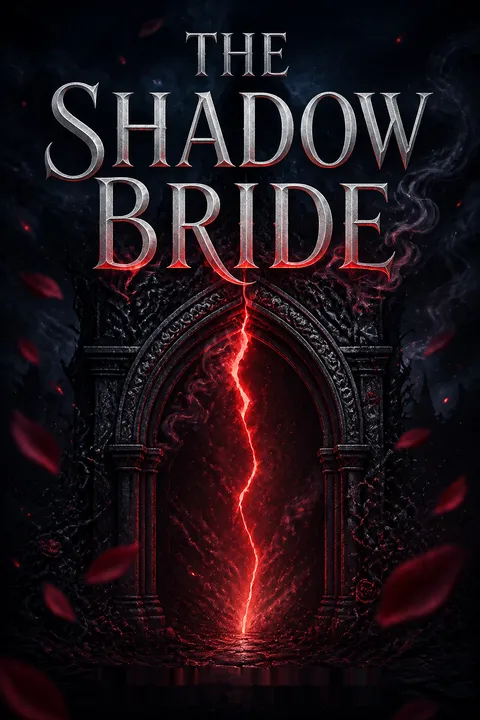

Plot Summary
Awakening to Hunger
Célie Tremblay awakens in a world that no longer fits her. She is a newborn vampire, haunted by the memory of her own death and the hunger that now defines her. Her friends—Lou, Reid, Coco, and Beau—try to help her adjust, but their kindness only sharpens her sense of loss and otherness. The scent of their blood is both temptation and torment, and the voice of her dead sister, Filippa, echoes in her mind, blurring the line between memory and haunting. Célie's struggle is not just with her monstrous appetite, but with the shattering of her identity and the fear that she will harm those she loves most. The chapter sets the emotional stakes: survival, guilt, and the desperate hope for absolution.
Haunting Voices and Séance
As Célie's hallucinations intensify, her friends attempt to reach Filippa's spirit through a séance, hoping to understand the strange phenomena plaguing Célie. The ritual, led by Odessa and fueled by blood magic, spirals out of control, unleashing a supernatural force that is not Filippa. The veil between life and death is thinner than anyone realized, and the group is left shaken, their trust in the boundaries of reality eroded. The séance is both a literal and symbolic crossing: Célie's longing for her sister and her own place in the world is met with only more uncertainty and danger. The chapter deepens the sense of isolation and the threat posed by the supernatural.
The Price of Resurrection
Michal, the ancient vampire who turned Célie, returns with dire news: the ritual that resurrected Filippa has unleashed revenants—vengeful undead—across the land. The dead are rising, animated by Célie's blood, and their purpose is to torment the living. The group's attempts to contain the threat are futile; the rules of life and death have been broken. Célie is forced to confront the reality that her existence is the catalyst for this chaos, and that the love and sacrifices of her friends may not be enough to save them. The chapter explores the cost of tampering with fate and the burden of unintended consequences.
Blood and Betrayal
Célie's struggle with her vampiric nature reaches a breaking point when she attacks Jean Luc, her former fiancé, nearly killing him in a fit of bloodlust. The act is both a physical and emotional betrayal, severing the last ties to her old life. Michal intervenes, forcing Célie to feed from him instead, an act fraught with intimacy and shame. The group is fractured by fear and guilt, and Célie is left to reckon with the monster she has become. The chapter is a meditation on self-loathing, the limits of forgiveness, and the hunger that devours all good intentions.
The Revenant Plague
The revenants, mindless and relentless, begin to overrun the kingdom. The group seeks answers from Mathilde, a reclusive witch and ancestor of Lou, who reveals that only fire can destroy the revenants and that the veil between worlds is dangerously torn. The dead are not at rest, and the living are not safe. The chapter is a race against time, as the characters must balance their personal grief with the need to act. The threat is no longer just to Célie's soul, but to the fabric of reality itself.
Dreams and Nightmares
Célie's sleep is haunted by surreal dreams: a masquerade of the dead, a clock striking doom, and the seductive presence of Michal. These dreams blur the line between desire and dread, past and present. They reveal Célie's deepest fears—of losing herself, of hurting those she loves, of being forever trapped between worlds. The dreams are also a space of revelation, where the truth of her bond with Michal and the nature of her sister's resurrection begin to surface. The chapter is a lyrical exploration of trauma, memory, and the longing for connection.
Family Ties Frayed
The arrival of Célie's formidable mother, Satine, and the reappearance of Filippa—now a revenant—force Célie to confront the fractures in her family. Old wounds are reopened as secrets and resentments spill out. Satine's attempts to control and protect her daughters are met with rebellion and heartbreak. Filippa, twisted by her resurrection and her deal with Death, becomes both victim and antagonist. The chapter is a painful reckoning with the past, as Célie must choose between loyalty to her family and the greater good.
The Veil Torn Asunder
Death, now incarnate and manipulating events, reveals his intention to bring down the veil between life and death, merging the realms and ending the natural order. He uses Célie and Filippa as pawns, exploiting their love and guilt. The group's attempts to resist are met with violence and despair. The boundaries between worlds are collapsing, and the cost of resurrection is revealed to be the unraveling of reality itself. The chapter is a crescendo of dread, as hope seems to slip away.
Death's Bargain
Death forces Célie to choose: sacrifice someone she loves to restore the balance, or watch the world fall. Michal offers himself, and Célie is forced to kill him, breaking their bond and her own heart. The act is both a personal and cosmic sacrifice, echoing the themes of love, loss, and the price of power. The chapter is a crucible of grief, as Célie is left alone, her faith in herself and the world shattered.
Coup in the Shadows
In the aftermath of Michal's death, Odessa seizes power, staging a coup and becoming queen of the vampires. The group is divided by grief and suspicion, as old alliances are tested and new threats emerge. The political machinations mirror the chaos in the supernatural realm, as the characters struggle to find purpose and hope in a world that seems bent on destruction. The chapter is a study in survival, adaptation, and the cost of leadership.
The Queen Ascends
Odessa's reign is marked by both strength and ruthlessness. She must contend with dissent among the vampires, the ongoing threat of Death, and her own fractured family. Célie, now human again, navigates the new order with caution, seeking allies and searching for a way to mend the veil. The chapter explores the complexities of power, the necessity of hard choices, and the possibility of redemption.
The Cost of Immortality
Célie and Michal's relationship is tested by the revelation that their bond—Le Lien Éternel—is both a source of strength and a potential curse. To save the world, one of them may have to remain dead. The chapter is an intimate exploration of love, mortality, and the willingness to let go. The characters must decide what they are willing to sacrifice for each other and for the greater good.
The Garden of Death
Célie and Filippa journey into the realm of the dead, a surreal garden where the rules of life and death are rewritten. Here, they confront their pasts, their regrets, and the possibility of forgiveness. The garden is both a place of peace and a crucible of choice: to move on, to return, or to remain trapped by grief. The chapter is a meditation on healing, acceptance, and the power of memory.
The River's Choice
At the river that separates the living from the dead, Célie must decide whether to return to life or remain with Michal. The bond between them is tested to its limit, as is Filippa's resolve. The river is both literal and symbolic: a crossing, a letting go, a chance for rebirth. The chapter is a turning point, as the characters choose hope over despair, and the possibility of a new beginning.
The Bond Eternal
Célie's love for Michal—and his for her—proves stronger than the forces that seek to keep them apart. Their bond, once a source of fear, becomes the key to their salvation. Together, they return to the world of the living, changed but whole. The chapter is a celebration of love's power to heal, to redeem, and to endure beyond death.
Sacrifice and Salvation
With the help of her friends and family, Célie confronts Death one final time. The cost of victory is high—lives lost, wounds that may never heal—but the veil is mended, and the natural order restored. Filippa chooses to live, and the cycle of pain is broken. The chapter is both an ending and a beginning, as the characters step into a world remade by their choices.
The Veil Mended
In the aftermath, the survivors gather to mourn, to celebrate, and to rebuild. Old wounds are acknowledged, forgiveness is offered, and new bonds are forged. The supernatural and the mundane find a fragile peace, and the promise of a better future glimmers on the horizon. The chapter is a quiet, hopeful coda to the storm.
A New Dawn
The story closes with the characters embracing their new lives—human, vampire, witch, or something in between. Love, family, and friendship endure, even as the scars of the past remain. Célie and Michal, finally free to choose each other, look to the future with hope. The world is not perfect, but it is theirs to shape. The chapter is a testament to resilience, the power of choice, and the possibility of happily ever after.
Analysis
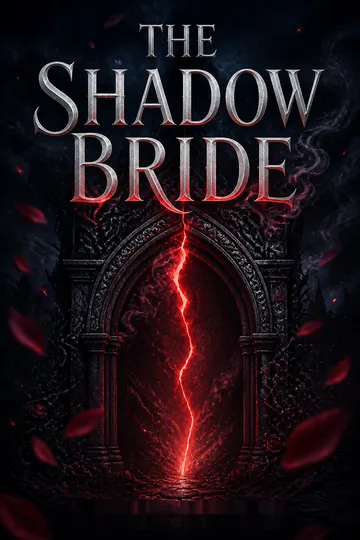
Shelby Mahurin's The Shadow Bride is a lush, emotionally charged exploration of grief, love, and the cost of refusing to let go. At its heart, the novel is about the boundaries we cross—between life and death, self and other, past and future—in our quest for connection and meaning. The torn veil is both a supernatural threat and a metaphor for psychological wounds: when we resurrect the past, we risk unleashing monsters that cannot be easily contained. The story refuses easy answers: love is both salvation and curse, power is always double-edged, and healing requires both sacrifice and acceptance. Mahurin's characters are deeply flawed, their relationships fraught with longing, guilt, and the desperate hope for redemption. The novel's ultimate message is one of resilience: even in a world broken by loss, we can choose to mend what is torn, to forgive what is past, and to build a new future—together. The ending, with its embrace of imperfection and hope, is a testament to the enduring power of love and the possibility of happily ever after, not as a guarantee, but as a choice.
Review Summary
People Also Read

Characters
Célie Tremblay
Célie is the emotional heart of the story, a young woman transformed into a vampire against her will and forced to navigate a world that no longer fits her. Her relationships—with her friends, her family, and especially her sister Filippa and lover Michal—are fraught with longing, guilt, and the desperate need for connection. Célie's journey is one of self-acceptance: she must confront her own darkness, forgive herself for her perceived failures, and ultimately choose life and love over despair. Her psychological arc is defined by her struggle with monstrous hunger, her fear of hurting those she loves, and her eventual realization that vulnerability is not weakness, but strength.
Michal Vasiliev
Michal is both Célie's savior and her greatest temptation. As the vampire who turned her, he is burdened by centuries of regret and the knowledge that his love for Célie may doom them both. Michal is fiercely protective, deeply loyal, and haunted by the choices he's made—especially the deal with Death that gave him immortality. His relationship with Célie is passionate, fraught with power dynamics, and ultimately redemptive. Michal's arc is about letting go of control, accepting love, and choosing hope even when it means risking everything.
Filippa Tremblay
Filippa is both victim and villain, a revenant brought back by forbidden magic and twisted by her deal with Death. Her love for her lost child and for Célie drives her actions, but grief and resentment warp her into a figure of both sympathy and terror. Filippa's psychological complexity lies in her inability to let go—of the past, of her pain, of her need for control. Her arc is one of reluctant redemption: she must choose whether to perpetuate the cycle of suffering or to break it by embracing her own humanity.
Odessa Petrov
Odessa is a powerful vampire and political operator, forced to seize the throne in the wake of Michal's apparent death. Her relationship with her twin brother Dimitri is central to her character: their bond is both a source of strength and a site of deep pain. Odessa is pragmatic, ruthless when necessary, but not without vulnerability. Her arc is about leadership, the cost of power, and the struggle to protect her found family in a world that demands sacrifice.
Dimitri Petrov
Dimitri is the black sheep of the vampire family, plagued by bloodlust and self-loathing. His deal with Death is both a bid for survival and a source of shame. Dimitri's charm masks deep wounds, and his journey is one of seeking forgiveness—from others and from himself. His relationship with Odessa, and his unlikely friendship with Célie, are lifelines that pull him back from the brink. Dimitri's arc is about accepting imperfection and choosing to live, even when it means facing the consequences of his actions.
Lou le Blanc
Lou is Célie's closest friend, a powerful witch whose magic is both a gift and a curse. Her irreverence and humor mask a deep well of pain, especially as the veil's sickness threatens her very being. Lou's arc is about endurance: she must fight for her own survival while supporting those she loves, even when it means making impossible choices. Her relationship with Reid, and her role as a bridge between the magical and mundane, make her a vital anchor in the story.
Satine Tremblay
Satine is a force of nature, determined to control and protect her daughters even as her own life unravels. Her relationship with Célie and Filippa is fraught with unspoken pain, regret, and the weight of generational trauma. Satine's arc is about letting go—of control, of the past, and of the need to be perfect. Her willingness to sacrifice for her children is both her greatest strength and her deepest wound.
Death
Death is both a character and a cosmic principle, incarnate and cunning. His desire to bring down the veil and merge the realms is driven by a twisted longing for connection and power. Death is a master manipulator, exploiting the weaknesses and desires of others. His psychological complexity lies in his simultaneous alienation and fascination with humanity. Death's arc is a dark mirror to Célie's: where she seeks belonging, he seeks dominion; where she chooses love, he chooses control.
Mathilde le Blanc
Mathilde is Lou's ancestor and a repository of forbidden knowledge. Her cynicism and sharp tongue hide a deep well of pain and wisdom. Mathilde's role is to guide the younger generation, even as she resists involvement. Her arc is about accepting responsibility, the limits of power, and the necessity of change.
Jean Luc Toussaint
Jean Luc is Célie's former fiancé, a huntsman torn between love, duty, and betrayal. His inability to let go of the past and his struggle to forgive Célie mirror her own journey. Jean Luc's arc is about acceptance: of loss, of change, and of the need to move forward.
Plot Devices
The Torn Veil
The central plot device is the veil—a metaphysical barrier separating the living from the dead. Its tearing, caused by forbidden resurrection magic, unleashes revenants and destabilizes the natural order. The veil is both a literal and symbolic boundary: its state reflects the characters' psychological wounds, the consequences of love and loss, and the dangers of refusing to let go. The mending of the veil is the story's ultimate goal, requiring sacrifice, self-knowledge, and the acceptance of mortality.
Blood Magic and Resurrection
Blood is both a source of power and a symbol of connection—between lovers, family, and the supernatural. The use of blood magic to resurrect Filippa sets the plot in motion, but every act of magic demands a price. The story uses blood as a metaphor for intimacy, sacrifice, and the dangers of unchecked desire. The consequences of resurrection—revenants, the unraveling of reality—are foreshadowed throughout, building tension and raising the stakes.
The Eternal Bond (Le Lien Éternel)
The bond between Célie and Michal is a double-edged sword: it grants strength and connection, but also threatens to trap them in a cycle of sacrifice. The bond is a plot device that externalizes the story's central questions: What are we willing to give up for love? Can love survive death? The bond's formation, breaking, and restoration structure the emotional arc of the narrative.
Foreshadowing and Mirroring
The story is rich in foreshadowing: dreams, visions, and repeated motifs (mirrors, music boxes, rivers) hint at future events and deeper truths. Characters' journeys mirror each other—Célie and Filippa, Michal and Death, Lou and Mathilde—emphasizing the cyclical nature of trauma and healing. The narrative structure itself is recursive, with each act of violence or love echoing through the generations.
The Garden and the River
The realm of the dead is depicted as a garden, with a river separating the living from the afterlife. This setting is both a liminal space and a crucible of decision: characters must choose whether to move on, to return, or to remain trapped by grief. The garden and river are metaphors for healing, acceptance, and the possibility of new beginnings.
The Scarlet Veil Series
About the Author
Other books by Shelby Mahurin
Download PDF
Download EPUB
.epub digital book format is ideal for reading ebooks on phones, tablets, and e-readers.








































