
Plot Summary
Butterfly Wings and Blackouts
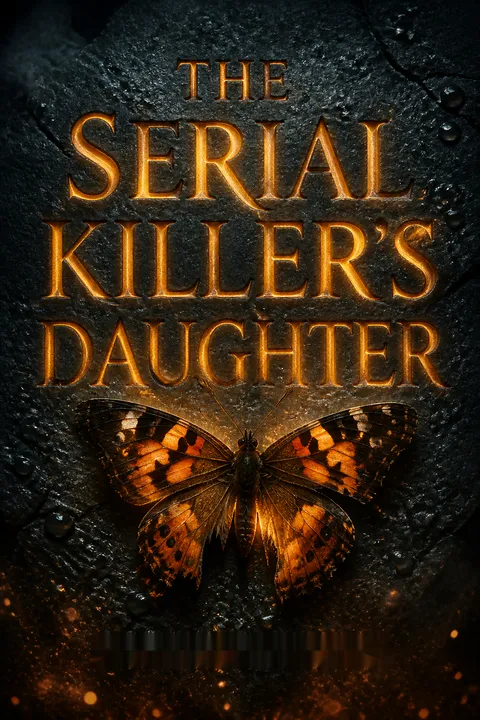
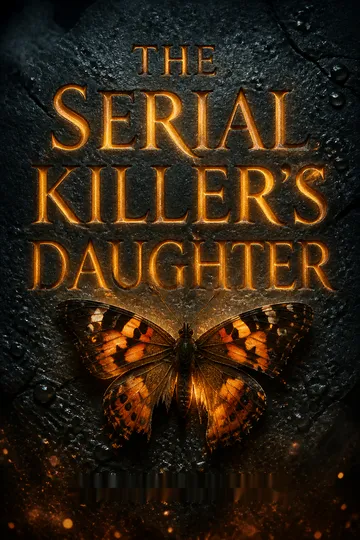
The story opens with a chilling scene: a young girl methodically dismembers a butterfly, watched by her mother, who is gripped by dread that history is repeating itself. Years later, Jenny, now an adult, wakes from a blackout, her hands dirty and her wedding ring missing. She is plagued by memory lapses and night terrors, unable to recall her actions. Her husband, Mark, is concerned but also wary, as Jenny's episodes have grown more frequent. The sense of unease is palpable, both in Jenny's fractured mind and in the household, where the ordinary is tinged with the sinister. The motif of the butterfly—fragile, easily destroyed—echoes through Jenny's life, hinting at a legacy of violence and secrets that she cannot escape.
Marriage, Memory, and Mistrust
Jenny and Mark's relationship is built on love but riddled with unspoken truths. Mark, supportive yet increasingly suspicious, finds Jenny's wedding ring and muddy pajamas hidden away, reminders of her nocturnal wanderings. Their children, Ella and Alfie, are caught in the crossfire of their parents' tension. Jenny's professional life as a vet offers her solace, but even there, she is haunted by her past and her mother's controlling influence. The couple's inability to communicate openly about Jenny's blackouts and Mark's own past mistakes—especially his affair with Olivia, a woman now missing—creates a toxic brew of mistrust. Both are desperate to protect their family, but their silence only deepens the chasm between them.
Gifts on the Doorstep
Jenny discovers a mutilated cat and a dead butterfly left on her doorstep, a grotesque echo of her childhood cruelty. The gifts escalate: more dead animals, each accompanied by a butterfly, each more personal and disturbing. Jenny is terrified that someone knows her secret—that she is the daughter of a notorious serial killer, the Painted Lady Killer, who left butterflies as his calling card. The gifts are both a threat and a message, forcing Jenny to confront the possibility that her past is catching up with her. The psychological torment intensifies as she questions her own sanity and wonders if she is being framed—or if she herself is responsible during her blackouts.
Shadows from the Past
Jenny's memories of her father's arrest and her mother's suffocating love return in vivid, nightmarish flashes. Her father, once her protector, was revealed to be a serial killer who preyed on women and left butterflies as his signature. Jenny's mother, Claire, isolated her, feeding her lies and keeping her prisoner in their home. These traumas manifest in Jenny's adult life as blackouts, night terrors, and a deep-seated fear that she is doomed to repeat her father's sins. The narrative weaves between past and present, showing how Jenny's attempts to build a normal life are constantly undermined by the darkness she carries within.
The Missing Woman
Olivia Edwards, the woman with whom Mark had an affair, disappears after a night at the local pub. The village is thrown into turmoil, with police and media swarming the area. Jenny is both a suspect and a victim—her connection to Olivia and her erratic behavior make her a target for gossip and police scrutiny. The community's veneer of civility cracks as fear and suspicion spread. Jenny's paranoia grows: is she being watched? Is someone trying to frame her for Olivia's disappearance? The pressure mounts as the police begin to close in, and Jenny's grip on reality becomes increasingly tenuous.
Nightmares and Family Secrets
Jenny's blackouts intensify, and she begins to suspect that she might be responsible for the dead animals and even Olivia's disappearance. Mark, meanwhile, is torn between loyalty and doubt, haunted by his own guilt over the affair and his failure to protect Jenny. The couple's mutual suspicion reaches a breaking point when Mark discovers Olivia's bracelet hidden in their home and turns it over to the police. Jenny's world unravels as she is arrested and interrogated, forced to confront the possibility that she is not only her father's daughter but also his heir in violence.
The Painted Lady's Legacy
Interspersed throughout the narrative are excerpts from the Painted Lady Killer's perspective, revealing his manipulative, narcissistic mindset. He describes his crimes as art, his victims as canvases, and his daughter as his "princess." These chilling insights provide a psychological backdrop to Jenny's struggles, suggesting that the cycle of violence is both inherited and inescapable. The killer's correspondence with a mysterious visitor hints at a new generation of darkness, as someone seeks to emulate his crimes and destroy Jenny's life from the shadows.
Evidence and Accusations
As the investigation intensifies, Jenny becomes the prime suspect in Olivia's abduction. Surveillance footage, witness statements, and the discovery of Olivia's bracelet all point to her guilt. Jenny's attempts to clear her name are hampered by her own unreliable memory and the mounting evidence against her. Mark, wracked with guilt and fear for his children, takes them and leaves Jenny alone, further isolating her. The police, led by DS Davis, are relentless, and Jenny's only allies—her friend Roisin and her colleague Nisha—can offer little more than moral support. The net tightens, and Jenny is forced to take desperate measures to prove her innocence.
The Village Turns
The village, once a place of safety, becomes a crucible of suspicion and betrayal. Jenny is ostracized, her every move scrutinized by neighbors and friends. The playground mothers gossip, the police watch her every step, and even her children are affected by the stigma. Jenny's sense of self disintegrates as she is forced to confront the reality of her isolation. The psychological toll is immense, and she teeters on the brink of collapse, haunted by the fear that she is indeed her father's daughter—a killer in waiting.
The Copycat's Game
The narrative shifts as it becomes clear that someone is deliberately framing Jenny, replicating the Painted Lady Killer's methods with chilling precision. This copycat is revealed to be Abi, a seemingly innocuous young woman who has infiltrated Jenny's life under false pretenses. Abi's obsession with Jenny and her family is rooted in her own twisted connection to the past—she is Jenny's half-sister, the product of Claire's attempt to replace her lost daughter. Abi's campaign of terror is both a bid for recognition and a calculated act of revenge, designed to destroy Jenny and claim her place as the true heir to the Painted Lady's legacy.
Unraveling the Truth
With the help of Roisin and Nisha, Jenny pieces together the clues that lead her to the underground shelter where Olivia is being held. The race against time is fraught with danger, as Jenny must navigate the treacherous terrain of her own mind and the physical landscape of her father's old killing grounds. The discovery of Olivia—alive but traumatized—marks a turning point, but the danger is far from over. Abi, exposed but unrepentant, confronts Jenny in a final, violent showdown at the vet practice, where the truth is finally brought to light.
Sisterhood of Shadows
The climactic confrontation between Jenny and Abi is a battle not just for survival but for identity. Abi, driven by jealousy and a desperate need for validation, confesses to her crimes and her true parentage. The sisters' shared trauma is laid bare, and Jenny is forced to reckon with the legacy of violence that has shaped both their lives. The intervention of the police and the recovery of crucial evidence exonerate Jenny, but the scars—physical and emotional—remain.
The Final Confrontation
In a brutal struggle, Jenny is wounded but manages to subdue Abi with a sedative, just as the police arrive. Abi's arrest and confession bring the ordeal to an end, but the aftermath is bittersweet. Jenny is cleared of all charges, but her marriage to Mark is irreparably damaged by his betrayal and lack of faith. The community, too, must come to terms with the darkness that has lurked beneath its surface. The cycle of violence is broken, but at great cost.
Healing, Loss, and New Beginnings
Jenny is released from the hospital, physically and emotionally battered but determined to rebuild her life. Her friendship with Roisin endures, and she is reunited with her children, who remain her anchor. Mark, remorseful but unable to repair the damage, leaves, and Jenny faces the future as a single mother. The legacy of the Painted Lady Killer lingers, but Jenny is resolved to protect her children from the darkness that haunted her own childhood. The story ends with a note of hope, as Jenny embraces her freedom and the possibility of a new beginning.
The Cycle Continues
In a haunting epilogue, Jenny observes her daughter, Ella, dismembering a butterfly—just as she once did. The cycle of violence and trauma threatens to repeat itself, and Jenny is gripped by the fear that the "killing gene" may have skipped a generation. The story closes on an ambiguous note, as Jenny vows to protect her daughter at all costs, even as she wonders if history is doomed to repeat itself.
Analysis
Alice Hunter's The Serial Killer's Daughter is a masterful exploration of inherited trauma, the fragility of identity, and the corrosive power of secrets. Through the lens of domestic noir, the novel interrogates the ways in which violence and dysfunction are passed down through generations—not just genetically, but through silence, shame, and the desperate need for love and belonging. Jenny's journey is both a psychological thriller and a meditation on the possibility of redemption: can we ever truly escape the shadows of our past, or are we doomed to repeat the sins of our parents? The novel's use of unreliable narration, red herrings, and shifting perspectives keeps the reader in a state of suspense, mirroring Jenny's own uncertainty and fear. The revelation that the true antagonist is not a stranger but a sister—another victim of the same toxic legacy—underscores the tragedy at the heart of the story. In the end, The Serial Killer's Daughter offers no easy answers, but it does suggest that healing is possible, if only we have the courage to confront the darkness within and break the cycle for the next generation. The chilling final image—a child dismembering a butterfly—reminds us that the past is never truly past, and that vigilance, empathy, and honesty are our only defenses against history repeating itself.
Review Summary
The Serial Killer's Daughter receives mixed reviews averaging 3.81/5 stars. Readers praise the gripping premise of Jenny, a veterinarian hiding her identity as a serial killer's daughter, who suffers blackouts when a local woman disappears. Many found the dual narrative between Jenny and her husband Mark compelling, with strong psychological tension. However, common criticisms include predictable twists, inconsistent pacing, underdeveloped characters, and repetitive elements. The animal cruelty scenes disturbed some readers. While several reviewers were engrossed and finished quickly, others found it slower and less exciting than the author's first book.
People Also Read
Characters
Jenny (Jane) Johnson
Jenny is the daughter of the infamous Painted Lady Killer, Paul Slater, and the emotionally abusive Claire. Her childhood was marked by trauma, secrecy, and isolation, leading to lifelong struggles with blackouts, night terrors, and self-doubt. As an adult, Jenny is a dedicated veterinarian, wife, and mother, striving to build a safe, loving home for her family. Her marriage to Mark is strained by mutual mistrust and unspoken secrets, particularly after his affair with Olivia. Jenny's psychological complexity is central to the novel—she is both victim and potential suspect, constantly questioning her own sanity and morality. Her journey is one of self-discovery, as she confronts the darkness within and fights to break the cycle of violence that has defined her life.
Mark Johnson
Mark is Jenny's husband, a man torn between love and suspicion. His affair with Olivia is a catalyst for much of the novel's tension, and his inability to fully trust Jenny—compounded by her blackouts and the mounting evidence against her—leads to betrayal. Mark's own past is not without shadows; he is haunted by guilt and a tendency to avoid confrontation. His decision to turn over evidence to the police is both an act of desperation and a failure of faith in his wife. Mark's arc is one of regret and loss, as he realizes too late the cost of his actions and the depth of Jenny's pain.
Abi (Jaime)
Abi is the novel's antagonist, a young woman who infiltrates Jenny's life under the guise of a friendly, ambitious veterinary assistant. In reality, she is Jenny's half-sister, the daughter Claire had in a failed attempt to replace Jane. Abi's psychological profile is shaped by jealousy, neglect, and a desperate need for validation. Her obsession with Jenny and the Painted Lady Killer leads her to orchestrate a campaign of terror, framing Jenny for Olivia's abduction and attempting to replicate her father's crimes. Abi's confession reveals a deep-seated rage and a twisted sense of justice, making her both a tragic and terrifying figure.
Paul Slater (The Painted Lady Killer)
Paul is a convicted serial killer whose crimes haunt the narrative. His relationship with Jenny is complex—he idolizes her as his "princess" but is ultimately responsible for her lifelong trauma. Paul's correspondence and interviews reveal a narcissistic, controlling personality, obsessed with legacy and recognition. His influence extends beyond the grave, as his methods and mythology inspire Abi's copycat crimes. Paul embodies the novel's central question: is violence inherited, or can it be overcome?
Claire Slater
Claire is Jenny's mother, a woman broken by her husband's crimes and obsessed with keeping her daughter close. Her suffocating love and manipulation leave Jenny emotionally scarred and desperate for escape. Claire's decision to have another child, Abi, is an attempt to fill the void left by Jane's departure, but it only perpetuates the cycle of dysfunction. Claire's role is both victim and perpetrator, her actions shaping the destinies of both her daughters.
Olivia Edwards
Olivia is the woman at the center of the novel's mystery—Mark's former lover and the target of the copycat's violence. Her disappearance and eventual rescue drive the plot, and her fate is a mirror for Jenny's own fears and vulnerabilities. Olivia's character is less developed than others, serving primarily as a symbol of the collateral damage wrought by secrets, jealousy, and inherited trauma.
Roisin
Roisin is Jenny's closest confidante, offering support, loyalty, and practical help throughout the ordeal. Her willingness to investigate, confront uncomfortable truths, and stand by Jenny even when others turn away makes her a vital anchor in Jenny's life. Roisin's presence highlights the importance of chosen family and the possibility of healing through connection.
Nisha
Nisha is a veterinary nurse who works with Jenny and becomes a potential suspect in the eyes of both the reader and the characters. Her proximity to the case and her own personal struggles add layers of complexity to the investigation. Ultimately, Nisha proves to be a loyal friend and a crucial ally in uncovering the truth.
DS Talia Davis
DS Davis leads the police investigation into Olivia's disappearance and the mounting evidence against Jenny. Her approach is methodical and unyielding, but she is also capable of empathy and open-mindedness. Davis's skepticism and eventual willingness to consider alternative explanations are key to the resolution of the case.
Ella
Ella is Jenny and Mark's daughter, a bright and curious girl whose actions in the epilogue—dismembering a butterfly—suggest the possibility that the cycle of violence may continue. Ella represents both hope and fear for the future, embodying the novel's central question about the inheritance of trauma and the possibility of breaking free.
Plot Devices
Unreliable Narration and Memory
The novel employs Jenny's unreliable narration—her blackouts, night terrors, and suppressed memories—to create suspense and ambiguity. The reader is never certain whether Jenny is a victim or a perpetrator, mirroring her own uncertainty. This device heightens the psychological tension and keeps the reader guessing until the final revelation.
Copycat Crime and Inherited Violence
The central plot device is the replication of the Painted Lady Killer's crimes by Abi, who seeks to frame Jenny and claim her place as the true heir. The motif of the butterfly, the use of dead animals, and the underground shelter all echo the original murders, creating a sense of inevitability and doom. The question of whether violence is inherited—whether Jenny is doomed to repeat her father's sins—drives the narrative and shapes the characters' actions.
Red Herrings and Misdirection
The novel is structured around a series of red herrings—Nisha's suspicious behavior, Mark's betrayal, Jenny's own blackouts—that keep the reader and the characters off balance. The true culprit, Abi, is hidden in plain sight, her motives and identity only revealed in the climactic confrontation. This device maintains suspense and underscores the theme of hidden darkness beneath the surface.
Dual Timelines and Interspersed Letters
The narrative weaves between Jenny's present-day ordeal and flashbacks to her childhood, as well as excerpts from her father's letters and interviews. These interludes provide psychological depth, reveal crucial information, and create a sense of continuity between generations. The letters, in particular, serve as both a source of trauma and a key to unraveling the mystery.
Psychological Realism and Domestic Noir
The novel's tension is rooted in the ordinary—marriage, motherhood, work, and community—made extraordinary by the intrusion of violence and suspicion. The domestic setting amplifies the horror, as the safe spaces of home and family become battlegrounds for survival and truth. The psychological realism of Jenny's experience grounds the narrative, making the extraordinary events feel both plausible and deeply unsettling.
The Serial Killer's Family Series
Download PDF
Download EPUB
.epub digital book format is ideal for reading ebooks on phones, tablets, and e-readers.








































