


Plot Summary
Prologue
The novel opens with an unnamed voice addressing a red-haired woman in a grey-brick house, detailing months of obsessive surveillance — following her to the garage, the dental surgery, through supermarket aisles. The watcher envies her husband, her home, her unremarkable life, and simmers with possessive fury at everything this woman takes for granted.
The monologue is intimate and predatory: this is not random malice but a targeted campaign by someone who believes they deserve what Tasha1 has. The identity stays hidden, but the threat is precise — everything she loves is about to be stripped away.
Swapping Lives for Venice
Tasha1 and her husband Aaron3 — a mechanic in the English village of Chew Norton — haven't spent a night alone since their twin daughters Elsie and Flossie14 were born nearly three years ago.
Her older sister Alice,2 an Oxford-educated biochemist married to wealthy tech entrepreneur Kyle,6 offers them a week at her Venetian apartment while she and Kyle6 look after the girls. The couple arrives in a bright orange McLaren, all designer clothes and effortless wealth.
As Tasha1 leaves, she notices a small blue chalk asterisk drawn on the pavement outside but thinks nothing of it. In Venice, the couple discovers a palazzo overlooking the Grand Canal. Tasha1 slips into Alice's expensive dresses, trying on her sister's life like borrowed silk. For one night, it works.
Followed Through Venice
At brunch the next morning, a tattooed man stares at Tasha1 with hostile intensity, mouthing words she cannot decipher. She is wearing Alice's clothes and carrying her designer handbag. That evening, after a romantic anniversary dinner, Aaron3 leads them through empty back streets during a thunderstorm.
The same man blocks their path, a knife glinting at his thigh. He mutters something in Italian that they later translate as meaning they owe him. The couple sprints through winding lanes until the crowds of St Mark's Square swallow them.
Back at the apartment, Aaron3 blames himself for the shortcut. Meanwhile in Chew Norton, Alice2 tells their mother Jeanette4 on the phone that she has the unsettling sense of being watched from outside the house.
The Five A.M. Phone Call
Aaron's3 phone screams at dawn. His mother Viv7 delivers the news in panicked fragments: a break-in at their house, Kyle6 dead, Alice2 hospitalized with a head injury. The twins slept through it all and are safe. Tasha1 and Aaron3 catch the next flight home, tormented by helplessness at thirty thousand feet.
At the hospital, Alice2 describes hearing a noise downstairs, Kyle6 going to investigate. When he didn't return she went down and found him on the living room floor, then felt a violent shove from behind before everything went black.
She'd forgotten to lock the patio doors. Three-year-old Flossie14 later whispers to Tasha1 that she heard a big bang in the night and was too frightened to move from her bed. The house where they brought their babies home is now a crime scene.
Six Words on the Doormat
When the family returns to their house, the living room rug is gone — seized as evidence, saturated with Kyle's6 blood. Aaron3 finds a folded note on the doormat addressed to Natasha. Six block-capital words declare that the attack was supposed to be for her.
The police assign a patrol car and a family liaison officer, DC Chloë Jones.10 Aaron3 reveals that the blue chalk asterisk outside is a calling card used by the Knight brothers, notorious local criminals who mark houses for burglary.
But the note suggests something more personal than opportunistic theft. Someone wanted Tasha1 and Aaron,3 and got the wrong sister instead. Guilt begins corroding Tasha1 from the inside: her sister shattered, her brother-in-law dead, because someone wanted to hurt her.
Kyle's Last Confession
A woman named Eve8 approaches Tasha1 on the street, introducing herself as Kyle's6 first girlfriend. Over coffee she reveals that Kyle6 secretly contacted her the day he was killed. They met by the lakes while he was supposedly jogging.
Kyle6 told Eve8 he was frightened — involved with dodgy investors who were threatening him, aware that Alice2 had noticed someone watching their house. He also mentioned not wanting to worry Alice2 because she had something going on involving her missing sister.
When Tasha1 relays this to Alice,2 her sister is furious, dismissing Eve8 as a fantasist still obsessed with Kyle.6 Alice2 also flatly denies that Kyle6 had a brother named Connor,11 contradicting what Eve8 claimed. But Alice2 later whispers to Tasha1 that she has something important to reveal — not in front of their mother.
DNA From a Ghost
DI Thorne12 delivers a bombshell: blood found on the living room rug shows DNA with familial similarities to the Harpers — but doesn't match any of them. He asks Jeanette4 directly whether she has another child. Holly Harper, Jeanette's4 baby daughter abducted from her pram outside a village shop thirty years ago, was never found.
Alice2 then reveals a second shock: for months she's been receiving typed letters from someone claiming to be Holly, and met a blonde woman at a conference in Liverpool who introduced herself as their missing sister. She shows them a photograph of the first letter on her phone. The implications are staggering — Holly may be alive, may have been inside the house the night Kyle6 died, and may be dangerous.
The Body in the Pond
One morning Jeanette4 spots something from the twins' bedroom window. Aaron3 races outside and, with a neighbor, pulls a body from the pond — Zoë,9 the young receptionist from Aaron's3 garage, face down in the reeds, still in the same black suit from the night before. She has a wound on her head. Police question Aaron3 after witnesses report that Zoë9 tried to kiss him at the pub and he pushed her away.
Tasha,1 terrified for her husband, lies to the detectives — claiming she was awake when he returned home at half-eleven, though she'd been asleep. Aaron's3 already frayed composure begins to crack. The investigation tightens around him while Tasha1 quietly wonders what really happened after she left the pub that night.
Connor in the Search History
Staying at Alice's2 sprawling London home before Kyle's6 funeral, Tasha1 replies to emails on Alice's2 laptop and discovers a message about Connor Campbell11 — Kyle's6 brother — from a counselor at a rehabilitation facility in Brighton.
Alice's2 browser history includes searches for Connor,11 for the counselor, and for the scientific term chimera alongside genetics. When confronted, Alice2 admits she lied: Kyle6 did have a younger brother, a former heroin addict he'd cut off years ago. She'd been trying to reunite them secretly.
Then Connor11 himself arrives at the house. Standing in the living room, he reveals it was the Campbell family home all along — not a recent purchase, as Alice2 believed. Kyle6 had manipulated their parents' estate to deny Connor11 his entire inheritance.
A Box Marked 'After My Death'
In chapters set months earlier, a woman named Bonnie5 discovers that her dying mother Clarissa16 left a sealed box with instructions not to open it. Inside: yellowing newspaper articles about the Holly Harper abduction, baby clothes, a lock of blonde hair, and a photograph of their back garden labeled with the words final resting place.
Bonnie's5 father, an oil-rig worker absent for months at a time, breaks down and confirms what he'd long suspected. Their adopted baby had died — likely cot death — while he was offshore. Clarissa,16 unhinged with grief, had traveled to Chew Norton and stolen Holly from her pram outside a shop. The real adopted child is buried in the garden. The woman Bonnie5 has been her entire life is actually Holly Harper.
Viv's Thirty-Year Silence
Bonnie5 moves to Chew Norton and contacts Vivian Pritchard7 — Aaron's3 mother and, it turns out, Clarissa's16 estranged older sister. Viv7 confesses she glimpsed Clarissa16 in the village the morning Holly vanished and, years later, found Holly Harper clippings in her sister's house.
When she confronted Clarissa,16 her sister threatened suicide if Bonnie5 were ever taken away. Viv7 chose to protect her fragile sibling over justice for the Harpers, a family she barely knew at the time.
She never told anyone — not her husband, not the police. When Aaron3 later married Tasha,1 making Viv7 and Jeanette4 family by law, the secret became a grenade she sat on for decades, avoiding Jeanette4 whenever possible, carrying guilt like a stone she could feel but never set down.
Lola Is Holly
Viv7 arrives at Tasha's1 door with Bonnie5 beside her. Jeanette4 takes one look — blue eyes like Flossie's,14 dimples like her late husband Jim — and the name leaves her lips before thought can intervene: Holly. Tasha1 stares in shock because she knows this woman. She's Lola, the gentle trainee dental nurse who has worked at her practice for months, using her middle name while summoning the courage to reveal herself.
She'd watched the family from the margins of their lives, terrified of rejection. The reunion between Jeanette4 and Bonnie5 is immediate, tearful, and fierce. But Tasha,1 still absorbing the deception, rounds on Viv7 and demands to know how she could stay silent for thirty years while Jeanette4 agonized over a vanished child.
The Blood Matches No One
DNA testing confirms Bonnie5 is Holly Harper — the abducted baby, returned after thirty years. The joy is enormous but short-lived: Bonnie's5 DNA does not match the familial blood found at the crime scene. Neither does Zoë's.9
Police discovered a tyre wrench with Kyle's6 blood in Zoë's9 garage and obsessive diary entries about Tasha1 on her computer, but without DNA placing Zoë9 in the house, the case stays circumstantial. Meanwhile, Tasha1 presses Viv7 about the night Zoë9 died.
Viv7 admits she argued with Zoë9 after closing the pub, shoved her into a metal lean-to, causing the head wound — though Zoë9 walked away alive. Viv7 is later charged with manslaughter and receives a suspended sentence. Still, the blood on Tasha's1 rug belongs to no one anyone can name.
Two Sets of DNA
Weeks later, still haunted by the unidentified blood, Tasha1 calls Ellen Bright15 — Alice's2 close friend and a leading geneticist. Ellen15 explains that Alice2 is a chimera: someone who absorbed a twin embryo in the womb and now carries two distinct sets of DNA.
One lives in her blood, another in her tissue. Alice2 has known for months — Ellen15 discovered it during collaborative research. The familial DNA at the crime scene was Alice's2 own second set, misidentified because police compared her saliva against the blood sample and found an apparent mismatch.
Alice2 knew this. She said nothing, allowing her family to believe Holly had been there, allowing the investigation to chase a phantom. The only reason to manufacture a ghost suspect, Tasha1 realizes with dawning horror, is to conceal the real one.
The Wrong Sister Strikes
A chapter told from Alice's2 perspective reveals the truth. After discovering Kyle6 had texted Eve8 to confess his fears about their failing health app and corrupt investors, Alice2 knew exposure was inevitable.
The revolutionary product she'd helped design was fatally flawed, and Kyle6 had lied to investors about its progress, some of them criminal. If the truth surfaced, her prestigious career would be destroyed alongside his. That night she pulled on gloves, retrieved Aaron's tyre wrench from the garden, and struck Kyle6 from behind as he stood in the dark living room bargaining with his backers on the phone.
She staged the break-in by making noise to alert the neighbors, then deliberately slammed her own head against the TV cabinet to simulate an attack. Days later, she planted the wrench in Zoë's9 garage.
Holding Hands on the Heath
On Hampstead Heath, Tasha1 confronts Alice2 with everything: the chimera, the staged injuries, the planted evidence. Alice2 doesn't crumble. She deflects, accuses Tasha1 of jealousy, then softens, invoking their shared history — childhood blankets and biscuits, school trips and teenage crises, always having each other's back.
When Tasha1 asks directly, Alice2 replies only that she will never admit it. She extends her hand and begs Tasha1 not to destroy their mother's happiness — Jeanette4 has finally found Holly, and the family feels whole for the first time in thirty years.
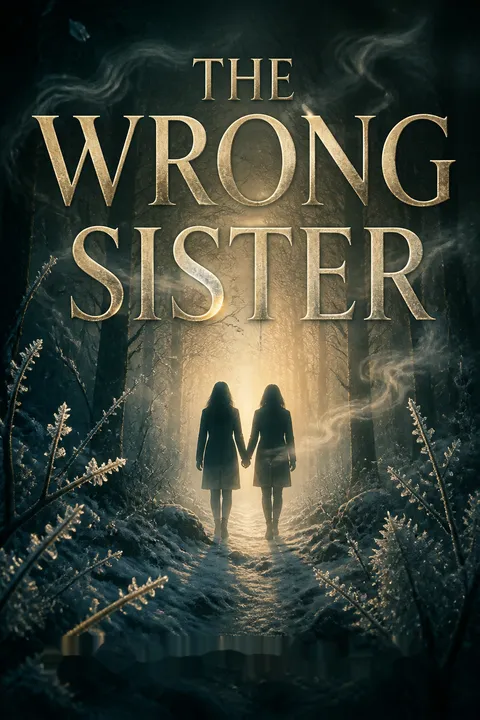
Tasha1 stares at the outstretched hand. She thinks of Viv,7 who chose silence to protect a sister. Then she takes Alice's2 hand. They walk home across the frozen Heath together, the truth sealed between their interlaced fingers, breath fogging ahead of them into nothing.
Analysis
The Wrong Sister dissects the architecture of family mythology — the stories we construct about who we are relative to one another and how those stories calcify into roles no one can escape. Claire Douglas builds a narrative in which every character protects someone at the expense of someone else: Viv7 shields Clarissa16 by abandoning Jeanette's4 right to her own daughter; Clarissa16 replaces a dead baby to preserve the fiction of motherhood; Alice2 murders her husband to preserve the fiction of professional perfection; and Tasha,1 in the final pages, shields Alice2 to preserve the fiction that their family has healed. The novel argues that love and deception are not opposites but twins — born from the same protective impulse, diverging only in consequence.
At its psychological core, the book studies comparative identity. Tasha's1 chronic self-diminishment against Alice's2 brilliance is not merely sibling rivalry but a structural condition created by a family organized around absence. Holly's5 disappearance warped everyone into fixed roles: Jeanette4 into guilt, Alice2 into compensatory achievement, Tasha1 into anxious inadequacy. The life swap that opens the novel is more than a plot device — it is Tasha's1 attempt to inhabit the self she believes she should have been, wearing her sister's clothes like a prayer to become someone else.
Douglas's most provocative insight lies in the chimera, which operates simultaneously as biological fact and governing metaphor. Alice2 literally carries another person's genetic identity inside her and deploys it to manufacture an invisible suspect. But metaphorically, every character is a chimera: Bonnie5 is simultaneously Holly and not-Holly, Viv7 is both devoted grandmother and complicit deceiver, and Tasha1 must now absorb her sister's guilt alongside her own love. The ending refuses catharsis. Tasha1 does not expose truth or achieve justice — she internalizes it, becoming another person who chooses silence to protect someone she loves. The final image of two sisters crossing frozen ground hand-in-hand is both tender and horrifying, suggesting that family itself can be a form of complicity from which there is no clean extraction.
Review Summary
The Wrong Sister received mostly positive reviews, with an average rating of 4.02 out of 5. Readers praised its gripping plot, intricate twists, and family drama elements. Many found it a fast-paced, engaging read that kept them guessing until the end. Some critics noted melodramatic tendencies and predictable elements, but overall, the book was well-received for its suspenseful storytelling and complex character relationships. The final twist surprised many readers, though some found it far-fetched. Douglas's writing style and ability to create tension were frequently commended.
People Also Read
Characters
Tasha
Middle sister and narratorNatasha Harper-Pritchard is the middle of three sisters, a dental receptionist in Chew Norton married to her teenage sweetheart Aaron3. She defines herself through negation — not as brilliant as Alice2, not as adventurous, not as polished — carrying the quiet devastation of a child raised in the aftermath of her baby sister Holly's5 abduction. That trauma made her hypervigilant as a mother, struggling to let her twin daughters14 out of sight. She oscillates between fierce loyalty to her family and simmering resentment that she has somehow settled for less. Her relationship with Aaron3 has cooled into domestic routine, though beneath her insecurity lies genuine love and a capacity for moral reckoning that neither she nor anyone else expects. Her emotional intelligence ultimately proves sharper than any PhD.
Alice
Brilliant, perfectionist elder sisterDr. Alice Harper is Tasha's1 older sister by thirteen months, an Oxford-educated biochemist with a prestigious career in pharmaceutical research. She married wealthy tech entrepreneur Kyle6 after a whirlwind romance and curates every detail of her life with laboratory precision. She never cries publicly, never admits weakness, and presents a flawless exterior to family, colleagues, and herself. Beneath this polished surface lies someone who learned early that vulnerability invites disappointment — she was bullied at school without telling anyone and endured a toxic workplace by hardening herself into someone unassailable. She is fiercely protective of those she loves but equally protective of her reputation. When those two loyalties collide, the resulting tension reveals fracture lines in her carefully constructed identity that no one else can see.
Aaron
Tasha's easygoing husbandAaron Pritchard is Tasha's1 husband, a mechanic at a village garage where he's worked since his apprenticeship. Easygoing and unpretentious, he is the social counterpart to Tasha's1 introversion — comfortable at the pub, never bothered by Alice2 and Kyle's6 wealth, secure in who he is. He cheated on Tasha1 once as a teenager, a wound that scarred their relationship's foundation even after reconciliation. Fatherhood grounded him but exposed his tendency to avoid emotional difficulty, retreating to work or drinks with mates rather than confronting tension. His friendships with women outside the marriage create friction not because of infidelity but because of the attention he craves and the insecurity it triggers in Tasha1. He is fundamentally decent, occasionally oblivious, and deeply loyal.
Jeanette
Grieving matriarch seeking HollyJeanette Harper is the mother of Alice2, Tasha1, and Holly5, a former legal secretary who moved to rural France after her husband Jim's sudden death. She carries the defining wound of her life: leaving five-month-old Holly in a pram outside a village shop thirty years ago and returning to find her gone. That grief shaped every subsequent decision, every relationship, every moment of self-blame. Soft-spoken and unfailingly polite, she conceals a devastation that never fully healed beneath English reserve. She worries she failed Tasha1 during the depression-soaked years after Holly's disappearance, and sometimes overcompensates with Alice2, whose success reassures her she didn't ruin everything. She has spent three decades searching for Holly in the faces of strangers, touching the locket around her neck that holds a photo of all three daughters.
Bonnie
Lost sister seeking her originsBonnie grew up as the only child of a reclusive, bedridden mother and an absent father who worked on oil rigs, in a silent suburban house outside Birmingham. She spent her twenties as her mother's16 caretaker, watching friends leave for university while she stayed behind, yearning for the large bustling family her best friend Selma had. After her mother's16 death, startling discoveries about her own origins propel her to Chew Norton, where she takes a job under a different name and observes the Harper family from the periphery, summoning courage to reveal a truth that could either complete them or destroy them. She is gentle, shy, deeply empathetic, and terribly vulnerable — a person shaped by isolation who has always craved belonging above all else.
Kyle
Alice's wealthy, charming husbandKyle Campbell is Alice's2 husband, a handsome tech entrepreneur who inherited significant wealth after his parents died in a car accident. Charming, socially polished, and relentlessly ambitious, he is developing a revolutionary health app meant to detect diseases through saliva analysis. Behind his golden exterior lie complicated family relationships and business dealings that may not withstand scrutiny. He married Alice2 after only months of dating, whisking her to Las Vegas for a ceremony no family member attended.
Viv
Aaron's mother, harboring secretsVivian Pritchard is Aaron's3 mother, a plain-speaking, working-class widow who raised three sons after her husband Ray's death. She works occasional bar shifts, dotes fiercely on her grandchildren, and presents herself as uncomplicated and reliable. Yet she carries an enormous private burden connected to the Harper family's tragedy — one that made her avoid Jeanette4 for decades and created a guilt she could never voice. Her loyalty to family runs deep, sometimes catastrophically so, and the consequences of her silence stretch across thirty years.
Eve
Kyle's persistent ex-girlfriendEve Milligan is Kyle's6 first girlfriend from university, now engaged to another man and living near Chew Norton. She remains emotionally connected to Kyle6 despite the years, and when he reaches out to her in distress before his death, she becomes a controversial source of information. Alice2 dismisses her as an obsessive fantasist, but her claims about Kyle's6 secret fears and family prove partially accurate, making her an unreliable-seeming witness who turns out to be more truthful than the people who discredit her.
Zoë
Aaron's bold new colleagueZoë Gleeson is the new receptionist at Aaron's3 garage, a striking blonde who recently moved to Chew Norton. She is confident, somewhat cold toward women, and openly interested in Aaron3. Her arrival stokes tension in an already strained marriage, and her proximity to the family places her at the center of increasingly disturbing events. She has a documented history of obsessive behavior in past relationships and an injunction barring her from contacting an ex's partner.
DC Chloë Jones
Warm but steely liaison officerThe family liaison officer assigned after Kyle's6 murder. Welsh-accented and genuinely compassionate, she provides the family's primary police contact while balancing warmth with professional steel. She becomes someone Tasha1 learns to trust despite a lifelong wariness of authority dating back to a teenage arrest.
Connor
Kyle's disinherited brotherKyle's6 estranged younger brother, a former heroin addict now clean and working at a rehabilitation center. His appearance before the funeral reveals uncomfortable truths about Kyle's6 treatment of family and the origins of the Campbell wealth.
DI Thorne
Stern lead investigatorThe senior investigating officer on Kyle's6 murder. Grey, expressionless, and unsettling, he asks the questions that most disturb the family — particularly about DNA, alibis, and children no one has mentioned.
Donna
Tasha's outspoken work friendTasha's1 formidable colleague at the dental surgery, six feet tall with a foghorn voice and a heart of gold. She serves as confidante, comic relief, and the person who asks the blunt questions everyone else avoids.
Elsie and Flossie
Tasha's vulnerable twin daughtersTasha1 and Aaron's3 nearly three-year-old twins. Elsie is bold and headstrong; Flossie is sensitive and dreamy. Their vulnerability drives Tasha's1 protective instincts and raises the stakes of every threat to the family.
Ellen Bright
Alice's geneticist friendAlice's2 close friend from Oxford, now a leading geneticist. Her specialized scientific knowledge provides a critical piece of information that fundamentally reshapes Tasha's1 understanding of the crime scene evidence.
Clarissa Fairborn
Bonnie's reclusive adoptive motherA once-vibrant art student who became bedridden for seventeen years, wasting away in satin pajamas behind closed curtains. Her illness masked a devastating secret she carried to the grave, revealed only through a sealed box left in the attic.
Plot Devices
The Chimera DNA
Conceals the killer's identityAlice2 is a chimera — a person who absorbed a twin embryo in the womb and carries two genetically distinct DNA profiles. When police find familial blood at the crime scene that doesn't match any tested family member, this biological anomaly becomes a phantom suspect that the investigation chases for months. Alice2 knows about her condition but conceals it, allowing her family to believe the blood belongs to their missing sister Holly5. The chimera functions on dual levels: literally, it provides the mechanism for Alice's2 cover-up; metaphorically, it embodies her dual nature as the brilliant, caring sister everyone loves and the calculating person hiding beneath. The revelation only comes when Tasha1 independently contacts Alice's2 geneticist friend Ellen Bright15.
The Note
Redirects suspicion to wrong targetFound on Tasha's1 doormat days after Kyle's6 murder, this message — six block-capital words declaring the attack was supposed to be for Tasha1 — transforms the investigation by suggesting she was the intended victim. Police later trace identical wording to Zoë's9 computer along with an obsessive diary about watching Tasha1. The note reframes the murder as a case of mistaken identity, driving Tasha's1 guilt and fear while diverting attention from the actual circumstances. It establishes Zoë9 as the primary suspect, even though her fixation was on Aaron3 rather than homicidal intent toward Kyle6. As a device, the note exploits the reader's assumptions about motive and creates a false narrative that persists through most of the novel.
The Blue Chalk Asterisk
Signals the house was markedA small blue asterisk drawn in chalk on the pavement outside Tasha's1 gate, noticed as she leaves for Venice. Aaron3 identifies it as a calling card used by the Knight brothers, local criminals who mark properties for burglary. The asterisk provides an early theory that Kyle's6 death resulted from a break-in gone wrong, reinforced when the Knights later admit to planning a robbery — though they insist they'd intended to act the following evening. The asterisk layers genuine criminal intent over the real crime, creating a coincidence so plausible that it functions as one of several overlapping red herrings obscuring what actually happened inside the house that night.
The Tyre Wrench
Murder weapon and planted evidenceAaron's3 wheel-nut wrench, normally stored in a toolbox in the garden, goes missing shortly after Kyle's6 murder. It later surfaces in Zoë's9 garage with Kyle's6 blood and hair on it, becoming the key physical evidence linking Zoë9 to the crime — despite the absence of her fingerprints or DNA on the weapon. Aaron3 himself notices the wrench is missing weeks before it's found, providing a subtle clue that someone with access to his garden took it. The wrench's journey from Aaron's3 toolbox to the crime scene to Zoë's9 garage traces the arc of a deliberate cover-up, though this trajectory only becomes visible near the novel's end.
Alice's Clothes in Venice
Creates dangerous mistaken identityTasha's1 decision to wear Alice's2 designer dresses, sandals, and Gucci handbag while in Venice transforms her appearance from unassuming tourist to conspicuous target. When a man with a knife follows them through back streets demanding repayment, Tasha's1 borrowed wardrobe raises the possibility that he mistook her for Alice2 — or that Kyle's6 dangerous associates were tracking the couple through recognizable accessories. The clothes also crystallize the novel's central theme of identity theft: Tasha1 literally puts on her sister's life, feels lighter and happier in it, then discovers how dangerous that borrowed skin can be.
FAQ
Synopsis & Basic Details
What is The Wrong Sister about?
- Twisted family secrets: The Wrong Sister follows Tasha as she navigates a complex web of family secrets, hidden identities, and a shocking murder that upends her life.
- House swap gone wrong: A seemingly innocent house swap with her sister Alice leads to a series of dangerous events, forcing Tasha to confront her past and question everything she thought she knew.
- Identity and betrayal: The story explores themes of identity, betrayal, and the lengths people will go to protect themselves and their loved ones, as Tasha uncovers a shocking truth about her family.
Why should I read The Wrong Sister?
- Intricate plot twists: The novel is full of unexpected twists and turns, keeping readers guessing until the very end and providing a thrilling and suspenseful reading experience.
- Complex character dynamics: The relationships between the characters are layered and nuanced, exploring themes of jealousy, insecurity, and the complexities of family bonds.
- Emotional depth and suspense: The story combines emotional depth with a gripping suspenseful narrative, making it a compelling read that will resonate with fans of psychological thrillers.
What is the background of The Wrong Sister?
- Contemporary setting: The story is set in the present day, with references to modern technology and social dynamics, making it relatable to contemporary readers.
- Rural English village: The setting of Chew Norton, a seemingly idyllic English village, contrasts with the dark secrets and dangerous events that unfold, creating a sense of unease.
- Family history and trauma: The story is deeply rooted in the family's past, particularly the abduction of Tasha's younger sister Holly, which casts a long shadow over the present events and influences the characters' actions.
What are the most memorable quotes in The Wrong Sister?
- "I've been watching you for a while now. I see you come and go from that grey-brick house... I bet you don't appreciate your life, do you?": This opening line establishes the ominous tone and the stalker's obsession with Tasha's life, foreshadowing the danger to come.
- "It was the wrong sister. It was supposed to be you.": This chilling line, found in a note, reveals the misdirection and the true target of the attacks, highlighting the theme of mistaken identity.
- "You owe me.": This phrase, spoken by the man in Venice, adds a layer of mystery and threat, suggesting a deeper connection to the events unfolding and hinting at a past debt.
What writing style, narrative choices, and literary techniques does Claire Douglas use?
- Dual timelines and perspectives: The narrative shifts between Tasha's present experiences and flashbacks, creating suspense and revealing the characters' hidden motivations.
- First-person narration: The story is primarily told from Tasha's perspective, allowing readers to experience her anxieties, insecurities, and growing suspicions firsthand.
- Foreshadowing and red herrings: Douglas uses subtle clues and misdirection to keep readers guessing, creating a sense of unease and anticipation throughout the novel.
Hidden Details & Subtle Connections
What are some minor details that add significant meaning?
- The blue asterisk: The small asterisk drawn in blue chalk outside Tasha's house initially seems insignificant, but later it's revealed to be a calling card of the Knight brothers, linking them to the burglary and adding a layer of menace.
- The cat's name: The cat's name, Princess Sofia, is a seemingly trivial detail, but it adds to the sense of domesticity and normalcy that is disrupted by the events of the story, highlighting the contrast between Tasha's life and the danger she faces.
- The description of the pond: The pond behind Tasha's house is described as "creepy" and "desolate," foreshadowing the dark events that will occur there and symbolizing the hidden dangers lurking beneath the surface of the seemingly peaceful village.
What are some subtle foreshadowing and callbacks?
- Tasha's anxiety about leaving her daughters: Tasha's initial anxiety about leaving her daughters foreshadows the danger they will face while she is away, creating a sense of unease and anticipation.
- The man in Venice: The man who follows Tasha and Aaron in Venice is a callback to the stalker in the prologue, suggesting a connection between the two and foreshadowing the danger that awaits Tasha back home.
- The mention of "Don't Look Now": Tasha's reference to the film "Don't Look Now" foreshadows the unsettling events that will occur in Venice and the sense of dread and paranoia that will follow her home.
What are some unexpected character connections?
- Viv and Jeanette's past: The revelation that Viv was present when Holly was abducted and that she and Jeanette have a history adds a layer of complexity to their relationship and highlights the interconnectedness of the characters' lives.
- Eve and Kyle's history: The revelation of Kyle's past relationship with Eve and their secret meeting on the day he died adds a layer of intrigue and suspicion, challenging Tasha's understanding of her brother-in-law.
- Bonnie and Tasha's connection: The reveal that Lola is actually Bonnie, Tasha's long-lost sister, creates a shocking twist and highlights the theme of hidden identities and family secrets.
Who are the most significant supporting characters?
- Viv: As Aaron's mother, Viv provides a sense of stability and support for Tasha, but her past connection to Jeanette and her knowledge of the events surrounding Holly's disappearance make her a complex and significant character.
- Eve: As Kyle's ex-girlfriend, Eve's reappearance and her claims about Kyle's fears and secret dealings add a layer of intrigue and suspicion, making her a significant supporting character.
- Ellen: As Alice's friend and colleague, Ellen's expertise in genetics and her connection to Alice's research provide crucial information about the DNA evidence, making her a significant supporting character.
Psychological, Emotional, & Relational Analysis
What are some unspoken motivations of the characters?
- Tasha's insecurity: Tasha's unspoken motivation is her deep-seated insecurity about her life compared to Alice's, which drives her desire to prove herself and her worth.
- Alice's need for control: Alice's unspoken motivation is her need to maintain control over her life and her image, which leads her to hide her vulnerabilities and manipulate situations to her advantage.
- Aaron's desire for validation: Aaron's unspoken motivation is his desire for validation and attention, which leads him to seek out the company of other women and to downplay his own insecurities.
What psychological complexities do the characters exhibit?
- Tasha's anxiety and paranoia: Tasha exhibits a high level of anxiety and paranoia, stemming from her past traumas and the recent threats to her family, making her a complex and relatable character.
- Alice's perfectionism and control: Alice's perfectionism and need for control mask her underlying vulnerabilities and insecurities, making her a complex and flawed character.
- Aaron's insecurity and need for validation: Aaron's laid-back demeanor hides his deep-seated insecurities and his need for validation from others, making him a more complex character than he initially appears.
What are the major emotional turning points?
- The phone call about the break-in: The phone call from Viv about the break-in and Kyle's death is a major emotional turning point, shattering Tasha's sense of security and setting the stage for the rest of the story.
- The discovery of the note: The discovery of the note addressed to Tasha is a major emotional turning point, revealing that she was the intended target and creating a sense of fear and paranoia.
- The revelation of Holly's existence: The revelation that Holly is alive and has been in contact with Alice is a major emotional turning point, forcing the family to confront their past and question everything they thought they knew.
How do relationship dynamics evolve?
- Tasha and Aaron's marriage: Tasha and Aaron's marriage is tested by the events of the story, forcing them to confront their insecurities and communication issues, ultimately leading to a deeper understanding and appreciation of each other.
- Tasha and Alice's sisterhood: Tasha and Alice's sisterhood is complex, marked by both love and rivalry, and the events of the story force them to confront their differences and find a new level of understanding and support for each other.
- Jeanette and her daughters: Jeanette's relationships with her daughters are strained by her past decisions and her inability to fully express her emotions, but the events of the story force her to confront her past and seek a deeper connection with her daughters.
Interpretation & Debate
Which parts of the story remain ambiguous or open-ended?
- The identity of the stalker: While the note suggests Tasha was the intended target, the identity of the stalker in the prologue remains ambiguous, leaving readers to wonder about their true motivations and connection to the events.
- The full extent of Kyle's secrets: While the story reveals some of Kyle's secrets, the full extent of his involvement with shady investors and his true motivations remain ambiguous, leaving readers to speculate about his true nature.
- The nature of Zoë's death: The circumstances surrounding Zoë's death remain ambiguous, leaving readers to question whether it was an accident, a suicide, or a murder, and who was truly responsible.
What are some debatable, controversial scenes or moments in The Wrong Sister?
- Alice's actions and motivations: Alice's actions and motivations are open to interpretation, leaving readers to debate whether she is a victim, a manipulator, or something in between. Her decision to hide her knowledge of the DNA and her past with Kyle raises questions about her true nature.
- Viv's choices and actions: Viv's decision to protect Clarissa and keep the truth about Holly's abduction a secret is a controversial moment, leaving readers to debate whether her actions were justified or a betrayal of her family.
- Aaron's involvement with Zoë: Aaron's interactions with Zoë and his decision to keep it from Tasha are debatable, leaving readers to question his loyalty and his true feelings for his wife.
The Wrong Sister Ending Explained: How It Ends & What It Means
- The revelation of Holly's identity: The revelation that Lola is actually Holly, Tasha's long-lost sister, is a major twist that changes the course of the story and forces the family to confront their past and present.
- The ambiguity of Zoë's death: The ambiguity surrounding Zoë's death leaves readers to question whether it was an accident, a suicide, or a murder, and who was truly responsible, highlighting the complexities of the truth.
- The family's uncertain future: The ending leaves the family with an uncertain future, as they must navigate the complexities of their past and present, while also embracing the possibility of new beginnings and a more hopeful future.
About the Author


Download PDF
Download EPUB
.epub digital book format is ideal for reading ebooks on phones, tablets, and e-readers.








































