
Plot Summary
River to Exile
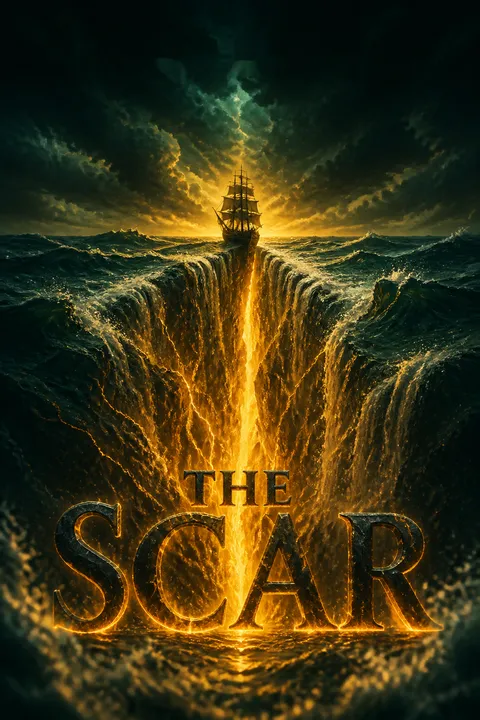
Linguist Bellis Coldwine boards the Terpsichoria, a ship bound for the distant colony of Nova Esperium, escaping political danger in her home city. The journey downriver and into the open sea is bleak and isolating, mirroring her internal exile. She is surrounded by strangers—passengers, crew, and a hold full of prisoners and Remade, people surgically and magically altered as punishment. Bellis's longing for home and her sense of displacement are palpable, as she clings to memories of New Crobuzon and writes letters she cannot send. The river's slow, inevitable flow into the unknown becomes a metaphor for her own forced journey, setting the tone of loss, uncertainty, and the search for meaning in a world that is both wondrous and cruel.
Prisoners and Passengers
On the ship, the boundaries between free passengers and captive Remade blur. Bellis keeps to herself, but observes the ship's microcosm: the gentle naturalist Johannes Tearfly, the secretive nun Sister Meriope, the boy Shekel, and the Remade prisoner Tanner Sack. The ship's captain is stern, the crew wary, and the prisoners are let out only for brief, controlled exercise. Bellis's interactions are marked by suspicion and emotional distance, but she is drawn into the lives around her, especially as the ship's route grows more mysterious. The sense of being watched, of secrets and hidden motives, grows. The sea is both a physical barrier and a symbol of the characters' isolation, as the Terpsichoria sails into waters where fate and power are decided by forces beyond their control.
The Pirate City Emerges
The Terpsichoria is attacked by pirates and overtaken in a brutal, efficient assault. The passengers and prisoners are herded together, their destinies rewritten in an instant. They are brought to Armada, a floating city made from lashed-together ships, ruled by enigmatic leaders known as the Lovers. Here, the Remade are freed and made citizens, while the rest are forcibly integrated into the city's complex, bureaucratic society. Bellis is assigned to work in the library, her skills valued but her freedom gone. The city is a marvel—chaotic, multicultural, and alive with possibility and danger. The trauma of capture is mingled with awe, as the newcomers struggle to find their place in a society that is both liberating and imprisoning, where the past is erased and the future is uncertain.
Chains Beneath the Waves
As Bellis adapts to life in Armada, she uncovers hints of a grand project: massive chains hidden beneath the city, ancient and enchanted, stretching into the depths. The city's rulers, especially the Lovers and their deadly lieutenant Uther Doul, are obsessed with something vast and secret. Bellis's work in the library brings her into contact with Shekel, who learns to read, and with Tanner Sack, who embraces his Remade nature and undergoes further transformation to become amphibious. The city's politics are intricate, with rival ridings and hidden power struggles. The sense of conspiracy grows, as Bellis and others realize they are pawns in a game whose stakes are nothing less than the fate of Armada and perhaps the world.
Armada's Unraveling Secrets
Bellis forms a wary alliance with Silas Fennec, a trader and secret agent, as they piece together Armada's true purpose. Through stolen books and coded conversations, they learn that the city's rulers intend to summon an avanc, a mythical leviathan, and harness it to tow Armada across the world. The project is driven by the Lovers' ambition and Doul's knowledge of possibility mining, a Ghosthead science that manipulates chance itself. The city's unity is fragile, with dissent simmering among the ridings. Bellis and Fennec's efforts to warn the outside world are fraught with danger, as trust and betrayal become indistinguishable. The city's journey is no longer just physical, but a plunge into the unknown, powered by obsession and secrecy.
The Lovers' Obsession
The Lovers' vision is revealed: they seek the Scar, a wound in reality left by the Ghosthead Empire, where possibility overflows and the rules of the world are mutable. Their passion for each other is mirrored in their drive to reshape Armada's destiny, regardless of cost. Uther Doul, with his Possible Sword and enigmatic loyalty, is both their tool and their conscience. The city's resources are bent toward the project—ships are dismantled, engines built, and the Remade and newcomers are pressed into service. Bellis, caught between complicity and resistance, is drawn deeper into the Lovers' orbit, even as she fears the consequences of their fanaticism. The city's movement toward the Scar becomes a metaphor for the dangers of unchecked ambition and the seduction of power.
The Anophelii Island
To complete their plan, Armada's leaders send an expedition—including Bellis, Doul, and others—to the island of the anophelii, a race of mosquito-people whose females are monstrous predators. The journey is harrowing, marked by violence and fear. The group seeks Krüach Aum, a male anophelius whose knowledge is key to summoning the avanc. The island is a place of horror and pathos, its inhabitants both victims and threats. Bellis's role as translator becomes vital, and her actions—driven by desperation and a longing for home—set in motion events that will have catastrophic consequences. The mission's success is tainted by loss, as the boundaries between savior and betrayer blur.
The Avanc Summoned
Armed with Aum's knowledge, the city's thaumaturges and engineers summon the avanc in a storm of elemental power. The spectacle is awe-inspiring and terrifying, as the chains descend into the abyss and the beast is bound. Armada is transformed, now able to move at unprecedented speed, its fate tied to the avanc's. The city's citizens are swept up in euphoria, but the cost is high—resources are depleted, and the city's unity is strained. The avanc's suffering foreshadows disaster, as the city's journey becomes a headlong rush toward the Scar, and the consequences of the Lovers' obsession begin to manifest in sickness, dissent, and the unraveling of order.
War on the Open Sea
The city's triumph is short-lived, as a New Crobuzon flotilla, guided by Fennec's treachery and a stolen grindylow artifact, finds and assaults Armada. The battle is apocalyptic—ships burn, Remade and pirates die by the hundreds, and the Possible Sword carves through reality itself. The city's defenders are heroic but outmatched, and the cost in lives and ships is staggering. The aftermath is one of trauma, grief, and political crisis. The city's traditions are tested, as the question of what to do with prisoners and traitors exposes the limits of Armada's utopian ideals. The war marks a turning point, as the city's wounds—physical and moral—refuse to heal.
Mutiny and Betrayal
The city is torn by mutiny, as the Brucolac and his vampir cadre rebel against the Lovers, aided by the arrival of grindylow assassins seeking Fennec and their stolen secrets. The mutiny is bloody and chaotic, with alliances shifting and the city's very fabric at risk. Bellis, wracked by guilt and loss, becomes both witness and participant in the city's unraveling. The grindylow's true goal is revealed—not a trinket, but Fennec's knowledge, which threatens to unleash a new era of imperial conquest. The mutiny fails, the Brucolac is defeated, and the city's unity is shattered. The scars—literal and figurative—multiply, as the cost of ambition and betrayal becomes undeniable.
The Scar's Revelation
The return of Hedrigall, the cactus-man, brings a story from a possible future: Armada's destruction at the edge of the Scar, the city and its people plunging into the abyss. His tale, whether truth or possibility, galvanizes the citizens. The Lovers' authority collapses, and the city mutinies, turning the avanc and Armada away from the Scar. The Lovers' partnership is broken, and the woman departs with Doul and a handful of followers, seeking the Scar alone. The city is left to pick up the pieces, its dreams of transcendence abandoned in favor of survival. The power of narrative, of belief and fear, is laid bare, as the city's fate is decided by the stories it chooses to heed.
Collapse and Consequence
The city limps back toward familiar waters, its population decimated, its unity fractured. The Brucolac is punished and then restored, the Lovers are gone, and Doul's enigmatic influence lingers. Bellis, scarred in body and soul, reflects on her journey, her complicity, and her survival. Tanner Sack mourns Shekel, Angevine grieves, and the city's Remade and outcasts search for meaning in the ruins of their hopes. The avanc, wounded and dying, becomes a symbol of the city's own exhaustion. The possibility of return, of home, is both a comfort and a question, as the survivors reckon with what they have become and what they have lost.
Scars and Possible Letters
In the quiet after catastrophe, Bellis composes a letter to an unnamed friend, reflecting on the journey, the betrayals, and the scars—physical and emotional—that she and Armada now bear. The letter is a testament to survival, to the power of narrative, and to the ambiguity of agency. Bellis recognizes that she has been used, manipulated, and yet has acted, chosen, and endured. The city's future is uncertain, its dreams of the Scar abandoned, but the possibility of return, of healing, remains. The story ends not with triumph or despair, but with the open-endedness of possibility, the scars that mark both loss and survival, and the hope that, one day, the letter will be delivered by hand.
Analysis
China Miéville's The Scar is a masterwork of speculative fiction, blending baroque worldbuilding with a profound meditation on power, agency, and the costs of ambition. At its heart, the novel interrogates the allure and danger of possibility—literalized in the Scar, a wound in reality where all outcomes coexist. The characters are exiles, survivors, and manipulators, each marked by scars both physical and emotional. The narrative structure, anchored by Bellis's letter, foregrounds the subjectivity of experience and the unreliability of truth. The city of Armada, a floating utopia built on piracy and reinvention, becomes a crucible for transformation, where the boundaries between victim and perpetrator, freedom and captivity, are constantly renegotiated. The novel's plot devices—Remaking, the Possible Sword, the Scar—serve as metaphors for the ways in which trauma, desire, and narrative shape identity and fate. In a world where agency is always compromised, and where the pursuit of power leads to both creation and destruction, The Scar offers no easy answers. Instead, it insists on the necessity of survival, the inevitability of loss, and the enduring hope that, even in the face of chaos, we can choose which scars to carry, and which stories to tell.
Review Summary
The Scar receives overwhelmingly positive reviews (4.19/5 stars) for its boundless imagination and richly detailed floating pirate city, Armada. Readers praise Miéville's masterful world-building, complex characterization, and multilayered exploration of scars as metaphors for healing, memory, and identity. The protagonist Bellis Coldwine divides opinion—some find her cold demeanor compelling, others frustrating. Critics note the dense prose, overuse of certain words ("puissant"), and slow pacing, with some finding it exhausting. However, most agree the inventive creatures, political themes, and unpredictable plot twists make it exceptional weird fiction, though opinions differ on whether it surpasses Perdido Street Station.
People Also Read
Characters
Bellis Coldwine
Bellis is a fiercely intelligent, emotionally guarded woman forced into exile from New Crobuzon. Her expertise in languages makes her valuable in Armada, but she is always an outsider, haunted by longing for home and guilt over her complicity in the city's fate. Bellis's relationships—with Johannes, Shekel, Tanner, Fennec, and Doul—are marked by ambivalence, trust and betrayal, and a deep need for connection. Her psychological journey is one of survival, self-reckoning, and the painful recognition of her own agency and limitations. Bellis's final letter, addressed to an unnamed friend, encapsulates her growth: from passive victim to someone who, despite being used, claims her own story and scars.
Uther Doul
Doul is the Lovers' lieutenant, a master swordsman wielding the Possible Sword, a relic of the Ghosthead Empire that can manifest all possible strikes. He is both loyal and subversive, serving the Lovers while subtly shaping events to his own ends. Doul's past in High Cromlech, his knowledge of possibility mining, and his ambiguous morality make him a figure of fascination and fear. He is emotionally reserved, yet forms a complex, unfulfilled connection with Bellis. Doul's actions—whether calculated or reactive—drive much of the plot's resolution, as he orchestrates the city's turning and ultimately offers Bellis a path home. His scars are psychological, marked by the tension between agency and servitude.
The Lovers
The Lovers are Armada's scarred, passionate co-rulers, their relationship defined by ritual violence and mutual transformation. Their obsession with the Scar and the power of possibility mining drives the city's grand project, regardless of cost. The woman is the more driven, ultimately abandoning her partner to pursue the Scar alone. Their love is both creative and destructive, a metaphor for the dangers of unchecked ambition and the seduction of power. Their psychological dynamic is one of fusion and separation, as their unity unravels under the weight of failure and dissent. The Lovers' scars are both literal and symbolic, marking the city and themselves with the consequences of desire.
Silas Fennec (Simon Fench)
Fennec is a trader, agent, and master of deception, whose actions set in motion the city's war with New Crobuzon. His theft of grindylow secrets and subsequent betrayal are driven by self-interest and a cold pragmatism. Fennec's relationships—with Bellis, the city, and his own employers—are transactional, marked by a lack of genuine connection. His psychological profile is that of a survivor, willing to use anyone to achieve his ends, yet ultimately undone by forces beyond his control. Fennec's fate—captured, mutilated, and delivered to the grindylow—serves as a warning about the costs of ambition and the limits of agency.
Tanner Sack
Tanner is a Remade prisoner who embraces his transformation, becoming amphibious and finding a sense of belonging in Armada. His loyalty to the city is hard-won, forged through suffering and adaptation. Tanner's relationship with Shekel is paternal, offering the boy guidance and love in a world that has discarded them both. The loss of Shekel devastates Tanner, leaving him adrift and questioning the meaning of loyalty and home. Tanner's psychological journey is one of acceptance and grief, as he navigates the boundaries between human and monster, belonging and exile. His scars are both physical and emotional, marking him as a survivor and a mourner.
Shekel
Shekel is a cabin boy from New Crobuzon, quick-witted and resourceful, who learns to read under Bellis's tutelage. His friendship with Tanner and Angevine offers him a makeshift family, a rare source of warmth in a harsh world. Shekel's curiosity and resilience are emblematic of hope, but his death—killed by grindylow in the city's depths—shatters those around him. Shekel's psychological arc is brief but poignant, as he moves from illiteracy and marginalization to agency and belonging, only to be cut down by forces beyond his understanding. His memory haunts the survivors, a symbol of innocence lost.
Johannes Tearfly
Johannes is a gentle, scholarly man whose expertise in biology makes him central to Armada's project. His relationship with Bellis is marked by mutual respect and unfulfilled affection. Johannes's willingness to adapt to Armada, to find meaning in his work, contrasts with Bellis's resistance. His death—devoured by grindylow while exploring the avanc's wounds—underscores the dangers of curiosity and the costs of complicity. Johannes's psychological profile is that of a seeker, driven by wonder and a desire for understanding, yet ultimately undone by the city's ambitions.
The Brucolac
The Brucolac is the ab-dead leader of Dry Fall, a riding within Armada, whose opposition to the Lovers' plans leads to mutiny and civil war. His power is both supernatural and political, commanding fear and loyalty in equal measure. The Brucolac's rebellion is motivated by a desire to preserve the city's traditions and prevent catastrophe, but his methods are violent and ultimately futile. His punishment—crucifixion in the sun—marks him as both martyr and failure. The Brucolac's psychological complexity lies in his struggle between predation and protection, authority and vulnerability, as he navigates the shifting allegiances of a city in crisis.
Krüach Aum
Aum is a male mosquito-person, brilliant and emotionally detached, whose knowledge is essential to Armada's plan. His life is one of captivity and exploitation, first by his own people's jailers, then by Armada. Aum's psychological profile is that of the outsider, valued only for his utility, unable to connect with those around him. His death, killed by grindylow while investigating the avanc's wounds, is both a narrative necessity and a commentary on the expendability of knowledge in the face of power.
Angevine
Angevine is a Remade woman, part machine, who finds love and companionship with Shekel and friendship with Tanner. Her resilience and adaptability are sources of strength, but she is marked by loss and grief. Angevine's psychological journey is one of survival, as she navigates the complexities of identity, loyalty, and mourning in a world that offers little comfort to the Remade.
Plot Devices
The Possible Sword
Uther Doul's Possible Sword, a relic of the Ghosthead Empire, is a blade that manifests all possible strikes at once, making its wielder nearly invincible. It is both a literal weapon and a metaphor for the novel's exploration of possibility, agency, and the multiplicity of outcomes. The sword's power is limited by the user's skill and intent, reflecting the tension between precision and chaos, control and surrender. Its presence in the narrative foreshadows the city's encounter with the Scar, where the boundaries between fact and possibility dissolve.
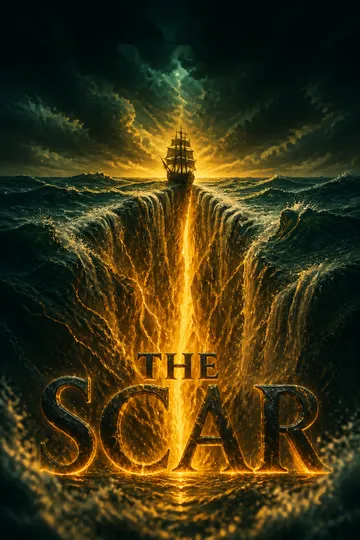
The Scar
The Scar is a literal and metaphysical rupture in the world, created by the Ghosthead Empire's arrival. It is the object of the Lovers' obsession, a place where the rules of reality are mutable and all possibilities coexist. The Scar functions as both a destination and a symbol, representing the dangers and allure of unchecked ambition, the desire to transcend limits, and the costs of pursuing power without regard for consequence. Its influence seeps into the narrative, distorting time, space, and identity, and serving as the ultimate test of the city's—and the characters'—integrity.
Letters and Narrative Framing
Bellis's ongoing letter to an unnamed friend provides a personal, subjective lens through which the story unfolds. The letter is both a record and a confession, a means of survival and a search for meaning. Its open-endedness mirrors the novel's themes of possibility and uncertainty, as Bellis struggles to define herself and her story in a world where agency is always in question. The letter's eventual delivery—or lack thereof—becomes a symbol of hope, closure, and the persistence of narrative in the face of chaos.
Remaking and Transformation
The Remade—characters surgically and magically altered as punishment—embody the novel's preoccupation with transformation, agency, and the boundaries of identity. Tanner Sack's embrace of his Remade nature, Bellis's emotional scars, the Lovers' ritual cutting, and the city's own shifting form all reflect the ways in which trauma, adaptation, and desire shape the self. Remaking is both a source of suffering and a path to survival, a metaphor for the costs and possibilities of change.
Foreshadowing and Unreliable Reality
The novel is rich in foreshadowing, with early hints of the city's fate, the dangers of the Scar, and the duplicity of key characters. The presence of possibility mining, the influence of the Scar, and the shifting allegiances of the cast create a sense of unreality, where outcomes are never certain and the boundaries between fact and nigh-fact blur. The narrative structure itself, with its letters, stories within stories, and multiple perspectives, reinforces the theme of unreliable reality and the power of narrative to shape fate.
New Crobuzon Series
About the Author
Other books by China Miéville

Download PDF
Download EPUB
.epub digital book format is ideal for reading ebooks on phones, tablets, and e-readers.








































