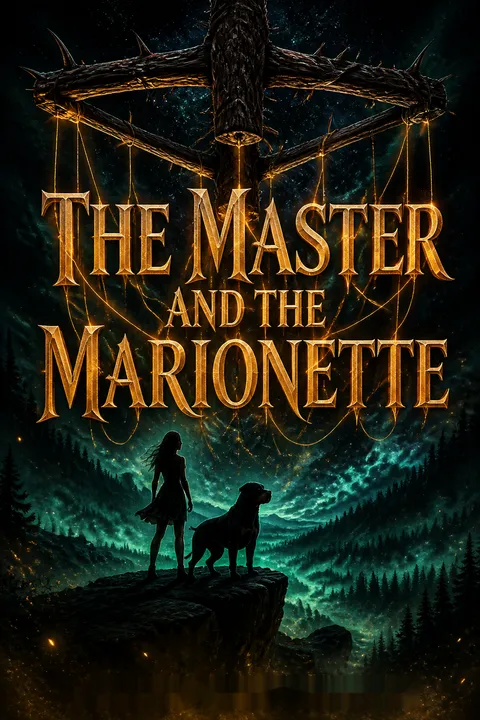

Plot Summary
Fractured Minds, Hidden Truths
Skylenna, on the run with Kane and his alters, is thrust into a world where trauma has splintered Kane's psyche into multiple personalities—each with their own secrets and pain. Meeting Greystone, a new alter, she learns that each split is a response to a different trauma, and that consent and protection are core to their fractured system. The forest offers a fragile sanctuary, but the past is never far behind. Skylenna's own history of abuse and loss mirrors Kane's, forging a bond of mutual understanding and vulnerability. The two navigate the complexities of trust, trauma, and the blurred lines between protector and protected, as Skylenna begins to realize that the mind can be both a prison and a refuge.
Forest Sanctuary and Forbidden Bonds
In the Emerald Lake forest, Skylenna and Kane attempt to build a life outside the city's oppression. Their days are filled with small acts of care—Kane's gentle protection, Skylenna's attempts to adapt, and the ever-present threat of discovery. The forest is alive with old magic and new dangers, and a chance encounter with a mysterious forest dweller hints at deeper secrets. Nightmares and sleep paralysis haunt Skylenna, but Kane's presence is a lifeline. Their emotional intimacy deepens, culminating in a promise to protect each other from despair. Yet, the specter of Kane's alters and the trauma that created them lingers, complicating their growing feelings and hinting at the darkness still to come.
The Avenging Alter's Plan
Dessin, the calculating and dominant alter, takes charge as threats close in. With the loyal RottWeilen, DaiSzek, at their side, the group flees deeper into the wild. Dessin's past is revealed through stories of other children trained and broken by Demechnef, the regime that shaped him. The plan is to seek out defectors in the North Saphrine Forest, hoping for allies and sanctuary. Skylenna's sense of inadequacy grows, but Dessin's rare moments of vulnerability and the fierce loyalty of DaiSzek offer comfort. The journey is a test of endurance, trust, and the limits of what each is willing to sacrifice for the other.
Nightamous Horde's Seduction
The group is drawn into the Nightamous Horde, a colony descended from dark elves, where seduction and power games are the norm. To blend in, Skylenna and Dessin must perform intimacy, blurring the line between pretense and desire. The Horde's prophecy names them as pivotal figures, and the elders' questions force Skylenna to confront her lost memories and deepest pain. The experience is both liberating and destabilizing, as Skylenna and Dessin's relationship is tested by jealousy, performance, and the ever-present threat of violence. The Horde's gifts—a map and a shade stone—set the stage for the next phase of their journey.
Games of Survival and Desire
As they leave the Horde, Skylenna and Dessin's dynamic is charged with unresolved tension. Encounters with new alters, including the seductive Greystone, further complicate Skylenna's feelings. The group faces physical dangers—traps, wild beasts, and the deadly nadaskar—but also the psychological games Dessin plays to keep Skylenna at arm's length. The boundaries between friend, lover, and protector blur, and Skylenna's longing for connection is both fulfilled and frustrated. The journey north is a crucible, forging bonds through shared danger and desire, but also exposing the fractures that threaten to tear them apart.
Prophecy and the Puppet
In the Stormsages' keep, Skylenna and Kane find brief respite and a glimpse of a different way of life—one where women are valued and trauma is met with compassion. The Stormsages' prophecy and gifts point to a larger destiny, and a cryptic message about Judas sets the next quest in motion. Skylenna's struggle with disordered eating and self-worth is met with kindness, but the scars of the city and the asylum run deep. The group's unity is tested by the demands of prophecy, the threat of war, and the secrets that still lie between them.
Into the Asylum's Maw
To uncover the truth behind Judas and the prophecy, Skylenna and Dessin allow themselves to be captured and returned to the asylum. The institution is a crucible of suffering—torture, forced treatments, and psychological manipulation. Skylenna endures hydrotherapy, fever, and the threat of death, while Dessin's alters surface to take on the pain. Their only hope lies in manipulating the priest and reaching Judas, whose cryptic messages hint at a larger conspiracy. The asylum is both a literal and metaphorical cage, testing the limits of Skylenna's resilience and Dessin's control.
The Cage and the Mind
Skylenna is separated, caged, and subjected to the sadistic experiments of Albatross and Absinthe. Time distorts under the influence of mind-altering drugs, and Skylenna's sense of self begins to unravel. She is forced to relive her childhood traumas, endure physical and psychological torment, and confront the possibility that Dessin may never come for her. The darkness becomes both enemy and companion, and hallucinations of DaiSzek and young Kane offer fleeting solace. The line between reality and delusion blurs, and Skylenna's survival depends on her ability to hold onto hope, even as her captors try to break her spirit.
Blood, Loyalty, and Betrayal
Dessin's legendary violence is unleashed as he storms the fortress to rescue Skylenna. The true nature of Albatross's cruelty is revealed—his face mutilated by Dessin in the past, his experiments designed to break Skylenna's will. The rescue is brutal and cathartic, but the scars—physical and emotional—remain. Skylenna's reunion with Kane is fraught with relief, guilt, and the lingering effects of trauma. The group is whole again, but the price of freedom is high, and the wounds of captivity will not heal easily.
The Master's Return
Skylenna, Kane, and their friends regroup in the wilderness, joined by Warrose, Dessin's brother-in-arms. The bonds of chosen family are tested and strengthened as they face new threats—beasts, the Vexamen Breed, and the ever-present specter of Demechnef. Skylenna's trauma lingers, manifesting in flashbacks, mood swings, and a desperate need for answers. The group's unity is both a source of strength and a vulnerability, as Dessin's enemies seek to exploit every weakness. The journey is as much about healing as it is about survival, and the question of who truly holds the strings—master or marionette—remains unresolved.
The House of Shadows
In the safety of a cave, Kane finally begins to reveal the truth of his and Skylenna's shared past. Their connection runs deeper than either realized, rooted in childhood and shaped by the traumas that made them who they are. The revelation is both a balm and a wound, offering understanding but also raising new questions. The group's respite is short-lived, as the outside world encroaches and the price of knowledge becomes clear. The past cannot be escaped, only confronted, and the future depends on the choices they make together.
The Family Pact
Faced with the loss of DaiSzek and the threat of the Vexamen Breed, the group must decide whether to stay together or part ways. Dessin's demand for loyalty and training is met with unanimous commitment—chosen family over safety. The stakes are higher than ever, as Demechnef and Vexamen both seek to use Dessin as a weapon. The group's unity is both a shield and a target, and the coming conflict will test the limits of their love, loyalty, and resolve.
The Price of Freedom
To save DaiSzek, Dessin must bargain with Demechnef, offering himself and his friends as pawns in a larger game. The group's safety is secured by a fragile treaty, but the cost is autonomy and the ever-present threat of betrayal. Skylenna's infection—both literal and metaphorical—mirrors the group's struggle to heal in a world that punishes vulnerability. The journey is a constant negotiation between freedom and safety, love and survival, hope and despair.
The Devil's Experiment
Skylenna's captivity under Albatross is revealed as a calculated experiment, designed to break her spirit and test the limits of Dessin's power. The line between master and marionette blurs, as both Skylenna and Dessin are manipulated by forces beyond their control. The rescue is both a victory and a trauma, leaving scars that will shape their future. The question of agency—who pulls the strings, and who is merely a puppet—haunts them, even as they fight for freedom.
The Rescue and Reunion
The group is reunited, and the wounds of captivity begin to heal. Skylenna's friends—Ruth, Chekiss, and Niles—are brought back into the fold, and the bonds of chosen family are reaffirmed. The trauma of the past lingers, but the promise of a future together offers hope. Kane and Skylenna's relationship deepens, moving from friendship to something more, as they confront the truth of their feelings and the cost of survival. The journey is far from over, but for the first time, the possibility of peace seems within reach.
The Chosen Brothers
As the group prepares for the next phase of their journey, the importance of chosen family is underscored. Warrose's arrival brings new skills and old wounds, and the group's unity is both a strength and a liability. The threat of the Vexamen Breed looms, and the need for training and preparation is urgent. The bonds between Skylenna, Kane, and their friends are tested by danger, trauma, and the ever-present specter of betrayal. But together, they are stronger than the sum of their parts, and their loyalty to each other is their greatest weapon.
The House of Ash
In the aftermath of rescue, Skylenna and Kane finally confront the truth of their shared past and their feelings for each other. The scars of trauma are laid bare, but so is the possibility of healing. Kane's confession—that he has known Skylenna since childhood, that he saved her from the fire that killed Scarlett—offers both closure and new questions. The promise of answers is both a comfort and a threat, as the group prepares to face the next challenge. The past is a house of ash, but from its ruins, something new may yet be built.
I Am the Master
The group returns to Demechnef, ready to bargain for DaiSzek's life and their own safety. Dessin's confidence is both a shield and a weapon, as he navigates the treacherous politics of the regime that made him. The final revelation—the true identity of Aurick Demechnef, Skylenna's former friend and now the master of their fate—sets the stage for the next act. The lines between master and marionette, puppet and puppeteer, are blurred beyond recognition. The story ends on the cusp of a new beginning, with the promise that the true game has only just begun.
Analysis
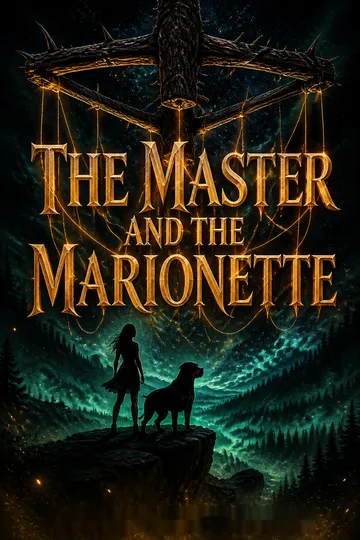
Brandi Elise Szeker's The Master and the Marionette is a dark, unflinching exploration of trauma, survival, and the search for agency in a world built on control and manipulation. Through the lens of dissociative identity disorder, the novel interrogates the ways in which the mind fractures to protect itself, and how those fractures can become both a source of strength and a site of vulnerability. The puppet motif—woven through prophecy, manipulation, and the literal experience of being controlled—serves as a powerful metaphor for the struggle to reclaim autonomy in the face of overwhelming odds. The novel's depiction of chosen family and found community offers a counterpoint to the brutality of the world, suggesting that healing is possible, but only through solidarity, honesty, and the willingness to confront the darkest parts of oneself. Ultimately, The Master and the Marionette is a story about the cost of freedom, the power of love, and the enduring hope that even the most broken can find a way to become whole.
People Also Read

Characters
Skylenna Ambrose
Skylenna is the heart of the story—a young woman shaped by abuse, loss, and the struggle to find her own agency. Her relationship with Kane/Dessin is both a source of strength and a crucible of pain, as she navigates the complexities of loving someone with a fractured mind. Skylenna's journey is one of survival, healing, and the search for meaning in a world that seeks to break her. Her empathy, resilience, and capacity for love are both her greatest strengths and her deepest vulnerabilities. Through her, the novel explores themes of trauma, identity, and the power of chosen family.
Kane / Dessin / Greystone / Foxem / Aquarus (The Alters)
Kane and his alters are the embodiment of trauma's legacy—a mind split into many to survive the unbearable. Kane is gentle, nurturing, and self-sacrificing; Dessin is dominant, calculating, and fiercely protective; Greystone is seductive and attuned to pleasure; Foxem is a masochist who takes on pain; Aquarus is calm and unflappable in the face of drowning. Each alter represents a different response to trauma, and together they form a complex, deeply human whole. Their relationship with Skylenna is both a lifeline and a source of conflict, as they struggle to reconcile their need for control with their longing for connection.
DaiSzek
DaiSzek, the last of the RottWeilen, is more than a companion—he is a symbol of loyalty, resilience, and the possibility of healing. His bond with Skylenna and Kane is forged through shared danger and mutual care. DaiSzek's presence is both a comfort and a weapon, a reminder that even in a world of monsters, there is still room for love and loyalty. His capture and rescue are pivotal moments, underscoring the stakes of the group's journey and the lengths they will go to protect their own.
Ruth
Ruth is Skylenna's anchor—a friend who offers kindness, understanding, and a reminder of what is worth fighting for. Her own trauma is less visible but no less real, and her presence is a balm to the group's wounds. Ruth's loyalty and empathy are quiet strengths, and her relationship with Skylenna is a testament to the power of chosen family. She is a survivor in her own right, and her journey is one of learning to trust, to hope, and to believe in a future beyond pain.
Chekiss
Chekiss is the group's anchor—a father figure whose wisdom, patience, and quiet strength offer stability in a world of chaos. His relationship with Skylenna is one of mutual respect and care, and his presence is a reminder that family is not always defined by blood. Chekiss's own trauma is hinted at but never fully revealed, adding depth to his role as protector and guide. He is a steadying force, a voice of reason, and a source of unconditional love.
Niles
Niles is the group's jester—a source of humor, irreverence, and much-needed levity. His banter masks a deep loyalty and a keen understanding of the group's dynamics. Niles's relationship with Skylenna is one of chosen siblings, and his willingness to follow her into danger speaks to the strength of their bond. Beneath the jokes lies a survivor's heart, and his journey is one of learning to balance humor with vulnerability.
Warrose
Warrose is Dessin's equal in violence and strategy—a brother forged in the fires of Demechnef's training. His arrival brings both new skills and old wounds, as he and Dessin share a history of trauma, loyalty, and survival. Warrose's presence is a reminder of the costs of war and the bonds that can be formed in its crucible. He is both a mirror and a foil to Dessin, and his relationship with the group is one of mutual respect and shared purpose.
Albatross Ivast
Albatross is the embodiment of Demechnef's cruelty—a savant whose experiments are designed to break the mind and spirit. His own mutilation at Dessin's hands is both a mark of his evil and a testament to Dessin's capacity for vengeance. Albatross's relationship with Skylenna is one of tormentor and victim, but also of twisted fascination. He is a master of psychological manipulation, and his downfall is both satisfying and deeply unsettling.
Absinthe Ivast
Absinthe is Albatross's grandmother and accomplice—a figure of sadistic authority whose violence is both personal and institutional. Her abuse of Skylenna is a microcosm of the larger system's brutality, and her eventual defeat is a moment of catharsis. Absinthe represents the old guard, the enforcers of a world built on pain and control. Her relationship with Albatross is one of mutual dependence and shared cruelty.
Aurick Demechnef
Aurick is the ultimate puppet master—the leader of Demechnef, Skylenna's former friend, and now the architect of her fate. His true identity is a final, devastating revelation, setting the stage for the next act. Aurick's relationship with Skylenna is one of betrayal and manipulation, and his presence looms over the entire narrative. He is the embodiment of the system's power, the master to Skylenna's marionette, and the final obstacle to freedom.
Plot Devices
Dissociative Identity Disorder as Symbol and Structure
The novel uses Kane's DID not only as a character trait but as a central metaphor for survival in a world built on trauma. Each alter represents a different response to pain—protection, seduction, calculation, endurance—and their interplay drives both the plot and the emotional arc. The narrative structure mirrors this fragmentation, shifting perspectives and emotional tones as alters surface and recede. The DID is both a literal condition and a symbol of the ways in which trauma shapes identity, memory, and agency.
Prophecy, Foreshadowing, and the Puppet Motif
Prophecy and manipulation are woven throughout the story, from the Nightamous Horde's predictions to the cryptic messages of Judas. The puppet motif—Skylenna as marionette, Dessin as master, Aurick as puppeteer—underscores the tension between agency and control. Foreshadowing is used to build suspense and deepen the sense of inevitability, as characters struggle to break free from the roles assigned to them. The question of who pulls the strings—trauma, fate, or individual will—is central to the novel's thematic exploration.
Psychological and Physical Torture as Transformation
The novel does not shy away from the realities of abuse, torture, and psychological manipulation. These experiences are both literal obstacles and metaphors for the characters' internal struggles. The asylum, the cage, and the experiments are all sites of transformation—places where identity is broken and remade. The narrative uses these moments to explore the limits of endurance, the possibility of healing, and the cost of survival.
Chosen Family and Found Community
Against the backdrop of violence and betrayal, the bonds of chosen family are a source of hope and strength. Skylenna, Kane, and their friends are united not by blood but by shared experience and mutual care. The formation of this community is both a plot engine and a thematic anchor, offering a vision of healing and solidarity in a world that seeks to divide and conquer.
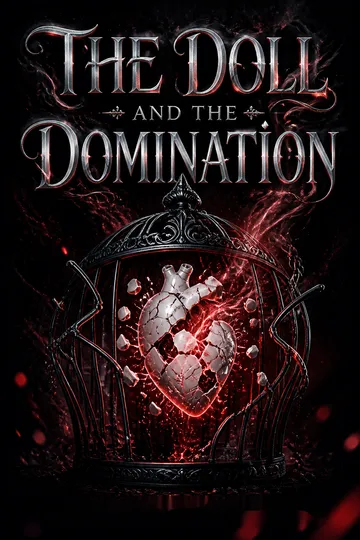
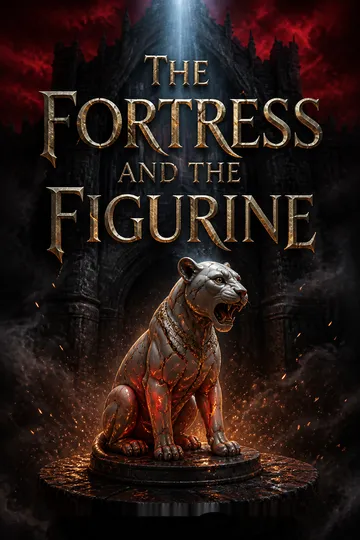
The Pawn and The Puppet Series
Download PDF
Download EPUB
.epub digital book format is ideal for reading ebooks on phones, tablets, and e-readers.








































