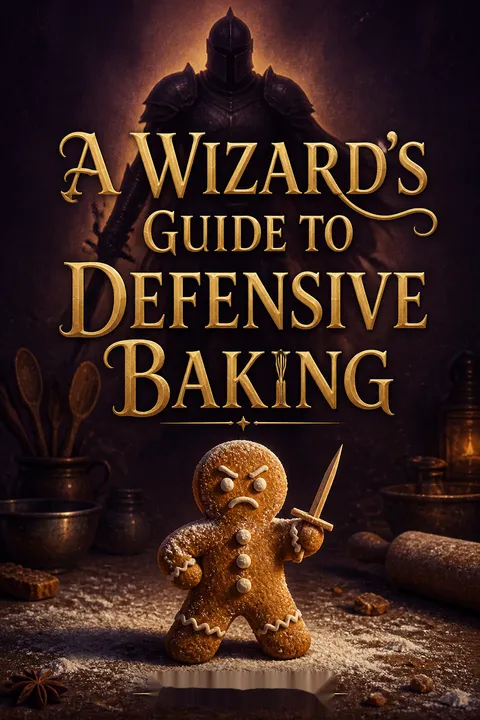

Plot Summary
Dead Girl in Bakery
Fourteen-year-old Mona, apprentice baker and minor bread wizard, stumbles upon a dead girl in her aunt's bakery before dawn. The shock is immediate and visceral—Mona's world, previously defined by dough and routine, is upended by violence. She's forced to confront mortality, fear, and the unknown, all while trying to keep the bakery running. The city's constables arrive, and Mona's magical abilities—limited to bread and pastries—suddenly seem suspicious. The event marks the end of innocence, as Mona realizes that even the most ordinary places can become sites of tragedy. The emotional weight of the discovery lingers, setting the tone for a story where safety and normalcy are fragile, and where a young girl must navigate a world that's suddenly dangerous and unpredictable.
Accused and Arrested
The city's inquisitor, Oberon, arrives and quickly accuses Mona of murder, using her magical status as evidence. Mona is swept up in a system that's more interested in scapegoats than truth. She's taken to the palace, bewildered and terrified, and subjected to a formal audience. The process is dehumanizing—she's treated as a criminal, her magic viewed with suspicion, and her voice nearly silenced. The emotional arc is one of fear, humiliation, and growing anger at the injustice. Mona's sense of self is challenged, but she also begins to see the cracks in the city's power structures. The experience plants the seeds of resistance, as Mona realizes that authority can be arbitrary and cruel, and that she may have to fight for her own survival and dignity.
Audience with the Duchess
In the palace, Mona faces a formal inquiry before the tired, pragmatic Duchess and her council. Oberon pushes for her conviction, but the Duchess, aided by the war wizard Lord Ethan, sees through the flimsy case. Mona's honesty and the limits of her magic—she can only influence bread—convince the Duchess of her innocence. The audience is tense, but ultimately, Mona is released. The emotional arc shifts from terror to relief, but also to anger at how easily her life was nearly destroyed. The Duchess's intervention is a rare moment of justice, but Mona senses the fragility of her safety. She leaves the palace changed—more wary, more aware of the city's dangers, and with a growing sense of responsibility to herself and others like her.
Spindle's Grief, Mona's Doubt
Mona returns home, only to be confronted by Spindle, a streetwise boy whose sister, Tibbie, was the dead girl in the bakery. Spindle's grief is raw and accusatory, forcing Mona to confront the human cost of the violence. Together, they search for answers, uncovering evidence that Tibbie was targeted for her minor magical talent. Mona's doubts about her own safety and the city's justice deepen. The emotional tone is one of sorrow, guilt, and growing solidarity between two outcasts. Mona's world is no longer safe or simple—she's drawn into a web of disappearances, fear, and the realization that someone is hunting magic-users. The chapter cements Mona's resolve to seek the truth and protect those like her, even as she grapples with her own limitations.
The Spring Green Man
Rumors swirl of a mysterious killer—the Spring Green Man—who can sense and track magic. Mona and Spindle, with the help of the eccentric Knackering Molly (who animates dead horses), piece together that Tibbie and other minor wizards are being systematically targeted. The Spring Green Man is revealed as a magical assassin, working in concert with Oberon to eliminate magical threats. Mona narrowly escapes an attack, using her bread magic and the help of her animate sourdough starter, Bob. The emotional arc is one of escalating fear, paranoia, and the realization that the city's institutions are complicit or powerless. Mona's magic, once a source of comfort, becomes her only defense. The chapter marks a shift from passive victimhood to active resistance, as Mona and her allies go underground.
Hiding in the Shadows
With Oberon's forces and the Spring Green Man hunting them, Mona and Spindle are forced to hide in the city's underbelly. They take refuge with Knackering Molly and rely on the kindness of outcasts. The city grows increasingly hostile—broadsheets accuse wizards of treason, and a registry is established to track magical citizens. Mona's sense of isolation and vulnerability intensifies, but so does her determination. She experiments with her magic, animating bread and gingerbread men for protection and reconnaissance. The emotional tone is one of desperation, ingenuity, and the forging of unlikely alliances. Mona's relationship with Spindle deepens, as they share the burdens of fear, hunger, and hope. The chapter is a crucible, hardening Mona's resolve and creativity.
Molly's Warnings
Knackering Molly, both mad and wise, shares her traumatic history with the government's use of wizards and warns Mona of the dangers of power. She prophesies the coming of the Spring Green Man and the city's descent into violence. Molly's warnings are both practical and philosophical—she urges Mona to "walk careful" and distrust those in power. The emotional arc is one of foreboding, as Molly's madness is revealed to be a form of hard-won wisdom. Mona is forced to confront the possibility that survival may require sacrifice, and that the city's problems are systemic, not just the work of a single villain. The chapter deepens the story's themes of trauma, marginalization, and the costs of magic.
The City Turns Hostile
The city's atmosphere grows poisonous as Oberon's propaganda takes hold. Broadsheets accuse wizards of being traitors, and neighbors are encouraged to inform on each other. Mona sees friends and fellow magickers disappear or flee. The city's institutions, once a source of order, become tools of oppression. Mona's own face appears on wanted posters, and she is forced to confront the reality that the city she loves is turning against her. The emotional arc is one of betrayal, anger, and a desperate search for hope. Mona's magic becomes both a liability and a weapon, as she experiments with new forms and strategies. The chapter is a turning point, as Mona realizes that survival will require not just hiding, but fighting back.
On the Run
Mona and Spindle are forced to flee through the city's sewers and alleys, pursued by constables and the Spring Green Man. Using her bread magic in creative ways—floating on enchanted bread slices, animating gingerbread men as spies—Mona evades capture. The experience is harrowing, but also empowering. Mona's ingenuity and courage are tested, and she discovers new depths to her magic. The emotional arc is one of exhaustion, fear, and the forging of a new sense of purpose. Mona is no longer just a victim—she is a survivor and a nascent leader. The chapter ends with Mona's decision to confront the city's rulers directly, seeking an audience with the Duchess to expose Oberon's plot.
Bread Magic Unleashed
In hiding, Mona experiments with her magic, learning to animate larger and more complex bread constructs. She discovers the principles of magical sympathy—how things made together are linked—and begins to envision using her magic on a grand scale. The city is on the brink of siege, with the Carex mercenaries approaching and the army away. Mona, with the support of Spindle, Aunt Tabitha, and the blacksmith Argonel, devises a plan to defend the city using bread golems. The emotional arc is one of creativity, hope, and the acceptance of responsibility. Mona's magic, once a source of shame and fear, becomes her greatest asset. The chapter is a celebration of ingenuity, community, and the power of the overlooked.
Siege Preparations
The city braces for the Carex assault. Mona organizes the bakers, blacksmiths, and volunteers to create massive bread golems and jars of weaponized sourdough starter (Bob). The palace kitchens become a war room, and Mona emerges as an unlikely leader. The emotional tone is tense but determined—there is fear, but also solidarity and pride. Mona's relationships deepen, especially with Aunt Tabitha and Spindle, as they work together to save their home. The chapter is a testament to the power of ordinary people, the value of community, and the importance of standing up in the face of overwhelming odds.
Golems and Ghosts
The siege begins. Mona's bread golems, animated by her magic and the collective effort of the city, hold the gates against the Carex. The battle is brutal and exhausting—Mona's magic is pushed to its limits, and she is nearly killed by the Spring Green Man. In the darkest moment, Knackering Molly sacrifices herself, calling forth an army of dead horses to rout the enemy. The emotional arc is one of sacrifice, loss, and triumph. The city is saved, but at great cost. Mona's magic, once dismissed as trivial, proves decisive. The chapter is a climax of action, emotion, and the story's central themes: the power of the overlooked, the cost of heroism, and the strength of community.
The Dead Horse Charge
Knackering Molly's final act—summoning the city's dead horses—turns the tide of battle. The Carex are routed, and the city is saved. But Molly's magic costs her life, and the survivors are left to mourn her passing. Mona, Spindle, and the Duchess honor Molly's memory, recognizing her as the true hero of the siege. The emotional arc is one of grief, gratitude, and reflection. The victory is bittersweet—won through sacrifice and loss. The chapter is a meditation on the costs of power, the meaning of heroism, and the importance of remembering those who are too often forgotten.
Aftermath and Reckoning
In the aftermath, the city begins to heal. The army returns, Oberon is exiled, and the Duchess reasserts her authority. Mona and Spindle are celebrated as heroes, but both struggle with the weight of their experiences. The city grapples with the lessons of the crisis—about power, prejudice, and the dangers of complacency. Mona is offered a place as a royal wizard, but chooses to return to the bakery, valuing her ordinary life and the community she loves. The emotional arc is one of relief, exhaustion, and the search for meaning after trauma. The chapter is a reckoning—with the past, with authority, and with the responsibilities of survival.
The Cost of Heroism
Mona struggles with her new status as a hero. She is haunted by the violence, the losses, and the knowledge that she was forced to act because others failed. Conversations with the Duchess and Lord Ethan reveal the complexities of power, leadership, and the burden of expectation. Mona rejects the idea of heroism as a solution, recognizing that it is often the result of systemic failure. The emotional arc is one of anger, sorrow, and hard-won wisdom. Mona chooses to focus on her craft, her community, and the small acts of kindness that make life worth living. The chapter is a meditation on the costs of heroism and the importance of ordinary goodness.
A City Reborn
The city rebuilds. Mona returns to the bakery, finding solace in routine and the company of those she loves. The scars of the siege remain, but so does the resilience of the community. Mona's magic is respected, but she chooses to use it for joy and nourishment, not war. The story ends with a sense of hope, tempered by vigilance—a recognition that safety and justice require constant effort. Mona's journey is one of growth, loss, and the discovery that even the smallest magic can change the world. The emotional arc is one of healing, gratitude, and the quiet heroism of everyday life.
Analysis
A Wizard's Guide to Defensive Baking is a subversive, emotionally resonant fantasy that uses the lens of a magical coming-of-age to explore themes of marginalization, power, and the costs of heroism. Through Mona's journey—from apprentice baker to reluctant savior—the novel interrogates the ways societies scapegoat the vulnerable, the dangers of unchecked authority, and the importance of community and creativity in the face of oppression. The story's magic system, rooted in the humble and the overlooked, is both a source of humor and a powerful metaphor for resilience. The narrative refuses easy answers—victory comes at a cost, and the trauma of survival lingers. The novel's greatest lesson is that heroism is not about grand gestures, but about small acts of courage, kindness, and solidarity. In a world that often fails its most vulnerable, Mona's story is a call to recognize the value of every person, the power of ordinary magic, and the necessity of standing together against injustice.
Review Summary
A Wizard's Guide to Defensive Baking is a charming, witty fantasy novel about a young baker with bread magic who must defend her city. Readers praise the unique magical system, quirky characters like Bob the sourdough starter, and blend of humor and darkness. Many appreciate the empowering message for young readers. While some found pacing issues or felt it skewed too young, most reviewers thoroughly enjoyed the imaginative story, likable protagonist, and Kingfisher's signature style. The book won multiple awards and is recommended for all ages.
People Also Read
Characters
Mona
Mona is a fourteen-year-old apprentice baker whose magical talent is limited to influencing dough and pastries. Orphaned young, she's been raised by her practical Aunt Tabitha. Mona is resourceful, compassionate, and deeply self-critical—her sense of inadequacy is a recurring theme, as she compares her "small" magic to the grand feats of war wizards. The trauma of discovering a corpse, being falsely accused, and hunted for her magic forces Mona to grow up quickly. She is inventive under pressure, using her bread magic in creative ways to survive and defend her city. Mona's psychological journey is from innocence and self-doubt to reluctant leadership and hard-won wisdom. She is haunted by the costs of heroism and the failures of authority, ultimately choosing to value ordinary kindness and community over glory or power.
Spindle
Spindle is a wiry, sharp-tongued street kid whose sister, Tibbie, is murdered for her magical talent. Initially suspicious and angry, Spindle's grief and vulnerability draw him to Mona. He is fiercely loyal, quick-witted, and skilled at navigating the city's underbelly. Spindle's relationship with Mona evolves from antagonism to deep friendship—they become partners in survival and resistance. His trauma and anger at the city's indifference fuel his distrust of authority, but he also provides comic relief and practical support. Spindle's arc is one of mourning, resilience, and the search for belonging. He represents the marginalized, the overlooked, and the power of solidarity among the powerless.
Aunt Tabitha
Aunt Tabitha is Mona's aunt and the owner of the bakery. She is large, formidable, and unflappable—a force of nature in the kitchen and in life. Tabitha's love is expressed through food, discipline, and unwavering support. She is skeptical of magic but fiercely protective of Mona, willing to defy authority and risk her own safety. Tabitha's presence grounds the story, providing stability and comfort amid chaos. Her psychological strength and practical wisdom are a model for Mona, and her willingness to fight for her family and community is a quiet form of heroism. Tabitha's arc is one of steadfastness, resilience, and the affirmation of ordinary goodness.
Knackering Molly
Knackering Molly is an eccentric, possibly mad, minor wizard who animates dead horses to help the city dispose of carcasses. Her madness is both a result of trauma—having been used and discarded by the government—and a form of wisdom. Molly is both comic and tragic, offering cryptic warnings and practical help. She is fiercely independent, distrustful of authority, and deeply compassionate toward other outcasts. Molly's ultimate sacrifice—summoning the city's dead horses to save the city at the cost of her own life—cements her as the story's true hero. Her arc is one of suffering, resistance, and redemption. Molly embodies the costs of power, the dangers of being different, and the possibility of grace in madness.
Inquisitor Oberon
Oberon is the city's inquisitor, a cunning and ruthless bureaucrat who exploits fear of magic to consolidate power. He orchestrates the persecution and murder of magic-users, using propaganda, registries, and assassins to create an atmosphere of terror. Oberon is motivated by ambition and a desire for control, not personal hatred of magic. His psychological profile is that of a classic authoritarian—calculating, charismatic, and willing to sacrifice others for his own ends. Oberon's arc is one of rise and fall—he is ultimately exposed and exiled, but not before causing immense harm. He represents the dangers of unchecked authority, scapegoating, and the weaponization of fear.
The Spring Green Man (Elgar)
The Spring Green Man, later revealed as Elgar, is a minor wizard with the ability to sense and track magic. He is Oberon's enforcer, hunting and killing magic-users with sadistic pleasure. Elgar is both a literal and symbolic predator—his magic is invasive, his presence terrifying. He is driven by a mix of personal pathology and the promise of power. Elgar's psychological profile is that of a sociopath—charming, remorseless, and ultimately self-destructive. His arc is one of escalating violence and eventual defeat, as he is killed in the chaos of the siege. Elgar represents the dangers of internalized oppression, the corruption of power, and the violence that results when difference is pathologized.
The Duchess
The Duchess is the city's ruler—a middle-aged, pragmatic woman burdened by responsibility and surrounded by scheming advisors. She is competent but weary, often paralyzed by the complexity of her position. The Duchess's arc is one of awakening—spurred by Mona's courage and the city's crisis, she finds the strength to confront Oberon and reclaim her authority. Her psychological journey is marked by guilt, self-doubt, and the struggle to balance compassion with power. The Duchess is both a symbol of institutional failure and the possibility of redemption. Her relationship with Mona is one of mutual respect, and her willingness to listen and change is a rare form of leadership.
Lord Ethan (The Golden General)
Lord Ethan is the city's chief war wizard and the leader of its army. He is charismatic, competent, and genuinely kind—a living legend who inspires loyalty and awe. Ethan's absence during the crisis is both a plot device and a commentary on the limits of heroism. When he returns, he offers Mona mentorship and validation, but also warns her of the costs of heroism and the dangers of power. Ethan's psychological profile is that of a seasoned leader—confident, self-aware, and haunted by the burdens of command. His arc is one of support and humility, recognizing the value of ordinary magic and the importance of community.
Bob (The Sourdough Starter)
Bob is Mona's animate sourdough starter—a gloppy, carnivorous, semi-sentient mass that serves as both a magical tool and a companion. Bob is a product of Mona's childhood fear and magic, and his survival and growth mirror Mona's own journey. He is both comic relief and a symbol of the power of overlooked, humble things. Bob's role in the siege—attacking the enemy as weaponized bread—is both absurd and heroic. His psychological profile is simple—he wants to live, eat, and help Mona. Bob represents the story's central theme: that even the smallest, strangest magic can change the world.
Gingerbread Man
Mona's gingerbread man is a recurring companion—an animated cookie who serves as a spy, helper, and emotional support. He is both a product of Mona's magic and a symbol of her creativity and resilience. The gingerbread man is resourceful, brave, and occasionally mischievous. His survival through the story, and his recognition at the end, underscore the value of small, persistent acts of magic and kindness. He represents the story's belief in the power of the overlooked, the importance of loyalty, and the possibility of joy even in dark times.
Plot Devices
Magic as Metaphor for Difference
The story uses magic—especially minor, "useless" talents—as a metaphor for difference, vulnerability, and the ways society treats the marginalized. Mona's bread magic is dismissed as trivial, but becomes essential in crisis. The persecution of magic-users mirrors real-world scapegoating and the dangers of authoritarianism. The registry, broadsheets, and propaganda are plot devices that evoke historical and contemporary forms of oppression. The narrative structure follows Mona's journey from innocence to resistance, using her magic as both a literal and symbolic tool for survival and change.
Foreshadowing and Symbolism
The story is rich in foreshadowing—Bob's carnivorous tendencies, Molly's warnings, and the city's casual prejudice all hint at the coming crisis. Objects like the gingerbread man, the sourdough starter, and the bread golems are both plot devices and symbols—of resilience, creativity, and the power of the overlooked. The recurring motif of bread—nourishing, humble, and magical—serves as a unifying symbol for community, survival, and transformation.
Narrative Structure and Perspective
The story is told in Mona's first-person voice, with a blend of humor, vulnerability, and insight. The limited perspective heightens the sense of danger and uncertainty, as Mona (and the reader) are often in the dark about larger political machinations. The narrative is episodic, moving from crisis to crisis, but unified by Mona's emotional arc and the central mystery of the city's violence. The use of present-tense immediacy and direct address draws the reader into Mona's experience, making her growth and trauma deeply felt.
Community and Found Family
The story's central plot device is the formation of community among the marginalized—Mona, Spindle, Molly, Aunt Tabitha, and others. Their alliances, forged in adversity, are what enable them to survive and resist. The bakery, the kitchen, and the city's underbelly are spaces of solidarity and creativity. The plot is driven not by individual heroism, but by collective action, mutual support, and the recognition of shared vulnerability.
Subversion of Heroic Tropes
The story deliberately subverts traditional heroic narratives. Mona is a reluctant hero, forced to act because others fail. The costs of heroism—trauma, loss, and the burden of expectation—are foregrounded. The narrative questions the idea that heroes are saviors, instead suggesting that heroism is often the result of systemic failure. The story's resolution is not triumph, but healing, reflection, and the choice to value ordinary life over glory.
About the Author

Download PDF
Download EPUB
.epub digital book format is ideal for reading ebooks on phones, tablets, and e-readers.








































