
Plot Summary
Shadows on the Sky-Chain
In the mountain province of Apua, Siano, a deadly assassin trained in the House of Patience, walks the perilous sky-chain, her every step a testament to her skill and resolve. She is summoned to a secret meeting, where a severed head—animated by ancient magic—gives her a list of names to kill. The blood of these victims will fuel a spell to awaken something long dormant. Siano, cold and efficient, accepts the task without hesitation, setting in motion a chain of events that will ripple across the world. The air is thick with foreboding, and the sense of fate being manipulated by unseen hands is palpable.
The Black Feather Three
Wydrin, Sebastian, and Lord Frith—known as the Black Feather Three—are hired to retrieve a stolen artifact from the distant city of Skaldshollow. Their journey upriver is marked by unease: the land is haunted by old magic, and the people are fearful, making offerings to ancient gods. Each of the trio carries scars from past battles, and their camaraderie is laced with tension and unspoken pain. As they approach Skaldshollow, the city carved into the mountain, they sense that this job will be far more dangerous than it first appeared.
Brood Sisters in Exile
Sebastian leads the surviving brood sisters—daughters of the slain dragon-god Y'Ruen—into exile. They are hunted, feared, and struggling to adapt to a world that sees them as monsters. Sebastian tries to teach them restraint and humanity, but their instincts for violence and hunger are hard to suppress. The sisters' journey is fraught with tension, as they must hide from humans and from their own nature. Sebastian's guilt and sense of responsibility weigh heavily, and the sisters' struggle for identity and acceptance is both poignant and perilous.
Skaldshollow's Living Stone
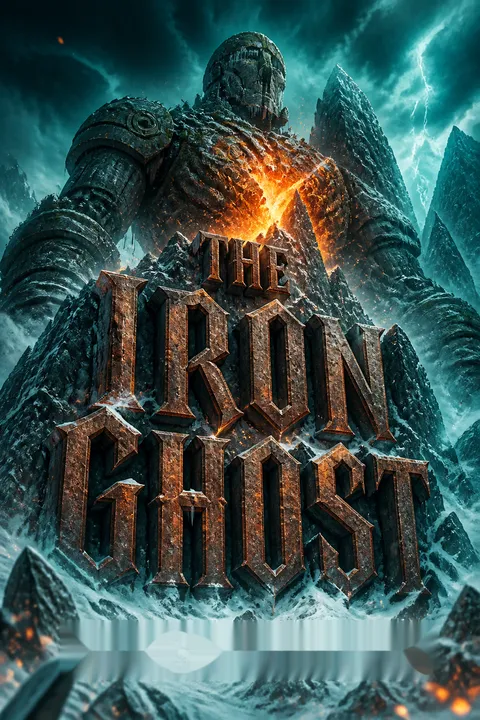
Skaldshollow is a city unlike any other, its streets patrolled by living stone constructs called werkens, animated by the magical Heart-Stone. The city's leaders, Tamlyn Nox and her family, are crafters of the Edeian, the deep magic of the land. When the Heart-Stone is stolen by their ancient enemies, the Narhl, Skaldshollow is left vulnerable. The Black Feather Three are drawn into a web of political intrigue, family tension, and the city's uneasy relationship with the living magic that sustains it. The sense of a city on the brink of disaster is ever-present.
The Heart-Stone Stolen
The theft of the Heart-Stone by the Narhl is not just a political act—it is a spiritual wound. The Narhl believe the stone is the soul of the mountain, and its removal is an act of reclamation. Skaldshollow's werkens begin to fail, and the city's defenses weaken. The Black Feather Three are tasked with retrieving the stone, but the journey to the Narhl's icy fortress is fraught with danger. The land itself seems to resist them, and the old magic stirs, hinting at greater threats to come.
Assassin's Blood and Names
Siano, the assassin, continues her bloody work, killing entire families and collecting their blood for the severed head's spell. Her actions are methodical, chilling, and devoid of remorse. The spell she is fueling is revealed to be part of a plan to resurrect Joah Demonsworn, a legendary mage whose return could reshape the world. The intertwining of blood, names, and magic underscores the theme of legacy and the inescapable pull of the past.
The Prophet's Secret
In Skaldshollow, the mysterious Prophet—an enigmatic child—advises Tamlyn Nox, guiding the city's actions with uncanny foresight. The Prophet is, in truth, the demon Bezcavar, manipulating events to orchestrate Joah's return. The Prophet's influence sows discord, drives Tamlyn to desperate measures, and sets the stage for catastrophe. The sense of being caught in a web spun by an inhuman intelligence is suffocating, and the city's leaders are blind to the true danger in their midst.
War in the Frozen Steps
The Black Feather Three infiltrate the Narhl's fortress, facing wyvern-riding warriors and the deadly cold. Alliances are tested, and betrayals threaten to unravel their mission. Sebastian's growing bond with Prince Dallen, the Narhl heir, adds emotional complexity. The theft of the Heart-Stone is revealed to be part of a larger spiritual conflict, and the lines between friend and foe blur. The siege culminates in violence, loss, and the realization that the true enemy may not be the Narhl at all.
The Mage's Tomb
The adventurers visit the tomb of Joah Demonsworn, learning of his pact with a demon and the catastrophic consequences of his ambition. The tomb is a place of power and warning, its spells still potent after centuries. The story of Joah's fall is a mirror for the present, a cautionary tale about the dangers of unchecked magic and the seductive lure of forbidden knowledge. The sense of history repeating itself is inescapable.
Joah Demonsworn Returns
Siano's blood magic succeeds: Joah Demonsworn is resurrected, his mind fractured and his power immense. He returns to Skaldshollow, slaughtering innocents and destroying the city's defenses. The Prophet/Bezcavar reveals its true nature, and the city descends into chaos. Joah's return is both triumphant and tragic—he is a genius, a monster, and a victim of his own choices. The world trembles as old magic and new ambition collide.
The Rivener Awakes
Joah unveils the Rivener, a colossal construct powered by the Heart-Stone and fueled by the souls of the living. The machine tears through Skaldshollow, harvesting souls and spreading death. The city becomes a necropolis, its people transformed into the Rivened—soulless husks animated by Joah's will. The Black Feather Three and their allies mount a desperate resistance, but the odds are overwhelming. The sense of apocalypse is overwhelming, and hope flickers in the darkness.
The City of the Dead
Skaldshollow is now a city of the dead, shrouded in a red storm and haunted by the Rivened. Wydrin, separated from her friends, fights to survive in a world where the living are prey. The boundaries between life and death blur, and the city's history of violence and magic comes to a head. The struggle for survival is both physical and existential, as the characters confront the consequences of their choices and the weight of the past.
The Demon's Bargain
In a desperate bid to save Frith, Wydrin bargains with Bezcavar, offering herself as a willing host in exchange for Frith's life. The demon possesses her, but Wydrin's will proves stronger, and she manages to expel Bezcavar at great personal cost. The themes of sacrifice, love, and the limits of power are brought into sharp focus. The emotional stakes are as high as the physical ones, and the characters are forced to confront what they are willing to risk for each other.
The Destroyer Rises
Tamlyn and Nuava Nox, with Frith's help, awaken the Destroyer—a giant werken built to challenge the Rivener. The battle between the two constructs is epic, shaking the city to its foundations. Nuava joins her mind with the mountain spirit, sacrificing herself to give the Destroyer the strength to prevail. The cost of power is high, and the line between savior and destroyer blurs. The city's fate hangs in the balance.
The Last Stand
Sebastian, the brood sisters, the Narhl, and the last survivors of Skaldshollow rally for a final assault on the Rivener. The city is a battlefield, and the outcome is uncertain. Old grudges are set aside, and new bonds are forged in the crucible of war. The sense of desperation is matched by moments of heroism and grace. The characters are pushed to their limits, and the true nature of courage is revealed.
The Summoning
Joah, now more than human, carves a summoning spell into the city itself, opening a portal to another world. The dragon-god Y'Ruen returns, monstrous and corrupted, threatening to consume everything. The Destroyer and the last defenders of Skaldshollow make a final, desperate stand. The boundaries between magic, divinity, and humanity are shattered, and the cost of victory is almost too high to bear.
The End of Magic
Frith uses the Edenier trap to destroy Joah's magic, sacrificing his own power in the process. The portal is closed, the dragon banished, and the city saved—but at a terrible cost. The survivors are left to pick up the pieces, haunted by loss and changed forever. Wydrin, Sebastian, and Frith are reunited, but the world they knew is gone. The story ends with hope tempered by sorrow, and the promise of new adventures in a world forever altered by magic, love, and sacrifice.
Analysis
A modern fantasy epic about the cost of power, the weight of legacy, and the possibility of redemption
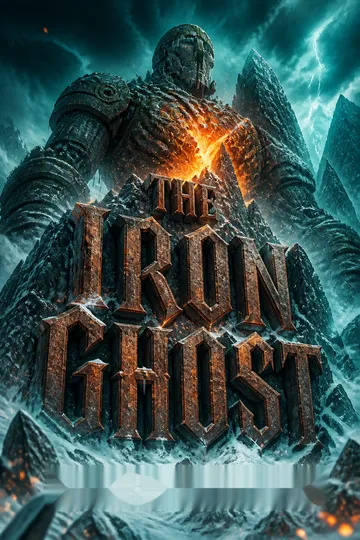
The Iron Ghost is a sweeping, emotionally charged fantasy that interrogates the nature of power, the dangers of unchecked ambition, and the enduring strength of love and sacrifice. Through its complex characters and intricate plot, the novel explores how the past shapes the present—whether through bloodlines, magic, or the stories we tell ourselves. The living constructs of Skaldshollow, the resurrection of Joah Demonsworn, and the machinations of the demon Bezcavar all serve as metaphors for the ways in which history, trauma, and desire can both empower and destroy. The novel's greatest strength lies in its refusal to offer easy answers: every victory comes at a cost, and every act of heroism is shadowed by loss. Yet, in the end, The Iron Ghost is a story about hope—the hope that even in a world haunted by the dead, we can choose to build something new, to love despite the risk, and to find meaning in the struggle. The lessons are clear: power without empathy is ruinous, the past must be confronted rather than denied, and redemption is possible, but only through courage, honesty, and the willingness to change.
Review Summary
People Also Read
Characters
Wydrin Threefellows
Wydrin, the Copper Cat of Crosshaven, is a mercenary with a sharp tongue, a quick blade, and a fiercely loyal heart. Her bravado masks deep wounds and a longing for connection. She is the glue that holds the Black Feather Three together, often providing the spark of hope or humor in the darkest moments. Wydrin's journey is one of self-discovery: she learns the cost of love, the weight of sacrifice, and the strength that comes from vulnerability. Her willingness to bargain with a demon for her friends' lives reveals both her recklessness and her capacity for selfless love. Wydrin's relationships—with Sebastian, Frith, and the world—are marked by complexity, wit, and a refusal to give up, even when all seems lost.
Sir Sebastian Carverson
Sebastian is a former knight of Ynnsmouth, exiled and burdened by guilt over his past and his connection to the brood sisters. He is a man of principle, struggling to reconcile his violent heritage with his desire for peace and redemption. Sebastian's role as mentor to the brood sisters is both a penance and a calling, and his relationship with Prince Dallen adds layers of longing and hope. Psychologically, Sebastian is torn between duty and desire, haunted by loss but driven to protect those he loves. His journey is one of acceptance—of himself, his past, and the possibility of a future shaped by compassion rather than violence.
Lord Aaron Frith
Frith is a young lord and a rare mage, marked by trauma, ambition, and a deep sense of responsibility. His mastery of the Edenier is both a gift and a curse, and his time as Joah's prisoner leaves him scarred and changed. Frith's psychological arc is defined by his struggle with guilt, the temptation of power, and the fear of losing himself. His love for Wydrin is a source of both strength and vulnerability, and his ultimate sacrifice—destroying his own magic to save the world—reveals the depth of his character. Frith's journey is one of self-forgiveness, the acceptance of loss, and the courage to choose hope over despair.
Joah Demonsworn
Joah is a figure of legend, resurrected by blood magic and driven by ambition, loneliness, and the influence of the demon Bezcavar. His brilliance is matched only by his capacity for cruelty, and his return brings chaos and death. Joah's relationship with Bezcavar is both symbiotic and destructive, and his longing for connection is twisted by his inability to trust or love. Psychologically, Joah is a study in the dangers of unchecked genius and the corrosive effects of isolation. His transformation into something more than human—and less—serves as a warning about the cost of power without empathy.
Tamlyn Nox
Tamlyn is the Mistress Crafter of Skaldshollow, a woman of formidable skill and unyielding will. Her devotion to her city and her family is matched by her capacity for ruthlessness. Tamlyn's relationship with her niece and nephew is fraught with expectation and disappointment, and her alliance with the Prophet/Bezcavar reveals her vulnerability to manipulation. Psychologically, Tamlyn is driven by pride, grief, and a desperate need to prove herself. Her final stand against Joah is both heroic and tragic, a testament to the costs of leadership in a world at war.
Nuava Nox
Nuava is Tamlyn's niece, a crafter in training, and a voice of conscience in a city blinded by tradition. Her curiosity and empathy set her apart, and her willingness to question the morality of the werkens' creation marks her as a visionary. Nuava's journey is one of growth, sacrifice, and the search for meaning in a world defined by violence. Her ultimate union with the mountain spirit is both a triumph and a tragedy, a final act of agency in a life shaped by others' choices.
Bezcavar (The Prophet)
Bezcavar is the true antagonist, a demon who thrives on pain, manipulation, and the corruption of souls. Disguised as the Prophet, Bezcavar orchestrates Joah's return and the city's downfall. Psychologically, Bezcavar is a study in predation—intelligent, patient, and utterly without empathy. Its relationship with Joah is both intimate and exploitative, and its ability to possess and corrupt others is a metaphor for the insidious nature of evil. Bezcavar's defeat is not just a physical victory, but a moral one—a rejection of suffering as the price of power.
Siano
Siano is a product of the House of Patience, trained to kill without remorse. Her role as the catalyst for Joah's resurrection is both chilling and pitiable. Psychologically, Siano is defined by emptiness—a void where empathy should be. Her fate is a warning about the dangers of becoming an instrument for others' ambitions, and her story is a thread of tragedy woven through the larger tapestry of the novel.
Prince Dallen
Dallen is the prince of the Narhl, a man caught between tradition and the desire for a better future. His relationship with Sebastian is a source of hope and vulnerability, and his willingness to challenge his father's authority marks him as a leader for a new age. Psychologically, Dallen is defined by longing—for acceptance, for love, for a world where peace is possible. His exile and suffering are both a crucible and a catalyst for growth.
Ephemeral
Ephemeral is one of the most thoughtful and adaptable of the brood sisters, eager to learn and to find her place in a world that fears her. Her relationship with Sebastian is both filial and aspirational, and her leadership among the sisters is marked by empathy and curiosity. Psychologically, Ephemeral is a symbol of hope—the possibility that even those born for violence can choose a different path. Her journey is one of self-discovery, the forging of identity, and the search for belonging.
Plot Devices
Blood Magic and Legacy
The novel's central plot device is the use of blood magic—spells fueled by lineage, names, and the literal spilling of blood. This device ties the fates of individuals and families to ancient powers, making the past a living force in the present. The resurrection of Joah Demonsworn, the awakening of the Rivener, and the city's destruction are all made possible by the manipulation of bloodlines and the legacy of old magic. This device underscores the theme that history cannot be escaped, only confronted and transformed.
Living Constructs and Sentient Magic
The werkens and the Heart-Stone are more than tools—they are embodiments of the land's magic and spirit. The question of their sentience, and the morality of their use, is a recurring motif. The awakening of the Destroyer and the union of Nuava with the mountain spirit are climactic moments that blur the line between human and nonhuman, technology and nature. This device explores the costs of exploitation and the possibility of reconciliation with the world's deeper forces.
The Demon's Manipulation
Bezcavar's role as the Prophet is a masterclass in foreshadowing and misdirection. The demon's advice always serves its own ends, and its ability to possess and corrupt is a metaphor for the dangers of unchecked ambition and the seduction of easy answers. The device of the hidden puppet master creates tension, uncertainty, and a sense of inevitability, as the characters struggle to see the true shape of the threat they face.
Resurrection and the Cost of Power
The resurrection of Joah Demonsworn is both a plot engine and a thematic touchstone. It raises questions about the cost of power, the dangers of genius unmoored from empathy, and the ways in which the past can consume the present. The device of resurrection is used not as a simple return, but as a transformation—Joah is both himself and something new, and his return is a catalyst for the story's climax.
The City as Character
Skaldshollow is more than a setting—it is a character in its own right, shaped by magic, history, and the choices of its people. The city's transformation from a place of wonder to a necropolis is both literal and symbolic, reflecting the novel's themes of decay, renewal, and the struggle for meaning in a world shaped by forces beyond human control.
Sacrifice and Redemption
Throughout the novel, characters are forced to make sacrifices—of power, of love, of self. The device of the bargain with the demon, the use of the Edenier trap, and the final stand against Joah all hinge on the willingness to risk everything for others. Redemption is never easy or complete, but the possibility of change—personal and collective—is the novel's ultimate message.
The Copper Cat Series
About the Author
Other books by Jen Williams
Download PDF
Download EPUB
.epub digital book format is ideal for reading ebooks on phones, tablets, and e-readers.








































