
Plot Summary
Gathering Storms and Old Grudges
The North and the Union teeter on the edge of war, haunted by the ghosts of past battles and the ambitions of new leaders. Black Dow, the ruthless Protector of the North, holds power through fear and violence, while the Union's armies, led by cautious Lord Marshal Kroy, march northward, driven by political pressure and the king's impatience. Old friendships and rivalries—Dogman's loyalty, Calder's scheming, Curnden Craw's weariness—set the stage for a conflict where no side is truly united. As both armies gather, alliances are tested, betrayals simmer, and the land itself seems to groan under the weight of coming bloodshed. The times demand heroes, but the world is short on them, and those who remain are tired, compromised, or already dead.
Lines Drawn, Sides Chosen
As the armies converge, the lines between friend and foe blur. The North is riven by feuds among its war chiefs—Ironhead, Golden, Tenways—while the Union's command is plagued by incompetence, ambition, and old grudges. Calder, Bethod's cunning son, maneuvers for survival and power, even as his brother Scale embodies brute force. Curnden Craw, haunted by the past, tries to do the right thing amid chaos. The Dogman, once Dow's friend, now fights for the Union, torn by regret. The armies' movements are dictated as much by personal vendettas and shifting alliances as by strategy, and the coming battle promises to be as much a reckoning of old sins as a contest for land.
The Price of Command
Command weighs heavily on those who bear it. Black Dow, feared and hated, finds himself alone atop a mountain of enemies, forced to trust men he despises. Kroy, the Union's marshal, is hemmed in by politics and the king's demands, forced to rush into battle before his army is ready. Finree, ambitious and sharp, navigates the treacherous world of military wives and officers, seeking advancement for her husband and herself. Calder, ever the survivor, tries to play every side, but finds that power comes with a price—betrayal, suspicion, and the constant threat of death. In the North, even the straight-edged Craw is forced to compromise, as the right thing becomes harder to discern.
Blood on the Hill
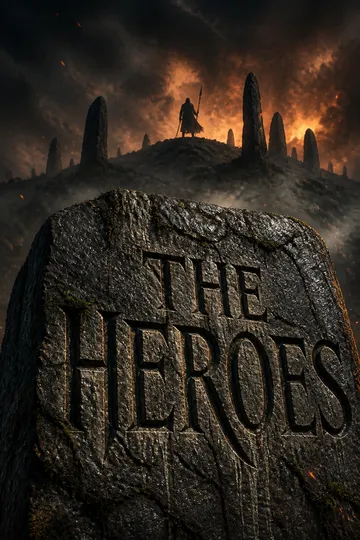
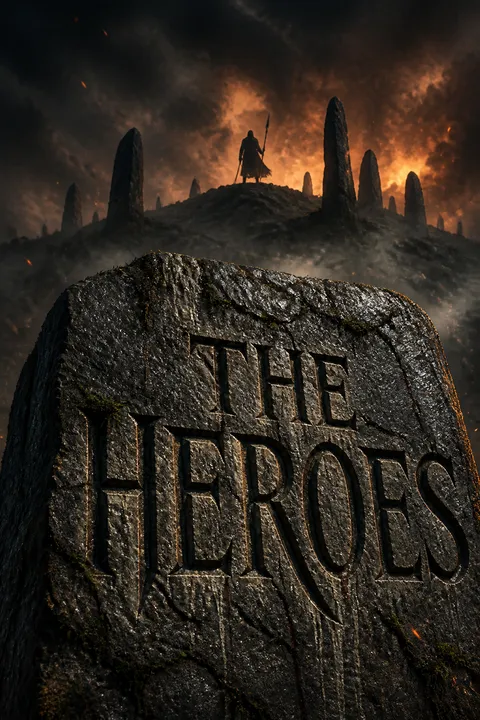
The Union and the Northmen clash at the ancient hill of the Heroes, a place steeped in legend and death. Craw's dozen, outnumbered and battered, hold the stones against Hardbread's men, fighting not for glory but survival. The Union's assaults are blunted by cunning traps and the North's fierce defense, but the cost is high—friends fall, wounds mount, and the ground is soaked in blood. The chaos of battle exposes the folly of heroism and the randomness of death. As the fighting rages, the lines between courage and cowardice, loyalty and self-preservation, blur, and the hill becomes a graveyard for both sides' dreams.
The Weight of Names
Names carry power in the North—Named Men, heroes, and cowards alike are defined by their deeds and the stories told about them. Beck, a young recruit, yearns for glory but finds only horror and guilt. Whirrun of Bligh, the mad hero, seeks his destiny and meets it in the mud. Calder, haunted by his father's shadow, struggles to forge his own path, while Dow's reputation both protects and dooms him. The burden of legacy shapes every choice, and the desire to be remembered drives men to both greatness and ruin. In the end, the songs rarely tell the truth, and the weight of names is often too much to bear.
Tricks, Traps, and Treachery
Victory goes not to the boldest, but to the cleverest. Calder's traps and ruses turn the tide against the Union cavalry, while spies and assassins ply their trade in the shadows. Orders are intercepted, alliances betrayed, and the true enemy is often within. The Union's command structure frays under pressure, and the North's unity is a fragile illusion. Even the supposed heroes are forced to lie, cheat, and kill in the dark. The battle becomes a contest of wits as much as strength, and those who survive do so by embracing the necessary ugliness of war.
The Tyranny of Orders
The Union's rigid hierarchy and obsession with orders lead to disaster. Messages are lost, commands misunderstood, and initiative is punished rather than rewarded. Officers like Tunny and Forest navigate the absurdities of military life, where survival often depends on bending the rules. Mitterick's reckless charge, Jalenhorm's misplaced trust, and Kroy's political caution all contribute to needless slaughter. In the North, Dow's word is law, but his authority is undermined by ambition and fear. The machinery of war grinds on, indifferent to the men it consumes, and the tyranny of orders ensures that mistakes are repeated until they become tragedy.
The Cost of Glory
The pursuit of glory leaves a trail of corpses. Jalenhorm's doomed assault on the Heroes, Scale's last stand at the Old Bridge, and Whirrun's fatal duel with Gorst all end in death and disillusionment. Finree's ambition brings her to the brink of destruction, and even victory tastes of ash. The survivors are left to count the cost—friends lost, bodies broken, souls scarred. The songs may celebrate the brave, but those who live through the battle know that heroism is often indistinguishable from madness, and that the true price of glory is paid in blood and regret.
The Circle and the Cross
With the battle won, old scores are settled in the circle. Calder, condemned for treachery, challenges Black Dow to a duel. The fight is brutal and one-sided, but in a shocking turn, Shivers betrays Dow, killing him and ending his reign. Calder seizes power, but not without cost—his victory is tainted by blood and betrayal, and the North is left leaderless and divided. The circle, once a place of honor, becomes a stage for treachery, and the cross—a symbol of Dow's cruelty—claims its final victim. Justice is a matter of perspective, and vengeance only breeds more violence.
The End of Heroes
The aftermath of battle reveals the emptiness of heroism. Craw, the last straight edge, retires in sorrow, haunted by the friends he's buried and the compromises he's made. Beck returns home, forever changed, his dreams of glory replaced by the simple joys of survival. The songs of the North grow quieter, the old names fade, and the new rulers are no better than the last. The world moves on, indifferent to the sacrifices of its heroes, and the line between legend and reality grows ever thinner. In the end, the only reward for heroism is to be forgotten.
Spoils and Scars
The Union and the North count their dead and divide the spoils, but there is little satisfaction in survival. Finree's ambition is rewarded with power, but at the cost of her innocence and her father's honor. Gorst, the king's last hero, is restored to favor but finds no peace in victory. The wounded and the grieving are left to pick up the pieces, and the scars of battle run deep. The spoils of war are meager, and the true cost is borne by those who must live with what they have done—and what they have lost.
New Masters, Old Sins
Calder, now Black Calder, consolidates his rule through cunning, compromise, and the ruthless elimination of rivals. The North's war chiefs pledge loyalty out of self-interest, not conviction, and the cycle of betrayal continues. Bayaz, the First of the Magi, manipulates events from the shadows, ensuring that the true power remains with him. The Union's new leaders are no better than the old, and the promise of peace is already tainted by the seeds of future conflict. The sins of the past are never truly buried, and the new masters are already repeating the mistakes of those they replaced.
The Price of Peace
The war ends not with triumph, but with negotiation and uneasy compromise. The Union and the North divide the land, each side claiming victory while nursing fresh wounds and old grudges. Calder's survival depends on his willingness to serve Bayaz, and the Dogman's protectorate is a hollow reward. Finree and Hal rise to power, but at the cost of their ideals. The peace is fragile, bought with blood and betrayal, and everyone knows it will not last. The price of peace is paid by those who must live with the consequences—and by those who are already planning the next war.
Family and Betrayal
Family is both a source of strength and a cause of ruin. Calder's ascent is marked by the betrayal of his brother Scale and the manipulation of his father-in-law Reachey. Finree's loyalty to her husband and father is tested by ambition and necessity. Craw, once the heart of his crew, finds himself alone, unable to reconcile his ideals with the world's demands. In the end, blood is not enough to guarantee loyalty, and betrayal is often the price of survival. The bonds that hold people together are as easily broken as they are forged, and the wounds they leave are slow to heal.
The Last Straight Edge
Curnden Craw, the last of the old heroes, finally lays down his sword and tries to find peace in a carpenter's life. But the world he returns to is changed, and the skills that once made him valuable are now a burden. The memories of friends lost and battles fought haunt him, and the right thing is harder than ever to find. Even in retirement, Craw is called upon to choose sides, but he refuses, determined to live by his own code. His story is a quiet testament to the cost of integrity in a world that rewards compromise, and to the loneliness of those who try to do the right thing.
The Pit and the Throne
Calder's victory is hollow, haunted by the corpses he has climbed over to reach the throne. The pit of bodies is a constant reminder of the price of ambition, and Bayaz's manipulations ensure that true power remains elusive. The new king is forced to serve the old master, and the cycle of violence and betrayal continues. The throne is a lonely place, and the pit is never far away. In the end, the difference between ruler and corpse is only a matter of time—and luck.
The Unmaking of Men
The survivors of the battle struggle to find meaning in a world that has moved on. Gorst, once a hero, is left empty by victory and rejected by the woman he loves. Finree, now Lady Governess, discovers that power comes with its own chains. Beck, returned home, finds that the dreams of youth are best left behind. The war has unmade them all, stripping away illusions and leaving only scars. The unmaking of men is the true legacy of the Heroes, and the world is indifferent to their suffering.
The Currents of History
As peace settles uneasily over the North, the currents of history sweep away the last traces of heroism and idealism. The new rulers are already plotting, the old wounds are still bleeding, and the next war is only a matter of time. The stories of the Heroes fade into legend, distorted and forgotten, while the survivors try to build new lives on the ruins of the old. In the end, the world belongs not to heroes, but to those who endure—and to those who are willing to do whatever it takes to survive.
Analysis
A modern meditation on war, power, and the myth of heroismThe Heroes is a brutal, unflinching examination of the realities of war and the emptiness of glory. Abercrombie strips away the romantic veneer of epic fantasy, revealing a world where survival depends on compromise, cunning, and the willingness to betray. The novel's structure—shifting perspectives, cyclical violence, and the deconstruction of legend—serves to undermine the very idea of the hero, suggesting that history is written by the survivors, not the virtuous. Power is shown to be transient, loyalty a matter of convenience, and peace a temporary pause in an endless cycle of conflict. The characters' struggles—with themselves, with each other, and with the world—reflect the modern condition: a search for meaning in a world that offers only ambiguity and disappointment. The Heroes is not just a story of battle, but a meditation on the cost of ambition, the futility of violence, and the enduring human need to find purpose—even in the mud.
Review Summary
People Also Read
Characters
Curnden Craw
Craw is the weary, principled Named Man who tries to do the right thing in a world that no longer values it. Once Second to Threetrees, now leading his own dozen, Craw is respected for his fairness and experience, but burdened by the memories of friends lost and the compromises he's made. His loyalty is both his strength and his curse, as he's drawn into Dow's service and forced to betray his own ideals. Craw's journey is one of disillusionment, as he realizes that heroism is a relic and that survival often means abandoning the right thing. His retirement is bittersweet—a search for meaning in a world that has moved on, and a quiet testament to the cost of integrity.
Black Dow
Black Dow is the brutal, cunning Protector of the North, a man who has clawed his way to power through violence and betrayal. Once a companion of the Bloody-Nine, now a tyrant haunted by enemies and the weight of his own reputation, Dow rules through fear but finds himself increasingly isolated. His paranoia and need for control drive away allies and breed new rivals. Dow's downfall comes not from the battlefield, but from within—betrayed by those closest to him, undone by the very ruthlessness that brought him to power. His death marks the end of an era, but also the perpetuation of the cycle of violence he embodied.
Prince Calder (Black Calder)
Calder is the younger son of Bethod, infamous for his cowardice and cunning. A master of manipulation, he survives by playing every side, always seeking the advantage. His ascent to power is marked by betrayal, compromise, and a willingness to do whatever it takes. Calder's relationships—with his wife Seff, his brother Scale, and his father-in-law Reachey—are fraught with suspicion and self-interest. Ultimately, Calder becomes king not through heroism, but through luck, treachery, and the favor of greater powers like Bayaz. His rule is a testament to the triumph of pragmatism over idealism, and the hollowness of victory won at any cost.
Finree dan Brock
Finree is the daughter of Lord Marshal Kroy and the wife of Hal Brock, driven by ambition and intelligence in a world that underestimates her. She navigates the treacherous politics of the Union army, seeking advancement for her husband and herself. Her ordeal as a hostage and her role in negotiating peace reveal both her resilience and her capacity for compromise. Finree's rise to power comes at the cost of her innocence and her father's honor, and she learns that ambition demands sacrifices she never anticipated. Her story is one of adaptation, as she becomes both a maker and a victim of history.
Bremer dan Gorst
Gorst is the Union's royal observer, once the king's champion, now exiled and desperate for redemption. A master swordsman with a childlike voice, Gorst is consumed by self-loathing and a need to prove himself. His love for Finree is unrequited, and his heroics on the battlefield bring him neither peace nor respect. Gorst's journey is one of self-destruction, as he discovers that violence cannot wash away shame, and that heroism is a hollow reward. His restoration to favor is ultimately meaningless, and he is left empty, unmade by the very war that gave him purpose.
Caul Shivers
Shivers is a Named Man with a metal eye, infamous for his violence and haunted by his past. Once a seeker of the straight edge, he has become Dow's enforcer, feared and mistrusted by all. Shivers' loyalty is transactional, and his actions are driven by a desire for respect and a place in the world. His pivotal betrayal of Dow is both a personal reckoning and a reflection of the North's shifting loyalties. Shivers embodies the cost of survival in a brutal world, and his journey is one of self-realization—accepting that mercy and cowardice are often the same, and that everyone serves someone.
Whirrun of Bligh
Whirrun is the eccentric, fearless warrior who wields the legendary Father of Swords. Driven by visions and a sense of destiny, he seeks meaning in chaos and embraces the madness of war. Whirrun's humor and unpredictability mask a deep fatalism, and his death in battle is both tragic and inevitable. His refusal to pass on his sword is a rejection of the cycle of violence, and his legacy is a reminder that heroism is as much a curse as a blessing. Whirrun's presence brings both levity and pathos, and his end marks the fading of the old legends.
The Dogman
Once a companion of Dow and the Bloody-Nine, the Dogman now fights for the Union, driven by a desire for peace and a distaste for needless bloodshed. He is respected for his realism and his ability to adapt, but haunted by the betrayals and losses of the past. The Dogman's role as a bridge between North and South is fraught with compromise, and his protectorate is a hollow reward. His story is one of endurance, as he tries to do the best he can in a world that punishes idealism and rewards cunning.
Beck (Red Beck)
Beck is a young farmer who dreams of glory but finds only horror and guilt on the battlefield. His journey from naïve recruit to traumatized survivor mirrors the unmaking of men that war brings. Beck's accidental heroism is a lie, and his return home is marked by disillusionment and a longing for the simple life he once despised. His story is a quiet tragedy, a reminder that the true cost of war is paid by those who survive it.
Bayaz, First of the Magi
Bayaz is the ancient, enigmatic wizard who shapes the course of history from the shadows. His power is absolute, his morality nonexistent, and his influence extends to every corner of the conflict. Bayaz's manipulations ensure that true power remains with him, regardless of who sits on the throne. He is both a symbol of the futility of resistance and a warning about the dangers of unchecked ambition. Bayaz's presence is a constant reminder that the world is ruled not by heroes, but by those who understand—and exploit—the currents of history.
Plot Devices
Shifting Perspectives and Moral Ambiguity
The narrative unfolds through a rotating cast of characters—Craw, Calder, Finree, Gorst, Beck, and others—each offering a unique lens on the events. This structure exposes the moral ambiguity of war, as every side believes itself justified and every hero is also a villain. The use of close third-person perspective allows readers to inhabit the fears, hopes, and rationalizations of each character, blurring the line between right and wrong. The shifting viewpoints also serve to foreshadow betrayals and reveal the hidden motives that drive the plot, ensuring that no single version of events is ever the whole truth.
Cycles of Violence and Betrayal
The story is structured around cycles—of war, betrayal, and the rise and fall of leaders. The duels, betrayals, and shifting alliances echo the past, suggesting that history is doomed to repeat itself. The motif of the circle—both literal (the dueling ring) and metaphorical—reinforces the idea that violence begets violence, and that every victory sows the seeds of future conflict. Foreshadowing is used to hint at inevitable betrayals, and the narrative structure ensures that no triumph is ever final, no peace ever secure.
Deconstruction of Heroism
The novel systematically dismantles the myth of the hero. Through irony, dark humor, and the juxtaposition of legend and lived experience, Abercrombie exposes the emptiness of glory and the randomness of survival. The use of songs, names, and stories within the narrative serves to highlight the gap between reputation and reality. The fate of characters like Whirrun, Craw, and Beck underscores the futility of seeking meaning in war, and the narrative's refusal to grant closure or redemption is a deliberate subversion of traditional epic fantasy tropes.
Manipulation and Power Behind the Scenes
Bayaz's unseen influence is a constant presence, manipulating events and ensuring that power remains with those who understand the true rules of the game. Letters, secret orders, and whispered bargains drive the plot as much as open battle. The use of plot devices like intercepted messages, double agents, and last-minute betrayals keeps the reader off-balance and reinforces the theme that the real battles are fought in the shadows, not on the field.