
Plot Summary
Rooftop Longing and Red Thread
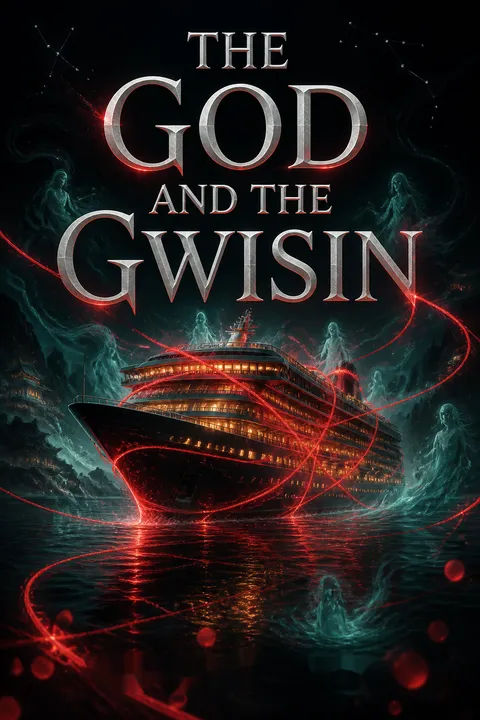
Yoo Kisa, a brilliant but overworked shaman doctor in Seoul, finds herself on the hospital rooftop, overwhelmed by exhaustion and a sense of emptiness. She's haunted by a mysterious red thread tied to her pinky, a mythic sign of soulmates, which she dismisses as a hallucination from stress. As she contemplates her life and the choices that led her here, the thread tightens, and she is suddenly pushed from the rooftop, falling to her death. This moment marks the end of her mortal life and the beginning of her journey as a gwisin—a ghost—her fate now entwined with the enigmatic red thread and a destiny she cannot yet comprehend.
The God's Endless Search
Seokga, the trickster god, is tormented by the loss of his soulmate, Hani, whose death he witnessed decades ago. He's consumed by guilt, trauma, and a desperate longing to find her reincarnation, following the elusive red thread that appeared the day Kisa died. Despite therapy and the pantheon's interventions, Seokga's search is fruitless, leading him to exhaustion and despair. His relationships with his divine family are strained, especially with his brother Hwanin, the heavenly emperor. When forced onto a "vacation" cruise in the underworld, Seokga's hope is reignited as the red thread finally points toward someone new—Kisa.
Death's Cruise Ship Assignment
Now a ghost, Kisa is sentenced to work as crew on the SRC Flatliner, a luxury cruise ship for the dead, as karmic punishment for a past life's crimes. She's surrounded by other restless souls, including the enigmatic cruise director Soo-min and her only friend, Hajun, a recently deceased K-pop idol. Kisa's scientific mind is fascinated by her new existence and the persistent red thread, which she now suspects is real. As the ship prepares for a new journey, the thread begins to vibrate, signaling the arrival of her soulmate—and a collision of fate she cannot avoid.
Reunion in the Underworld
Seokga boards the Flatliner, accompanied by his brother and therapist, and is immediately drawn by the red thread to the ship's sick bay, where Kisa works. Their meeting is chaotic—Hajun, trying to protect Kisa, knocks Seokga out with a paperweight. As Kisa tends to his wound, they both realize the impossible: Seokga is alive among the dead, and the red thread connects them. The shock of recognition is one-sided; Seokga sees his lost love, but Kisa only sees a stranger. The emotional imbalance is palpable, setting the stage for a relationship fraught with longing, confusion, and the weight of past lives.
Awkward Soulmate Encounter
Kisa, ever the scientist, proposes to study the red thread as a research project, eager to document its rare manifestation. Seokga, devastated by her clinical detachment, is forced to confront the reality that Kisa does not remember their past love. Their conversation is stilted, full of misunderstandings and philosophical musings on identity and change. The Ship of Theseus paradox looms large: is Kisa still Hani, or someone entirely new? Seokga's heartbreak is raw, and he withdraws, leaving the thread between them stretched and trembling with unresolved emotion.
Ship of Theseus Dilemma
Both Kisa and Seokga grapple with the implications of reincarnation and the red thread. Kisa's logical mind is fascinated by the philosophical problem—if every part of a person is replaced, are they still the same? Seokga mourns the loss of Hani, struggling to accept Kisa as she is. Their interactions are tinged with awkwardness, longing, and the slow, painful process of building trust. Meanwhile, the ship's supernatural politics and the presence of old enemies, like the gumiho Somi, complicate matters, as does the growing realization that something sinister is afoot on the Flatliner.
Ghostly Friendships and Betrayals
Kisa's friendship with Hajun deepens, and she forms a tentative alliance with Somi, who has her own dark history with Seokga and Hani. The ship's crew and guests are a mix of the living, the dead, and the monstrous, each with secrets and agendas. Old betrayals resurface, especially between Seokga and Somi, whose past actions during the Dark Days still haunt them. As the ship's greenhouse party descends into chaos, Seokga's anger and grief boil over, leading to a violent confrontation that exposes the tangled web of relationships and the dangers lurking beneath the surface.
Pantheon Politics and Grief
The gods' monthly gathering is fraught with tension, as Seokga's strained relationship with his brother Hwanin and nephew Hwanung comes to a head. The murder of Hwanin on the ship—his heart ripped out by claws—shocks everyone and throws the cruise into turmoil. Seokga, now guardian of his infant brother, is consumed by grief and suspicion. The pantheon's politics, old grudges, and the threat of scandal complicate the investigation, as does the involvement of Yeomra, the death god and CEO of the underworld. The stakes are raised: find the killer, or face divine retribution.
Murder on the Flatliner
Seokga, Kisa, Somi, and Hajun form an uneasy investigative team, determined to solve Hwanin's murder before the cruise ends. The ship becomes a labyrinth of secrets, with suspects ranging from the crew to the gods themselves. Security footage is sabotaged, alibis are questioned, and alliances shift as the group uncovers layers of deception. The red thread's powers evolve, allowing Seokga and Kisa to share thoughts and emotions, deepening their connection but also exposing their vulnerabilities. As the investigation progresses, it becomes clear that the true killer is both cunning and close at hand.
Cerebration and Emotional Transference
The red thread's magic intensifies, enabling Seokga and Kisa to experience each other's thoughts and feelings. This forced intimacy brings them closer, breaking down barriers and allowing for moments of genuine connection and laughter. Yet, the imbalance of memory and longing remains, with Seokga yearning for a love that Kisa cannot recall. Their growing friendship is tested by the pressures of the investigation, the demands of caring for baby Hwanin, and the ever-present threat of the murderer. The thread becomes both a lifeline and a source of pain, binding them together in ways neither fully understands.
Suspects, Secrets, and Schemes
The investigation is plagued by false leads and red herrings. Crew members like Korain and Chaeyeon are suspected, but their motives prove to be more mundane—Godly Gossip blackmail and petty grievances. The true nature of the ship's politics is revealed, with informants, hidden passageways, and the ever-present threat of exposure. Kisa's scientific approach and Seokga's trickster instincts clash and complement each other, leading to breakthroughs and setbacks. The group's trust is tested as old wounds are reopened and new betrayals come to light, setting the stage for the final confrontation.
The Greenhouse Incident
A violent altercation in the ship's greenhouse exposes the depth of Seokga's rage and the lingering trauma of the past. The red thread's mind-reading powers flare, allowing Kisa and Seokga to hear each other's innermost thoughts during moments of crisis. The incident forces the group to confront their own flaws and the consequences of their actions. Kisa's compassion and determination shine as she holds Seokga accountable, demanding responsibility and empathy. The emotional fallout is raw, but it also paves the way for healing and a deeper understanding between the god and the gwisin.
The Emperor's Death
Hwanin's murder and subsequent reincarnation as a baby upend the balance of power on the ship and in the pantheon. Seokga is thrust into the role of caretaker, forced to confront his own inadequacies and the pain of losing his brother. The investigation takes on new urgency, as the threat of scandal and divine punishment looms. Kisa's skills as a healer and her empathy for the lost and broken come to the fore, as she helps Seokga navigate grief and responsibility. The group's bonds are tested as they race against time to uncover the truth.
The Case Unravels
As the investigation reaches its climax, the group uncovers the true nature of the murders and the web of manipulation that ensnared them all. False confessions, planted evidence, and the machinations of the gods complicate the search for justice. Kisa's scientific rigor and Seokga's cunning finally converge, leading to a breakthrough that exposes the real killer. The revelation is both shocking and devastating, forcing the group to confront the limits of their own understanding and the cost of their mistakes. The case's resolution is bittersweet, marked by loss, regret, and the hope of redemption.
The True Murderer Revealed
The true mastermind is unmasked: Dr. Jang, Seokga's trusted therapist, is a jangsan beom and loyalist to the Mad God, Mireuk. Her years of manipulation, including the murder of Kisa and Hwanin, were part of a grand scheme to free Mireuk from his prison beneath the river. Jang's powers of voice mimicry and her ability to suppress Seokga's magic through medication allowed her to orchestrate the chaos on the Flatliner. The ship is hijacked, driven toward Mireuk's prison by a horde of ineo, as Jang prepares to force Seokga to betray the pantheon and unleash the Mad God upon the world.
Descent to the Mad God
Kisa, Somi, and Yeomra descend into the depths beneath the river to rescue Seokga, who is wounded and on the brink of succumbing to Mireuk's influence. The cave is a place of nightmares, haunted by the Mad God's presence and the weight of centuries of suffering. Mireuk tempts Seokga with promises of love, power, and the restoration of all he has lost. The red thread, now solid and sentient, becomes a lifeline, guiding Kisa and Somi through the darkness. In a final act of courage and love, Kisa helps Seokga resist his father's manipulation, choosing loyalty and hope over despair.
The Final Confrontation
Seokga uses his trickster powers to outwit both Jang and Mireuk, creating illusions that allow him to resist temptation and prevent the Mad God's release. Kisa's unwavering support and the strength of their bond are crucial, as is the help of their friends. Jang is finally defeated and condemned to eternal punishment, while Mireuk remains imprisoned. The group emerges from the underworld battered but victorious, their relationships forever changed by the ordeal. Seokga and Kisa confess their love, choosing each other in the face of uncertainty and the scars of the past.
Love, Loss, and New Beginnings
With the mystery solved and the ship safe, Kisa is granted her wish: to be bound not to the Flatliner, but to Okhwang's legendary Heavenly Library, where she can pursue knowledge and love alongside Seokga. Hajun and Somi are given a second chance together, and Hwanin is cared for by his brother. The red thread, now fully revealed as a sentient force of fate, continues to bind Kisa and Seokga, guiding them toward healing and happiness. In the library's endless stacks, surrounded by books and the promise of new adventures, the god and the gwisin find peace, love, and the fulfillment of an ancient oath.
Analysis
Sophie Kim's The God and the Gwisin is a rich, emotionally resonant fantasy that weaves Korean mythology, murder mystery, and romance into a meditation on identity, memory, and the possibility of change. At its heart, the novel asks whether love can survive the transformations of time, death, and self—whether the "ship" of a person or a relationship remains the same when every part is replaced. Through the intertwined journeys of Kisa and Seokga, the story explores the pain of longing, the courage required to embrace the present, and the necessity of letting go of the past. The red thread, both a literal and symbolic force, binds the characters in ways that are both beautiful and fraught, forcing them to confront their deepest fears and desires. The novel's murder mystery structure provides momentum and suspense, but its true power lies in its psychological depth and the authenticity of its emotional arcs. Ultimately, The God and the Gwisin is a story about the redemptive power of love, the importance of self-acceptance, and the belief that even the most broken souls can find healing—and home—in each other.
Review Summary
People Also Read





Characters
Yoo Kisa
Kisa is a fiercely intelligent, scientifically-minded shaman whose life is defined by ambition, discipline, and a deep sense of responsibility. Her early loss of her mother and the emotional distance of her family drive her to seek meaning through achievement and healing others. As a ghost, she is both fascinated and frustrated by her new existence, clinging to logic even as fate and myth intrude. Her relationship with Seokga is marked by imbalance—she cannot remember their past love, and her initial approach is clinical, but her empathy and curiosity gradually open her to vulnerability and connection. Kisa's journey is one of self-acceptance, learning to embrace both her past and present selves, and to risk love despite the pain of loss.
Seokga
Seokga is a complex, deeply wounded immortal whose life is shaped by loss, betrayal, and a desperate need for love and approval—especially from his father, the Mad God Mireuk. His sharp wit and cunning mask a profound loneliness and self-doubt, exacerbated by the trauma of Hani's death and the centuries-long search for her reincarnation. Seokga's relationships are fraught: he is both feared and resented by the pantheon, and his bond with Kisa is a source of both hope and agony. His development is a slow, painful process of letting go of the past, accepting change, and learning to love Kisa for who she is, not just who she was. His ultimate victory is not over his enemies, but over his own self-destructive patterns.
Hajun
Hajun is a recently deceased K-pop star whose life was marked by relentless pressure, public scrutiny, and private pain. His friendship with Kisa is a lifeline, offering both of them comfort and understanding in the afterlife. Hajun's struggles with mental health and self-worth are handled with sensitivity, and his gradual healing is mirrored in his growing relationship with Somi. He is a source of kindness and stability, often acting as the emotional glue for the group. Hajun's arc is one of redemption and the search for belonging, finding hope and love in the most unlikely of places.
Nam Somi
Somi is a gumiho with a dark past, once a mass murderer and betrayer during the Dark Days. Her relationship with Hani (Kisa's past self) and Seokga is fraught with guilt, envy, and a desperate need for acceptance. On the Flatliner, she oscillates between bravado and vulnerability, her broken claws a symbol of her trauma and the violence she has endured. Somi's friendship with Kisa is a path to healing, as is her romance with Hajun. Her arc is one of atonement, learning to forgive herself and to accept love despite her past.
Hwanin
Hwanin, the heavenly emperor and Seokga's brother, is a figure of authority, tradition, and suppressed pain. His complicated relationship with Seokga is marked by rivalry, resentment, and a buried affection that only surfaces in moments of crisis. His murder and reincarnation as a baby force Seokga to confront his own inadequacies and the meaning of family. Hwanin's presence looms over the narrative, a reminder of the costs of power and the fragility of even the mightiest gods.
Dr. Jang Heejin
Dr. Jang is introduced as a wise, grandmotherly therapist, but is ultimately revealed as the true villain—a jangsan beom loyal to the Mad God. Her years of manipulation, including the murder of Kisa and Hwanin, are driven by a fanatical devotion to Mireuk and a belief in the necessity of suffering. Jang's psychoanalytic skills are weaponized, exploiting Seokga's deepest wounds and orchestrating chaos on the Flatliner. Her character is a study in the dangers of misplaced trust and the seductive power of ideology.
Yeomra
Yeomra, the CEO of the underworld, is a figure of both menace and comic relief. His priorities are business, order, and his own reputation, often at the expense of compassion or justice. He is both an obstacle and an ally, offering deals and threats in equal measure. Yeomra's interactions with Seokga and Kisa are marked by sarcasm, exasperation, and a grudging respect. He represents the impersonal, bureaucratic side of the afterlife, but is not without moments of unexpected decency.
Hwanung
Hwanung, Seokga's nephew and Hwanin's son, is a figure of youthful rebellion and simmering resentment. His strained relationship with his father and uncle is a source of tension, and his involvement in the murder investigation is clouded by suspicion and miscommunication. Hwanung's arc is one of growth, as he is forced to confront his own limitations and the consequences of his actions. He is both a foil and a mirror for Seokga, embodying the struggles of the next generation of gods.
Mireuk (The Mad God)
Mireuk is the original creator god, now imprisoned for unleashing suffering upon the world. His presence is felt as a looming threat, a source of both temptation and terror for Seokga. Mireuk's charisma and promises of love are seductive, but ultimately hollow, masking a deep madness and a capacity for destruction. He is the ultimate test for Seokga, forcing him to choose between the past and the future, between longing and liberation.
The Red Thread of Fate
The red thread is more than a plot device—it is a character in its own right, guiding, binding, and sometimes taunting Kisa and Seokga. Its evolution from a passive symbol to an active, sentient force mirrors the characters' journeys toward agency and self-acceptance. The thread's ability to transmit thoughts, emotions, and even physical support in times of crisis is both a blessing and a challenge, forcing the characters to confront their deepest fears and desires.
Plot Devices
The Red Thread of Fate
The red thread is the central plot device, a mythic symbol of soulmates that becomes literal, binding Kisa and Seokga across life, death, and memory. Its powers evolve throughout the story: initially a sign of destiny, it becomes a conduit for thoughts and emotions, and finally a sentient force capable of physical intervention. The thread's presence creates both intimacy and tension, forcing the characters to confront the imbalance of memory and longing. It also serves as a narrative structure, guiding the plot through moments of connection, crisis, and resolution.
Reincarnation and Identity
The philosophical problem of the Ship of Theseus is woven throughout the narrative, framing questions of identity, memory, and change. Kisa's and Seokga's struggle to reconcile past and present selves is mirrored in the evolving nature of their relationship. The story uses reincarnation not just as a plot twist, but as a means to explore the persistence of the soul, the possibility of transformation, and the pain of letting go.
Murder Mystery Structure
The central plot is structured as a murder mystery, with the death of Hwanin on the cruise ship serving as the inciting incident. The investigation is complicated by supernatural elements—shape-shifting, mind-reading, and divine politics—as well as by the personal histories and traumas of the characters. False leads, red herrings, and shifting alliances keep the tension high, while the ultimate revelation of Dr. Jang as the true villain recontextualizes the entire narrative.
Emotional and Cerebration Transference
The red thread's ability to transmit thoughts and emotions is a key device, forcing Kisa and Seokga into a level of intimacy that is both exhilarating and terrifying. This magical connection breaks down barriers, exposes vulnerabilities, and accelerates the development of their relationship. It also serves as a metaphor for the risks and rewards of true connection, and the necessity of confronting one's own pain in order to heal.
Illusion and Deception
Seokga's powers of illusion and deception are central to the plot, allowing him to outwit enemies, protect his loved ones, and ultimately resist the Mad God's manipulation. Illusion is both a literal and figurative device, representing the ways in which characters hide from themselves and each other, and the necessity of seeing through appearances to the truth beneath.
Fate's Thread Series
Download PDF
Download EPUB
.epub digital book format is ideal for reading ebooks on phones, tablets, and e-readers.








































