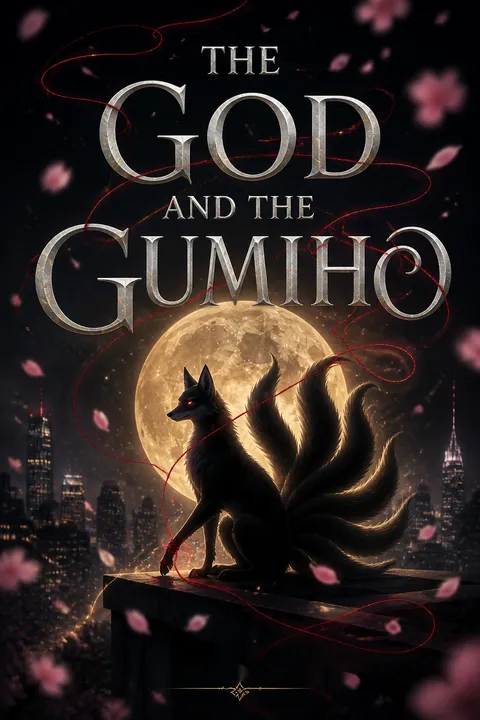

Plot Summary
Cherry Blossoms and Curses
In 1992 New Sinsi, a cherry blossom drifts through a city where the supernatural hides in plain sight. Seokga, a fallen trickster god, despises the mortal world and its reminders of his exile. He's grumpy, powerful, and addicted to coffee, but his bitterness is matched only by his sharp wit. Meanwhile, Kim Hani, a gumiho (nine-tailed fox), works at the Creature Café, hiding her true nature and legendary past as the Scarlet Fox. Their first encounter is a clash of personalities—Seokga's arrogance meets Hani's irreverence, setting the stage for a relationship built on banter, rivalry, and reluctant fascination. The city's cherry blossoms, blooming out of season, hint at the meddling of gods and the tangled fates to come.
Coffee, Claws, and Conflict
Hani hates coffee but serves it to creatures who haunt the city's hidden corners. Seokga, her most infuriating customer, demands perfection and respect, but Hani gives him sass and sabotage. Their antagonism escalates when Hani "accidentally" ruins his suit with a coffee spill, igniting a feud that ripples through the supernatural community. Beneath the surface, both hide wounds: Seokga's fall from grace and Hani's overindulgence in souls and livers, which has left her unable to feed for over a century. Their mutual irritation masks a growing curiosity, as each senses the other's power and secrets. The café becomes a battleground, but also a place where their destinies begin to intertwine.
Fallen God's Penance
Seokga's existence is defined by penance: he must rid the world of twenty thousand Unrulies—monsters and spirits who break the laws of the supernatural. His work is thankless, violent, and endless, and he refuses help, believing companionship is a weakness. Haunted by memories of his failed coup against his brother Hwanin, Seokga is both feared and pitied by his colleagues. Chief Shim, a haetae (guardian beast), urges him to accept an assistant, but Seokga's pride and loneliness keep him isolated. His only solace is coffee, which he drinks obsessively, a small comfort in a world that constantly reminds him of what he's lost.
Gumiho's Secret Hunger
Hani, once the most notorious gumiho in Korea, is infamous for her appetite for men's livers and souls. Her legend as the Scarlet Fox is whispered in fear, but she's now "retired," overstuffed from a century-old binge. She mentors Somi, a younger, innocent gumiho, and tries to suppress her own predatory instincts. But when attacked by predatory men, Hani's old habits resurface, and she gifts Somi her first taste of human liver, awakening dangerous cravings. Hani's duality—predator and protector—emerges, as she navigates guilt, nostalgia, and the threat of exposure in a city where technology and surveillance make hiding harder than ever.
Nightmares and New Crimes
A string of supernatural murders rocks New Sinsi: bodies drained of life, marked by black veins and missing livers. Seokga investigates, suspecting an eoduksini—a demon of darkness and nightmares—has escaped from the underworld. The demon's victims die in their sleep, tormented by their worst fears, and their souls are left disoriented. As Seokga and Hani are drawn into the case, they realize the eoduksini is growing stronger, feeding on the city's life. The threat is existential: if unchecked, the demon could turn the mortal realm into a new Dark World, a place of chaos and suffering.
Livers, Lies, and Loyalty
Hani's attempt to protect Somi from suspicion leads her to manipulate evidence, destroy security footage, and mislead Seokga's investigation. As Somi's cravings spiral out of control, she becomes a killer, but Hani's loyalty blinds her to the consequences. The city's supernatural authorities close in, and the line between guilt and innocence blurs. Hani's self-preservation instincts war with her conscience, and her relationship with Seokga grows more complicated as he unknowingly hunts both the eoduksini and the Scarlet Fox—never suspecting they are closer than he thinks.
Assistant to the Trickster
When Chief Shim hires Hani as Seokga's assistant, their rivalry is forced into partnership. Hani sees the job as a way to steer Seokga away from Somi and herself, while Seokga resents the intrusion but can't deny her usefulness. Their banter evolves into grudging respect, and moments of vulnerability slip through their defenses. Together, they chase leads, interrogate witnesses, and face the city's dangers. The tension between them simmers, fueled by attraction, suspicion, and the secrets they keep from each other.
Foxes, Fangirls, and Fugitives
The city teems with creatures: grim reapers, dokkaebi, haetae, and demigods, each with their own agendas and rivalries. Somi, caught between innocence and hunger, becomes both a victim and a threat. Hyun-tae, a lovesick jeoseung saja, is drawn to Somi, while Hani juggles her roles as mentor, accomplice, and protector. The supernatural community's gossip, politics, and prejudices complicate the investigation, as old grudges and new alliances form. The boundaries between friend and foe blur, and trust becomes a rare commodity.
Deaths, Dreams, and Deceptions
The eoduksini's attacks escalate, plunging victims into nightmares that blur memory and reality. Seokga and Hani both fall prey to the demon's power, forced to relive their deepest regrets: Seokga's fall from grace, Hani's predatory past. Caffeine becomes their unlikely shield, keeping them awake and immune to the demon's sleep-based assaults. As they piece together clues, they realize the eoduksini is manipulating them, using red herrings and false leads to sow confusion. The true host of the demon remains hidden, and the cost of failure grows with every death.
Darkness in the Veins
The demon amasses an army of Unrulies, promising them a new Dark World. Seokga and Hani, joined by Hyun-tae, prepare for a final confrontation in a derelict warehouse. The battle is brutal: gumiho, dokkaebi, bulgasari, and ghosts fall in waves, and Hani is forced to unleash the full power of her fox bead, burning herself out in the process. The eoduksini's true identity is revealed—not the obvious suspect, but Hyun-tae himself, possessed and corrupted. Betrayal and heartbreak follow, as Somi, manipulated by the demon, turns on Hani, and the line between hero and monster dissolves.
Brothers and Bargains
Seokga's brother Hwanin, ruler of the gods, offers a bargain: if Seokga kills both the eoduksini and the Scarlet Fox, he will be restored to godhood and allowed to return home. The price is steep—Seokga must choose between love and redemption, between Hani's life and his own freedom. Hani, realizing the only way to save Seokga and the world is through self-sacrifice, strikes her own bargain with Hwanin. The gods' machinations, sibling rivalry, and ancient wounds come to a head, forcing all to confront what they value most.
The Scarlet Fox's Shadow
The truth comes out: Hani is the Scarlet Fox, and her attempt to protect Somi has only led to greater tragedy. In a final act of love and atonement, Hani guides Seokga's hand to kill her, fulfilling the bargain and restoring his power. Her death is both a confession and a gift, freeing Seokga to defeat the eoduksini but leaving him shattered by grief and guilt. The city is saved, but at the cost of the love that had begun to heal both their wounds. Hani's soul is taken to the underworld, her fate uncertain.
Stakeouts and Seductions
In the aftermath, Seokga and Hani's relationship deepens, moving from rivalry to intimacy. Their banter gives way to vulnerability, and their physical connection becomes a refuge from the chaos around them. Yet secrets and guilt linger, and the specter of betrayal haunts every touch. Their love is passionate but precarious, threatened by the bargains they've made and the destinies they cannot escape. The city's darkness mirrors the shadows in their hearts, and the promise of sunrise becomes both a hope and a curse.
Nightclub of Nightmares
The final battle takes place in the Emerald Dragon nightclub, where Seokga and Hani attempt to lure the demon into the open. The eoduksini strikes, plunging the club into darkness and slaughtering all but the two heroes. In a desperate, caffeine-fueled struggle, Hani burns out her fox bead to weaken the demon, while Seokga, restored to partial godhood by Hani's sacrifice, finishes the fight. The cost is immense: the city is saved, but the survivors are left scarred, and the dead—including Hani—are mourned.
Sacrifice and Sunrise
Seokga, now a god again, is haunted by Hani's death and the knowledge that her sacrifice made his victory possible. He pleads with Hwanin for her reincarnation, bowing and begging as he never has before. Hwanin, moved by his brother's grief and changed by witnessing love's power, grants the request: Hani will be reborn, with a sign that Seokga can find her. The city awakens to a new dawn, the darkness lifted, but the wounds of loss remain. The story ends with hope, as Seokga follows the red thread of fate, searching for Hani in a world where love and destiny are forever entwined.
Fate's Red Thread
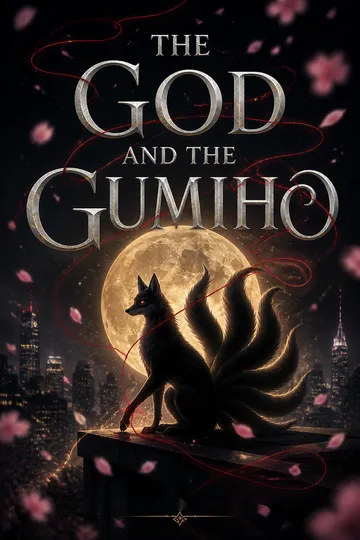
Years later, Seokga returns to New Sinsi, now a city transformed. He is still searching, still hoping, haunted by memories and the promise of reunion. The red thread of fate appears, tying his finger to an unseen beloved. As cherry blossoms fall and the city blooms, Seokga follows the thread, drawn by love, loss, and the certainty that some stories never truly end. The god and the gumiho's tale is one of sacrifice, forgiveness, and the enduring power of connection—a myth remade for a modern world.
Analysis
The God and the Gumiho is a dazzling, genre-bending fusion of urban fantasy, romance, and Korean mythology, reimagined for a world where ancient monsters and modern anxieties coexist. At its heart, the novel is a meditation on exile, guilt, and the possibility of redemption. Seokga and Hani are both outcasts—one a fallen god, the other a legendary predator—haunted by their pasts and forced to confront the consequences of their actions. Their relationship, built on banter, rivalry, and reluctant vulnerability, becomes a crucible for transformation: love as both wound and healing. The story interrogates the nature of monstrosity, the ethics of survival, and the cost of forgiveness, refusing easy answers or tidy resolutions. Its use of myth is both reverent and subversive, honoring tradition while challenging its limitations. The novel's emotional arc is one of sacrifice and hope: even in a world of darkness, the red thread of fate endures, tying broken souls together and promising that, in the end, love is stronger than exile, and stories—retold, reimagined—can save us all.
Review Summary
People Also Read



Characters
Seokga
Seokga is a complex figure: once a powerful god of mischief and deceit, now condemned to the mortal realm for his failed rebellion against his brother Hwanin. His bitterness is matched by his intelligence and wit, and he hides deep wounds beneath a veneer of arrogance and sarcasm. Seokga's relationships are fraught—he pushes others away, convinced that attachment is weakness, yet he craves connection and redemption. His addiction to coffee is both a running joke and a symbol of his longing for comfort in a world that feels alien. Over the course of the story, Seokga is forced to confront his pride, his capacity for love, and the possibility of forgiveness. His arc is one of reluctant vulnerability, as he learns to trust, to grieve, and ultimately to sacrifice for others. His love for Hani is transformative, breaking through centuries of isolation and self-loathing, and his final plea for her reincarnation is both a confession and a hope for healing.
Kim Hani
Hani is a study in contradictions: a notorious killer who longs for peace, a mentor who struggles with guilt, a trickster who yearns for love. As the Scarlet Fox, she is both feared and mythologized, her appetite for souls and livers the stuff of urban legend. Yet Hani is also fiercely loyal, especially to Somi, and her attempts to shield her friend lead to deception and tragedy. Her relationship with Seokga is a dance of banter, rivalry, and growing intimacy, as she challenges his cynicism and reveals her own vulnerabilities. Hani's psychological complexity lies in her struggle to reconcile her predatory nature with her desire for connection and redemption. Her ultimate sacrifice—choosing death to save Seokga and the world—is an act of selfless love that redeems her past and secures her place in myth. Her journey is one of atonement, courage, and the hope that even monsters can be loved.
Nam Somi
Somi begins as a naïve, sweet-natured gumiho, idolizing the pantheon and looking up to Hani as a mentor. Her first taste of human liver, gifted by Hani, awakens a dangerous craving that spirals into addiction and violence. Manipulated by the eoduksini and betrayed by Hani's secrecy, Somi becomes both victim and villain, her innocence weaponized against her. Her arc is a tragic one: she is used as a scapegoat, blamed for crimes she did not commit, and ultimately forced to choose between loyalty and survival. Somi's story is a meditation on the consequences of mentorship, the dangers of suppressed desire, and the ease with which innocence can be twisted into monstrosity.
Chief Shim
Chief Shim is a haetae, a lion-like guardian beast, and the head of New Sinsi's supernatural police. He is both fatherly and formidable, urging Seokga to accept help and reminding him of the value of compassion. Shim's patience and wisdom are tested by the city's escalating crises, and his disappointment in Seokga's recklessness is a turning point for both characters. Shim represents the possibility of forgiveness and the importance of community, serving as a bridge between the old world of gods and the new world of mortals.
Hyun-tae / Eodum
Hyun-tae is introduced as a shy, lovesick grim reaper, but is ultimately revealed as the eoduksini's vessel—a masterstroke of deception. As Eodum, he is a demon of nightmares, feeding on fear and chaos, and orchestrating the city's descent into darkness. His manipulation of evidence, witnesses, and even the protagonists themselves is a testament to his cunning. Psychologically, Eodum embodies resentment, hunger, and the destructive power of exile. His defeat requires both physical and emotional sacrifice, and his presence forces the other characters to confront their own shadows.
Hwanin
Hwanin is the ruler of the gods, Seokga's older brother, and the architect of his exile. He is both distant and deeply invested in Seokga's fate, torn between duty and affection. Hwanin's bargains are tests of character, designed to force growth and atonement. His jealousy of Hani's influence over Seokga reveals his own longing for connection, and his eventual act of mercy—granting Hani reincarnation—signals a shift from rigid judgment to compassionate leadership.
Lee Dok-hyun
Dok-hyun is a mortal caught in the crossfire of supernatural politics. His grief, loneliness, and desire for belonging make him vulnerable to manipulation, and he becomes the eoduksini's perfect red herring. His death is a reminder of the collateral damage wrought by gods and monsters, and his arc is one of quiet tragedy.
Suk Aeri
Aeri is a fairy with scrying abilities, a former lover of Seokga, and the editor-in-chief of Godly Gossip. She provides cryptic guidance, demanding a kiss between Seokga and Hani as payment for her prophecy. Aeri's role is that of the trickster's trickster, delighting in chaos and serving as a meta-commentator on the story's events.
The Unrulies
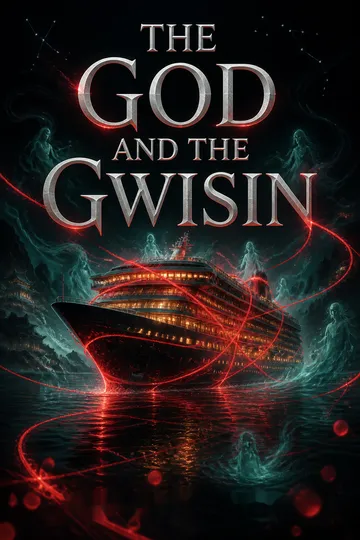
The Unrulies—dokkaebi, bulgasari, gwisin, and others—are both threats and victims, drawn to the promise of a new Dark World. They represent the city's underbelly, the consequences of exile, and the dangers of unchecked desire. Their presence forces the protagonists to confront the limits of law, mercy, and power.
The City of New Sinsi
New Sinsi is more than a backdrop—it is a character in its own right, a city where the old world of gods and monsters collides with the new world of technology and surveillance. Its cherry blossoms, hidden shops, and shifting boundaries mirror the story's themes of transformation, concealment, and the search for belonging.
Plot Devices
Dual Protagonists and Alternating Perspectives
The novel alternates between Seokga and Hani's points of view, allowing readers to experience both the god's exile and the gumiho's guilt. This structure deepens the emotional arc, highlighting their parallel journeys from isolation to connection, and from rivalry to love. The dual narrative also enables dramatic irony, as each withholds secrets from the other, and the reader is privy to both.
Korean Mythology Reimagined
The story draws on Korean myths—gumiho, haetae, dokkaebi, eoduksini, and more—recasting them in a modern urban setting. The gods' family drama, the rules of the underworld, and the politics of exile are all reinterpreted, blending tradition with contemporary concerns. The mythic elements serve as metaphors for psychological wounds, social alienation, and the struggle for redemption.
The Red Thread of Fate
The motif of the red thread—tying lovers across time and space—frames the story's exploration of fate, choice, and sacrifice. It appears at the end as a symbol of hope and reunion, suggesting that love endures beyond death and betrayal. The thread also echoes the story's structure: tangled, looping, and ultimately leading back to connection.
Foreshadowing and Misdirection
The novel employs red herrings, unreliable witnesses, and shifting suspicions to keep readers guessing. The true identity of the eoduksini's host, the Scarlet Fox, and the nature of the bargains are all hidden in plain sight, revealed only through careful accumulation of clues. The use of prophecy, dreams, and double meanings creates a sense of inevitability and surprise.
Sacrifice as Redemption
The climax hinges on Hani's willingness to die for Seokga and the world, reframing her predatory past as a source of salvation. The act of guiding Seokga's hand to kill her is both a confession and a gift, fulfilling the godly bargain and restoring balance. The theme of sacrifice recurs throughout, challenging the characters to choose between self-interest and the greater good.
Modernity vs. Myth
The tension between the supernatural and the modern world is embodied in the city's CCTV cameras, gossip magazines, and bureaucratic procedures. Hani's struggle to conceal her identity in an age of surveillance mirrors the broader challenge of maintaining myth in a rational, technological society. The story asks what is lost—and what is gained—when old stories are retold for new times.
Fate's Thread Series
Download PDF
Download EPUB
.epub digital book format is ideal for reading ebooks on phones, tablets, and e-readers.








































